
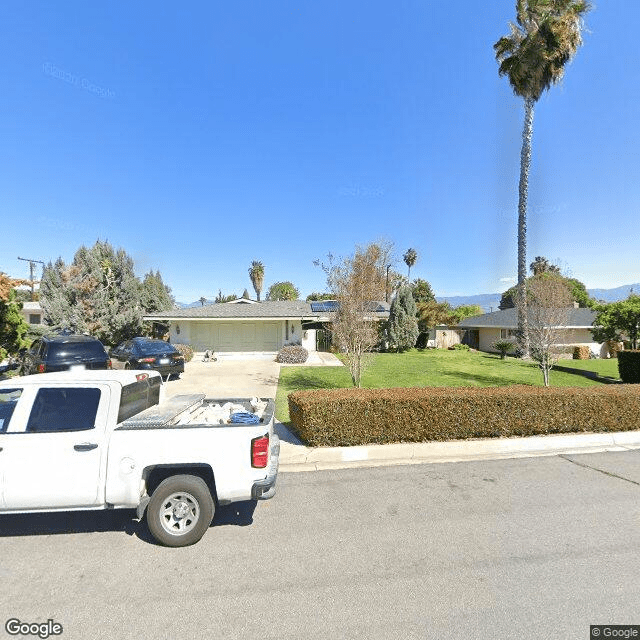
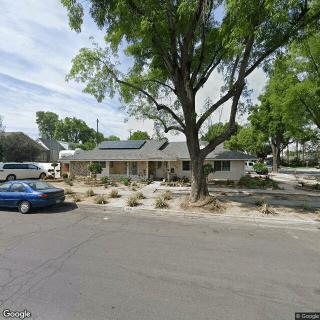
25030 Fern Avenue, Loma Linda, CA 92354
For more information about senior living options: (866) 208-4318
Loma Leisure Home Costs & Pricing
Loma Leisure Home offers competitive pricing for its residential accommodations, making it an attractive option for those seeking assisted living solutions. For a semi-private room, the cost is set at $2,500 per month, which is notably lower than the average rates in San Bernardino County ($2,958) and significantly below the state average of $3,333. Similarly, residents opting for a private room will pay $3,000 monthly, again undercutting both county and state averages of $3,561 and $3,939 respectively. This pricing structure positions Loma Leisure Home as a cost-effective choice without compromising on the quality of care provided.
| Floor plans | Loma Leisure Home | San Bernardino County | California |
|---|---|---|---|
| Semi-Private | $2,500 | $2,958 | $3,333 |
| Private | $3,000 | $3,561 | $3,939 |
Assisted Living communities with a similar price nearby
-
About the same
Valley Spring Elderly Care
$2,500 to $3,000 / month2.1 miles away -
from +$300 / mo

Bianca's Home Care
$2,800 to $3,400 / month16.7 miles away -
About the same
Golden Horizon Home I
$2,500 to $2,800 / month13.7 miles away -
from +$300 / mo
Hillcrest Cottage
$2,800 to $3,200 / month13.3 miles away -
About the same
Center Plaza Senior Living
$2,500 to $4,600 / month5.3 miles away
Overall Review of Loma Leisure Home
Pros
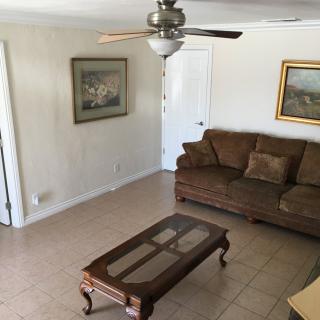
 The home appears very comfortable.
- The staff seems caring.
- The facility is quiet.
- The residents seem happy.
Cons
 This place is a joke
Review
Loma Leisure Home in Loma Linda, CA, is best suited for seniors who prize a quiet, home-like setting with attentive, personable staff and a light, predictable routine. It appeals to residents who want to stay independent but appreciate gentle supervision and a calm daily rhythm. The environment is not marketed as a high-energy, activity-rich campus, nor a high-acuity medical facility, making it a practical fit for those whose care needs are limited to daily living support, reminders for medications, and social interaction delivered at a relaxed pace. Families should note that residents who require frequent hands-on medical care, continuous supervision, or memory-support services are likely to find this community falls short and should explore options with stronger clinical offerings.
Several observations echo a favorable baseline experience: the home presents as comfortable and welcoming, staff are described as caring, and the setting is notably quiet. In practice, this translates to an environment where residents appear content, routines feel predictable, and staff interactions can be friendly and approachable. For seniors who value personal connections with caregivers and a sense of being part of a small, cohesive community, these are meaningful advantages. The combination of comfort, perceived attentiveness, and a tranquil atmosphere can support dignified daily living and reduce anxiety around transition, especially for residents sensitive to noise, crowds, or abrupt changes.
However, a single harsh critique looms over the otherwise positive tone: "This place is a joke." That blunt assessment cannot be dismissed, and it signals the potential for inconsistent experiences or gaps in delivery that may depend on shifts, management decisions, or resident expectations. When paired with the more favorable reports, it suggests a real risk of variability in service. Prospective families should recognize that the overall impression may hinge on intangible factors such as perceived reliability, responsiveness, and administrative transparency. In practical terms, this means diligence is essential before committing, verify what is guaranteed in writing and observe how the operation handles requests, emergencies, and routine care planning.
Alternatives should be strongly considered for residents who need more robust daily assistance, structured programming, or specialized care. If medical supervision, physical therapy access, memory care, or social programming with consistent staffing is a priority, other communities in the Loma Linda area with clearer clinical credentials and higher ratings may be safer bets. The presence of two relatively favorable reviews suggests potential for a solid fit for the right person, but the solitary negative rating warns that not every resident will experience the same level of reliability or satisfaction. Families should compare care philosophies, caregiver-to-resident ratios, and escalation paths for care changes when evaluating options.
On balance, the positives create a respectable appeal for a niche resident who values quiet comfort and steady, kind interactions. These factors are meaningful and can offset a lack of bustling activity or advanced services for someone who is mostly independent but wants reassurance. Yet the negative item raises a practical concern: if expectations are not met, the resulting frustration can erode trust and satisfaction quickly. The decisive question centers on risk tolerance: is the residentā€™s need for medical and cognitive support low enough that a calm, home-like environment suffices, or does the situation demand fail-safe access to more comprehensive care? That risk-benefit calculus should drive the decision.
Informed due diligence is the key move. Schedule a thorough tour, observe interactions across different shifts, and request to speak with multiple staff members, not just front-desk responders. Review sample care plans, dietary menus, activity calendars, and any respite or emergency procedures. Ask for transparent pricing, room-size details, and what services are included vs add-ons. If the resident values independence with light assistance and a serene setting, Loma Leisure Home warrants closer consideration. For others with higher care needs or sensitivity to inconsistent service, the recommendation is to expand the search and compare against communities with stronger clinical infrastructure and more uniform reviews. A careful, hands-on evaluation will reveal where this community truly fits.
 6 resident community capacity
 Assisted Living
 Board and Care Home
 Cable or satellite TV
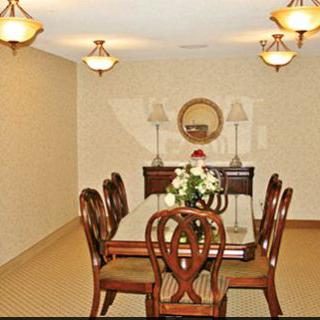
 Dining room
 Fully furnished
 Garden
 Housekeeping services
 Move-in coordination
 Outdoor space
 Private
 Telephone
 Wi-Fi/high-speed internet available
 Ontario International (20 miles away)
 24-hour supervision
 Activities of daily living assistance
 Assistance with bathing
 Assistance with dressing
 Assistance with transfers
 Diabetes diet
 Meal preparation and service
 Medication management
 Special dietary restrictions
 Transportation arrangement (medical)
 Transportation to doctors appointments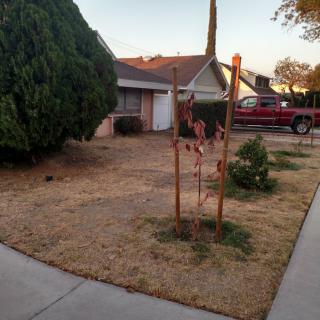


 Comprehensive Insights into Activities of Daily Living (ADLs) and Their Assessment
 Medicare Coverage for Assisted Living: An In-Depth Exploration
 Choosing the Right Senior Care: A Detailed Exploration of Assisted Living and Nursing Homes