
11400 Poplar Street, Loma Linda, CA 92354
For more information about senior living options: (866) 208-4318
Overall Review of Excelcare
Pros
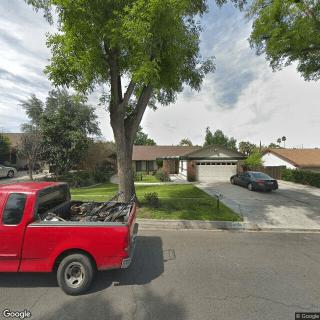
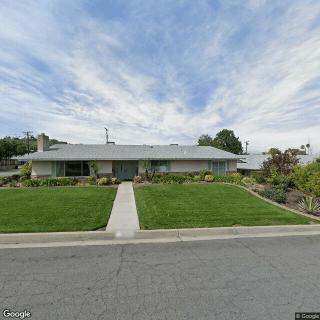
 The home is inviting, with a beautiful flower garden.
- The staff are very attentive to residents’ needs.
- The facility is consistently clean with a fresh, pleasant smell.
- The manager/owner promptly corrects any issues.
- Residents enjoy activities like morning walks and afternoon Sing-along time.
- There is a variety of food to choose from, with second or third servings available and favorites like Fideo.
Cons
 The staff knows nothing about caregiving.
- Half of them do not speak English.
- They’re very unskilled.
- They found the reviewer’s father not cared for: his oxygen was off, he wasn’t fed, and he was overmedicated.
- For what they paid, it definitely was not satisfactory at all.
- The staff can’t seem to communicate.
Review
Excelcare in Loma Linda is best suited for families seeking a small, home-like setting where social engagement, personal attention, and a clean, welcoming atmosphere are prioritized. The positive experience centers on an inviting entry, a flower garden, and a staff that is described as friendly and responsive. Residents can expect a tidy environment with a pleasant aroma, regular opportunities for morning walks, and afternoon activities like sing-alongs. The menu is varied, with generous servings and options to rotate dishes, signaling a focus on comfort and daily enjoyment. This combination makes the community appealing to seniors who want a warm, neighborly feel and a staff that appears readily accessible to address routine needs.
Yet, serious caveats emerge from a contrasting experience that cannot be ignored. One family reports a profoundly negative episode, staff perceived as unskilled, many not speaking English, and monitoring lapses that led to a dangerous situation for a loved one. Oxygen management, feeding, and medication oversight are cited as critical failures, despite the facility itself being clean. The owner is described as knowledgeable, but communication gaps undermine care quality. Taken together, these harsh notes signal that the facility’s strengths may rest on appearance and atmosphere rather than consistent, clinically sound caregiving.
Those two extremes illuminate a practical decision framework. The strongest pros, the homey ambiance, cleanliness, apparent staff attentiveness, and engaging activities, deliver real, tangible value for residents who thrive on social structure, routine, and quick problem resolution when issues arise. If a resident is relatively independent or has dependable family support coordinating care, these advantages can offset some variability in staffing. The owner’s involvement and the facility’s responsiveness to problems can further bolster confidence for families who prioritize a sense of community and emotional comfort.
However, the weight of the cons cannot be dismissed. The noted language barriers and questions about caregiving competence raise legitimate safety concerns, particularly for residents requiring consistent supervision, complex medical management, or precise meal and medication protocols. Oxygen monitoring and diabetes management are non-negotiable elements for many seniors, and any reported disconnect between care needs and staff execution demands stringent scrutiny. In such cases, the risk that important needs go unmet may outweigh the appeal of a cozy, activity-rich setting.
Families evaluating Excelcare should focus on concrete, living details. Verify whether the staff roster includes English-speaking caregivers who can communicate clearly about daily needs, medications, and emergencies. Inquire about caregiver training, supervision, and turnover rates, plus the owner’s direct involvement in daily operations and problem resolution. Request to observe during routine times, meal service, medication administration, and shift change, to assess consistency and attentiveness. Review the menu for dietary accommodations, diabetes-related planning, and the availability of preferred meals. Finally, ask for recent references and a trial transition plan to confirm that the promised home-like environment aligns with dependable, high-quality care.
For those who prize a warm, social, clean environment with ready-access staff and meaningful daily activities, Excelcare delivers meaningful value. The community’s strengths can create a comforting home atmosphere and a sense of belonging that families often seek. But for residents whose care hinges on unwavering clinical oversight, language-accurate communication, and consistently meticulous caregiving, alternatives may be the wiser route. The decision should hinge on aligning the resident’s medical needs, communication expectations, and safety priorities with what the program reliably delivers.
 10 resident community capacity
 Assisted Living
 Board and Care Home
 Respite Care
 Cable or satellite TV
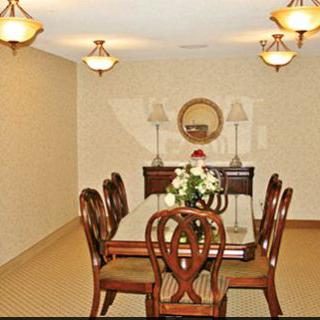
 Dining room
 Fully furnished
 Garden
 Housekeeping services
 Move-in coordination
 Outdoor space
 Telephone
 Wi-Fi/high-speed internet available
 Ontario International (20 miles away)
 24-hour supervision
 Activities of daily living assistance
 Assistance with bathing
 Assistance with dressing
 Assistance with transfers
 Diabetes diet
 Meal preparation and service
 Medication management
 Special dietary restrictions
 Transportation arrangement (medical)
 Transportation to doctors appointments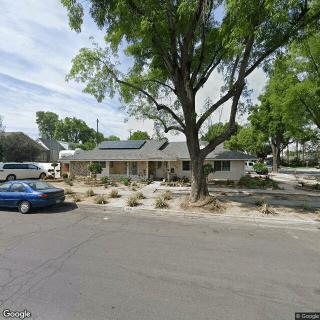


 Comprehensive Supportive Living Arrangements for Adults with Disabilities
 Funding and Affording Assisted Living: A Thorough Overview
 Assisted Living Expenses and Long-Term Care Insurance: A Comprehensive Exploration