
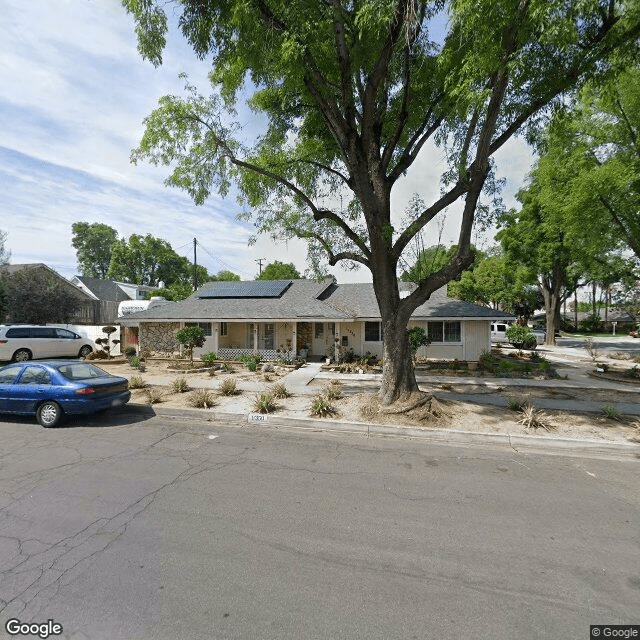
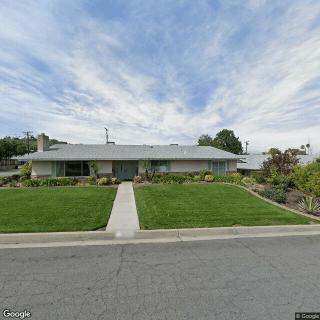
11350 Poplar St, Loma Linda, CA 92354
To contact a resident: (909) 799-3170
For more information about senior living options: (866) 208-4318
Everett Forest Board & Care Costs & Pricing
Everett Forest Board & Care stands out as a cost-effective option in the context of both San Bernardino County and California at large. For those considering semi-private accommodations, Everett offers a monthly rate of $1,800, significantly lower than the county average of $2,958 and the state average of $3,333. Similarly, their studio units are priced at $1,950, again offering substantial savings compared to San Bernardino's $3,455 and California's $4,145 averages. Private rooms at Everett are available for $2,500 - still more economical than the county's $3,561 and the state's $3,939. Lastly, their one-bedroom units are priced at $2,900 while comparable rates in the county reach up to $3,548 and statewide averages soar to $4,340. Overall, Everett Forest Board & Care provides competitive pricing that prioritizes affordability without compromising quality care.
| Floor plans | Everett Forest Board & Care | San Bernardino County | California |
|---|---|---|---|
| Semi-Private | $1,800 | $2,958 | $3,333 |
| Studio | $1,950 | $3,455 | $4,145 |
| Private | $2,500 | $3,561 | $3,939 |
| 1 Bedroom | $2,900 | $3,548 | $4,340 |
Memory care communities with a similar price nearby
-
from +$200 / mo
Milam Manor
$2,000 to $3,600 / month2.1 miles away -
About the same
IMS Home Inc
$1,800 to $3,000 / month23.7 miles away -
About the same
Delizo's Guest Home
$1,800 to $2,500 / month21.1 miles away -
from +$188 / mo
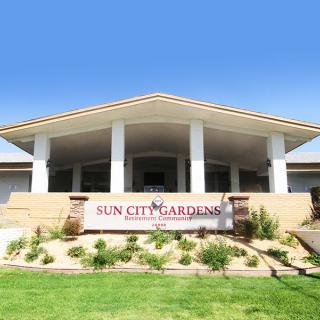
Sun City Gardens
$1,988 to $3,291 / month23.8 miles away -
from +$200 / mo

Famous Home
$2,000 to $2,800 / month15.5 miles away
Overall Review of Everett Forest Board & Care
Pros
 The facility is very clean and comfortable.
- The owners are attentive to the care and needs of guests.
- Home-made meals are prepared with attention to what is best for each person.
- Mom is happy with her stay.
- The staff keep the facility nice and clean.
- The staff are friendly, and the food is good.
Cons
 Mom is too difficult to handle.
- This facility just wasn't a good fit for the kind of care that she needed.
Review
Everett Forest Board & Care in Loma Linda is best suited for families seeking an intimate, home‑like setting for a senior who needs daily assistance but does not require intensive medical intervention. The community emphasizes a hands-on, involved approach from the owners and staff, delivering a steady, predictable routine in a setting that feels more like a private home than a campus. For residents who thrive on consistent schedules, personal attention, and meals cooked with a caregiver’s insight into individual preferences, this environment offers a compelling match.
Those with advanced memory issues or complex medical needs should consider alternatives. One review notes that a loved one in the advanced stages of Alzheimer’s did not fit this setting, underscoring a key limitation: the model may not sustain high-level dementia care or frequent clinical oversight. If the priority is secure memory care, aggressive behavior management, 24/7 skilled nursing, or access to specialized therapies within a single campus, a larger assisted living or a dedicated memory‑care community is likely to be a better long‑term fit.
On the upside, the pros are tangible and shield several common risks of smaller facilities. The environment is described as very clean and comfortable, with owners who are notably attentive to the needs of their guests. Homemade meals with customized considerations for each resident contribute to higher appetite satisfaction and nutritional engagement, a practical advantage that translates directly into daily well‑being. In a smaller operation, such attentiveness often means quicker adjustments to diet, routine, and comfort without the friction that can accompany larger centers.
Another clear strength is the atmosphere and staff responsiveness. Reviewers highlight friendly, approachable owners who stay closely connected to residents’ daily lives, reinforcing a sense of safety and belonging. The combination of a neat, calm setting and good food supports emotional steadiness and reduces the stress commonly associated with transitions to institutional living. For people who prefer a quieter, more predictable environment over the pace and scale of a bigger campus, these elements provide meaningful quality‑of‑life dividends.
Yet the same intimacy that yields warmth also marks a potential trade‑off. The limited scale of a board‑and‑care model means fewer on‑site resources for medical monitoring, emergency response, or dementia‑specific programming. This is not a flaw so much as a practical boundary: when cognitive decline accelerates or medical complexity grows, families may need to pursue a setting with more robust clinical support. In weighing options, the key question becomes whether the desired trajectory remains within the capacity of a smaller home setting or points toward a purpose‑built memory care environment.
Bottom line: Everett Forest Board & Care delivers dependable, high‑quality daily life for seniors who need light to moderate assistance and prize a personalized, homey experience. The advantages, cleanliness, attentive ownership, and tailored meals, are substantial enough to offset many concerns typical of small facilities. The decisive caveat is care level: for loved ones with advanced dementia or significant medical needs, this setting may prove insufficient, and an alternative with stronger clinical staffing and memory‑care capabilities should be pursued. Families should assess the expected care trajectory early, and be prepared to transition if cognitive decline or medical complexity accelerates; in the right situation, Everett Forest offers a reassuring, well‑run option that many families appreciate deeply.
 Board and Care Home
 Memory Care
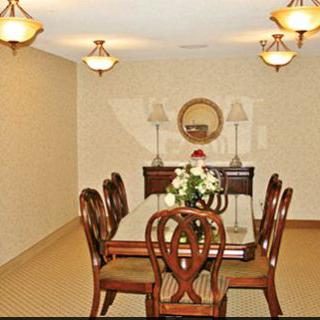
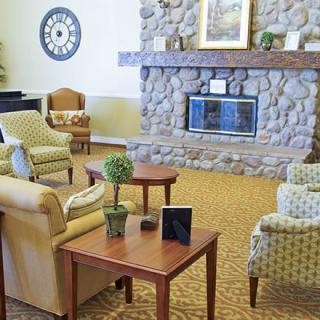
 Indoor common areas
 Outdoor common areas
 Private
 Ontario International (20 miles away)
 Incontinence care
 Meals provided
 Exploring the Contrasts Between Assisted Living and Skilled Nursing
 Vibrant Senior Living: A Comprehensive Guide for Active Older Adults
 Assisted Living and Memory Care: Understanding Their Core Differences