
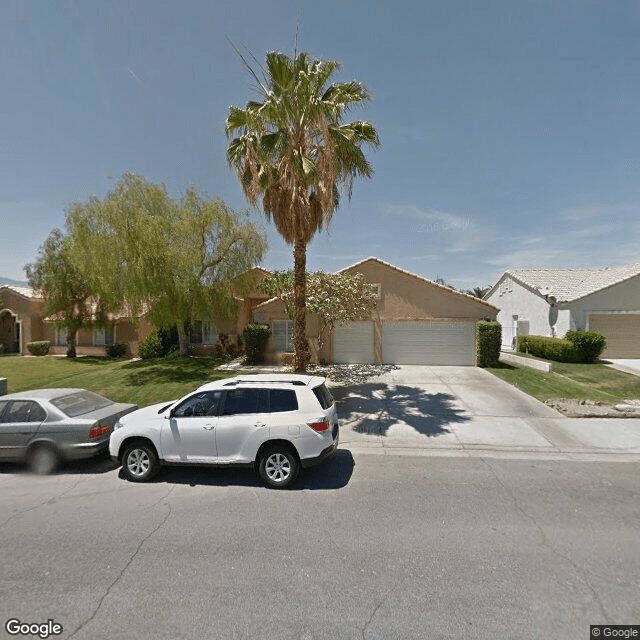
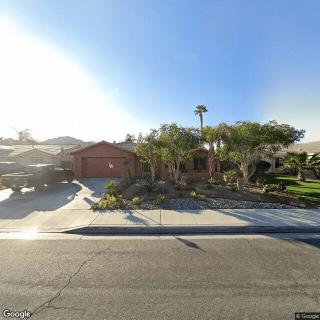
45155 Desert Air, La Quinta, CA 92253
For more information about senior living options: (866) 208-4318
Senior Home Professional Care II Costs & Pricing
Senior Home Professional Care II offers competitive pricing for its services, particularly when compared to both Riverside County and the wider California market. For semi-private rooms, residents can expect to pay $2,200 per month at Senior Home Professional Care II, which is significantly lower than the average cost of $2,844 in Riverside County and $3,333 statewide. Those seeking private accommodations will also find attractive rates; at $3,500 per month, this option remains favorable compared to the county's average of $3,474 and California's state average of $3,939. Overall, Senior Home Professional Care II stands out as a cost-effective choice for seniors looking for quality care in a supportive environment.
| Floor plans | Senior Home Professional Care II | Riverside County | California |
|---|---|---|---|
| Semi-Private | $2,200 | $2,844 | $3,333 |
| Private | $3,500 | $3,474 | $3,939 |
Assisted Living communities with a similar price nearby
-
from +$300 / mo
Island's Best Home Care
$2,500 to $3,000 / month12.7 miles away -
About the same
Absolute Desert Care I
$2,200 to $2,700 / month6.3 miles away -
from -$400 / mo
Palm Springs Retirement Home
$1,800 / month14.6 miles away -
from +$300 / mo
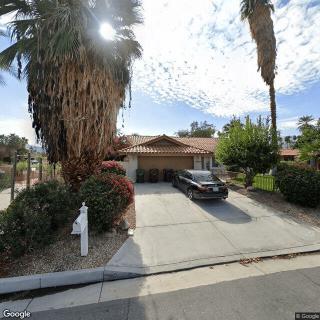
Accent Loving Personal Care II
$2,500 / month5.8 miles away -
from +$300 / mo
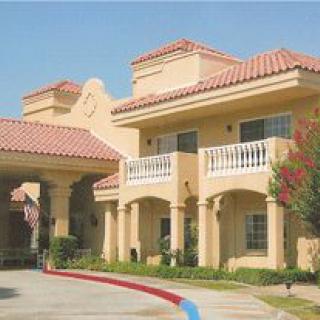
Hallmark-Palm Springs
$2,500 to $3,200 / month16.0 miles away
Overall Review of Senior Home Professional Care II
Cons
 The décor there is not to their taste.
- The décor there is not up to their standards.
- They dislike the décor there.
Review
Senior Home Professional Care II in La Quinta is best suited for families seeking dependable, attentive care in a compact, closely run setting. The two available reviews converge on a single attribute: residents appear to be well cared for, with strong satisfaction reflected in a perfect five-star signal from a small sample. This is a place where day-to-day caregiving is likely steady, predictable, and personal, delivered in an environment that favors intimate interactions over sprawling programming. Those who can overlook interior aesthetics for the sake of safety, consistent staffing, and hands-on support will find value here. If interior design or cultural ambiance is a non-negotiable factor, however, alternatives should be explored.
Conversely, families who prefer a more neutral, contemporary look or who demand a broader array of social venues may want to consider other options. The reviews mention décor as a personal taste issue and hint at a cultural vibe tied to Asian design and ownership that may not align with every resident’s preferences. In a decision framework, this makes the facility a clear mismatch for those who want modern, airy spaces, universal branding, or a decor that avoids strong cultural cues. For such families, pursuing alternatives with a more universal aesthetic is prudent, especially if interiors influence comfort and day-to-day happiness.
Pros exist, even if not elaborated in detail in the feedback. The 5.0 rating from two reviews acts as a practical endorsement that care quality, safety, and staff reliability are credible, giving families a degree of confidence in daily life and routine. In a small operation like this, the emphasis tends to be on consistency and responsiveness, the kind of steady oversight that reduces risk for seniors needing practical assistance. The main con, the décor, does not threaten safety or care effectiveness, but it does shape social mood, motivation, and emotional comfort. When care is sound, design flaws can feel less consequential, yet they are not trivial enough to ignore for families who expect a modern, cheerful home atmosphere.
To translate these signals into a concrete decision, conduct a thoughtful tour focused on function over flash. Observe how caregivers interact with residents, ask about staff-to-resident ratios, and request sample care plans to gauge responsiveness and personalization. Inspect common areas and rooms for cleanliness, warmth, and accessibility, can the space be personalized with photos or keepsakes? Clarify whether dining options, activity calendars, and transportation services align with the resident’s preferences. Finally, seek candid references from current families about long-term satisfaction and how the community handles concerns or changes in care needs.
Comparison against alternatives should anchor on interior experience and capability balance. Facilities with modern, neutral decors and larger, more social campuses can offer brighter first impressions and broader program access, but they may trade off the intimate feel and consistent staffing found in smaller homes. Price, level of care, and wait times matter, but this couple of insider reviews underscores a critical point: aesthetics matter to comfort and identity, sometimes as much as hands-on care. When the priority is reliable assistance in a calm setting and a transparent care routine, this community warrants serious consideration; when the frame of reference is contemporary ambience or expansive social life, alternatives deserve exploration.
Bottom line: Senior Home Professional Care II is a strong fit for seniors who value practical, steady care in a small, well-managed home and can live with a traditional Asian-influenced interior. It represents a solid option for families prioritizing safety, consistency, and a personal touch over polish in décor. Those who cannot tolerate the décor style or who demand a more universal, modern aesthetic should not hesitate to widen the search to other La Quinta options with a more contemporary look and broader environmental variety. A well-structured tour and direct conversations with staff will crystallize whether this community becomes the trusted daily home or simply the right comparison against better-suited matches.
 6 resident community capacity
 Assisted Living
 Board and Care Home
 Activities on-site
 Beautician on-site
 Cable or satellite TV
 Devotional services off-site
 Dining room
 Fully furnished
 Garden
 Housekeeping services
 Indoor common areas
 Move-in coordination
 Outdoor common areas
 Private
 Private bathrooms
 Respite or short term stays offered
 Swimming pool / hot tub
 Telephone
 Wheelchair accessible showers
 Wi-Fi/high-speed internet available
 Palm Springs International (15 miles away)
 24-hour supervision
 Assistance with bathing
 Assistance with dressing
 Assistance with transfers
 Diabetes diet
 Diabetic care
 High acuity care
 Incontinence care
 Meal preparation and service
 Medication management
 Special dietary restrictions
 Transportation arrangement (medical)
 Transportation to doctors appointments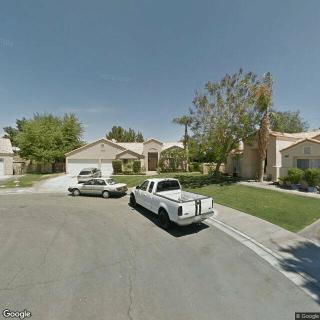
 Accommodating, patient staff with flexible pricing and a clean, welcoming environment.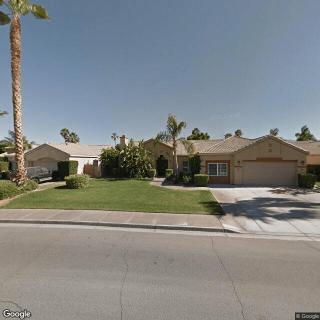


 Social Security Benefits and Assisted Living: Navigating Options Across the U.S.
 An Extensive Exploration of the VA Aid and Attendance Benefit
 Senior Transition Services: Understanding Their Role, Cost, and Importance