
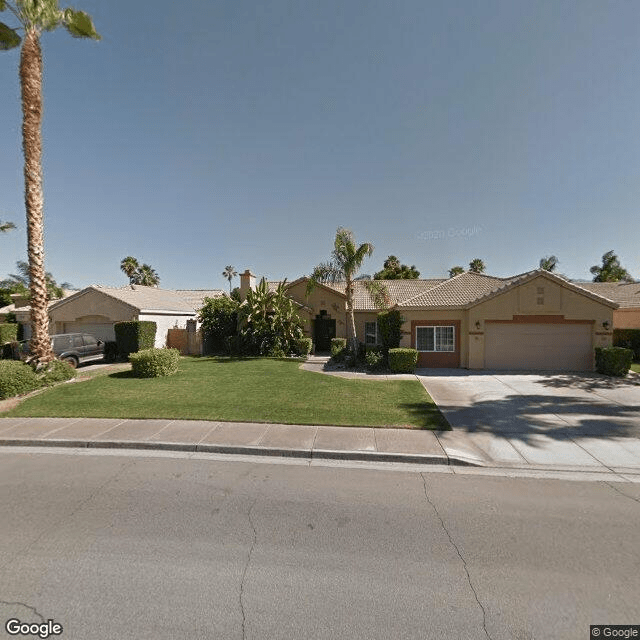
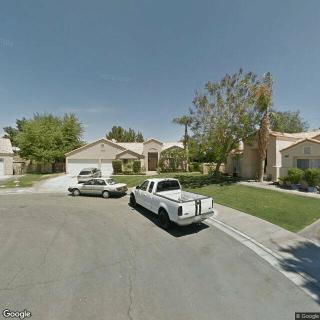
79105 Arbola Circle, La Quinta, CA 92253
For more information about senior living options: (866) 208-4318
Goldluxury Villa Costs & Pricing
Goldluxury Villa offers competitive pricing for its accommodations compared to both Riverside County and the broader California market. The semi-private rooms are priced at $2,800 per month, slightly below the county average of $2,844 and significantly lower than the state average of $3,333. For those seeking more privacy, Goldluxury's private rooms come in at $3,800, which is marginally higher than Riverside County's rate of $3,474 but still favorable when measuring against California's average price of $3,939. Additionally, studio units are also set at $3,800 - this aligns closely with Riverside's figure of $3,559 while remaining notably less than the state's average of $4,145. Overall, Goldluxury Villa presents an attractive option for potential residents looking for quality living arrangements without exceeding their budget in a competitive market.
| Floor plans | Goldluxury Villa | Riverside County | California |
|---|---|---|---|
| Semi-Private | $2,800 | $2,844 | $3,333 |
| Studio | $3,800 | $3,559 | $4,145 |
| Private | $3,800 | $3,474 | $3,939 |
Memory care communities with a similar price nearby
-
from +$200 / mo
Carino's Quality Home Care
$3,000 to $3,500 / month16.2 miles away -
from -$300 / mo
Island's Best Home Care
$2,500 to $3,000 / month12.4 miles away -
from +$195 / mo
Stonewall Gardens
$2,995 to $5,450 / month17.5 miles away -
from +$300 / mo
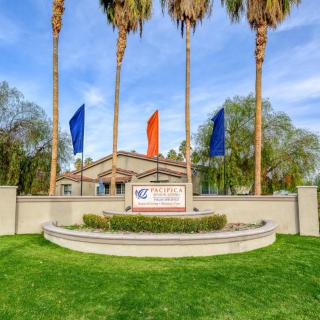
Pacifica Senior Living Palm Springs
$3,100 to $4,200 / month15.5 miles away -
About the same
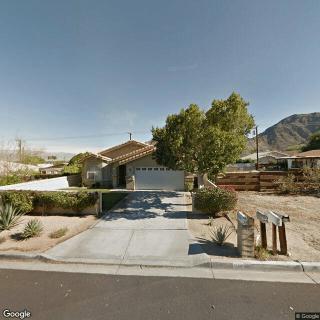
La Quinta Residence Elderly 5
$2,800 to $4,700 / month4.8 miles away
Overall Review of Goldluxury Villa
Pros
 The staff are described as a family who go above and beyond to treat residents as family.
- The facility provides care, love, attention, and cleanliness as essential amenities.
- Residents are treated with respect, dignity, and affection.
- Residents are well cared for in hygiene, dressing, nails, and hair.
- Residents are spoken to with kindness, not spoken at.
- Each resident is treated as an individual.
- Visitors are welcomed and made to feel part of the family.
- The visits reassure that loved ones are safe, well cared for, respected, and loved.
Cons
 The facility did not provide 24-hour care.
Review
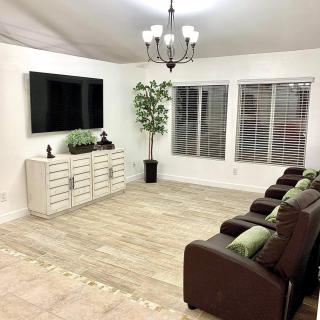
Goldluxury Villa in La Quinta, California, is best suited for families seeking a small, home-like alternative to larger, impersonal retirement communities. The setting emphasizes warmth, a personal touch, and a sense of belonging, with an owner and staff who treat residents as family rather than tasks to complete. This is ideal for seniors who prize dignity, attentiveness, and cleanliness, where daily routines feel respectful and individualized. The culture is welcoming for visitors, who are seen as part of the extended family. It is a strong match for those who value emotional connection and steady, compassionate care over formal programming. However, it will not fit every situation, particularly for residents who require around-the-clock medical oversight.
The core strengths are clear and consistent: care, love, attention, and cleanliness form the foundation of daily life. Staff members are described as going above and beyond, turning caregiving into a family experience rather than a job. Residents are spoken to with respect and affirmation, not talked over; each is treated as an individual with unique preferences and needs. Hygiene and grooming routines, dressing, nails, hair, are prioritized, helping residents look and feel their best. The home-like culture extends to visitors, who are welcomed as part of the family. Family members often leave comforted by the observation that their loved ones are safe, well cared for, respected, and genuinely loved.
A notable caveat appears around the availability of around-the-clock care. The most explicit drawback cited is the absence of 24-hour care, which means continuous nursing oversight isn’t guaranteed on site. For residents with high medical acuity, night-time monitoring, or complex medication management, this gap can pose real concerns and require families to arrange additional support. The intimate, smaller-scale setting naturally offers fewer on-site specialists and less formal programming than larger communities, which can be a trade-off for those needing a comprehensive medical or rehabilitative continuum under one roof.
Still, the benefits offset this limitation for many families. The owner-operated feel and consistent, compassionate caregiving cultivate trust quickly, making a 24/7 medical model less critical for those whose day-to-day needs are well-supported by the staff’s attentiveness. The warmth of interactions, the respectful tone toward residents, and the seamless integration of visitors into daily life all contribute to a sense of security and belonging that appeals to relatives seeking peace of mind. Cleanliness and grooming standards reinforce dignity, so residents feel valued and well cared for in a tangible, ongoing way.
Families should weigh whether a intimate, home-style environment aligns with the resident’s medical needs. If continuous clinical oversight, frequent medical interventions, or specialized memory care are non-negotiable, alternative communities with robust around-the-clock staffing may be more appropriate. The size and culture of Goldluxury Villa make it a natural fit for those who prioritize personal connection, consistent caregiving, and respectful, individual attention over a larger service menu. Prospective movers will benefit from evaluating the resident’s acuity level, discussing night staffing, and clarifying what 24/7 coverage would entail in practice.
In sum, Goldluxury Villa stands out in La Quinta for families prioritizing dignity, personal connection, and a warm, respectful home atmosphere. It delivers exceptional caregiving, cleanliness, and individualized attention that convey safety, affection, and a sense of being truly seen. For residents whose needs align with a loving, small-community model and who can supplement any gaps in round-the-clock care, this setting offers a compelling, practical choice. For those requiring constant medical supervision or extensive on-site services, it remains prudent to explore options with more comprehensive clinical coverage. A direct visit to observe staff interactions, ask about staffing ratios, and verify the true extent of night-time oversight will finalize the fit.
 6 resident community capacity
 Assisted Living
 Board and Care Home
 Memory Care
 Cable or satellite TV
 Dining room
 Fully furnished
 Garden
 Housekeeping services
 Move-in coordination
 Outdoor space
 Private
 Private bathrooms
 Telephone
 Wi-Fi/high-speed internet available
 Palm Springs International (15 miles away)
 24-hour supervision
 Activities of daily living assistance
 Assistance with bathing
 Assistance with dressing
 Assistance with transfers
 Diabetes diet
 Meal preparation and service
 Medication management
 Special dietary restrictions
 Transportation arrangement (medical)
 Transportation to doctors appointments

 Dementia Behaviors: In-Depth Understanding and Effective Coping Strategies
 5 Early Indicators of Dementia and What You Can Do
 8 Important Indicators That Memory Care May Be Necessary