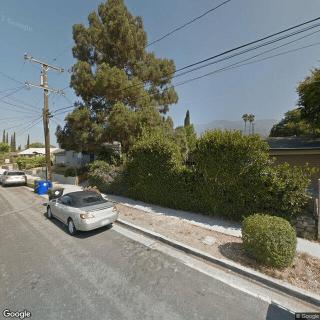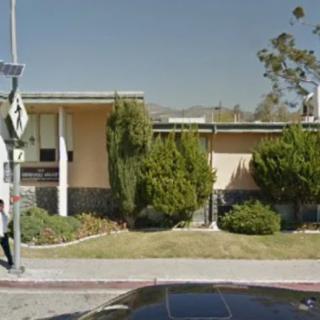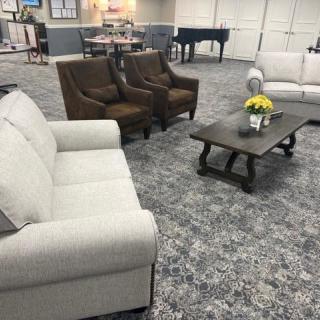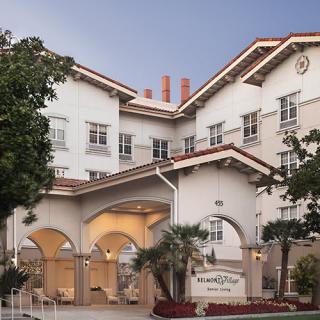
Twin Oaks Guest Home in La Crescenta, CA

Save
Twin Oaks Guest Home

Twin Oaks Guest Home in La Crescenta, CA

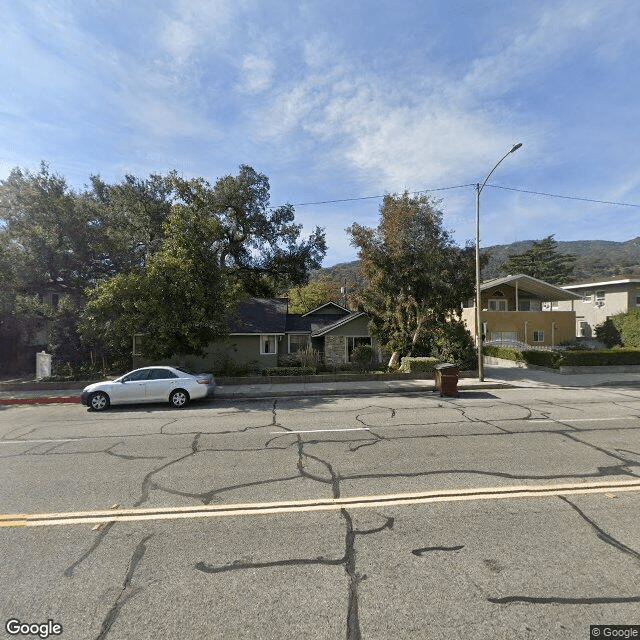
3246 Honolulu Avenue, La Crescenta, CA 91214

For more information about senior living options: (844) 490-3973

4.6 from 9 reviews
5 stars
6
4 stars
2
3 stars
1
2 stars
0
1 stars
0

Assisted Living Board and Care Home

Twin Oaks Guest Home Costs & Pricing

Twin Oaks Guest Home offers private room accommodations at a monthly cost of $5,000, which positions it above the average rates observed in Los Angeles County and across California. In comparison, the average monthly rate in Los Angeles County is approximately $4,197, while the statewide average is around $3,939. This pricing structure reflects Twin Oaks Guest Home's commitment to providing exceptional quality and personalized care that may justify the higher cost. Residents can expect a more tailored living experience, potentially including enhanced amenities and support services that distinguish Twin Oaks from other options in the region.

Floor plansTwin Oaks Guest HomeLos Angeles CountyCalifornia
Private$5,000$4,197$3,939

Overall Review of Twin Oaks Guest Home

Pros

  • pro Twin Oaks provides excellent one-on-one care for residents.
  • pro The caregiver-resident ratio at Twin Oaks is higher than in larger facilities, enabling more personalized attention.
  • pro Twin Oaks has very low staff turnover, yielding consistent and individualized care.
  • pro Each Twin Oaks staff member has many years of professional caregiving experience.
  • pro Twin Oaks maintains relationships with in-home health care providers that bring in RNs and physical/occupational therapists under the resident's insurance.
  • pro Twin Oaks goes above and beyond to keep residents' quality of life as good as possible for as long as possible.
  • pro Twin Oaks has a stellar reputation among those who recommend it.
  • pro Families report great care, easy cooperation with special requests, and warm, attentive staff at Twin Oaks.
  • pro The smaller, homier environment at Twin Oaks helps residents settle in and not feel lost in a larger community.

Cons

  • pro Twin Oaks does not have staff to help residents get in or out of bed or assist with bathroom activities.
  • pro In one prior facility, repeated neglect led to serious illness requiring CCU hospitalization and long-term injury.
  • pro SNFs in this area have 80?99 beds and may have only 1?2 RNs on duty for everyone, making skilled care available only for a few minutes per shift per resident.
  • pro Across two prior facilities, most CNAs, despite certification, were not qualified to meet residents' medical or dietary needs and neglected diet for prolonged periods.
  • pro On-call doctors at other facilities did not call back in a timely manner, even in cases of severe sepsis.
  • pro Other facilities charged more for care.
  • pro Some facilities presented a myth of providing a high level of expertise that was not present most of the time.

Review

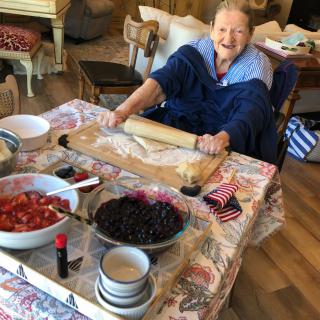
Twin Oaks Guest Home in La Crescenta is best suited for seniors who prize a small, homelike setting where one-on-one care and consistent caregiver relationships are the norm. The community shines for residents who do not require high-intensity, on-site skilled nursing or constant, hands-on help with daily activities. Here, the caregiver-to-resident ratio is notably higher than in larger assisted living or skilled nursing facilities, translating into highly personalized attention to diet, medical needs, social engagement, and overall quality of life. Families seeking a place where staff familiarity with individual histories translates into calmer days and more meaningful daily routines will find Twin Oaks a rare fit. It is particularly appealing to those who value continuity, genuine warmth, and a home-like atmosphere over the impersonality that can accompany larger campuses.

That said, this is not the right match for residents who need regular, intensive assistance with transfers, mobility aids, or incontinence care. It operates more as a retirement home than a traditional assisted living facility, with limited on-site support for certain activities of daily living. For families prioritizing robust rehabilitation services or a broader nursing presence on-site, alternative communities with stronger on-site RNs and therapists may be preferable. Cost is a consideration as well; at a premium price point, Twin Oaks may strain budgets when long-term affordability is a central criterion. Prospective residents should weigh the desire for a intimate setting against the practical realities of daily support and financial planning.

The strongest pro - an exceptionally high caregiver-resident ratio paired with long-tenured staff - creates a protective, cohesive care environment that large facilities struggle to match. With experienced caregivers who know residents' histories and preferences, subtle health changes are spotted earlier, and care plans stay aligned with evolving needs. Twin Oaks also quietly enhances access to skilled services by maintaining relationships with in-home health providers who can step in under the resident's insurance. That model delivers continuity of care and timely attention without forcing families into hospital-grade transitions, effectively buffering the absence of on-site rehab specialists and delivering a steadier day-to-day rhythm.

Additional advantages come through tangible day-to-day realities: cleanliness, nutritious meals, and a quiet sense of community. Extended visiting hours, meaningful activities, and a positive atmosphere contribute to residents feeling understood and valued. The smaller footprint helps residents avoid the "lost in the crowd" feeling common in larger campuses, fostering connections among neighbors and staff alike. Families report easy cooperation on special requests and a level of personal attention that makes the overall experience feel less transactional and more like sustained, attentive care. In practice, these factors translate into reliable peace of mind for loved ones.

Still, prudent buyers will weigh practical drawbacks. The home-like model means routine assistance with bed transfers and bathroom needs isn't as exhaustive as in true assisted living settings; for residents who require regular hands-on help, this can be a meaningful gap. Price considerations also loom large, with many families finding the cost premium justified by the quality of care, yet not universally affordable. Location and visitability matter too; for some families, distance to family members complicates frequent in-person oversight. These realities do not negate Twin Oaks' strengths, but they do define the decision lane for those prioritizing intensive daily support or budget-conscious planning.

In the end, Twin Oaks Guest Home offers a compelling proposition for families prioritizing intimate, attentive care and robust medical coordination in a home-like environment. It excels when consistency, personal attention, and a calm daily routine are the top priorities, delivering continuous, person-centered care that longer-standing staff can provide with confidence. For residents who need frequent on-site rehabilitation, extensive daily assistance, or the scale and amenities of a larger campus, alternatives with stronger on-site nursing and therapy programs will likely serve better. The right choice hinges on balancing need for daily hands-on help and rehab against the value of stability, warmth, and close-knit caregiver relationships that Twin Oaks uniquely provides.

Features

Housing

  • 6 resident community capacity 6 resident community capacity

Types of Care

  • Assisted Living Assisted LivingAssisted living facilities provide crucial support and care for seniors who may need help with daily tasks such as medication management, bathing, and meal preparation. These communities offer a safe and comfortable environment where seniors can maintain their independence while receiving the assistance they need to thrive in their golden years.
  • Board and Care Home Board and Care HomeBoard and care homes provide a smaller, more intimate setting for seniors who require assistance with daily tasks but do not need the level of care offered by a nursing home. They offer personalized care, meals, and social activities in a homelike environment, ensuring that seniors receive individualized attention and support in their golden years.

Amenities

  • Activities off-site Activities off-siteEngaging in off-site activities is crucial for seniors to maintain social connections, stay active, and stimulate their minds. It promotes overall well-being and helps combat feelings of isolation and loneliness.
  • Activities on-site Activities on-siteActivities on-site are important for seniors because they provide opportunities for socialization, mental stimulation, physical activity, and overall well-being. Engaging in activities can help seniors stay active, maintain their independence, and improve their quality of life.
  • Bath tubs Bath tubsBath tubs are important for seniors because they provide a safe and relaxing way to bathe, helping to prevent slips and falls while promoting independence and overall well-being.
  • Cable or satellite TV Cable or satellite TVCable or satellite TV is important for seniors because it provides entertainment, news, and companionship, helping to combat loneliness and boredom. It also offers a wide range of programming options tailored to different interests and preferences.
  • Devotional services on-site Devotional services on-siteDevotional services on-site provide seniors with spiritual support and a sense of community, as well as an opportunity for reflection and guidance during their senior living experience. This can promote emotional well-being and connection to others, leading to a more fulfilling and enriching lifestyle in their later years.
  • Dining room Dining roomDining rooms are important for seniors as they provide a space for socialization, connection, and nutritious meals. They offer opportunities for residents to bond over shared meals, foster a sense of community, and promote healthy eating habits. Dining rooms also ensure that seniors have access to well-balanced meals tailored to their dietary needs and preferences.
  • Fully furnished Fully furnishedFully furnished senior living communities are important for seniors because they provide convenience, comfort, and a hassle-free moving experience. Seniors can easily settle into their new living space without the stress of having to buy and move furniture. This allows them to focus on enjoying their new home and community.
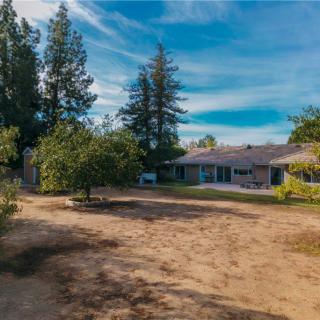
  • Garden GardenGardens are important for seniors as they provide a peaceful and therapeutic environment for relaxation, physical activity, and socialization. Being in nature has been shown to reduce stress, improve mood, and promote overall well-being. Gardens also offer opportunities for seniors to engage in gardening activities, which can improve mobility, flexibility, and cognitive function. Additionally, gardens create a sense of community and connection with others who share a passion for plants and outdoor spaces.
  • Housekeeping services Housekeeping servicesHousekeeping services are important for seniors because they help maintain a clean and safe living environment, promote independence, and reduce the risk of accidents or illnesses. Additionally, having assistance with household chores can alleviate physical strain and allow seniors to focus on other aspects of their well-being.
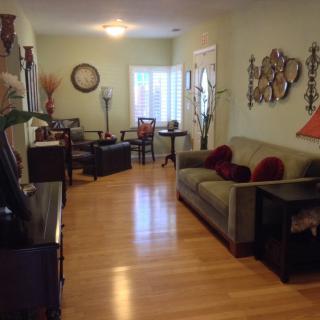
  • Indoor common areas Indoor common areasIndoor common areas are crucial for seniors as they provide a space for socialization, recreation, and community engagement, promoting overall well-being and reducing feelings of isolation and loneliness.
  • Move-in coordination Move-in coordinationMove-in coordination is important for seniors because it helps ease the transition into their new living environment. It ensures that all logistics, such as packing, organizing movers, and setting up utilities are taken care of, allowing seniors to focus on settling in and adjusting to their new home. Having a smooth move-in process can alleviate stress and anxiety, making the transition smoother and more enjoyable for seniors.
  • Outdoor common areas Outdoor common areasOutdoor common areas are important for seniors as they provide a space for socialization, physical activity, and relaxation. Being outside in nature can improve mood and overall well-being, while also encouraging movement and engagement with others. These spaces can help combat feelings of isolation and promote a sense of community among residents.
  • Outdoor space Outdoor spaceOutdoor spaces are important for seniors as they provide opportunities for physical activity, social interaction, exposure to natural light and fresh air, and a sense of connection to nature. Having access to outdoor spaces can improve overall well-being and quality of life for older adults living in senior communities.
  • Private PrivatePrivacy is important for seniors as it allows them to maintain their independence, dignity, and sense of control over their own lives. It also gives them the space and freedom to relax, reflect, and engage in activities that bring them joy and fulfillment. Creating private spaces within senior living facilities is crucial for promoting overall well-being and quality of life.
  • Private bathrooms Private bathroomsPrivate bathrooms are important for seniors in senior living communities because they provide independence, dignity, and comfort. Having a private bathroom allows seniors to maintain their personal hygiene routines without the need for assistance, promoting a sense of autonomy and privacy. Additionally, private bathrooms help prevent the spread of infections and provide a safe and clean environment for seniors to navigate safely.
  • Respite or short term stays offered Respite or short term stays offeredRespite or short term stays provide seniors with a temporary solution when their regular caregiver is unavailable, offering them the opportunity to receive additional care and support during times of need, while also giving caregivers a chance to rest and recharge.
  • Telephone TelephoneTelephones are important for seniors as they provide a lifeline for communication with loved ones, emergency services, and healthcare providers. They offer a sense of security and independence, enabling seniors to stay connected and access assistance when needed.
  • Wi-Fi/high-speed internet available Wi-Fi/high-speed internet availableWi-Fi/high-speed internet is important for seniors to stay connected with loved ones, access online resources, and participate in virtual activities to combat feelings of loneliness and isolation. It also allows them to easily manage healthcare needs, access entertainment, and engage in lifelong learning opportunities.

Transportation

  • Burbank-Glendale-Pasadena (6 miles away) Burbank-Glendale-Pasadena (6 miles away)
  • Los Angeles International (21 miles away) Los Angeles International (21 miles away)

Care Services

  • 24-hour supervision 24-hour supervision24-hour supervision is important for seniors to ensure their safety, well-being, and access to immediate assistance in case of emergencies or health issues. This constant support provides peace of mind for both seniors and their loved ones, allowing them to age in place with dignity and security.
  • Activities of daily living assistance Activities of daily living assistanceActivities of daily living assistance are important for seniors because they provide essential support with tasks such as eating, bathing, dressing, and mobility. This assistance helps seniors maintain their independence, dignity, and overall quality of life as they age.
  • Ambulatory care Ambulatory care"Ambulatory care services provide essential medical support and treatment to seniors without requiring hospitalization, allowing them to maintain their independence and quality of life while managing chronic conditions or receiving routine medical care."
  • Assistance with bathing Assistance with bathingAssistance with bathing is crucial for seniors as it helps maintain personal hygiene, prevents infections, and ensures their overall well-being and comfort. It also provides a sense of dignity and independence for seniors who may struggle with this task on their own.
  • Assistance with dressing Assistance with dressingAssistance with dressing is important for seniors because it helps maintain their independence, promotes personal hygiene, prevents accidents and injuries, and improves overall quality of life. This service ensures that seniors can continue to dress comfortably and confidently, despite any physical limitations they may have.
  • Assistance with transfers Assistance with transfersAssistance with transfers is crucial for seniors as it helps prevent falls and injuries, maintains their independence, and ensures they can safely navigate their living environment. It also provides peace of mind for both seniors and their loved ones.
  • Coordination with health care providers Coordination with health care providersCoordination with health care providers is crucial for seniors to ensure proper medical care, medication management, and overall well-being. This collaboration helps prevent overlapping treatments, track progress more effectively, and provide comprehensive support tailored to individual needs.
  • Diabetes diet Diabetes dietA diabetes diet is crucial for seniors as it helps manage blood sugar levels, reduce risks of complications, and improve overall health and well-being. By following a balanced and nutritious diet tailored to their specific needs, seniors can better control their diabetes and enhance their quality of life.
  • Diabetic care Diabetic careDiabetic care is crucial for seniors as they are more susceptible to developing diabetes due to aging and other health conditions. Proper management of diabetes can help prevent complications such as heart disease, vision loss, and nerve damage, improving the overall quality of life for seniors in senior living communities.
  • High acuity care High acuity careHigh acuity care is important for seniors because it provides specialized medical attention and support for individuals with complex medical needs. This level of care ensures that seniors receive the appropriate treatment and assistance to maintain their health and quality of life as they age.
  • Incontinence care Incontinence careIncontinence care is essential for seniors to maintain their dignity, hygiene, and overall quality of life. By addressing incontinence issues promptly and effectively, seniors can enjoy a sense of independence and comfort in their daily activities.
  • Meal preparation and service Meal preparation and serviceMeal preparation and service are crucial for seniors as they may have limited mobility or energy to cook nutritious meals. Having access to healthy and convenient food options can ensure they are getting the proper nutrition needed to maintain their overall health and well-being.
  • Medication management Medication managementMedication management is crucial for seniors to ensure they are taking the right medications at the correct dosages and times. This helps prevent adverse drug interactions, reduces the risk of medication errors, and promotes overall health and well-being. Proactive management also allows for adjustments as needed based on changing health conditions or new prescriptions.
  • Special dietary restrictions Special dietary restrictionsSpecial dietary restrictions are important for seniors because age-related changes in metabolism and health conditions can make it difficult for their bodies to process certain foods. By following a diet tailored to their specific needs, seniors can maintain their overall health and well-being, manage chronic conditions, and reduce the risk of complications such as malnutrition or food interactions with medications.
  • Transportation arrangement (medical) Transportation arrangement (medical)Transportation arrangements for medical purposes are essential for seniors as they may have difficulty driving themselves to appointments or accessing public transportation. Having reliable and safe transportation options ensures that seniors can receive timely medical care and maintain their health and well-being.
  • Transportation to doctors appointments Transportation to doctors appointmentsTransportation to doctors' appointments is crucial for seniors as it ensures they have access to necessary medical care and support for their health needs. Without reliable transportation, seniors may struggle to attend important appointments, leading to potential delays in treatment and health complications. Providing transportation services helps seniors maintain their overall well-being and quality of life.

Dining

  • Diabetes diet Diabetes dietA diabetes diet is crucial for seniors as it helps manage blood sugar levels, reduce risks of complications, and improve overall health and well-being. By following a balanced and nutritious diet tailored to their specific needs, seniors can better control their diabetes and enhance their quality of life.
  • Meals provided Meals provided"Meals provided" are crucial for seniors in assisted living communities as it ensures they have access to nutritious, balanced meals without the stress of meal planning and preparation. This can help promote overall health and well-being for seniors who may have limited mobility or cognitive abilities.
  • Special dietary restrictions Special dietary restrictionsSpecial dietary restrictions are important for seniors because age-related changes in metabolism and health conditions can make it difficult for their bodies to process certain foods. By following a diet tailored to their specific needs, seniors can maintain their overall health and well-being, manage chronic conditions, and reduce the risk of complications such as malnutrition or food interactions with medications.

Activities

  • Activities off-site Activities off-siteEngaging in off-site activities is crucial for seniors to maintain social connections, stay active, and stimulate their minds. It promotes overall well-being and helps combat feelings of isolation and loneliness.
  • Activities on-site Activities on-siteActivities on-site are important for seniors because they provide opportunities for socialization, mental stimulation, physical activity, and overall well-being. Engaging in activities can help seniors stay active, maintain their independence, and improve their quality of life.
  • Community-sponsored activities Community-sponsored activitiesCommunity-sponsored activities are important for seniors as they provide opportunities for social interaction, mental stimulation, and physical activity. These activities can help improve overall well-being, combat loneliness and isolation, and promote a sense of belonging and purpose among older adults.
  • Devotional activities on-site Devotional activities on-siteDevotional activities on-site provide seniors with a sense of community, spiritual fulfillment, and emotional support, promoting overall well-being and a positive sense of purpose in their lives.
  • Scheduled daily activities Scheduled daily activitiesScheduled daily activities are important for seniors because they provide structure, socialization, mental stimulation, and physical activity. Engaging in regular activities can improve overall well-being and quality of life for seniors living in a community setting.

Description

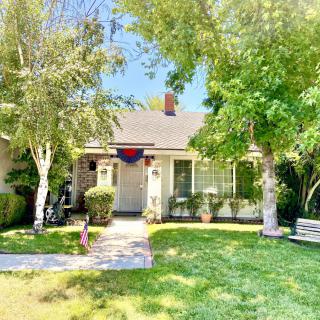
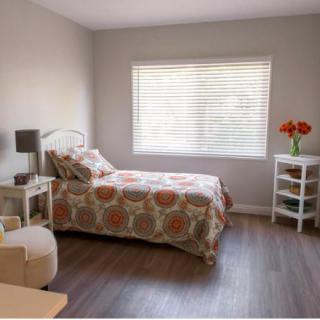
Twin Oaks Guest Home in La Crescenta, CA is a board and care home that offers a range of amenities and care services to its residents. The community provides fully furnished private rooms with private bathrooms, ensuring comfort and privacy for each resident.

Residents can enjoy a variety of on-site activities and participate in community-sponsored events. There are indoor and outdoor common areas where residents can socialize and spend time with friends and family. The beautiful garden provides a peaceful and serene environment for relaxation.

Daily housekeeping services ensure that the living spaces are clean and well-maintained. Residents can also take advantage of move-in coordination services to make the transition into the community as smooth as possible.

The dedicated care staff at Twin Oaks Guest Home provides assistance with daily living activities such as bathing, dressing, and transfers. They also offer coordination with healthcare providers to ensure the residents' medical needs are met. Specialized care for diabetes management, high acuity conditions, incontinence, and medication management is available.

Nutritious meals are provided to the residents, with special dietary restrictions taken into consideration. Transportation arrangements for medical appointments are offered for convenience.

Located in La Crescenta, there are cafes, parks, pharmacies, restaurants, theaters, and hospitals nearby for easy access to amenities and healthcare facilities.

Twin Oaks Guest Home is committed to providing personalized care in a comfortable and supportive environment for seniors requiring assisted living services.

Nearby Places of Interest

This part of La Crescenta, California, offers a convenient and bustling neighborhood with a variety of amenities nearby. With several pharmacies, restaurants, cafes, theaters, parks, hospitals, and transportation options within a short distance, seniors can easily access the services they need. The area is also home to popular dining spots such as In-N-Out Burger and Din Tai Fung, providing opportunities for enjoyable meals out. Additionally, proximity to hospitals like Glendale Adventist Medical Center and Providence St Joseph Medical Center ensures seniors have access to quality healthcare when needed. Overall, this neighborhood provides a vibrant and well-connected environment for senior living.

Pharmacies

  • CVS Pharmacy (2 miles)
  • CVS Pharmacy (2.2 miles)
  • Walgreens (4.3 miles)
  • Walgreens (4.3 miles)
  • CVS Pharmacy (4.3 miles)
  • Rite Aid (4.5 miles)
  • CVS Pharmacy (4.6 miles)

Restaurants

  • Castaway (3.2 miles)
  • In-N-Out Burger (4.5 miles)
  • Wendy's (4.9 miles)
  • Porto's Bakery & Cafe (4.9 miles)
  • In-N-Out Burger (5.2 miles)
  • In-N-Out Burger (5.2 miles)
  • Din Tai Fung (5.4 miles)

Theaters

  • AMC Burbank 16 (4.4 miles)
  • AMC The Americana at Brand 18 (5.4 miles)
  • Universal Cinema AMC at CityWalk Hollywood (8.3 miles)
  • TCL Chinese Theatre (9.7 miles)

Cafes

  • Starbucks (4.6 miles)
  • Starbucks (5.5 miles)
  • Starbucks (5.7 miles)
  • Starbucks (7.1 miles)
  • Proof Bakery (7.3 miles)
  • Starbucks (8.1 miles)
  • Starbucks (8.1 miles)

Parks

  • Hahamongna Watershed Park (4.7 miles)
  • Brookside Park (6.9 miles)
  • Glassell Park Recreation Center (7.3 miles)
  • Lake Hollywood Reservoir (7.7 miles)
  • Cleland Ave Bicentennial Park (7.8 miles)
  • Lake Hollywood Park (7.8 miles)
  • Arroyo Seco Park (8.7 miles)

Hospitals

  • Glendale Adventist Medical Center (5 miles)
  • Medical 2 unit (5.1 miles)
  • Providence St Joseph Medical Center (6.3 miles)
  • Huntington Memorial Hospital Nicu (8.2 miles)

Transportation

  • Terminal A (6 miles)
  • Hollywood Burbank Airport (BUR) (6.1 miles)
  • Baggage Claim (6.1 miles)
  • Burbank Airport Ride Share Pick Up (6.2 miles)
  • North Hollywood Metro Station (8.1 miles)
  • Universal City Metro Station (8.5 miles)

Frequently Asked Questions

How much does it cost to live at Twin Oaks Guest Home in La Crescenta, CA?
Where is Twin Oaks Guest Home?

Nearby Communities

  • La Crescenta Healthcare Center

    La Crescenta Healthcare Center

    La Crescenta, CA

    3.8 from 16 reviews
     

    pro Private furnished rooms with private bathrooms, 24/7 supervision, meal service (restaurant-style dining), and transportation support.

  • Summerlong

    Summerlong

    La Crescenta, CA

     
    $1,800 to $2,700 / month

    pro Specialized memory care with competitive pricing relative to LA County and CA averages.

  • No Place Like Home For Golden Ages 3

    No Place Like Home For Golden Ages 3

    La Crescenta, CA


    pro Small, home-like setting with personalized care.

  • Twelve Oaks Senior Living

    Twelve Oaks Senior Living

    Glendale, CA

    4.1 from 35 reviews
    $3,700 to $4,500 / month

    pro Friendly, accommodating staff in a renovated, park-like setting with engaging activities.

  • Verdugo Valley Skilled Nursing & Wellness Center

    Verdugo Valley Skilled Nursing & Wellness Center

    Montrose, CA


    pro Extensive amenities and 24/7 supervision.

  • Sparr Heights Estates Senior Living

    Sparr Heights Estates Senior Living

    Montrose, CA

    4.3 from 61 reviews
    $3,900 to $5,420 / month

    pro Friendly, caring staff and a clean, engaging environment with good dining and activities.

  • Belmont Village Burbank

    Belmont Village Burbank

    Burbank, CA

    4.8 from 137 reviews
    $5,250 to $8,125 / month

    pro Strong staff, engaging activities, and comprehensive on-site care and amenities.

  • Solheim Senior Community

    Solheim Senior Community

    Los Angeles, CA

    4.5 from 63 reviews
    $3,600 to $4,790 / month

    pro Caring staff, engaging activities, and a home-like environment.

  • Ivy Park At Burbank

    Ivy Park At Burbank

    Burbank, CA

    4 from 53 reviews
     

    pro Caring staff with active memory-care programs and a convenient location.

Related Resources

  • assisted living costUnderstanding the True Cost of Assisted Living in 2025: A Comprehensive Guide

    Assisted living in 2025 offers a crucial balance of independence and support for seniors, with costs varying from $2,500 to over $7,000 per month based on factors such as location and care level. Understanding pricing complexities, including regional differences and potential hidden fees, is essential for families to plan financially while ensuring quality care for their loved ones.

  • does medicaid pay for assisted livingUnderstanding Medicaid Coverage for Assisted Living: A Comprehensive Guide

    The guide outlines the complexities of Medicaid coverage for assisted living, highlighting significant state-to-state variations, limited coverage often restricted to personal care services, and the existence of specialized waivers for certain needs like memory care. It advises families to consult local Medicaid offices for options while emphasizing the importance of understanding state-specific regulations and facility policies.

  • does medicaid pay for assisted livingHow and When Medicaid May Cover Assisted Living Costs

    Medicaid coverage for assisted living varies by state and is primarily available to low-income individuals, with eligibility dependent on strict income and asset limits. Some states offer HCBS waivers for specific services in assisted living, but families must generally cover room and board costs, and should verify facility acceptance of Medicaid while considering potential waiting lists.