
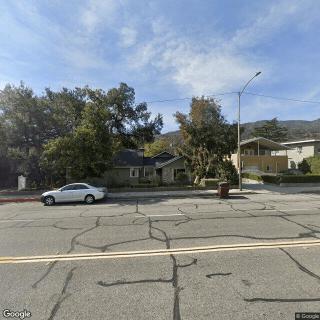
3754 Montrose Avenue, La Crescenta, CA 91214
For more information about senior living options: (866) 208-4318
Overall Review of No Place Like Home For Golden Ages 3
Pros
 La Crescenta Health Care Center's staff are professional and well organized.
- The nurse aides are excellent, kind, and caring to patients.
- The facility is kept clean and orderly, providing a peaceful environment.
- La Crescenta's management and administrative team are exemplary.
- Medically, the center delivers high-quality care and helps patients regain health.
- The staff are amazing and the environment is great; many would recommend the facility.
- The COVID-19 vaccination program demonstrates the center's generosity and community commitment.
- The rehabilitation department is among the best, with caring, capable therapists.
- The physical and occupational therapy teams are efficient, knowledgeable, and effective at helping patients become ambulatory.
- The facility welcomes visits and even allows well-behaved pets, creating a warm, welcoming atmosphere.
Cons
 They charged insurance for a meal consisting of bread, cheese, and bologna.
- They billed $180 to insurance for an eyeglasses fitting that never resulted in receiving glasses.
- Transportation was canceled after release, leaving the patient needing help to get upstairs.
- They offered transportation for $200 cash or a check made out to "cash," which felt suspicious.
- A nurse and administrator refused to help an injured man at the scene due to liability concerns.
- The reviewer would not trust the facility to care for elderly patients given the observed lack of compassion.
- The environment was described as depressing due to a large number of severely disabled residents.
- Night staffing was thin.
Review
This community is best suited for families seeking post-acute rehabilitation and mobility recovery where the priority is strong physical and occupational therapy, a clean and organized environment, and compassionate daily care. The staff win high marks for kindness, professionalism, and hands-on assistance, and the rehab team is repeatedly described as effective at helping residents regain or maintain function. Cleanliness and orderly operations are recurrent positives, with visitors noting pleasant treatment in therapy, well-maintained common areas, and a supportive atmosphere for supervised activities. For families prioritizing recovery milestones, rehab-driven progress, and a facility that can deliver structured routines, this location can be a practical choice.
However, it is wise to consider alternatives for those who require more than episodic post-acute care or insist on ironclad transparency and reliability in every transfer or service charge. Several reviews raise caution flags about billing and ancillary charges, including a troubling charity-case anecdote around an ambulance transfer and what appears to be questionable cash-based transactions. Meal quality is also inconsistant enough to matter for daily living, and there are reports of a minimal food option in at least one instance. These elements suggest that if long-term custodial needs or uncompromising clarity on charges are primary concerns, other communities may deliver greater peace of mind.
The core pros, exceptional rehabilitation services, attentive nursing aides, and a consistently clean setting, often offset the main drawbacks when the emphasis is on getting residents back on their feet. Therapists are described as efficient, knowledgeable, and oriented toward real progress, with residents moving from bed to mobility more quickly than expected given their condition. The environment supports activity and engagement: an activity room, accessible outdoor spaces, and even dog-friendly visiting. When the objective is to maximize functional gains and maintain a respectful, well-run milieu, these strengths carry real weight and justify consideration even in the face of some administrative friction.
Yet the cons cannot be dismissed. Nighttime staffing is described as lean, which can impact bedside responsiveness and perceived security during nocturnal hours. A notable incident in one review highlights a moment where staff reportedly refused aid due to liability concerns, illustrating a potential culture gap between empathetic care and policy-driven caution, an issue that families should probe directly. Billing quirks and transportation bottlenecks further complicate the experience, suggesting that while the facility may perform well clinically, the administrative and logistical framework deserves close scrutiny. For those managing complex schedules or relying on third-party payers, these items can meaningfully affect overall satisfaction and financial predictability.
For decision-making, approach this community as a rehabilitation-focused asset with a caveat on operations and long-term reliability. Prospective residents should demand quantitative targets: average daily therapy minutes, nighttime staffing ratios, and discharge planning timelines. Ask for a transparent breakdown of all charges tied to services, transport, and ancillary assessments, and request written policies for post-discharge arrangements to prevent last-minute surprises. Visit with the therapy director to confirm that individualized goals align with the residentā€™s recovery plan, and verify that dietary services can accommodate preferences and restrictions without resorting to minimal fare options. Finally, seek to understand how staff escalation and grievance processes work, so concerns can be resolved without friction.
verdict: When recovery and rehabilitative momentum are the primary objectives, this community stands out as a strong option. The combination of skilled therapy, consistent cleanliness, and a caring caregiving team provides real value for residents working back to independence. However, for families who require unwavering operational transparency, dependable 24/7 oversight, and absolutely predictable billing, alternatives may offer greater reassurance. Weigh the emphasis on functional gains against the potential for billing ambiguity and nighttime staffing gaps, and tailor the choice to whether recovery progress or administrative predictability drives the decision.
 6 resident community capacity
 Assisted Living
 Board and Care Home
 Cable or satellite TV
 Dining room
 Fully furnished
 Garden
 Housekeeping services
 Move-in coordination
 Outdoor space
 Telephone
 Wi-Fi/high-speed internet available
 Burbank-Glendale-Pasadena (6 miles away)
 24-hour supervision
 Activities of daily living assistance
 Assistance with bathing
 Assistance with dressing
 Assistance with transfers
 Diabetes diet
 Meal preparation and service
 Medication management
 Special dietary restrictions
 Transportation arrangement (medical)
 Transportation to doctors appointments




 Understanding the True Cost of Assisted Living in 2025: A Comprehensive Guide
 Understanding Medicaid Coverage for Assisted Living: A Comprehensive Guide
 How and When Medicaid May Cover Assisted Living Costs