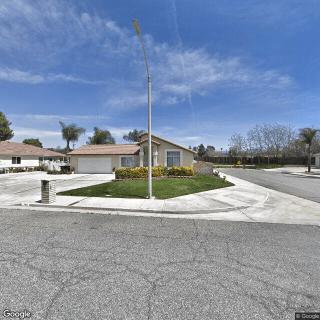
Villa San Juan Board & Care For The Elderly 2

786 De Passe Way, Hemet, CA 92544

For more information about senior living options: (844) 490-3973

3.4 from 5 reviews
5 stars
3
4 stars
0
3 stars
0
2 stars
0
1 stars
2

Assisted Living Board and Care Home

Overall Review of Villa San Juan Board & Care For The Elderly 2

Pros

  • pro Villa San Juan Board & Care is described as a wonderful home where the Aunt Ethel lived and loved it.
  • pro The mom on hospice received excellent care, including dietary management, which was credited with extending her life in grace.
  • pro Family members were welcomed to visit regularly (5?7 days a week) and felt involved.
  • pro The staff communicated openly about the mother's health and moods, with dedicated emotional support from Dory.
  • pro The reviewer would highly recommend Villa San Juan Board & Care to others.

Cons

  • pro They did not notify the family when the resident's health declined.
  • pro There were no activities or outings for the residents, despite promises.
  • pro The place was described as deceptive, with smiles masking poor care.
  • pro It was alleged that hospice payments influenced care decisions to benefit the facility.
  • pro The resident reportedly did not receive adequate pain management and was given Tylenol instead of prescribed medications.
  • pro A wheelchair brought by the family was not returned and disagreements over belongings occurred.
  • pro The owner was often unavailable in person or by phone when concerns were raised.
  • pro The reviewer urged others to be cautious and warned that the facility could be harmful, planning to report the issues to authorities.

Review

Villa San Juan Board & Care has been described by several family members in starkly different terms, reflecting a range of experiences that color the facility in both praise and caution. On one hand, a family story recounts a painful, abrupt exit after a very short stay. The storyteller recalls watching troubling things unfold during their mother's time there and says their mother herself cried out to be removed. In response, they moved their mother out of the place, signaling a decisive break from what was observed in those early days.

Before the move, during an interview with the woman who owns the home, the family was told about all the activities and excursions that residents would be taken to. The account asserts it sounded too good to be true, yet they chose to take a chance and place their loved one in the care of Villa San Juan with the hope that it would be a good fit. However, the narrative goes on to claim that, once the mom was living there, the owner only took residents out on only one occasion, and there were no meaningful activities to speak of. The owner allegedly boasted about a social worker who visited the facility, describing that person as a very good friend of hers, a detail that the reviewer notes with a mix of bewilderment and concern.

In contrast to this troubling account, another review presents a deeply positive picture of Villa San Juan. The writer describes a wonderful home where their Aunt Ethel lived and, later, where their own mother joined while on hospice care. This reviewer asserts there was never a negative experience in caring for their mother. They recount a medical prognosis of six months to live, with their mother ultimately receiving 18 months of extended grace, a lifespan they attribute to the "wonderful care and dietary management" provided at the facility. The writer emphasizes their frequent presence, visiting five to seven days a week, day and night, and states they were always welcome. They highlight being very involved in their mother's care, maintaining open communication with caregivers, nurses, a case worker, and even a minister. They also mention Dory as offering emotional support. The overall message is a strong endorsement: families should stay engaged, and Villa San Juan Board & Care is a place they would highly recommend to others.

But another voice emerges with a stark warning to prospective families. This reviewer urges not to place loved ones there, arguing that the facility will not notify families when a resident's health is failing. They claim hospice was the reliable source of such notices, and that the facility did not inform them adequately when their loved one's condition declined. The reviewer links this lack of communication to a larger accusation: facilities that work with hospice receive substantial payments for clients on hospice care, implying a financial incentive to maintain a certain narrative of stability. The writer shares a painful sequence in which they were finally informed of significant changes and, with hospice involvement, were compelled to bring their loved one home - who then passed away less than 24 hours later. They state they will report what they witnessed to the Social Security Department and express intent to pursue further action with an attorney.

This strongly negative account also paints a picture of pain management neglect. The reviewer claims that, if a patient on hospice needed pain medication directed by hospice, the staff would give only Tylenol rather than appropriate medications, leaving their loved one in considerable distress. They describe a scenario in which a grandmother was in significant pain and crying, and the reviewer characterizes the caregivers as indifferent. Allegations of broader misbehavior surface, including references to the possible withholding or mishandling of a wheelchair and a refusal to return belongings that belonged to the grandmother. The reviewer states that the owner was unreachable in person or by phone during the critical moments. The closing message is a fervent plea to others to be cautious and to protect loved ones, ending with a firm declaration that they have retained legal counsel and that the person in charge will have to answer for what happened.

Taken together, these narratives present a facility whose care appears highly dependent on factors such as staff engagement, family involvement, and the coordination with hospice services. One family member's experience highlights the positive potential of attentive, proactive care, regular communication, and active participation by the family in the resident's daily life. In sharp contrast, another family lays out a case of alleged neglect, miscommunication, possible mishandling of medications and equipment, and financial concerns tied to hospice care, urging readers to approach the place with vigilance and skepticism. The spectrum of testimony suggests that Villa San Juan Board & Care can be a comforting home for some, while for others it has been associated with fear, frustration, and serious concerns about safety and transparency.

For anyone considering Villa San Juan Board & Care, these accounts underscore the importance of thorough due diligence. Prospective families might want to verify references directly, visit frequently and at varied times, ask pointed questions about activities, outings, and staff turnover, and confirm the facility's protocols for notifying families about changes in health status. It may also be wise to discuss hospice coordination and pain management plans in detail, review any bills or financial arrangements, and assess how the facility handles personal belongings and equipment. Ultimately, a decision about care should weigh both the reported positives - engaged families, attentive staff, and open communication when possible - and the serious concerns raised by other families who have described troubling experiences.

Features

Housing

  • 6 resident community capacity 6 resident community capacity

Types of Care

  • Assisted Living Assisted LivingAssisted living facilities provide crucial support and care for seniors who may need help with daily tasks such as medication management, bathing, and meal preparation. These communities offer a safe and comfortable environment where seniors can maintain their independence while receiving the assistance they need to thrive in their golden years.
  • Board and Care Home Board and Care HomeBoard and care homes provide a smaller, more intimate setting for seniors who require assistance with daily tasks but do not need the level of care offered by a nursing home. They offer personalized care, meals, and social activities in a homelike environment, ensuring that seniors receive individualized attention and support in their golden years.

Amenities

  • Cable or satellite TV Cable or satellite TVCable or satellite TV is important for seniors because it provides entertainment, news, and companionship, helping to combat loneliness and boredom. It also offers a wide range of programming options tailored to different interests and preferences.
  • Dining room Dining roomDining rooms are important for seniors as they provide a space for socialization, connection, and nutritious meals. They offer opportunities for residents to bond over shared meals, foster a sense of community, and promote healthy eating habits. Dining rooms also ensure that seniors have access to well-balanced meals tailored to their dietary needs and preferences.
  • Fully furnished Fully furnishedFully furnished senior living communities are important for seniors because they provide convenience, comfort, and a hassle-free moving experience. Seniors can easily settle into their new living space without the stress of having to buy and move furniture. This allows them to focus on enjoying their new home and community.
  • Garden GardenGardens are important for seniors as they provide a peaceful and therapeutic environment for relaxation, physical activity, and socialization. Being in nature has been shown to reduce stress, improve mood, and promote overall well-being. Gardens also offer opportunities for seniors to engage in gardening activities, which can improve mobility, flexibility, and cognitive function. Additionally, gardens create a sense of community and connection with others who share a passion for plants and outdoor spaces.
  • Housekeeping services Housekeeping servicesHousekeeping services are important for seniors because they help maintain a clean and safe living environment, promote independence, and reduce the risk of accidents or illnesses. Additionally, having assistance with household chores can alleviate physical strain and allow seniors to focus on other aspects of their well-being.
  • Move-in coordination Move-in coordinationMove-in coordination is important for seniors because it helps ease the transition into their new living environment. It ensures that all logistics, such as packing, organizing movers, and setting up utilities are taken care of, allowing seniors to focus on settling in and adjusting to their new home. Having a smooth move-in process can alleviate stress and anxiety, making the transition smoother and more enjoyable for seniors.
  • Outdoor space Outdoor spaceOutdoor spaces are important for seniors as they provide opportunities for physical activity, social interaction, exposure to natural light and fresh air, and a sense of connection to nature. Having access to outdoor spaces can improve overall well-being and quality of life for older adults living in senior communities.
  • Telephone TelephoneTelephones are important for seniors as they provide a lifeline for communication with loved ones, emergency services, and healthcare providers. They offer a sense of security and independence, enabling seniors to stay connected and access assistance when needed.
  • Wi-Fi/high-speed internet available Wi-Fi/high-speed internet availableWi-Fi/high-speed internet is important for seniors to stay connected with loved ones, access online resources, and participate in virtual activities to combat feelings of loneliness and isolation. It also allows them to easily manage healthcare needs, access entertainment, and engage in lifelong learning opportunities.

Care Services

  • 24-hour supervision 24-hour supervision24-hour supervision is important for seniors to ensure their safety, well-being, and access to immediate assistance in case of emergencies or health issues. This constant support provides peace of mind for both seniors and their loved ones, allowing them to age in place with dignity and security.
  • Activities of daily living assistance Activities of daily living assistanceActivities of daily living assistance are important for seniors because they provide essential support with tasks such as eating, bathing, dressing, and mobility. This assistance helps seniors maintain their independence, dignity, and overall quality of life as they age.
  • Assistance with bathing Assistance with bathingAssistance with bathing is crucial for seniors as it helps maintain personal hygiene, prevents infections, and ensures their overall well-being and comfort. It also provides a sense of dignity and independence for seniors who may struggle with this task on their own.
  • Assistance with dressing Assistance with dressingAssistance with dressing is important for seniors because it helps maintain their independence, promotes personal hygiene, prevents accidents and injuries, and improves overall quality of life. This service ensures that seniors can continue to dress comfortably and confidently, despite any physical limitations they may have.
  • Assistance with transfers Assistance with transfersAssistance with transfers is crucial for seniors as it helps prevent falls and injuries, maintains their independence, and ensures they can safely navigate their living environment. It also provides peace of mind for both seniors and their loved ones.
  • Coordination with health care providers Coordination with health care providersCoordination with health care providers is crucial for seniors to ensure proper medical care, medication management, and overall well-being. This collaboration helps prevent overlapping treatments, track progress more effectively, and provide comprehensive support tailored to individual needs.
  • Diabetes diet Diabetes dietA diabetes diet is crucial for seniors as it helps manage blood sugar levels, reduce risks of complications, and improve overall health and well-being. By following a balanced and nutritious diet tailored to their specific needs, seniors can better control their diabetes and enhance their quality of life.
  • Meal preparation and service Meal preparation and serviceMeal preparation and service are crucial for seniors as they may have limited mobility or energy to cook nutritious meals. Having access to healthy and convenient food options can ensure they are getting the proper nutrition needed to maintain their overall health and well-being.
  • Medication management Medication managementMedication management is crucial for seniors to ensure they are taking the right medications at the correct dosages and times. This helps prevent adverse drug interactions, reduces the risk of medication errors, and promotes overall health and well-being. Proactive management also allows for adjustments as needed based on changing health conditions or new prescriptions.
  • Special dietary restrictions Special dietary restrictionsSpecial dietary restrictions are important for seniors because age-related changes in metabolism and health conditions can make it difficult for their bodies to process certain foods. By following a diet tailored to their specific needs, seniors can maintain their overall health and well-being, manage chronic conditions, and reduce the risk of complications such as malnutrition or food interactions with medications.
  • Transportation arrangement (medical) Transportation arrangement (medical)Transportation arrangements for medical purposes are essential for seniors as they may have difficulty driving themselves to appointments or accessing public transportation. Having reliable and safe transportation options ensures that seniors can receive timely medical care and maintain their health and well-being.
  • Transportation to doctors appointments Transportation to doctors appointmentsTransportation to doctors' appointments is crucial for seniors as it ensures they have access to necessary medical care and support for their health needs. Without reliable transportation, seniors may struggle to attend important appointments, leading to potential delays in treatment and health complications. Providing transportation services helps seniors maintain their overall well-being and quality of life.
Dining

  • Diabetes diet Diabetes dietA diabetes diet is crucial for seniors as it helps manage blood sugar levels, reduce risks of complications, and improve overall health and well-being. By following a balanced and nutritious diet tailored to their specific needs, seniors can better control their diabetes and enhance their quality of life.
  • Special dietary restrictions Special dietary restrictionsSpecial dietary restrictions are important for seniors because age-related changes in metabolism and health conditions can make it difficult for their bodies to process certain foods. By following a diet tailored to their specific needs, seniors can maintain their overall health and well-being, manage chronic conditions, and reduce the risk of complications such as malnutrition or food interactions with medications.

Activities

  • Community-sponsored activities Community-sponsored activitiesCommunity-sponsored activities are important for seniors as they provide opportunities for social interaction, mental stimulation, and physical activity. These activities can help improve overall well-being, combat loneliness and isolation, and promote a sense of belonging and purpose among older adults.
  • Scheduled daily activities Scheduled daily activitiesScheduled daily activities are important for seniors because they provide structure, socialization, mental stimulation, and physical activity. Engaging in regular activities can improve overall well-being and quality of life for seniors living in a community setting.

Description

Villa San Juan Board & Care For The Elderly 2, located in Hemet, CA, is a warm and inviting assisted living community that provides exceptional care for seniors in need. Our home-like setting offers a range of amenities to ensure the comfort and well-being of our residents.

Our spacious dining room serves delicious meals that cater to special dietary restrictions, ensuring every resident receives the proper nutrition they need. Each room in our community is fully furnished, creating a cozy and familiar environment for our residents. Our housekeeping services ensure that all common areas and individual rooms are clean and well-maintained.

We understand the importance of staying connected in today's digital age, which is why we provide Wi-Fi/high-speed internet access throughout our community. Residents can easily communicate with loved ones or explore their interests online. For those who prefer outdoor activities, our beautiful garden provides a peaceful and serene space to relax or engage in light exercise.

At Villa San Juan Board & Care For The Elderly 2, we prioritize the health and well-being of our residents. Our dedicated staff assists with activities of daily living such as bathing, dressing, and transfers to ensure each resident's safety and comfort. We also coordinate with health care providers to provide comprehensive care for any specific medical needs.

Managing medications can be complex, but our experienced team takes care of medication management for each resident to ensure they receive the right dosage at the right time. Meal preparation and service are done by trained professionals who accommodate special dietary restrictions as needed.

Transportation arrangements are made for medical appointments or other outings, allowing residents to attend doctor's visits without any hassle. Additionally, scheduled daily activities keep residents engaged and entertained while fostering social connections within our community.

Villa San Juan Board & Care For The Elderly 2 benefits from its convenient location in Hemet, CA. There are several cafes, parks, pharmacies, physicians' offices, restaurants, places of worship, and a hospital in close proximity, ensuring that residents have easy access to essential services and entertainment options.

At Villa San Juan Board & Care For The Elderly 2, we strive to create a comfortable and caring environment where seniors can thrive. Our dedicated team is committed to providing exceptional care and support to our residents while promoting their independence, dignity, and overall well-being.

Nearby Places of Interest

Physicians

  • O'Brien Katharine M DO - Katharine Mary O'Brien, DO (0.8 miles)
  • California Vein Center (0.9 miles)
  • GI Excellence (0.9 miles)
  • Brown Hosea E MD (0.9 miles)
  • Hemet Heart Medical Ce (1 miles)
  • Madabhushi Sudha MD (1 miles)
  • Arul Doraiswamy (1 miles)

Pharmacies

  • CVS Pharmacy (0.9 miles)
  • Murphy's Rexall Drug (1 miles)
  • Inland Pharmacy (1 miles)
  • Medicine World Pharmacy (1.1 miles)
  • Sail Drug. A Good Neighbor Pharmacy (1.2 miles)
  • Sail Drug Center (1.2 miles)
  • Rite Aid (1.8 miles)

Restaurants

  • Little Caesars Pizza (0.9 miles)
  • J & M Family Restaurant (1.1 miles)
  • Emilio's Restaurant (1.9 miles)
  • Burger King (2.3 miles)
  • Chili's Grill & Bar (2.3 miles)
  • McDonald's (2.4 miles)
  • Applebee's (2.6 miles)

Hospitals

  • Hemet Healthcare Surgicenter (1.1 miles)
  • Loma Linda University Medical Center-Beaumont Asc (12.7 miles)

Parks

  • Mary Henley Park (2.5 miles)
  • Valley Wide Regional Park (3 miles)
  • Mcsweeny Park (3.2 miles)
  • Brookfield Park (11.8 miles)
  • Lago Vista Sports Park (12.2 miles)
  • Wheatfield Park (12.4 miles)
  • Idyllwild Community Playground (12.6 miles)

Cafes

  • Starbucks (3 miles)
  • Starbucks (3.7 miles)
  • Starbucks (4.7 miles)
  • Sharetea (12.9 miles)
  • Starbucks (13 miles)

Places of Worship

  • San Jacinto Assembly Of God Church (3.6 miles)

Transportation

  • Hemet-Ryan Airport (HMT) (3.8 miles)
  • Hemet Model Masters Air Park Terminal (5.6 miles)

Theaters

  • 2nd Street Cinema (12.9 miles)

Frequently Asked Questions

Where is Villa San Juan Board & Care For The Elderly 2?

Nearby Communities

Related Resources

  • when to move from assisted living to nursing home8 Key Indicators That Suggest It May Be Time to Transition from Assisted Living to Skilled Nursing Care

    The transition from assisted living to skilled nursing care is often prompted by complex medical needs that assisted living cannot meet, with key indicators including frequent health declines, increased falls, severe memory issues, and caregiver burnout. Families should recognize these signs early to discuss options with healthcare providers and prepare for the emotional and logistical aspects of moving to a facility that offers comprehensive medical support.

  • active senior livingVibrant Senior Living: A Comprehensive Guide for Active Older Adults

    Vibrant Senior Living emphasizes active senior living communities that promote independence and engagement through diverse amenities and activities, fostering wellness and social interaction among older adults. These communities range from independent to assisted living, with a focus on personal growth, family involvement, financial planning, and leveraging technology to enhance residents' experiences.

  • when to move from assisted living to memory careWhen to Transition from Assisted Living to Memory Care: Key Indicators, Steps, and Finding the Right Community

    Transitioning from assisted living to memory care is driven by an individual's cognitive decline and specific needs, requiring careful evaluation of indicators like increased confusion and wandering. The process involves consulting medical professionals, researching suitable communities, considering financial and legal aspects, and ensuring effective communication for personalized care plans.