
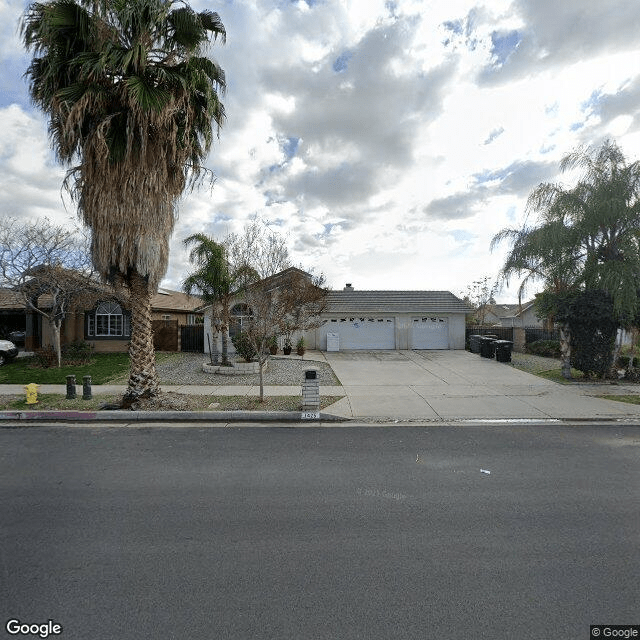
1425 East Whittier Avenue, Hemet, CA 92544
To contact a resident: (951) 765-5479
For more information about senior living options: (866) 208-4318
Whittier Board and Care Costs & Pricing
Whittier Board and Care offers competitive pricing for its residents compared to broader averages in Riverside County and the state of California. For semi-private rooms, Whittier Board and Care charges $1,800 per month, significantly lower than the county's average of $2,844 and the state average of $3,333. Similarly, their private room option is priced at $2,500 monthly, which is also more affordable than both Riverside County's average of $3,474 and California's average of $3,939. This pricing structure makes Whittier Board and Care an attractive choice for individuals seeking quality care in a cost-effective environment while still ensuring that residents receive essential services tailored to their needs.
| Floor plans | Whittier Board and Care | Riverside County | California |
|---|---|---|---|
| Semi-Private | $1,800 | $2,844 | $3,333 |
| Private | $2,500 | $3,474 | $3,939 |
Senior living communities with a similar price nearby
-
from +$200 / mo
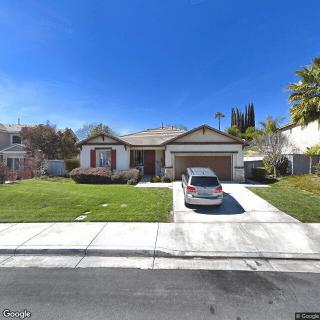
Temeku Hills Assisted Living
$2,000 to $2,800 / month16.8 miles away -
from +$200 / mo
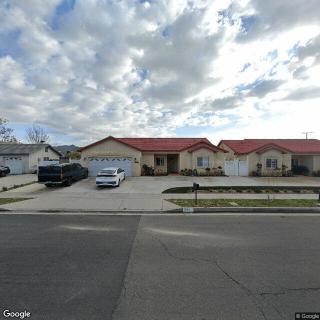
Vandelon 3
$2,000 to $3,000 / month0.0 miles away -
from +$200 / mo
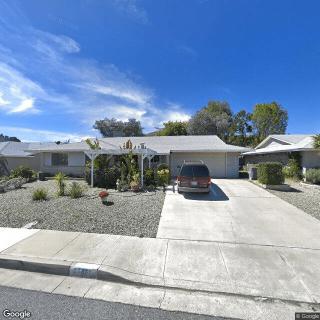
Angel Guardian Family
$2,000 to $2,400 / month14.6 miles away -
from +$200 / mo
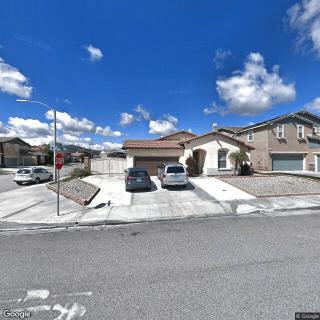
Spring Brook Home Care
$2,000 to $2,800 / month14.2 miles away -
from +$200 / mo
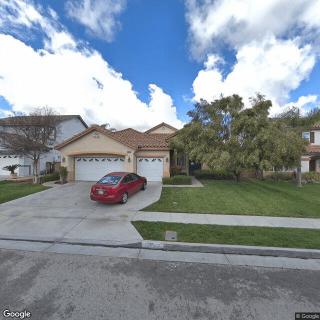
Sarah's Best Life
$2,000 to $2,500 / month13.8 miles away
Overall Review of Whittier Board and Care
Pros
 The manager is very patient with residents and provides them with detailed, helpful information.
- The home is clean and pleasant.
- The owner is personable and interactive with residents.
Review
Whittier Board and Care in Hemet, California, is best suited for seniors who want a clean, intimate, home-like setting where an owner-manager provides hands-on attention and direct access. This community works well for residents who are relatively independent but need daily check-ins, light assistance with activities of daily living, and ongoing companionship. The small-scale arrangement reduces the bustle of larger facilities and typically translates into clearer lines of communication with the decision-maker on site. Families seeking a warm, personal touch, with staff that takes time to explain options and walk through the care process, will likely find a good fit here. It is less appropriate for those requiring skilled nursing, complex medical oversight, or a broad suite of therapeutic services.
From the reviews, the core strengths are consistency in a clean, pleasant living environment and accessible, patient management. Residents are described as living in a clean home where the owner or manager is personable and actively interacts with people who live there. This combination matters, because it lowers anxiety around transition and daily routines. The ability of the manager to provide detailed information and practical help during the admissions process signals a responsive, hands-on culture. For families, that means fewer surprises and more confidence that the setting will reflect the expectations discussed during tours and inquiries. The emphasis on a caring, present leadership style helps mitigate the uncertainties that often accompany first-time placements.
However, the reviews leave several gaps that potential residents should weigh. There is no explicit mention of on-site licensed nursing coverage or the availability of skilled medical support, which is a decisive factor for anyone with ongoing health needs. The lack of third-party guarantees like guaranteed activity programming, transportation assistance, or specialized memory care plans is not addressed in these notes. The small sample size, four reviews with a middling 3.5 rating, means outcomes may vary and a few misalignments could significantly affect satisfaction. No details are given about meals, house rules, or emergency procedures, leaving families to verify these essential elements in person. In short, it’s strong on warmth and cleanliness but light on the formal care structure some residents require.
The strengths offset those gaps in practical terms for the right resident. Cleanliness, a calm atmosphere, and strong personal contact create a trustworthy baseline where families feel comfortable with daily oversight and problem resolution. The owner-manager's active involvement shortens the distance between resident needs and responses, which can prevent small issues from escalating. The intimate setting also supports frequent check-ins, social engagement through casual interactions, and a sense of belonging that can reduce isolation. For someone transitioning from living at home who fears impersonal care, these factors can be decisive advantages. Yet this same setup can become a limitation if health concerns escalate or if a resident requires fast access to skilled nursing, which the home-like model may not readily provide.
Families should enter with a clear checklist and verify critical services in writing. Confirm what level of assistance is offered with medications, bathing, mobility, and daily routines; ask for sample menus and opportunities to try meals; inquire about transportation to appointments or social activities; and inspect safety features such as grab bars, non-slip flooring, and bedside call systems. Request an introduction to current residents or their families to gauge satisfaction beyond the promotional impression. Schedule a face-to-face tour, and ask to see the actual living spaces, dining area, and communal spaces during different times of day. Clarify the terms of the contract, any turnover expectations, and potential price increases, so expectations remain aligned over time.
Overall, Whittier Board and Care appears best for seniors who value a homey, personal setting with a hands-on, approachable owner presence and are comfortable managing a lighter care footprint. It is a strong fit for families prioritizing cleanliness, calm, and direct access to leadership, where medical complexity is minimal. Those needing robust nursing oversight, extensive programming, or specialized memory care should consider alternatives, larger assisted living communities with licensed nursing staff and documented care plans. The move should be treated as a targeted fit rather than a broad solution. Schedule a visit, bring specific care questions, and compare against a few nearby options to ensure the chosen path aligns with the resident’s health needs, routines, and family expectations.
 Board and Care Home
 Activities off-site
 Bath tubs
 Beautician on-site
 Devotional services off-site
 Indoor common areas
 Outdoor common areas
 Private
 Private bathrooms
 Ambulatory care
 High acuity care
 Kosher


 Recognizing the Journey: Understanding and Navigating Anticipatory Grief
 Encouraging Participation in Adult Day Care: A Guide to Supporting a Hesitant Parent
 Comprehensive Exploration of Living Wills and Other Advance Directives