

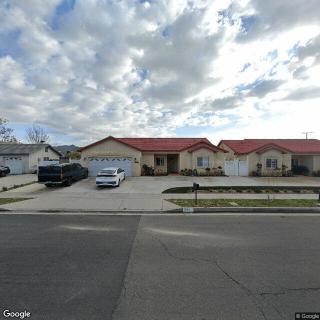
798 De Passe Way, Hemet, CA 92544
For more information about senior living options: (866) 208-4318
Overall Review of Villa San Juan Board & Care For Elderly
Pros
 Villa San Juan Board & Care is described as a wonderful home where a loved one received hospice care with attentive, compassionate support.
- The family could visit regularly and felt welcomed and involved in their loved one’s care.
- The care team, including caregivers, the nurse, the case worker, and the minister, kept the family updated about health and moods, with emotional support from Dory.
- The facility’s dietary management and overall care were credited with very positive outcomes for the loved one.
- The reviewer would highly recommend Villa San Juan Board & Care to others.
Cons
 They were not notified when their loved one's health was declining.
- The facility had no activities, despite promises made before admission.
- The owner boasted about the social worker, but there was a lack of meaningful engagement for residents.
- They felt misled by the positive portrayal of the place and its alleged goodness.
- They observed neglect, including withholding pain medication and giving only Tylenol.
- They believe hospice payments create a financial motive to shortchange or mistreat residents.
- They warned others to beware and described the staff as monsters who didn’t care.
Review
Villa San Juan Board & Care For Elderly in Hemet is best suited for families seeking a small, home-like setting where direct, ongoing family involvement is practical and valued. This community can work for residents who thrive on close daily contact with a compact, personable staff footprint, and for families prepared to stay actively engaged in care decisions and routine updates. It is not ideal for someone who needs steady, proactive medical oversight, a robust, regularly scheduled activity calendar, or transparent, timely communication from ownership about changes in health or daily conditions.
Those who should seriously consider alternatives include families prioritizing predictable programming and formal care governance. If a daily rhythm of structured activities, consistent family notification about health declines, and dependable medication management are non-negotiable, other options, especially larger assisted living communities with licensed administrators and documented QA processes, likely offer greater reassurance. Smaller board-and-care can still be excellent, but the concerns voiced by several reviewers suggest that reliability of communication and activity programming are critical decision criteria here.
The upside in this setting often drills down to the intimate, home-like atmosphere and the possibility for deep family involvement. Several accounts describe a facility where visits are welcome, care can feel personalized, and dietary management plays a meaningful role in well-being. In one case, hospice care was embedded in a way that supported extended life and close coordination with family, staff, and religious support. The potential for closer relationships with caregivers and a more informal, less institutional feel can translate into meaningful comfort for residents and families who can commit to a hands-on partnership in daily routines.
But the most troubling themes across the reviews center on communication gaps and questions about care governance. Family members report failures to be notified promptly when health declines occur, with some attributing this to the owner’s focus or even to systemic issues around how medical changes are communicated. Allegations about pain management and medication handling during hospice episodes, plus concerns about accountability and handling of personal belongings, raise serious red flags. While these are unverified in a broad sense and reflect specific family experiences, they underscore a core risk: without clear, reliable processes for monitoring health, updating families, and managing medications, the safety net weakens, especially for residents with complex needs.
To move forward with confidence, prospective families should demand concrete, written assurances and conduct rigorous due diligence. Key steps include requesting a current, detailed activity calendar and a tour that includes conversations with staff on shift, a review of care plans, and a clear explanation of how health changes are communicated to families. Verify licensing and complaint history with the state, review any inspection reports, and ask for reference checks from multiple families, ideally with residents at similar care levels. Clarify medication administration policies, access to 24/7 awake staff, and the role of any hospice partners. Finally, insist on a trial period or clearly defined minimum stay terms with transparent exit clauses if expectations aren’t met.
Ultimately, Villa San Juan can be a good fit for families who can harmonize a small, intimate setting with rigorous, hands-on oversight. When the family is prepared to stay closely involved and advocates a structured approach to activity and health communication, the positives, home-like comfort and personalized attention, can flourish. However, for those who cannot accept inconsistent updates, gaps in activity programming, or questions about how health declines and medications are managed, it is prudent to explore stronger-governance options or other communities with more transparent processes and formal accountability.
 6 resident community capacity
 Assisted Living
 Board and Care Home
 Cable or satellite TV
 Dining room
 Fully furnished
 Garden
 Housekeeping services
 Move-in coordination
 Outdoor space
 Telephone
 Wi-Fi/high-speed internet available
 24-hour supervision
 Activities of daily living assistance
 Assistance with bathing
 Assistance with dressing
 Assistance with transfers
 Diabetes diet
 Meal preparation and service
 Medication management
 Special dietary restrictions
 Transportation arrangement (medical)
 Transportation to doctors appointments





 Assisted Living Support for Veterans: A Complete and Detailed Overview
 Exploring the Contrasts Between Assisted Living and Skilled Nursing
 8 Key Indicators That Suggest It May Be Time to Transition from Assisted Living to Skilled Nursing Care