
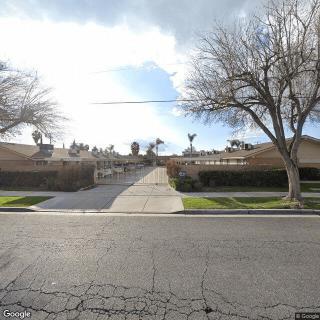
275 North San Jacinto Street, Hemet, CA 92543
For more information about senior living options: (866) 208-4318
Overall Review of San Jacinto Healthcare
Pros
 They are very attentive to her needs and answer every question.
- They are there right away whenever she needs something.
- They are polite, courteous, and professional.
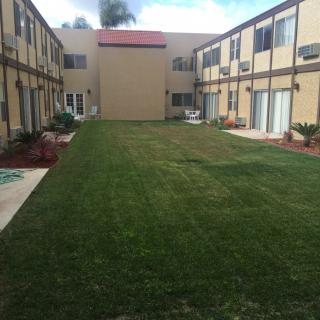
- They provide a courtyard or open den area for visits.
- They have exercise equipment to help residents stay mobile.
- The food is brought to her, and she is eating everything, so she is doing fine there.
Cons
 The rooms are disgusting and the staff are unprofessional, with no respect for personal property or dignity.
- They let the mom dehydrate to the point of emergency, and she passed away.
- There is very short-staffed help, and the people who work there should be ashamed of themselves.
- The reviewer would not bring their dog there and warns others to avoid this kennel.
Review
San Jacinto Healthcare in Hemet is best suited for families seeking a short-term post-acute rehab environment where mobility recovery and wound care are the central priorities, and where decisive staff responsiveness can make a real difference in daily progress. The facility offers features that support recovery action, an on-site courtyard and open social spaces, plus exercise equipment intended to keep residents moving and engaged during therapy. That said, the overall value hinges on a willingness to tolerate significant inconsistencies in cleanliness and staff reliability that accompany the care narrative.
Those who may want to consider alternatives are families who cannot tolerate reports of subpar room conditions or moments when basic needs go unmet. If a resident requires constant, vigilant oversight, or if clear, consistent communication with caregivers is non-negotiable, this community may not deliver the steadiness expected. Prospective residents with heightened safety concerns or limited tolerance for variability across shifts should compare more established operators with demonstrably stable staffing and rigorously maintained environments.
On the upside, several reviewers note genuine attentiveness when needs arise: staff who respond promptly, interact politely, and operate with a professional demeanor. The rehab-centric layout and programming can facilitate mobility work, and the presence of practical amenities for visitation and therapy support can help families stay engaged with the recovery process. When care is going well, residents benefit from quick access to assistance and therapy-driven activities that can reinforce progress.
Yet these strengths do not fully neutralize the most troubling elements described by multiple accounts: rooms described as unsanitary and care staff perceived as disrespectful toward personal property and dignity. The most severe concern, significant dehydration leading to emergency intervention and the implication of a fatal outcome, casts a long shadow over any positive interactions. Even when portions of care appear competent, the risk of uneven staffing, gaps in basic daily oversight, and variable quality can erode confidence in overall safety and continuity of care.
Families evaluating San Jacinto should demand concrete, verifiable assurances before committing: clear staffing ratios by shift, explicit night-time coverage details, documented wound-care and hydration protocols, and a robust housekeeping and maintenance schedule. A tour should drill into daily routines, observe interactions between frontline staff and residents, and speak candidly with current occupants or families about consistency. Request access to recent incident summaries and, if possible, arrange a short trial period with explicit escalation pathways to hospital transfer if medical concerns arise.
In the end, the decision hinges on two realities: the facility’s recognizable rehab-oriented assets and responsive handling of needs, versus persistent concerns about cleanliness, dignity, and reliable daily oversight. For families prioritizing steady, clean environments with unwavering staffing and transparent communication, this community is unlikely to meet those non-negotiables. For those willing to accept a trade-off, strong rehab focus and moments of excellent caregiver responsiveness in exchange for less predictable room conditions and staffing variability, the option warrants careful, hands-on evaluation, stringent monitoring, and a clearly defined plan to address any red flags immediately.
 99 resident community capacity
 Skilled Nursing Facility
 Air-conditioning
 Beauty salon
 Cable or satellite TV
 Computer center
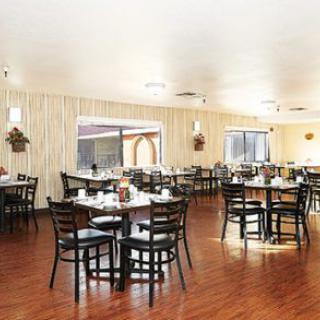
 Dining room
 Fitness room
 Fully furnished
 Gaming room
 Garden
 Housekeeping services
 Kitchenette
 Move-in coordination
 Outdoor space
 Private bathrooms
 Restaurant-style dining
 Small library
 Telephone
 Wellness center
 Wi-Fi/high-speed internet available
 Community operated transportation
 12-16 hour nursing
 24-hour call system
 Activities of daily living assistance
 Assistance with bathing
 Assistance with dressing
 Assistance with transfers
 Diabetes diet
 Medication management
 Mental wellness program
 Special dietary restrictions
 Concierge services
 Planned day trips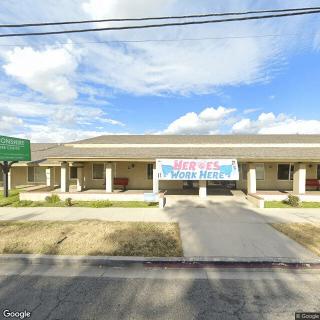




 Powerful Realities of Elder Abuse and the Most Effective Ways to Report It
 Ten Vital Duties of a Senior Caregiver: A Comprehensive Guide
 9 Stimulating Memory Activities for Seniors: Puzzles, Cards, and Much More