
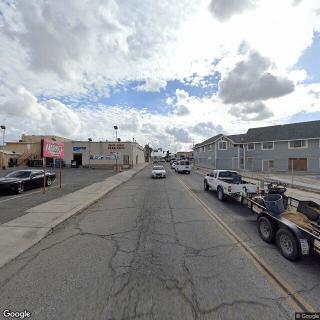
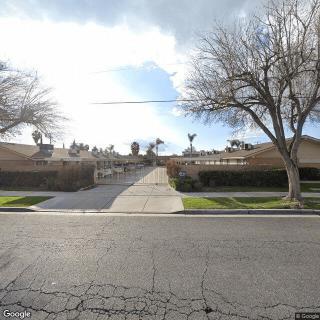
380 North San Jacinto Avenue #101, 102, & 103, Hemet, CA 92543
To contact a resident: (951) 652-1000
For more information about senior living options: (866) 208-4318
Addus Healthcare Costs & Pricing
Addus Healthcare offers competitive pricing for its studio accommodations at $3,670 per month, slightly above the average cost of $3,559 in Riverside County. When compared to the broader market across California, where the average rate reaches $4,145, Addus stands out as a more affordable option while still delivering quality care and services. This positioning not only reflects a dedication to providing accessible healthcare solutions but also highlights their commitment to ensuring that residents can receive necessary support without straining their finances significantly. Overall, Addus Healthcare provides a balanced alternative for those seeking both value and comprehensive care within the region.
| Floor plans | Addus Healthcare | Riverside County | California |
|---|---|---|---|
| Studio | $3,670 | $3,559 | $4,145 |
Senior living communities with a similar price nearby
-
from -$170 / mo
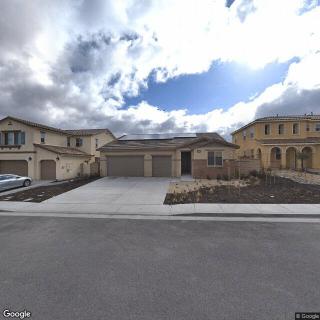
Kun Bai Care
$3,500 to $4,500 / month19.5 miles away -
from -$670 / mo

Carino's Quality Home Care
$3,000 to $3,500 / month24.9 miles away -
from +$530 / mo
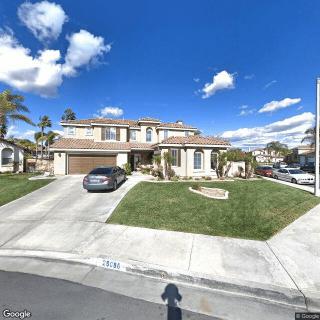
Boundless Care for the Elderly
$4,200 to $4,500 / month18.6 miles away -
from +$330 / mo
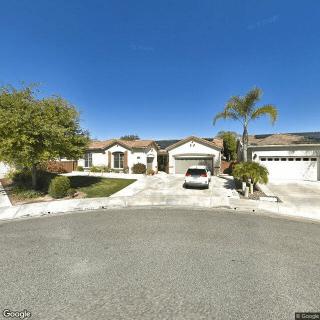
Temple Court Senior Care
$4,000 to $4,500 / month18.4 miles away -
from -$675 / mo

Stonewall Gardens
$2,995 to $5,450 / month24.5 miles away
Overall Review of Addus Healthcare
Pros
 They appreciate the convenience of in-home service.
- They value having the chance to discuss services and costs openly.
- They are optimistic that the right provider will meet their needs.
- They feel that upfront discussions help ensure a good match.
Cons
 The reviewer criticizes the in-home service for unclear details about services and costs discussed over the phone.
- The reviewer dislikes having to call to discuss services and costs.
- The reviewer notes that acceptability depends on the specific person providing the service, implying inconsistency and unreliability.
Review
This community is best suited for seniors who want to remain in their own home but need hands-on assistance delivered on a flexible, caregiver-by-caregiver basis. Addus Healthcare in Hemet, CA functions as an in-home care provider, so it is ideal for families seeking one-on-one support that can be tailored to the individual’s routine, preferences, and medical needs. The option works best when there is room to actively participate in care planning, screen potential aides, and negotiate a transparent cost structure. It rewards those who value personalized attention, continuity with a preferred caregiver, and the comfort of staying in familiar surroundings rather than moving to a campus-style setting.
That said, this option is not for everyone. Families with seniors who require constant 24/7 supervision, highly complex medical management, or a built-in, structured social program would likely want to look at alternatives. If predictable staffing, guaranteed shift coverage, and a robust schedule of on-site activities are priorities, traditional assisted living communities or other agencies that guarantee caregiver availability may be a better fit. The variability inherent in caregiver assignment means some households will thrive, while others encounter uneven care or scheduling gaps that erode consistency.
The strongest positives here center on staying at home with one-on-one care that can be finely tuned to the person’s needs. Direct conversations about services and costs are part of the process, and when the family can align with a caregiver who matches personality and routines, the level of personalized support can be substantial. The ability to pick and modify services, everything from daily routines to specific assistance tasks, means care can be highly responsive. In short, the value lies in customization and the comfort of home, provided the care team remains stable and communicative.
However, the main drawbacks hinge on caregiver variability and the logistical burden that comes with coordinating in-home services. Acceptability clearly depends on the individual caregiver, which implies that outcomes may rise or fall with each assignment. Scheduling reliability, backup coverage, and ongoing supervision become critical factors; without meticulous management, gaps can appear just when steady, familiar routines are most needed. For families unwilling or unable to invest in proactive caregiver vetting, references, and ongoing oversight, the advantages may not fully offset the inherent risks.
Practical guidance for families considering Addus is to treat it as a cooperative arrangement rather than a turnkey solution. Start with a thorough needs assessment that distinguishes medical tasks from daily living support and then request caregiver profiles, including experience and specialties. Insist on a trial period to observe compatibility and performance, and verify references from other families. Establish a clear escalation path with a supervisor, and insist on written expectations around availability, shift coverage, and response times. Finally, map out a transparent cost plan, including any add-on services, to avoid surprises as care needs evolve.
Bottom line: Addus Healthcare can be a solid choice for Hemet-area seniors who want to remain at home and can actively engage in arranging and supervising their care. The model excels when caregiver fit is right and families are comfortable navigating personalized service agreements. For those who prize predictability, full social programming, or around-the-clock staffing, alternatives, especially facility-based communities, should be weighed carefully. The decision hinges on balancing the undeniable comfort and customization of in-home care against the realities of caregiver variability and the practical demands of ongoing care coordination.






 9 Stimulating Memory Activities for Seniors: Puzzles, Cards, and Much More
 Managing Nursing Home Expenses After Medicare Coverage Ends
 Is a Geriatric Care Manager the Right Choice for Your Family?