
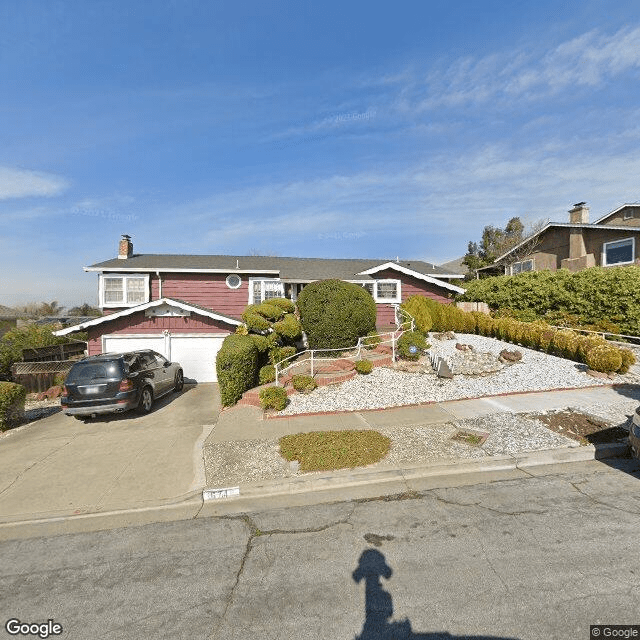
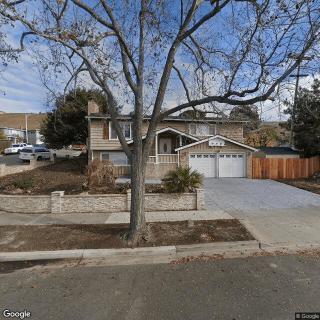
674 Gleneagle Avenue, Hayward, CA 94544
For more information about senior living options: (866) 208-4318
Williams Family Care Home Costs & Pricing
At Williams Family Care Home, the monthly costs for care reflect a competitive pricing structure within both Alameda County and the broader California market. For semi-private rooms, residents can expect to pay $3,000 per month, which is notably lower than the county average of $3,273 and the state average of $3,333. Similarly, the private room option is priced at $4,000 per month, offering excellent value compared to Alameda's average of $3,748 and California's statewide average of $3,939. This positioning underscores Williams Family Care Home's commitment to providing affordable yet quality care in a nurturing environment for families seeking supportive living arrangements.
| Floor plans | Williams Family Care Home | Alameda County | California |
|---|---|---|---|
| Semi-Private | $3,000 | $3,273 | $3,333 |
| Private | $4,000 | $3,748 | $3,939 |
Assisted Living communities with a similar price nearby
-
About the same

Palm Garden Home Care
$3,000 to $4,000 / month13.9 miles away -
from -$500 / mo
Ava Bella Care Home
$2,500 to $3,000 / month2.1 miles away -
from +$195 / mo
Harbor Bay Assisted Living
$3,195 to $5,000 / month14.1 miles away -
from +$400 / mo

An Oak Grove Manor
$3,400 to $3,800 / month20.4 miles away -
About the same

Eden Assisted Living
$3,000 / month6.3 miles away
Overall Review of Williams Family Care Home
Pros
 The facility provides great care and its staff are very attentive to residents' needs.
- The facility is cleaned twice daily and has no bad smells.
- Bedding is changed every morning.
- Hot meals are served three times daily with extra snacks.
- It is located in a quiet residential area with a beautiful, sunny deck.
- The owners regularly check in with residents, earning high marks for engagement.
- Tours are pleasant, and the staff are warm and compassionate.
- It is one of the very best residential care homes for the elderly in the Bay Area.
- The staff are extremely friendly and tailor care to each individual's situation, keeping residents engaged with planned activities.
Review
Williams Family Care Home in Hayward is best suited for seniors who want a warm, intimate residential setting where attentive staff, predictable daily routines, and a home-like atmosphere drive daily life. The community excels for residents who value frequent personal check-ins from owners and caregivers, consistent cleanliness, and home-style meals served with care. It is especially appealing to someone who prefers a quiet, neighborhood feel, a sunny deck for fresh air, and a schedule that keeps boredom at bay through proactive programming. For families prioritizing a small, tightly run operation with a hands-on leadership presence, this community stands out as a practical, dependable choice.
Those who may want to consider alternatives are seniors needing robust medical oversight or specialized memory care, or families seeking a larger campus with more on-site medical staffing and formal rehab options. If 24/7 skilled nursing, extensive therapy services, or highly structured programming for memory impairment are non-negotiable, a bigger assisted living option or a nursing facility might better fit. The review mix suggests a strong residential vibe rather than a hospital-like environment, which is ideal for many but not all care needs. Prospective residents should weigh the desire for personalized attention against the potential limits of a small-scale operation.
On the strengths side, care stands out as consistently attentive. Staff responsiveness and weekly, often more frequent, checks by the owners contribute to a sense of security and ongoing oversight. Cleanliness is repeatedly noted, with frequent housekeeping and a fragrance-free, well-kept environment that reinforces comfort. The daily routine includes linen changes and hot meals three times daily, complemented by extra snacks, which supports nutrition and consistency. A quiet, residential setting plus a sunny deck adds to an atmosphere conducive to dignity and independence, while pleasant tours and a warm, compassionate onboarding impression underscore the community’s person-centered approach.
Communication and engagement emerge as another clear strength. The operation benefits from multiple people coordinating care, with ongoing supervision to ensure tasks get completed and residents remain engaged. Reviewers highlight that staff are friendly and that the home makes deliberate efforts to tailor activities to different need levels, helping residents stay socially connected and mentally engaged. The affordability aspect is also favorable, with a sense that pricing is fair and sensitive to individual situations, reducing financial friction for families trying to balance care quality with value.
From a practical vantage point, the main trade-off is the scale. The intimate, home-like setting naturally means fewer on-site capabilities for high-acuity medical care or specialized memory-programs than larger facilities. Yet the positive offset is compelling: highly personalized attention, proactive owner involvement, transparent operations, and a track record of keeping residents comfortable and engaged. For many families, these elements outweigh the absence of an expansive medical footprint, especially when care needs are well within the home’s demonstrated strengths and staff turnover appears low based on consistency of feedback.
In the end, Williams Family Care Home serves as a practical, experienced choice for seniors and families who prize diligence, warmth, and daily attentiveness over institutional scale. It’s a favorable fit for those seeking a calm, clean, and well-cared-for environment where meals, daily routines, and social activity are treated with real devotion. Before deciding, families should confirm how care planning is documented, explore staffing ratios during peak hours, and discuss whether the home can accommodate any specific medical or mobility needs. A preliminary visit to observe the daily rhythm, meet the owners, and review a sample care plan will reveal whether the balance of warmth and oversight aligns with the resident’s priorities.
 6 resident community capacity
 Assisted Living
 Board and Care Home
 Activities off-site
 Cable or satellite TV
 Dining room
 Fully furnished
 Garden
 Housekeeping services
 Indoor common areas
 Move-in coordination
 Outdoor common areas
 Private
 Telephone
 Wi-Fi/high-speed internet available
 Metropolitan Oakland International (12 miles away)
 24-hour supervision
 Ambulatory care
 Assistance with bathing
 Assistance with dressing
 Assistance with transfers
 Diabetes diet
 Diabetic care
 High acuity care
 Meal preparation and service
 Medication management
 Special dietary restrictions
 Transportation arrangement (medical)
 Transportation to doctors appointments

 Is Assisted Living Deductible on Your Taxes? Understanding the Complexities of Assisted Living Expenses and Deductions
 Assisted Living Support for Veterans: A Complete and Detailed Overview
 Exploring the Contrasts Between Assisted Living and Skilled Nursing