
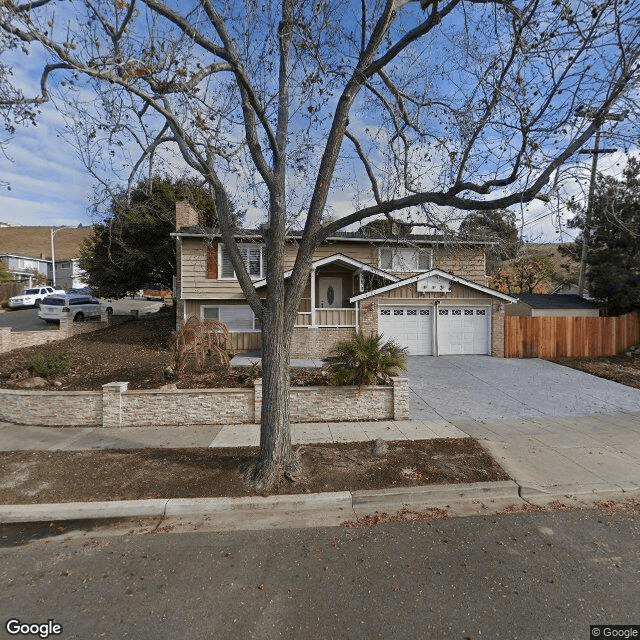
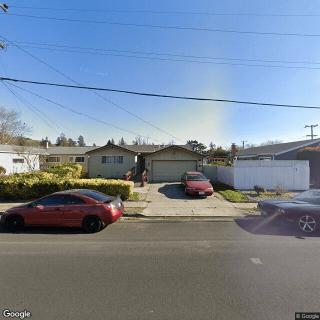
30678 Treeview Street, Hayward, CA 94544
To contact a resident: (510) 441-2663
For more information about senior living options: (866) 208-4318
Treeview Manor Care Home Costs & Pricing
Treeview Manor Care Home offers competitive pricing for its residential care services, with semi-private rooms available at $2,500 per month, which is significantly below the average costs in Alameda County ($3,273) and across California ($3,333). For those seeking more privacy, the private rooms are priced at $3,500 monthly, again demonstrating value when compared to the county average of $3,748 and the state average of $3,939. This cost structure positions Treeview Manor as an appealing option for families exploring affordable yet quality care solutions within a supportive environment.
| Floor plans | Treeview Manor Care Home | Alameda County | California |
|---|---|---|---|
| Semi-Private | $2,500 | $3,273 | $3,333 |
| Private | $3,500 | $3,748 | $3,939 |
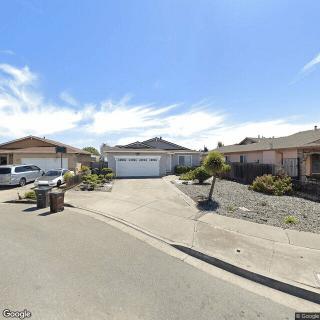
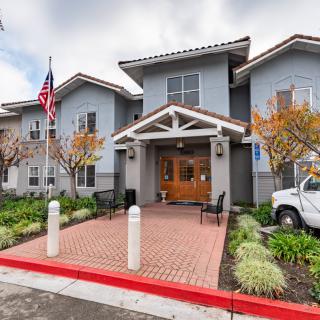
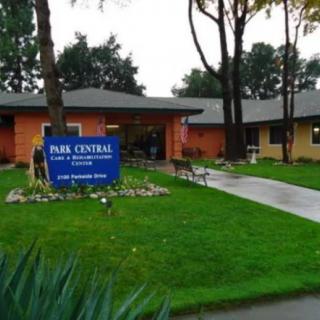
Senior living communities with a similar price nearby
-
from -$100 / mo
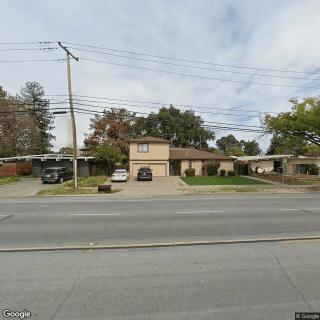
Homestead Care
$2,400 to $4,570 / month19.8 miles away -
from +$200 / mo

Home Instead Senior Care
$2,700 to $3,400 / month14.0 miles away -
from +$400 / mo
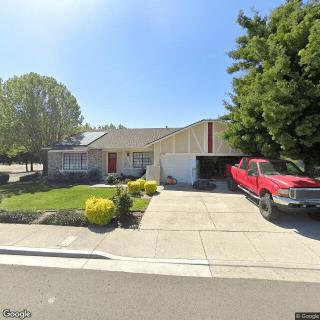
Parkside Manor
$2,900 to $3,600 / month8.7 miles away -
About the same
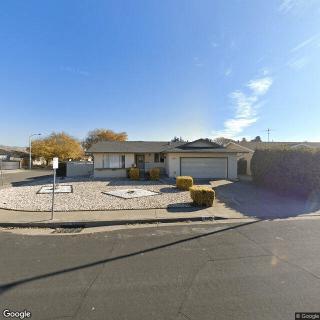
Ava Bella Care Home
$2,500 to $3,000 / month2.0 miles away -
About the same

San Carlos Elms
$2,500 to $5,880 / month14.9 miles away
Overall Review of Treeview Manor Care Home
Pros
 The quality of care at Astera has been exceptional.
- The staff are very professional and caring.
- The facility is immaculately clean and provides a comfortable environment.
- The facility features two vegetable gardens in the backyard and fruit trees.
- The backyard includes a patio and artificial turf for residents to enjoy.
- The staff coordinate picnics in the backyard during warm weather.
- The staff are interactive with residents and provide kind, quality care.
- Residents have scheduled meals and spend the day together in the family room.
- Sharon and her staff provide a clean, homey environment and professional care.
- Bianca, Gladys’ daughter, was very kind and helpful.
- The facilities appeared clean and organized, with sufficiently sized bedrooms and patios for sunbathing and outdoor eating.
- The facilities offer exercising and plenty of TV time, which are important to residents.
- The reviewer was pleased with the facility and its location.
Review
Treeview Manor Care Home in Hayward is best suited for seniors who want a clean, home-like care setting with attentive, engaged staff and a strong social rhythm. It works particularly well for residents who need help with daily tasks, dressing, bathing, restroom assistance, laundry, and medication management, while benefitting from a structured day that emphasizes community. The reviews highlight a professional, caring team and a spotless environment, along with outdoor amenities that invite mobility and engagement. The combination of two vegetable gardens, fruit trees, a backyard patio, and artificial turf creates a pleasant, low-stress backdrop for activity. When combined with a model where residents eat together and share time in a common family room, the facility delivers safety, routine, and a sense of belonging that many families seek for a loved one who benefits from consistent supervision.
That said, alternatives should be considered for those prioritizing privacy, independence, or specialized memory-care services. A couple of signals in the feedback point to limits that may matter in decision-making: the emphasis on communal dining and shared spaces can feel less private, and there is no explicit mention of a dedicated memory-care unit or highly specialized dementia programming. For families whose loved one requires more individualized privacy, a larger community with memory-support services, or a facility with more flexible room configurations, exploring other options would be prudent. In addition, placement timing can influence decisions: while openings exist, families should confirm current availability and whether the pace of admissions aligns with need.
The strongest pro aligns with how care is delivered on a day-to-day basis. Staff are repeatedly described as professional and genuinely caring, and the facility’s cleanliness and homey atmosphere reinforce a sense of trust and reassurance for families. Parkinson’s care needs, exercise, assistance with daily activities, and ongoing supervision, are effectively supported by the team, with social and physical activity embedded in the routine. The communal meal structure and the visible engagement of staff with residents help prevent isolation and provide ongoing supervision, which can be a decisive advantage for families seeking reliable, hands-on oversight.
Outdoor and social amenities further distinguish Treeview Manor. The gardens, fruit trees, and outdoor seating areas offer opportunities for fresh air, gentle movement, and outdoor time, while the back-porch setup and planned picnics during warmer months demonstrate a proactive approach to social interaction. The approach to activity, exercising options and ample TV time alongside quiet, shared spaces, appears to strike a balance between stimulation and rest. For residents who thrive in a setting where routines are predictable and companionship is readily available, these elements translate into meaningful daily life rather than a sterile, transactional environment.
When evaluating a tour, families should verify several practical points. Ask about the current level of care provided for progressive conditions, whether there is access to memory-care programming, and how personalized the care plans are in practice. Inquire about staffing ratios during peak hours, the cadence of medication management, and how laundry and personal care tasks are coordinated for each resident. Observe how meals are organized, how much privacy is afforded during personal care, and whether the social model aligns with a loved one’s preferences for independence. Also confirm how openings are communicated and the typical timeline for placement, so expectations about timing and transition are clear.
The bottom line is decisive: Treeview Manor Care Home is a strong match for families seeking a warm, well-maintained, community-forward environment with consistently attentive staff and a built-in daily rhythm that promotes connection and safety. It excels for residents who benefit from hands-on support, regular meals, and meaningful social engagement in a home-like setting. It is less well-matched for those requiring high privacy, expansive private accommodations, or specialized memory-care capabilities. Pros offsets cons in practical, tangible ways, robust care, cleanliness, social integration, and outdoor amenities, but the choice should rest on whether a loved one’s needs align with a highly social, shared-living model and on whether the facility’s capabilities meet any memory-care or privacy priorities. A guided tour, clear questions about current availability, and a careful check of care-planning practices will illuminate how well Treeview Manor fits the specific situation.
 Board and Care Home
 Activities off-site
 Devotional services off-site
 Indoor common areas
 Outdoor common areas
 Private
 Private bathrooms
 Respite or short term stays offered
 Wheelchair accessible showers
 Metropolitan Oakland International (12 miles away)
 Ambulatory care
 High acuity care
 Incontinence care
 Meals provided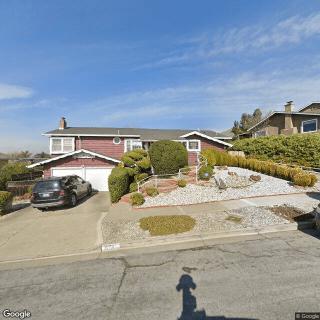

 A Comprehensive Exploration of Common Misunderstandings about Powers of Attorney
 Senior Move Management: Understanding the Role, Value, and Associated Costs
 Weight Training for Seniors: Building Strength and Vitality