
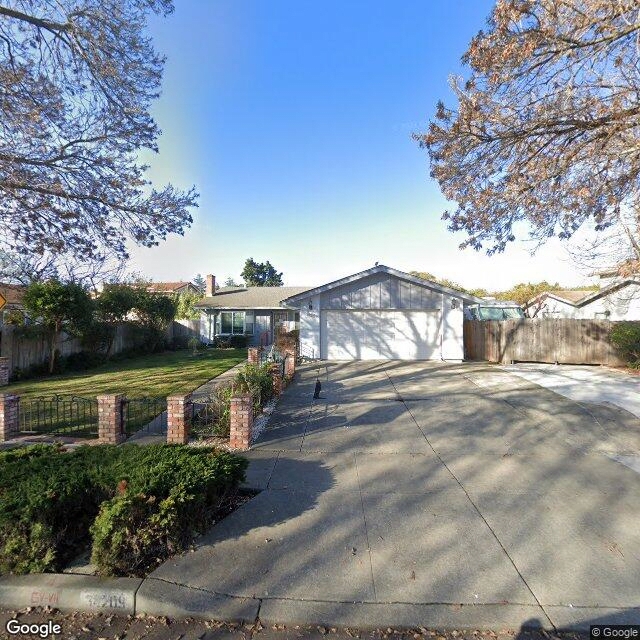
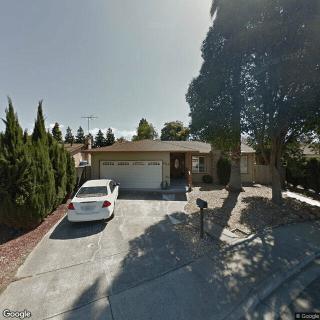
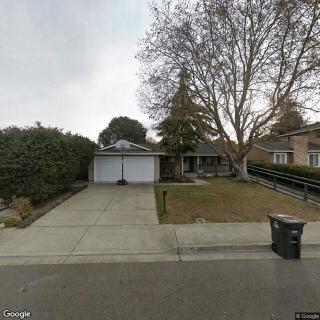
34209 Sylvester Drive, Fremont, CA 94555
For more information about senior living options: (866) 208-4318
Common Destiny Costs & Pricing
At Common Destiny, the monthly cost for a private room is set at $5,000, which notably exceeds both the average rates in Alameda County of $3,748 and the broader state average of $3,939. This pricing reflects a premium service model that likely encompasses enhanced amenities and personalized care tailored to meet the diverse needs of residents. While Common Destiny's costs are higher than local and state figures, they may offer unique benefits or specialized services that justify this investment in quality living.
| Floor plans | Common Destiny | Alameda County | California |
|---|---|---|---|
| Private | $5,000 | $3,748 | $3,939 |
Memory care communities with a similar price nearby
-
About the same
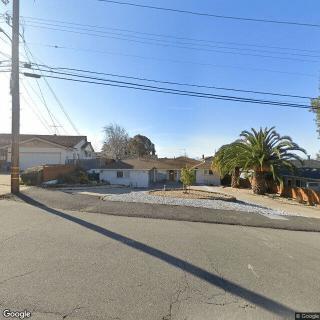
Blessing Home
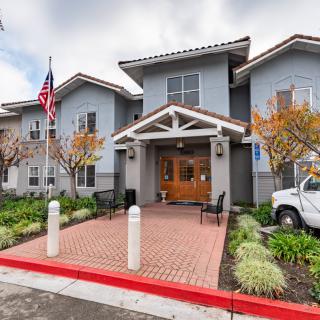
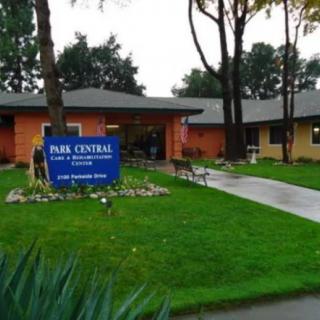
$5,000 to $6,000 / month9.6 miles away -
from +$500 / mo
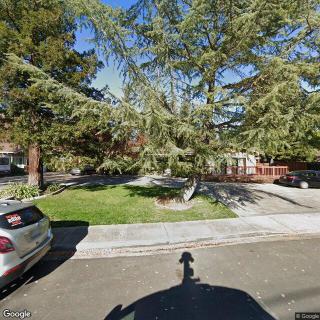
Carnelian III
$5,500 / month21.6 miles away -
from -$400 / mo

Milan Villa Senior Living
$4,600 to $9,200 / month15.6 miles away -
from +$670 / mo
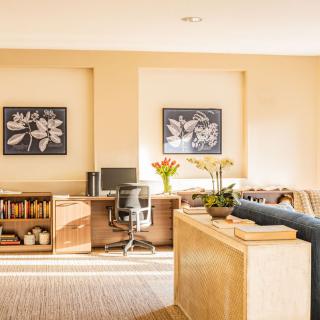
Carefield Pleasanton
$5,670 to $5,700 / month11.5 miles away -
About the same
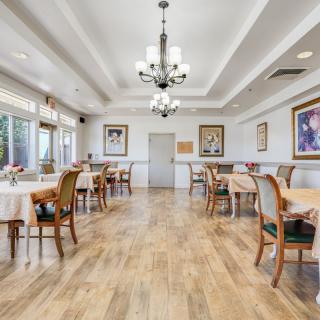
Tuscany Villa Senior Living
$5,000 to $10,000 / month15.6 miles away
Overall Review of Common Destiny
Pros
 The staff at Common Destiny Care Home are well-trained and an excellent team.
- Evelyn and Nora are wonderful and experienced caregivers.
- The care home is very clean and well-maintained.
- The environment is calm, quiet, and peaceful, making residents comfortable.
- The staff demonstrate love, thoughtfulness, and care, bringing comfort to families.
- Evelyn and Nora provide constant support and care for residents.
- The facility offers a favorable caregiver-to-patient ratio with attentive staff.
- The new ownership includes an RN wife, contributing to geriatrics-focused expertise.
Cons
 They tried to leave a review, but it didn't go through.
- They felt the staff could spend more time with each resident.
- The senior care facility is not suitable for active residents; it is basically for bedridden patients.
- The food looked less than desirable.
- The reviewer was saddened by moving their mother to a nursing home due to budget constraints.
Review
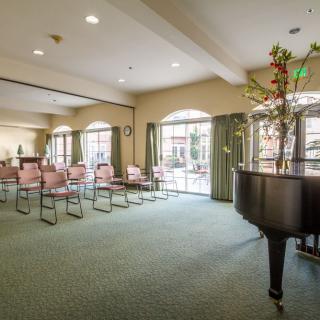
Common Destiny Care Home in Fremont is best suited for families seeking a compact, home-like setting where staff deliver steady, highly attentive personal care. It serves seniors who prioritize a calm, low-traffic environment over campus-size amenities, and who value intimate caregiver-resident relationships, consistent oversight, and compassionate support around end-of-life or long-term care. The community’s footprint is small, the pace is quiet, and meals are simple but reliably provided. Those who want wide-ranging social programming or gourmet meals with frequent activity calendars may feel under-stimulated. It’s also less ideal for someone who needs aggressive medical management or an active, highly engaged daily schedule. In short, it’s a fit for people who want dignity-preserving care in a peaceful, family-like setting.
Cleanliness and a homelike atmosphere stand out. Families consistently note that Evelyn, Nora, Flora, and the broader team are well trained and genuinely caring. The care model leans toward daily presence rather than scattershot supervision, with small numbers of residents creating space for real interaction. The warm lunch routine, basic necessities provided, and quiet routines give residents stability. Several reviews highlight compassionate end-of-life care as a hallmark, with staff coordinating with hospice and keeping families informed. Long-tenured relationships with the owners and caregivers, including the promise of consistent support over years, also emerge as a key strength. The caregiver-to-resident ratio, reported at roughly two to three to one, supports hands-on attention.
However, the setting does not aim at the active senior or someone seeking a bustling, activity-heavy campus. One reviewer labeled it essentially for bed-ridden residents and near hospice care, with meals described as less than desirable. Another point of critique is the limited ability to engage residents actively due to the small size; there may simply be fewer programs and outings than larger facilities. A memory-care facility associated with the operator is located in Union City, which means families must consider distance if memory support is needed in Fremont. Some reviews also reference changes in ownership and ongoing adjustments, which can affect consistency in the short term.
Still, the strengths tend to offset these drawbacks for families prioritizing safety, closeness, and dignity. The very high level of caregiver attention, aided by a 2-to-3-to-1 ratio, helps prevent the sense of abandonment that can accompany smaller homes. The owner-led operation, with an RN wife involved, signals strong clinical oversight and readiness to coordinate with outside hospice teams when required. Cleanliness and a peaceful milieu reduce anxiety for residents and reassure families about daily quality of life. Clear, proactive communication with families about care plans, changes in condition, and daily routines helps maintain trust even when programming is not elaborate. For families seeking a supportive, low-stress transition, these trade-offs are meaningful.
Prospective residents should verify how memory care needs are met, given the Fremont campus’s apparent focus on general long-term or end-of-life care. The Union City memory-care facility indicates a gap that may influence choice for those with significant dementia or Alzheimer's who require structured cognitive programming. In the meantime, expect steady supervision, gentle exercise opportunities, and a home-like routine rather than vigorous activity schedules. Nutrition is practical rather than gourmet, so for families prioritizing culinary variety, alternatives may be preferable. The overall impression remains that this is a place where relationships and consistency carry more weight than calendar-driven stimulation.
When weighing options, Common Destiny stands out for families who want a calm, intimate setting with attentive, well-trained staff and compassionate end-of-life care. It is less suitable for those who need an active social calendar, high-end meals, or on-site memory-care programming in Fremont. Prospective buyers should ask current leadership about staff turnover, confirm ongoing RN involvement, and tour the kitchen to gauge meal quality. They should also review the care plans for mobility, nutrition, and daily activities, and interview families who have cared for long stretches there. For many, this community delivers dignified, peaceful care where the core value is consistent, personal attention, an essential trade-off against the desire for more extensive programming.
 6 resident community capacity
 Assisted Living
 Board and Care Home
 Memory Care
 Cable or satellite TV
 Dining room
 Fully furnished
 Garden
 Housekeeping services
 Indoor common areas
 Move-in coordination
 Outdoor common areas
 Private
 Respite or short term stays offered
 Telephone
 Wheelchair accessible showers
 Wi-Fi/high-speed internet available
 Metropolitan Oakland International (14 miles away)
 24-hour supervision
 Activities of daily living assistance
 Assistance with bathing
 Assistance with dressing
 Assistance with transfers
 Diabetes diet
 Diabetic care
 High acuity care
 Hospice waiver
 Incontinence care
 Meal preparation and service
 Medication management
 Mental wellness program
 Special dietary restrictions
 Transportation arrangement (medical)
 Transportation to doctors appointments
 Guiding Your Journey: Understanding Power of Attorney for Elderly Parents
 22 Remarkable Caregiver Support Groups Available Online and In-Person
 Understanding Medicaid Coverage for Assisted Living: A Comprehensive Guide