

9679 Ellis Ave, Fountain Valley, CA 92708
To contact a resident: (714) 962-6873
For more information about senior living options: (866) 208-4318
Granny's Garden 2 Costs & Pricing
Granny's Garden 2 offers competitive pricing for its residential care options, particularly when compared to the broader market in Orange County and across California. For semi-private rooms, Granny's Garden 2 charges $2,500 per month, which is significantly lower than the Orange County average of $3,431 and the state average of $3,333. Similarly, the private room rate at $3,000 also positions Granny's Garden 2 favorably against the local and state costs of $4,104 and $3,939 respectively. This pricing structure reflects a commitment to providing quality care while ensuring affordability for families seeking supportive living environments for their loved ones in a region known for its higher living costs.
| Floor plans | Granny's Garden 2 | Orange County | California |
|---|---|---|---|
| Semi-Private | $2,500 | $3,431 | $3,333 |
| Private | $3,000 | $4,104 | $3,939 |
Senior living communities with a similar price nearby
-
from +$125 / mo

Berryman Health Inc
$2,625 to $3,050 / month11.9 miles away -
from +$300 / mo
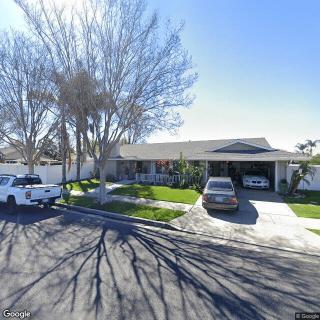
Candlewood Care Home III
$2,800 to $3,400 / month9.5 miles away -
from -$100 / mo
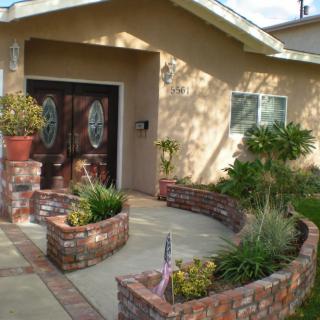
Living Well Care Home
$2,400 to $3,200 / month12.0 miles away -
from +$300 / mo
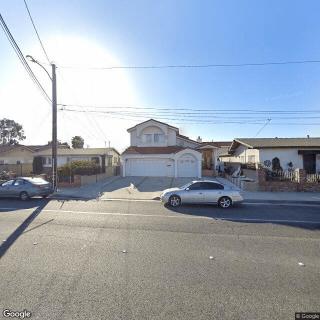
Leah Loving Elderly Care
$2,800 to $3,000 / month1.4 miles away -
from +$200 / mo
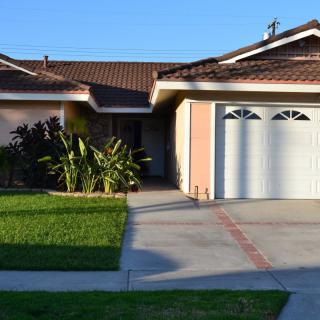
Loving Care Senior Home
$2,700 to $3,500 / month0.2 miles away
Overall Review of Granny's Garden 2
Pros
 The reviewer grew up in the house (1965–74), creating a warm personal connection.
- They stopped by to check it out and enjoyed a pleasant conversation with the owner in the front yard.
- The reviewer was pleased that such a beautiful lady had purchased the house.
- The reviewer believes their mom, who sold the house in 1990, would have been very pleased as well.
Review
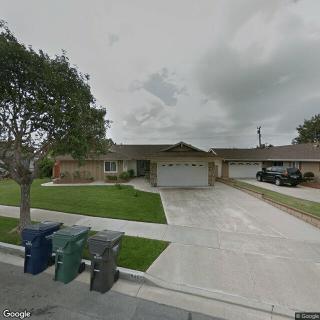
Granny's Garden 2 in Fountain Valley is best suited for families prioritizing a small, home-like atmosphere where the owner is visibly involved and where a sense of continuity, embodied in a historic property, can influence daily life. This community reads more like a private residence turned into a caregiving setting than a large, standardized facility, which matters for households that value personal attention and a story behind the space. The single, limited feedback available centers on interpersonal warmth rather than measurable care outcomes, signaling a setting where relationships and personality may drive the experience more than formal programming.
Care-seekers who require formal oversight should consider alternatives. The absence of published data on licensing, staffing, care levels, safety protocols, meal service, activity calendars, or pricing makes it difficult to assess value, consistency, and risk. For families needing regulated oversight, clinical support, or transparent contract terms, other communities where care metrics and resident testimonials are readily available offer clearer benchmarks. This is not a verdict against the setting itself, but a warning that due diligence must fill the information gap.
On the upside, the environment can deliver a distinctive, intimate experience. The interaction with the owner in the front yard, demonstrating personal pride and a direct line of communication, can translate into quick responsiveness and a sense of security not found in larger campuses. The setting’s beauty and the idea of living in a lovingly tended house carry intangible benefits: familiar surroundings for residents who resist institutional feel, potential for neighborly cohesion, and a lightweight administrative burden that sometimes accompanies smaller operations. For some families, these factors outweigh the lack of documented programming.
However, the main drawbacks are structural rather than aesthetic. The available narrative does not illuminate care practices, staff qualifications, caregiver ratios, medical support, or emergency readiness. Without clear licensing confirmation and without a transparent services menu, expectations about daily routines, meals, housekeeping, and transportation remain speculative. The absence of corroborating resident voices or third-party reviews compounds uncertainty, leaving important decisions hinging on impressions rather than evidence. In short, this setting risks slipping into ambiguity, especially for seniors with complex health needs or the need for consistent, professional oversight.
Pros such as owner accessibility and a homelike setting can offset some concerns for families who prioritize close personal connections and a story-rich environment. If the owner is inclined to remain personally engaged, there may be quicker adaptations to individual routines and a sense of continuity that large operators struggle to provide. Yet the offset is contingent on real-world performance: intimate attention must extend to qualified staff, safety drills, medication management, and reliable crisis response. Without those essentials demonstrated in touring, the owner-led appeal remains a persuasive narrative rather than a proven care game plan.
Bottom line: Granny's Garden 2 is a plausible fit for residents who value a small, personal footprint and a story-rich environment, provided that families are comfortable supplementing limited published data with rigorous in-person verification. The recommended course is a structured visit focused on care capabilities, licensing status, staff credentials, and daily schedules; demand concrete answers about pricing, contract terms, and what happens when health needs escalate. Compare against other Fountain Valley options that offer transparent metrics and documented outcomes, and seek reassurance through references or trials. When alignment exists between personal comfort with the setting and verifiable care standards, the choice becomes clear.
 Board and Care Home
 Activities off-site
 Indoor common areas
 Outdoor common areas
 Private
 Wheelchair accessible showers
 John Wayne Orange Co (5 miles away)
 Incontinence care
 Meals provided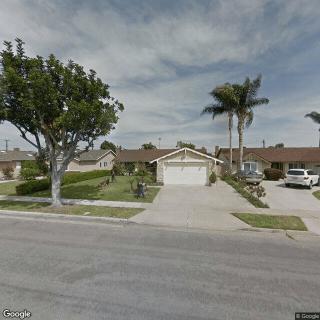
 Highly Beneficial Low-Impact Exercises for Senior Living Residents
 Is In-Home Healthcare Tax Deductible? Your Comprehensive Guide
 Nurturing Well-Being Through Gardening: A Detailed Guide for Senior Enthusiasts