
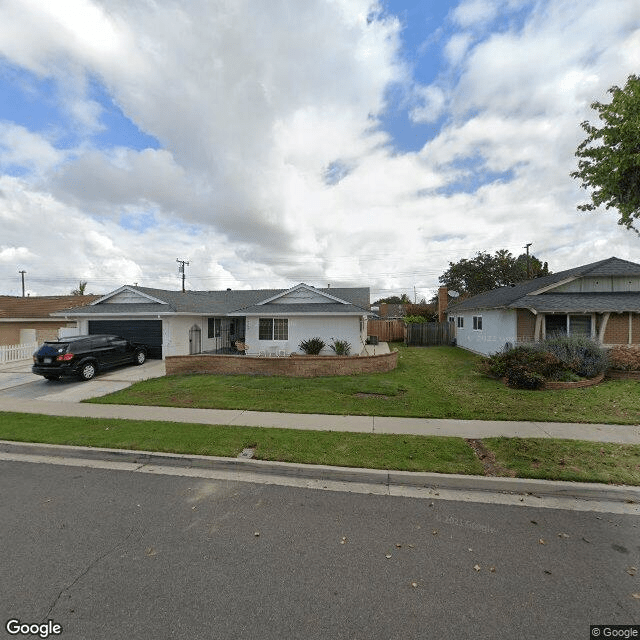
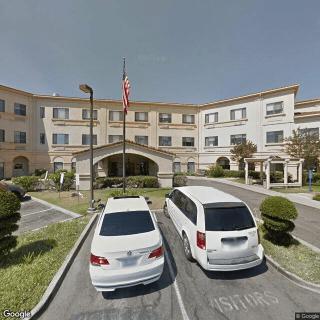
9453 Ellis Avenue, Fountain Valley, CA 92708
To contact a resident: (714) 815-1320
For more information about senior living options: (866) 208-4318
Fountain Gardens #2 Costs & Pricing
Fountain Gardens #2 offers competitive pricing for its accommodations when compared to the broader market in Orange County and throughout California. The cost of a semi-private room at Fountain Gardens is set at $2,500, which is significantly lower than the county average of $3,431 and the state average of $3,333. For those seeking more privacy, the facility's private rooms are priced at $3,500 - again offering notable savings compared to both Orange County's average of $4,104 and California's average of $3,939. Finally, the one-bedroom units are also attractively priced at $3,500, while they typically range higher in both Orange County ($4,380) and across the state ($4,340). Overall, Fountain Gardens #2 presents an appealing option for those looking for quality care without the elevated costs often associated with similar facilities in the region.
| Floor plans | Fountain Gardens #2 | Orange County | California |
|---|---|---|---|
| Semi-Private | $2,500 | $3,431 | $3,333 |
| Private | $3,500 | $4,104 | $3,939 |
| 1 Bedroom | $3,500 | $4,380 | $4,340 |
Memory care communities with a similar price nearby
-
from +$300 / mo
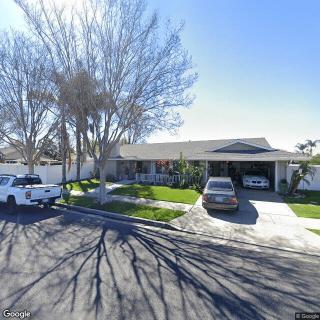
Candlewood Care Home III
$2,800 to $3,400 / month9.7 miles away -
from -$100 / mo
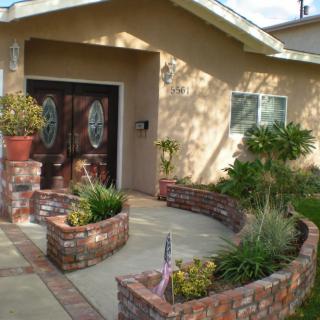
Living Well Care Home
$2,400 to $3,200 / month11.8 miles away -
from +$300 / mo
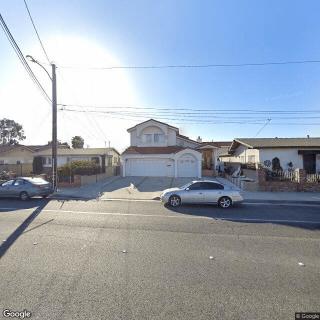
Leah Loving Elderly Care
$2,800 to $3,000 / month1.5 miles away -
from +$200 / mo
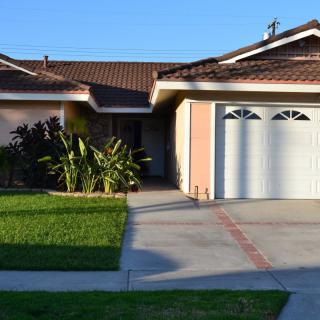
Loving Care Senior Home
$2,700 to $3,500 / month0.1 miles away -
from -$200 / mo
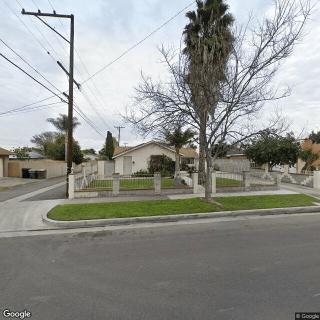
Bronwyn Residential Care
$2,300 to $3,500 / month9.1 miles away
Overall Review of Fountain Gardens #2
Pros
 Nicoletta and Fountain Valley Senior Care are praised for kind and gentle care.
- The staff are described as amazing and caring.
- The care provided gave the family a tremendous amount of peace of mind.
- The home is described as beautiful and caring.
- Families wish they had found Fountain Valley Senior Care sooner.
Review
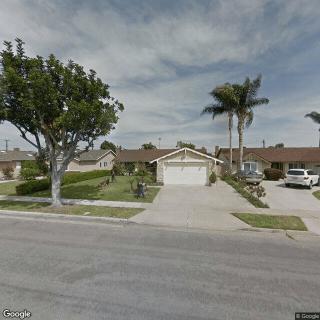
Fountain Gardens #2 in Fountain Valley is best suited for families seeking a warm, intimate setting for an elderly loved one who benefits from exceptionally personal attentiveness and a home-like atmosphere. These reviews point to a small, caregiver-led environment where the owner and staff become trusted constants in daily life, not distant administrators. For seniors who require steady, compassionate support, end-of-life care, or long-term residence with strong family involvement, this community delivers a sense of calm assurance many larger facilities struggle to replicate. The setting itself, tidy, peaceful, focused on dignity, matters as much as any care plan, and that difference is what makes Fountain Gardens #2 feel like a true-home alternative rather than a generic institution.
Those with advanced medical needs, complex nursing requirements, or a demand for structured memory-care programming may want to look elsewhere. The shared impression is a small home setting where kindness and hands-on attention drive daily life, rather than a facility with deep on-site medical teams, specialized dementia programs, or expansive activity schedules. If robust medical oversight, frequent physician visits, or a broad menu of therapeutic services are non-negotiable, consider alternatives that offer larger staffing rosters, formal protocols, and a more built-out medical support network.
On the upside, the strongest asset is the people. Nicoletta and her staff are described as exceptionally kind, gentle, and steady, turning ordinary routines into meaningful reassurance for families and residents alike. That consistency translates into real peace of mind for families watching a loved one navigate a challenging chapter, with caregivers who stay present for the long haul rather than cycling through. The stories about caring for a father in his final months, and the wish that the arrangement had been found sooner, underscore how emotional support and dignified daily life matter as much as the physical care. In this environment, dignity is not a optional ornament but the default.
Yet the success of that approach relies on a small-scale model, which brings certain caveats. The reviews are limited, and there is little published detail about staffing ratios, medical backup, or the breadth of coordinated services. Practically, that means prospective families should ask pointed questions about who handles medical oversight, how rounds are conducted, and what happens after hours if needs shift. The absence of a large, formally programmed layout is not a flaw so much as a design choice; for those prioritizing intimate attention, it is a clear advantage. For others, it could be a meaningful gap that requires careful mitigation.
Pricing, availability, and calendar flexibility are not spelled out in the reviews, so prudent decision-making requires direct conversations about cost and space. The strength of Fountain Gardens #2 rests in loyal, hands-on leadership and the sense that residents are cherished daily, which, when aligned with budget and timing, can yield excellent value compared with many larger communities. Families should request transparent disclosures about care tiers, routine medical support, medication management, and crisis planning to ensure the match extends beyond a warm impression.
In sum, Fountain Gardens #2 presents a compelling option for families prioritizing intimate, compassionate care delivered with genuine heart. It is especially well-suited for elders who thrive in a home-like setting and for families seeking strong, visible commitment from a dedicated owner and staff. Alternatives should be pursued for those needing robust clinical oversight, dementia-focused programming, or a more expansive activity calendar. For the right fit, a direct, candid tour, targeted questions about staffing, and a clear dialogue about expectations will reveal whether this community can deliver the ongoing, trusted peace of mind described by the families.
 Board and Care Home
 Memory Care
 Activities off-site
 Beautician on-site
 Devotional services off-site
 Indoor common areas
 Outdoor common areas
 Private
 Private bathrooms
 Respite or short term stays offered
 Wheelchair accessible showers
 John Wayne Orange Co (6 miles away)
 Diabetic care
 High acuity care
 Incontinence care
 Meals provided

 Engaging Memory Care Activities That Enhance Quality of Life
 When to Transition from Assisted Living to Memory Care: Key Indicators, Steps, and Finding the Right Community
 Understanding the Distinctions: Assisted Living and Memory Care Explained