
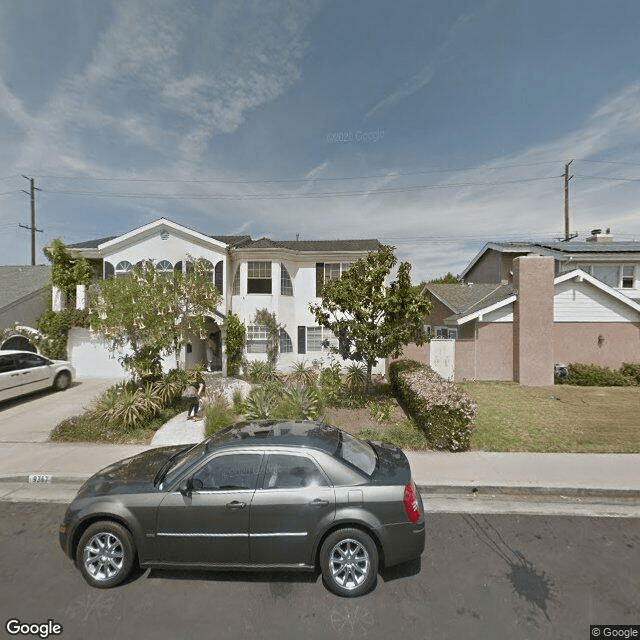
9367 Siskin Ave, Fountain Valley, CA 92708
To contact a resident: (714) 962-6873
For more information about senior living options: (866) 208-4318
Granny's Garden Costs & Pricing
Granny's Garden offers competitive pricing for its care services, particularly when compared to the broader market in Orange County and throughout California. For semi-private rooms, Granny's Garden charges $2,500 per month, which is considerably lower than the average cost of $3,431 in Orange County and $3,333 statewide. Similarly, their private room rate of $3,000 also reflects substantial savings when juxtaposed with the local average of $4,104 and a state average of $3,939. This affordability makes Granny's Garden an appealing option for families seeking quality care without the exorbitant costs often associated with assisted living facilities in the region.
| Floor plans | Granny's Garden | Orange County | California |
|---|---|---|---|
| Semi-Private | $2,500 | $3,431 | $3,333 |
| Private | $3,000 | $4,104 | $3,939 |
Senior living communities with a similar price nearby
-
from +$125 / mo

Berryman Health Inc
$2,625 to $3,050 / month12.1 miles away -
from +$300 / mo
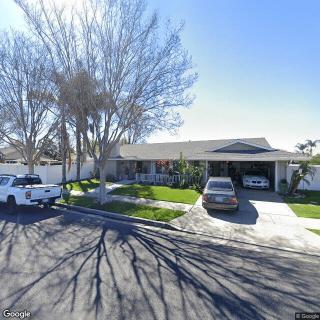
Candlewood Care Home III
$2,800 to $3,400 / month9.8 miles away -
from -$100 / mo
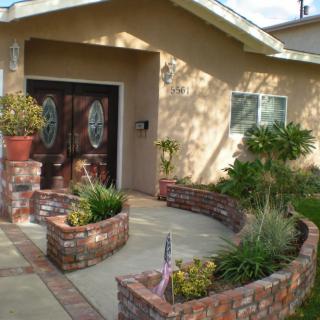
Living Well Care Home
$2,400 to $3,200 / month11.8 miles away -
from +$300 / mo
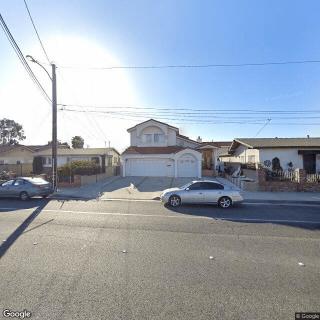
Leah Loving Elderly Care
$2,800 to $3,000 / month1.6 miles away -
from +$200 / mo
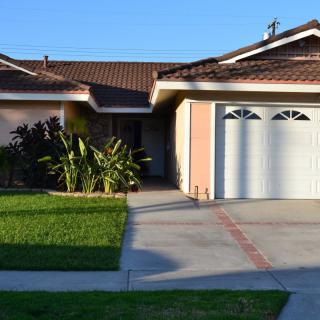
Loving Care Senior Home
$2,700 to $3,500 / month0.1 miles away
Overall Review of Granny's Garden
Pros
 The owner was friendly, and the conversation about the house’s history was pleasant.
- The reviewer was pleased that such a beautiful lady had purchased the house.
- The mom would have been pleased as well.
- The staff member who runs it is devoted to her residents and cares deeply for them.
- Granny's Garden is clean and cheerful.
- The house is bright and sunny.
- It provides a home-like feeling and does not feel like a nursing home.
- Norma is excellent.
Cons
 It wasn't the best fit for them.
- The gal that runs it is very structured, and that wouldn't work for their loved one.
Review
Granny's Garden in Fountain Valley is best suited for seniors who value a warm, home-like setting over a conventional assisted-living campus, and who respond well to highly hands-on supervision from a small, owner-operated model. The community leans into a bright, cheerful atmosphere that feels more like a family residence than a medical facility. Cleanliness and a welcoming, almost sun-drenched ambiance are frequently cited positives, and the personal touch from the leader, someone described in reviews as fully devoted to residents, creates a sense of safety and belonging that many families search for but often cannot find in larger communities. In short, Granny's Garden offers a crisp, small-scale alternative to larger campuses for seniors who want real, day-to-day warmth.
However, this comes with trade-offs. The same caregiver's strong structure can feel constraining for residents who prize flexibility, spontaneity, or autonomy in daily routines. Two reviews note that the care approach is very structured, and that, for their loved one, such rigidity was a poor fit. The small, house-like format also suggests a narrower scope of programming and services, which may be insufficient for seniors requiring more comprehensive medical oversight, rapid access to allied health professionals, or a broad menu of social activities.
On the upside, the key positives function as a robust offset to those limits when the priority is trust, attentiveness, and a comforting, non-institutional vibe. Residents benefit from an operator who is deeply involved and who has dedicated life to caring for people there. The environment is described as bright, clean, and cheerful, qualities that reduce the feeling of being in a nursing home and support comfort during the aging process. One strong endorsement calls Norma "excellent," signaling consistent, high-quality day-to-day care and a personal stake in residents' well-being. These attributes can make the difference between merely existing in care and feeling genuinely cared for day after day.
Yet the visible downside remains tangible. The preference for structure can suppress independence in residents who want to shape their own schedules. The small house setting naturally limits the breadth of services, programs, or specialized care that bigger facilities might offer. The reviews do not detail medical staffing levels, memory care options, or emergency coverage, so families must verify whether the level of professional oversight aligns with their loved one's needs. In practice, this means risk for those with higher medical complexity or those seeking a broader activity calendar beyond what a single-house setup can sustain.
Prudent families will test Granny's Garden against concrete needs: tempo of daily life, appetite for companionship, and comfort with a home-like ambiance. The pros, cleanliness, a sunny ambiance, a sense of home, and a devoted operator, are strong enough to offset the cons when the resident's needs align with a structured routine and intimate setting. The operator's direct involvement tends to translate into dependable communication, quick problem-solving, and a stable caregiving presence, which often matters more than the breadth of services. This is where the real value shows: trust, continuity, and a nurturing vibe can compensate for the absence of a large activity slate or on-site specialists.
Bottom line: Granny's Garden is a solid, pragmatic choice for seniors who do not require extensive medical services but want a warm, clean, and personally run environment with clear daily structure. It is especially fitting for families who value a homelike atmosphere and direct caregiver engagement. Those seeking highly flexible schedules, broader activity calendars, or more advanced clinical support should explore larger assisted-living communities or facilities with more comprehensive care options. For families prioritizing intimate, attentive care in a cheerful, homey setting, Granny's Garden deserves serious consideration; for those prioritizing high autonomy, expansive programming, or robust medical complexity, alternatives will likely serve better.
 Board and Care Home
 Activities off-site
 Indoor common areas
 Outdoor common areas
 Private
 Wheelchair accessible showers
 John Wayne Orange Co (6 miles away)
 Meals provided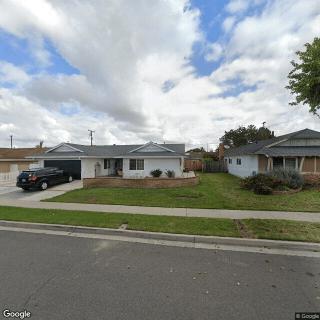

 Comprehensive Insights into Palliative Home Care: What It Is and What to Expect
 Skilled Nursing Facilities vs. Nursing Homes: Making Sense of the Differences
 A Detailed Examination of Nursing Home Costs Across the U.S.