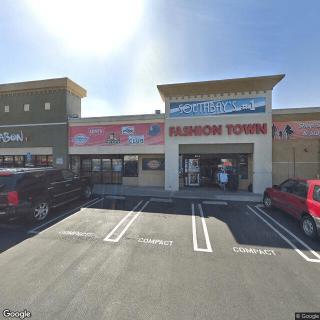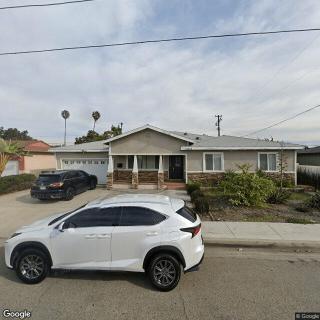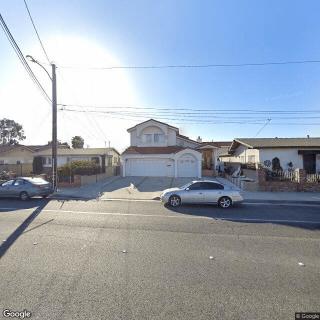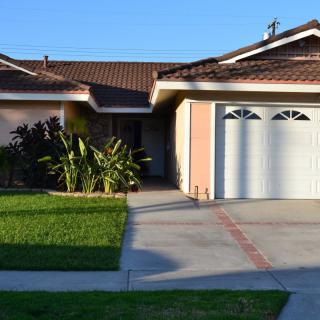
Gardenia Home Care II in Fountain Valley, CA

Save
Gardenia Home Care II

Gardenia Home Care II in Fountain Valley, CA

9460 Cormorant Circle, Fountain Valley, CA 92708

For more information about senior living options: (844) 490-3973

3.4 from 7 reviews
5 stars
2
4 stars
3
3 stars
0
2 stars
0
1 stars
2

Assisted Living Board and Care Home Respite Care

Gardenia Home Care II Costs & Pricing

Gardenia Home Care II offers competitive pricing for its services compared to broader regional averages in Orange County and California as a whole. For those seeking semi-private accommodations, the monthly cost at Gardenia Home Care II is $3,000, which is notably more affordable than the county average of $3,431 and the statewide figure of $3,333. Additionally, residents opting for private rooms will find that Gardenia's rate of $3,500 remains lower than both the Orange County average of $4,104 and California's overall average of $3,939. This positioning underscores Gardenia Home Care II's commitment to providing high-quality care at a cost-effective price point, making it an appealing choice for families considering long-term care options.

Floor plansGardenia Home Care IIOrange CountyCalifornia
Semi-Private$3,000$3,431$3,333
Private$3,500$4,104$3,939

Overall Review of Gardenia Home Care II

Pros

  • pro Right at Home provided excellent service in an urgent situation.
  • pro Right at Home accommodated last-minute needs with no hidden fees or contracts.
  • pro The reviewer would definitely use the service again in the future as their parents age.
  • pro The room was nice, clean, and cheery with a bath.
  • pro The rooms were very nice, friendly, clean, and pleasant.

Review

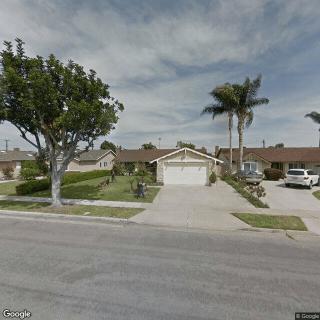
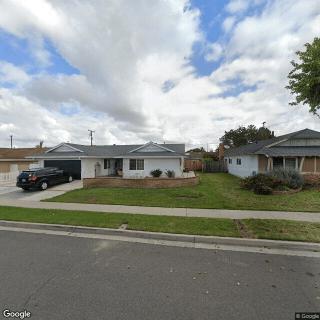
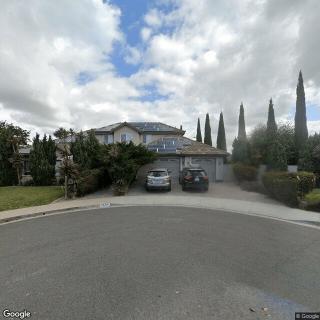
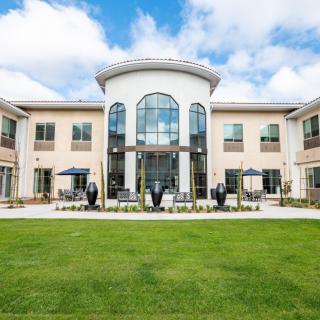
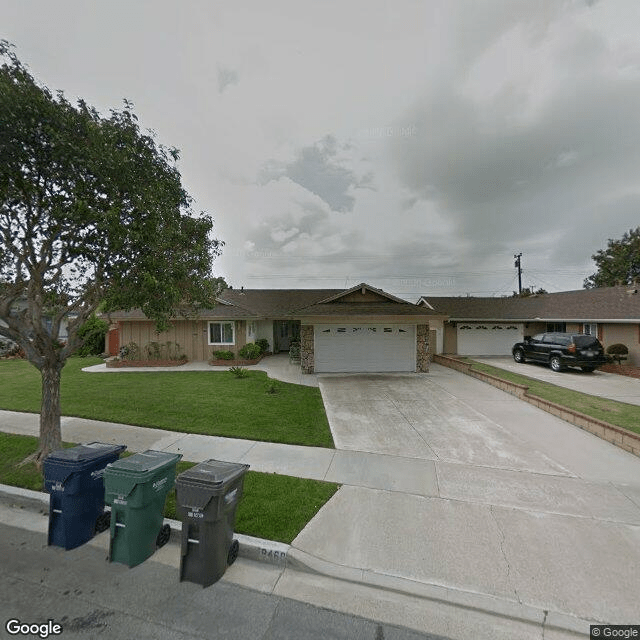
Gardenia Home Care II in Fountain Valley is best suited for families seeking a small, home-like setting where care feels personal and management is accessible. The property projects a tidy, welcoming atmosphere with clean, well-kept rooms and a landscaped exterior that supports a calm, low-key daily life. A notable signal is that the owner is described as residing in a nearby second home, which suggests a hands-on, family-style approach to daily operations and resident well-being. For families prioritizing warmth, direct communication, and a sense of immediacy in addressing concerns, Gardenia can feel more approachable than a larger, impersonal campus.

That said, potential residents should consider alternatives if a larger community with broader clinical services is essential. The community's overall score sits at 3.4 stars from seven reviews, with a spread of two five-star, three four-star, and two one-star ratings. The presence of multiple low-rated experiences cannot be ignored, signaling that not every family will obtain the same level of satisfaction. For those who require robust memory care, formal clinical oversight, or a wide array of structured activities and amenities, a bigger, professionally resourced facility may be a safer bet.

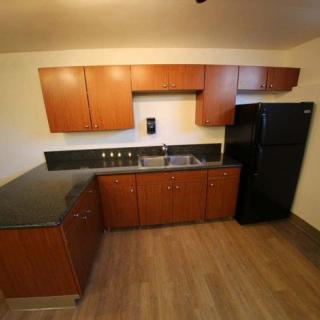
On the positives, the environment conveys a sense of simplicity and care that many families value. Descriptions highlight pleasant, clean rooms with functioning baths and cheerful surroundings, alongside friendly staff and a well-maintained exterior. The suggestion of a second-home arrangement implies flexibility in housing options and a potential for easier, more personalized scheduling or room changes. In contexts where residents thrive on direct access to whoever is running the place, this setup can translate to quicker problem-solving and a higher degree of personal attention.

The lower end of the experience spectrum is not fully defined in the available notes, but the existence of 1-star reviews warrants a careful, targeted inquiry. Prospective residents should probe for specifics during tours: how often staff are on duty, what the daily programming looks like, how meals are handled, and whether there is consistent oversight of care plans. Without clear, current details, those negative ratings stand as a meaningful reminder that a homier, smaller operation can also mean less predictable consistency in services, schedules, or response times.

The key to Gardenia's value proposition lies in how its intimate, hands-on approach aligns with family priorities. For caregivers prioritizing a warm, controllable atmosphere and direct access to ownership, the advantages - personalized communication, a home-like vibe, and approachable management - can outweigh the potential drawbacks of a smaller scale. However, for families that need standardized care protocols, predictable staffing ratios, and a broad menu of clinical or therapeutic programs, those advantages may not fully compensate for the gaps. The best approach is a direct, comprehensive visit, with conversations that surface current staffing patterns, care coordination practices, and resident satisfaction.

In the end, Gardenia Home Care II offers a practical, emotionally resonant option for a specific mix of needs: a compact, personable environment where residents can enjoy pleasant accommodations and responsive, on-site leadership. It is less compelling for those prioritizing expansive services, rigorous clinical oversight, or a large, activity-rich campus. Families weighing this choice should balance the appeal of a home-forward setting against the importance of consistent care standards and full-spectrum programming. If these latter elements are priorities, exploring larger, well-documented options - where staffing models and activity calendars are routinely published and reviewed - will yield clearer alignment with expectations.

Features

Housing

  • 6 resident community capacity 6 resident community capacity

Types of Care

  • Assisted Living Assisted LivingAssisted living facilities provide crucial support and care for seniors who may need help with daily tasks such as medication management, bathing, and meal preparation. These communities offer a safe and comfortable environment where seniors can maintain their independence while receiving the assistance they need to thrive in their golden years.
  • Board and Care Home Board and Care HomeBoard and care homes provide a smaller, more intimate setting for seniors who require assistance with daily tasks but do not need the level of care offered by a nursing home. They offer personalized care, meals, and social activities in a homelike environment, ensuring that seniors receive individualized attention and support in their golden years.
  • Respite Care Respite CareRespite care provides temporary relief for caregivers, allowing them to recharge and attend to their own needs. It also gives seniors the opportunity to socialize, receive professional care, and experience a change of scenery, promoting overall well-being and reducing feelings of isolation.

Pets

  • Cats allowed Cats allowed"Pet friendly" senior living communities are important for seniors because pets provide companionship, reduce feelings of loneliness and depression, promote physical activity and mental stimulation, and offer a sense of purpose and responsibility. Pets can improve overall well-being and quality of life for seniors in many ways.
  • Dogs allowed Dogs allowed"Pet friendly" senior living communities are important for seniors because pets provide companionship, reduce feelings of loneliness and depression, promote physical activity and mental stimulation, and offer a sense of purpose and responsibility. Pets can improve overall well-being and quality of life for seniors in many ways.

Amenities

  • Activities off-site Activities off-siteEngaging in off-site activities is crucial for seniors to maintain social connections, stay active, and stimulate their minds. It promotes overall well-being and helps combat feelings of isolation and loneliness.
  • Activities on-site Activities on-siteActivities on-site are important for seniors because they provide opportunities for socialization, mental stimulation, physical activity, and overall well-being. Engaging in activities can help seniors stay active, maintain their independence, and improve their quality of life.
  • Cable or satellite TV Cable or satellite TVCable or satellite TV is important for seniors because it provides entertainment, news, and companionship, helping to combat loneliness and boredom. It also offers a wide range of programming options tailored to different interests and preferences.
  • Devotional services off-site Devotional services off-siteDevotional services off-site are important for seniors as they provide spiritual nourishment, social engagement, and a sense of community outside of the senior living facility. This can enhance overall well-being and help combat feelings of isolation and loneliness often experienced by older adults.
  • Devotional services on-site Devotional services on-siteDevotional services on-site provide seniors with spiritual support and a sense of community, as well as an opportunity for reflection and guidance during their senior living experience. This can promote emotional well-being and connection to others, leading to a more fulfilling and enriching lifestyle in their later years.
  • Dining room Dining roomDining rooms are important for seniors as they provide a space for socialization, connection, and nutritious meals. They offer opportunities for residents to bond over shared meals, foster a sense of community, and promote healthy eating habits. Dining rooms also ensure that seniors have access to well-balanced meals tailored to their dietary needs and preferences.
  • Fully furnished Fully furnishedFully furnished senior living communities are important for seniors because they provide convenience, comfort, and a hassle-free moving experience. Seniors can easily settle into their new living space without the stress of having to buy and move furniture. This allows them to focus on enjoying their new home and community.
  • Garden GardenGardens are important for seniors as they provide a peaceful and therapeutic environment for relaxation, physical activity, and socialization. Being in nature has been shown to reduce stress, improve mood, and promote overall well-being. Gardens also offer opportunities for seniors to engage in gardening activities, which can improve mobility, flexibility, and cognitive function. Additionally, gardens create a sense of community and connection with others who share a passion for plants and outdoor spaces.
  • Housekeeping services Housekeeping servicesHousekeeping services are important for seniors because they help maintain a clean and safe living environment, promote independence, and reduce the risk of accidents or illnesses. Additionally, having assistance with household chores can alleviate physical strain and allow seniors to focus on other aspects of their well-being.
  • Indoor common areas Indoor common areasIndoor common areas are crucial for seniors as they provide a space for socialization, recreation, and community engagement, promoting overall well-being and reducing feelings of isolation and loneliness.
  • Move-in coordination Move-in coordinationMove-in coordination is important for seniors because it helps ease the transition into their new living environment. It ensures that all logistics, such as packing, organizing movers, and setting up utilities are taken care of, allowing seniors to focus on settling in and adjusting to their new home. Having a smooth move-in process can alleviate stress and anxiety, making the transition smoother and more enjoyable for seniors.
  • Outdoor common areas Outdoor common areasOutdoor common areas are important for seniors as they provide a space for socialization, physical activity, and relaxation. Being outside in nature can improve mood and overall well-being, while also encouraging movement and engagement with others. These spaces can help combat feelings of isolation and promote a sense of community among residents.
  • Outdoor space Outdoor spaceOutdoor spaces are important for seniors as they provide opportunities for physical activity, social interaction, exposure to natural light and fresh air, and a sense of connection to nature. Having access to outdoor spaces can improve overall well-being and quality of life for older adults living in senior communities.
  • Private PrivatePrivacy is important for seniors as it allows them to maintain their independence, dignity, and sense of control over their own lives. It also gives them the space and freedom to relax, reflect, and engage in activities that bring them joy and fulfillment. Creating private spaces within senior living facilities is crucial for promoting overall well-being and quality of life.
  • Telephone TelephoneTelephones are important for seniors as they provide a lifeline for communication with loved ones, emergency services, and healthcare providers. They offer a sense of security and independence, enabling seniors to stay connected and access assistance when needed.
  • Wheelchair accessible showers Wheelchair accessible showersWheelchair accessible showers are crucial for seniors as they provide a safe and independent bathing option for those with mobility challenges. These showers help prevent falls and allow seniors to maintain their dignity and autonomy while ensuring they can bathe comfortably.
  • Wi-Fi/high-speed internet available Wi-Fi/high-speed internet availableWi-Fi/high-speed internet is important for seniors to stay connected with loved ones, access online resources, and participate in virtual activities to combat feelings of loneliness and isolation. It also allows them to easily manage healthcare needs, access entertainment, and engage in lifelong learning opportunities.

Transportation

  • John Wayne Orange Co (6 miles away) John Wayne Orange Co (6 miles away)
  • Long Beach (Daugherty) (14 miles away) Long Beach (Daugherty) (14 miles away)

Care Services

  • 24-hour supervision 24-hour supervision24-hour supervision is important for seniors to ensure their safety, well-being, and access to immediate assistance in case of emergencies or health issues. This constant support provides peace of mind for both seniors and their loved ones, allowing them to age in place with dignity and security.
  • Activities of daily living assistance Activities of daily living assistanceActivities of daily living assistance are important for seniors because they provide essential support with tasks such as eating, bathing, dressing, and mobility. This assistance helps seniors maintain their independence, dignity, and overall quality of life as they age.
  • Ambulatory care Ambulatory care"Ambulatory care services provide essential medical support and treatment to seniors without requiring hospitalization, allowing them to maintain their independence and quality of life while managing chronic conditions or receiving routine medical care."
  • Assistance with bathing Assistance with bathingAssistance with bathing is crucial for seniors as it helps maintain personal hygiene, prevents infections, and ensures their overall well-being and comfort. It also provides a sense of dignity and independence for seniors who may struggle with this task on their own.
  • Assistance with dressing Assistance with dressingAssistance with dressing is important for seniors because it helps maintain their independence, promotes personal hygiene, prevents accidents and injuries, and improves overall quality of life. This service ensures that seniors can continue to dress comfortably and confidently, despite any physical limitations they may have.
  • Assistance with transfers Assistance with transfersAssistance with transfers is crucial for seniors as it helps prevent falls and injuries, maintains their independence, and ensures they can safely navigate their living environment. It also provides peace of mind for both seniors and their loved ones.
  • Coordination with health care providers Coordination with health care providersCoordination with health care providers is crucial for seniors to ensure proper medical care, medication management, and overall well-being. This collaboration helps prevent overlapping treatments, track progress more effectively, and provide comprehensive support tailored to individual needs.
  • Diabetes diet Diabetes dietA diabetes diet is crucial for seniors as it helps manage blood sugar levels, reduce risks of complications, and improve overall health and well-being. By following a balanced and nutritious diet tailored to their specific needs, seniors can better control their diabetes and enhance their quality of life.
  • Meal preparation and service Meal preparation and serviceMeal preparation and service are crucial for seniors as they may have limited mobility or energy to cook nutritious meals. Having access to healthy and convenient food options can ensure they are getting the proper nutrition needed to maintain their overall health and well-being.
  • Medication management Medication managementMedication management is crucial for seniors to ensure they are taking the right medications at the correct dosages and times. This helps prevent adverse drug interactions, reduces the risk of medication errors, and promotes overall health and well-being. Proactive management also allows for adjustments as needed based on changing health conditions or new prescriptions.
  • Special dietary restrictions Special dietary restrictionsSpecial dietary restrictions are important for seniors because age-related changes in metabolism and health conditions can make it difficult for their bodies to process certain foods. By following a diet tailored to their specific needs, seniors can maintain their overall health and well-being, manage chronic conditions, and reduce the risk of complications such as malnutrition or food interactions with medications.
  • Transportation arrangement (medical) Transportation arrangement (medical)Transportation arrangements for medical purposes are essential for seniors as they may have difficulty driving themselves to appointments or accessing public transportation. Having reliable and safe transportation options ensures that seniors can receive timely medical care and maintain their health and well-being.
  • Transportation to doctors appointments Transportation to doctors appointmentsTransportation to doctors' appointments is crucial for seniors as it ensures they have access to necessary medical care and support for their health needs. Without reliable transportation, seniors may struggle to attend important appointments, leading to potential delays in treatment and health complications. Providing transportation services helps seniors maintain their overall well-being and quality of life.
Dining

  • Diabetes diet Diabetes dietA diabetes diet is crucial for seniors as it helps manage blood sugar levels, reduce risks of complications, and improve overall health and well-being. By following a balanced and nutritious diet tailored to their specific needs, seniors can better control their diabetes and enhance their quality of life.
  • Meals provided Meals provided"Meals provided" are crucial for seniors in assisted living communities as it ensures they have access to nutritious, balanced meals without the stress of meal planning and preparation. This can help promote overall health and well-being for seniors who may have limited mobility or cognitive abilities.
  • Special dietary restrictions Special dietary restrictionsSpecial dietary restrictions are important for seniors because age-related changes in metabolism and health conditions can make it difficult for their bodies to process certain foods. By following a diet tailored to their specific needs, seniors can maintain their overall health and well-being, manage chronic conditions, and reduce the risk of complications such as malnutrition or food interactions with medications.

Activities

  • Activities off-site Activities off-siteEngaging in off-site activities is crucial for seniors to maintain social connections, stay active, and stimulate their minds. It promotes overall well-being and helps combat feelings of isolation and loneliness.
  • Activities on-site Activities on-siteActivities on-site are important for seniors because they provide opportunities for socialization, mental stimulation, physical activity, and overall well-being. Engaging in activities can help seniors stay active, maintain their independence, and improve their quality of life.
  • Community-sponsored activities Community-sponsored activitiesCommunity-sponsored activities are important for seniors as they provide opportunities for social interaction, mental stimulation, and physical activity. These activities can help improve overall well-being, combat loneliness and isolation, and promote a sense of belonging and purpose among older adults.
  • Devotional activities offsite Devotional activities offsiteDevotional activities offsite are important for seniors because they provide social engagement, spiritual growth, and a sense of community outside of their living environment. This can improve overall well-being, mental health, and combat feelings of isolation or loneliness.
  • Devotional activities on-site Devotional activities on-siteDevotional activities on-site provide seniors with a sense of community, spiritual fulfillment, and emotional support, promoting overall well-being and a positive sense of purpose in their lives.
  • Scheduled daily activities Scheduled daily activitiesScheduled daily activities are important for seniors because they provide structure, socialization, mental stimulation, and physical activity. Engaging in regular activities can improve overall well-being and quality of life for seniors living in a community setting.

Description

Gardenia Home Care II is an exceptional assisted living community located in Fountain Valley, CA. With a focus on providing compassionate care and support, they offer both board and care home services as well as respite care for those in need of temporary assistance.

The community boasts a wide range of amenities to enhance the residents' quality of life. There are ample activities available on-site to engage and entertain, ensuring that there is always something enjoyable to do. Residents can also enjoy their favorite shows or movies with the availability of cable or satellite TV. Devotional services are offered both off-site and on-site for those seeking spiritual fulfillment.

Mealtimes at Gardenia Home Care II are a delight as well. The dining room provides a pleasant environment for residents to enjoy nutritious meals prepared by the skilled staff. Any special dietary restrictions are accommodated to ensure each individual's specific needs are met.

The comfortable and fully furnished accommodations make it feel like home for every resident. Housekeeping services keep the living spaces tidy, allowing residents more time to pursue their interests. The indoor common areas provide opportunities for socialization and relaxation, while the outdoor common areas offer fresh air and beautiful surroundings.

Residents can rest easy knowing that move-in coordination is provided to assist them during the transition process. Wheelchair accessible showers contribute to a safe bathing experience, while Wi-Fi/high-speed internet access keeps everyone connected with friends and family.

Gardenia Home Care II offers comprehensive care services tailored to each resident's needs. Trained staff members provide assistance with daily activities such as bathing, dressing, and transfers. Coordination with healthcare providers ensures that medical needs are properly addressed. Medication management and diabetes diets are meticulously followed, safeguarding the health of all individuals.

Transportation arrangements make it convenient for residents to reach medical appointments when needed. Additionally, the community benefits from its proximity to several cafes, parks, pharmacies, restaurants, theaters, and hospitals, providing residents with easy access to various amenities and services.

Ultimately, at Gardenia Home Care II, residents can expect personalized care in a warm and welcoming environment.

Nearby Places of Interest

This part of Fountain Valley, California is a convenient and accessible neighborhood with various amenities nearby. The area offers several pharmacies such as Walgreens and CVS Pharmacy within a short distance, making it easy for seniors to access their medication needs. There are also plenty of parks for leisurely walks and outdoor activities, including Mile Square Regional Park and Huntington Central Park. Dining options range from casual fast-food joints like In-N-Out Burger to upscale restaurants like The Capital Grille. Additionally, there are cafes like Northside Cafe and Starbucks for socializing and enjoying a cup of coffee. For healthcare needs, hospitals such as Kindred Hospital Westminster and Hoag Hospital Newport Beach are situated close by, along with physician offices like Newport Heart North and Newport Orthopedic Institute. Transportation is convenient with John Wayne Airport just 6 miles away for those who may need to travel frequently. Overall, this neighborhood provides a well-rounded living environment with easy access to essential services for seniors looking to settle in Fountain Valley.

Pharmacies

  • Walgreens (0.9 miles)
  • CVS Pharmacy (1.3 miles)
  • Walgreens (1.6 miles)
  • CVS Pharmacy (1.7 miles)
  • CVS Pharmacy (1.7 miles)
  • CVS Pharmacy (2 miles)
  • Walgreens (2.4 miles)

Parks

  • Mile Square Regional Park (2.2 miles)
  • Huntington Central Park (2.4 miles)
  • Huntington Central Park (2.8 miles)
  • Seeley Park (3.5 miles)
  • Huntington State Beach (4 miles)
  • Faylane Park (6.7 miles)
  • Bonita Canyon Park (7.9 miles)

Restaurants

  • Brodard Restaurant (2.3 miles)
  • In-N-Out Burger (2.6 miles)
  • Raising Cane's Chicken Fingers (2.7 miles)
  • Din Tai Fung (4.4 miles)
  • The Capital Grille (4.4 miles)
  • Boudin SF (4.4 miles)
  • Dick Church's Restaurant (4.5 miles)

Theaters

  • Century Huntington Beach And Xd (3 miles)
  • AMC Movie Theater (7.2 miles)
  • Amc Tustin 14 At The District (7.8 miles)

Cafes

  • Northside Cafe (3.7 miles)
  • Starbucks (3.8 miles)
  • MoonGoat Coffee Roasters (3.9 miles)
  • Nespresso Boutique at Bloomingdale's (4.4 miles)
  • Starbucks (4.9 miles)
  • Honor Coffee Roasters (5.8 miles)
  • Blue Bottle Coffee (5.8 miles)

Hospitals

  • Kindred Hospital Westminster (5 miles)
  • Hoag Hospital Newport Beach (5.3 miles)
  • Choc (8.1 miles)

Physicians

  • Newport Heart North (5.2 miles)
  • The 200 Building (7.5 miles)
  • Newport Orthopedic Institute (7.9 miles)

Transportation

  • John Wayne Airport (SNA) (6 miles)
  • Terminal A (6 miles)
  • Hertz Rent A Car (8 miles)
  • Disneyland Monorail - Downtown Disney District Station (8.1 miles)

Frequently Asked Questions

How much does it cost to live at Gardenia Home Care II in Fountain Valley, CA?
Where is Gardenia Home Care II?
Does Gardenia Home Care II allow residents to have pets?

Nearby Communities

  • Loving Care Senior Home

    Loving Care Senior Home

    Fountain Valley, CA

     
    $2,700 to $3,500 / month

    pro Small, intimate 6-resident setting with personalized care, affordable pricing for Orange County, and broad care options (including memory care and high-acuity support) plus pet-friendly amenities and engaging activities.

  • Sunny Days Home Care 1

    Sunny Days Home Care 1

    Fountain Valley, CA

     
    $3,000 / month

    pro Affordable private rooms in a small, intimate board?and?care setting with comprehensive daily care.

  • Crystal Care Home

    Crystal Care Home

    Fountain Valley, CA


    pro Small, intimate setting with 24/7 supervision and diabetes-friendly meals.

  • Renaissance Home Care

    Renaissance Home Care

    Fountain Valley, CA

     
    $1,800 to $3,000 / month

    pro Affordable pricing compared to Orange County and California averages

  • Fountain Gardens #2

    Fountain Gardens #2

    Fountain Valley, CA

     
    $2,500 to $3,500 / month

    pro Specialized memory care with private rooms and high-acuity support.

  • Fountain Valley Senior Care

    Fountain Valley Senior Care

    Fountain Valley, CA

    4.5 from 8 reviews
    $5,000 / month

    pro Intimate, family-style memory care with private rooms and attentive staff.

  • Sea Cliff Healthcare Center

    Sea Cliff Healthcare Center

    Huntington Beach, CA

    4.1 from 124 reviews
     

    pro Compassionate staff in some reviews

  • Park View Estates Transitional Assisted Living and Memory Care

    Park View Estates Transitional Assisted Living and Memory Care

    Fountain Valley, CA

    4.2 from 60 reviews
    $3,400 to $6,100 / month

    pro Friendly, attentive staff in a clean, well-maintained setting with engaging activities and good family communication.

  • Manorcare Health Services (Fountain Valley)

    Manorcare Health Services (Fountain Valley)

    Fountain Valley, CA

    2.8 from 81 reviews
     

    pro Extensive amenities and broad care services.

Related Resources

  • activities of daily livingComprehensive Insights into Activities of Daily Living (ADLs) and Their Assessment

    Activities of Daily Living (ADLs) are fundamental tasks vital for an individual's independence, particularly in older adults over 85, and include functions like bathing and dressing; assessing ADLs alongside Instrumental Activities of Daily Living (IADLs) helps determine the level of required assistance due to age-related health challenges. Tailored support plans, involving family and community resources, are essential for maintaining dignity and autonomy in assisted living environments.

  • does medicare pay for assisted livingMedicare Coverage for Assisted Living: An In-Depth Exploration

    Medicare does not cover assisted living costs, as it focuses on acute medical needs and short-term care, with exceptions for certain medically necessary services like physical therapy. Individuals must explore other options such as Medicaid, veterans' benefits, or long-term care insurance to manage these expenses effectively.

  • assisted living vs nursing homeChoosing the Right Senior Care: A Detailed Exploration of Assisted Living and Nursing Homes

    Choosing between assisted living and nursing homes involves evaluating emotional and financial factors, with assisted living offering independence and support for daily activities at a lower cost, while nursing homes provide intensive medical care for individuals with significant health needs. The decision is influenced by personal preferences, health status, cognitive function, and varying Medicaid coverage across states.