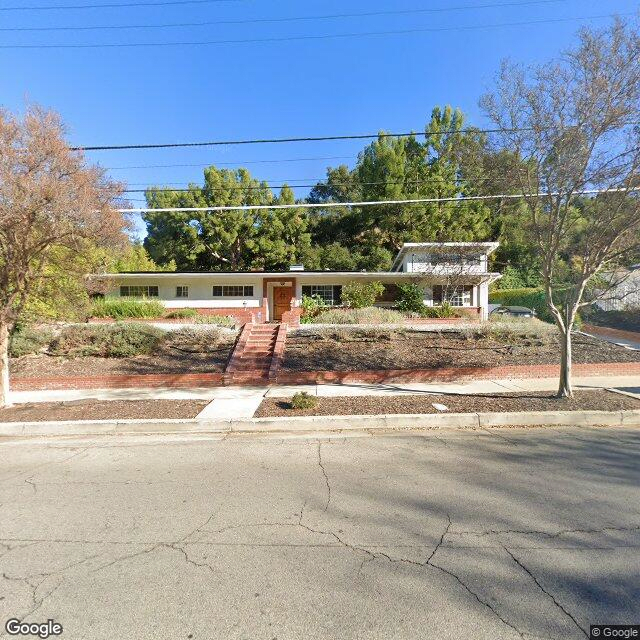
The Nest in Encino, CA

Save
The Nest

The Nest in Encino, CA

4100 Hayvenhurst Avenue, Encino, CA 91436

For more information about senior living options: (844) 490-3973

3.7 from 6 reviews
5 stars
4
4 stars
0
3 stars
0
2 stars
0
1 stars
2

Assisted Living Board and Care Home Memory Care

The Nest Costs & Pricing

The Nest offers a unique pricing structure for its residents that reflects the premium services and amenities provided. For a semi-private room, the cost is set at $5,000 per month, which is notably higher than both the average in Los Angeles County at $3,349 and the statewide average of $3,333. Similarly, the private room rate at The Nest is priced at $6,000 monthly, surpassing Los Angeles County's average of $4,197 and California's average of $3,939. This pricing strategy positions The Nest as a more upscale option within the market while emphasizing its commitment to high-quality care and an enriching living environment.

Floor plansThe NestLos Angeles CountyCalifornia
Semi-Private$5,000$3,349$3,333
Private$6,000$4,197$3,939

Overall Review of The Nest

Pros

  • pro Beautiful Board and Care with lots of services.
  • pro My Mom lives in the is board and care and it is wonderful.

Cons

  • pro They witnessed board & care at its worst.
  • pro There were several disconcerting incidences at the Nest.

Review

The Nest in Encino is best suited for families seeking a small, home-like board-and-care setting that offers a broad menu of services under intimate supervision. Residents in this environment benefit from closer caregiver relationships, easier channels of communication, and daily routines that can be personalized rather than dictated by a large campus schedule. It appeals to seniors who prize warmth, familiarity, and a sense of neighborhood living, coupled with a level of attentiveness that feels hands-on. This is not the right fit for those who require steady, highly regulated systems or robust medical oversight every day. For families who want to stay actively involved and advocate for evolving needs, The Nest can be a workable option; for others, it may feel too variable.

Altogether, those who need consistent staffing, predictable routines, or strong formal oversight should consider alternatives. Larger, more structured assisted living communities often deliver longer-tenured management, standardized processes, and clearer escalation paths for problems. If medical coordination or high-safety standards are non-negotiable, a facility with a proven track record for stable staffing and proactive quality assurance will likely serve better. The Nest can still work for some, but it requires a willingness to navigate potential turnover and to maintain a vigilant, hands-on role in care decisions.

The key positives at The Nest include a genuinely home-like atmosphere and a broad set of services that can cover daily living needs without feeling clinical. The intimate size can translate into responsive caregiving and a sense that staff know residents well, which supports personalized attention and quicker problem-solving. There is an accessibility and warmth that larger campuses sometimes lose, and for families who prioritize these qualities, the environment can feel reassuring. Yet these advantages do not fully counterbalance the persistent risk tied to the core operation: staffing instability can erode continuity, undermining both routines and trust when incidents occur or care moments are missed.

Two families explicitly describe a difficult arc: two years in residence with multiple staff changes and several disconcerting incidences, culminating in the decision to move their loved ones out. That outcome highlights a critical consideration - continuity of care matters as much as ambiance. When turnover affects supervision, response times, and the consistency of who administers medications or monitors safety, residents can experience avoidable stress or gaps in oversight. While other reviews praise the setting and the services, the repeated concern about staff stability serves as a real red flag for anyone weighing this option against more stable alternatives.

Practical evaluation should center on the current operational reality rather than past sentiment. Prospective families should demand an up-to-date staffing plan, including turnover rates, shift patterns, and the tenure of frontline caregivers. Request access to incident logs and a clear process for updating care plans when conditions change. Compare The Nest against nearby facilities with similar service levels but stronger track records for consistency and accountability. The objective is to determine whether the favorable elements - home-like feel and breadth of services - will endure, and whether there are effective pathways to address future concerns promptly.

Bottom line: The Nest can be a good fit for a profile that values intimate, service-rich living and is prepared for active oversight from families or guardians. For those prioritizing reliability, continuity, and a track record of steady staffing, consider alternatives more likely to deliver consistent care and predictable outcomes. If choosing The Nest, pursue a rigorous visit protocol, obtain current staffing data, and arrange a trial period or contingency plan to test how well the environment sustains safety and satisfaction over time. With clear expectations and proactive oversight, The Nest may deliver a warm, capable setting; without vigilant governance, the potential benefits risk being outweighed by instability.

Features

Housing

  • 6 resident community capacity 6 resident community capacity

Types of Care

  • Assisted Living Assisted LivingAssisted living facilities provide crucial support and care for seniors who may need help with daily tasks such as medication management, bathing, and meal preparation. These communities offer a safe and comfortable environment where seniors can maintain their independence while receiving the assistance they need to thrive in their golden years.
  • Board and Care Home Board and Care HomeBoard and care homes provide a smaller, more intimate setting for seniors who require assistance with daily tasks but do not need the level of care offered by a nursing home. They offer personalized care, meals, and social activities in a homelike environment, ensuring that seniors receive individualized attention and support in their golden years.
  • Memory Care Memory CareMemory care is crucial for seniors as it provides specialized support and services for individuals with dementia or Alzheimer's disease. These programs offer a safe and secure environment where residents receive personalized care, cognitive stimulation, and help with daily activities. Memory care helps seniors maintain their independence, quality of life, and dignity while also providing peace of mind for their families.

Pets

  • Dogs allowed Dogs allowed"Pet friendly" senior living communities are important for seniors because pets provide companionship, reduce feelings of loneliness and depression, promote physical activity and mental stimulation, and offer a sense of purpose and responsibility. Pets can improve overall well-being and quality of life for seniors in many ways.

Amenities

  • Activities off-site Activities off-siteEngaging in off-site activities is crucial for seniors to maintain social connections, stay active, and stimulate their minds. It promotes overall well-being and helps combat feelings of isolation and loneliness.
  • Activities on-site Activities on-siteActivities on-site are important for seniors because they provide opportunities for socialization, mental stimulation, physical activity, and overall well-being. Engaging in activities can help seniors stay active, maintain their independence, and improve their quality of life.
  • Air-conditioning Air-conditioningAir conditioning is important for seniors as they are more vulnerable to heat-related illnesses and may have underlying health conditions that make it difficult for them to regulate their body temperature. It helps to keep them comfortable, safe, and healthy in hot weather.
  • Bath tubs Bath tubsBath tubs are important for seniors because they provide a safe and relaxing way to bathe, helping to prevent slips and falls while promoting independence and overall well-being.
  • Beautician on-site Beautician on-siteHaving a beautician on-site at a senior living community is important for seniors as it allows them to easily access grooming and personal care services, boosting their self-esteem and overall well-being. It also provides convenience and helps seniors maintain their sense of independence and personal style.
  • Cable or satellite TV Cable or satellite TVCable or satellite TV is important for seniors because it provides entertainment, news, and companionship, helping to combat loneliness and boredom. It also offers a wide range of programming options tailored to different interests and preferences.
  • Devotional services off-site Devotional services off-siteDevotional services off-site are important for seniors as they provide spiritual nourishment, social engagement, and a sense of community outside of the senior living facility. This can enhance overall well-being and help combat feelings of isolation and loneliness often experienced by older adults.
  • Devotional services on-site Devotional services on-siteDevotional services on-site provide seniors with spiritual support and a sense of community, as well as an opportunity for reflection and guidance during their senior living experience. This can promote emotional well-being and connection to others, leading to a more fulfilling and enriching lifestyle in their later years.
  • Dining room Dining roomDining rooms are important for seniors as they provide a space for socialization, connection, and nutritious meals. They offer opportunities for residents to bond over shared meals, foster a sense of community, and promote healthy eating habits. Dining rooms also ensure that seniors have access to well-balanced meals tailored to their dietary needs and preferences.
  • Fully furnished Fully furnishedFully furnished senior living communities are important for seniors because they provide convenience, comfort, and a hassle-free moving experience. Seniors can easily settle into their new living space without the stress of having to buy and move furniture. This allows them to focus on enjoying their new home and community.
  • Garden GardenGardens are important for seniors as they provide a peaceful and therapeutic environment for relaxation, physical activity, and socialization. Being in nature has been shown to reduce stress, improve mood, and promote overall well-being. Gardens also offer opportunities for seniors to engage in gardening activities, which can improve mobility, flexibility, and cognitive function. Additionally, gardens create a sense of community and connection with others who share a passion for plants and outdoor spaces.
  • Ground floor units Ground floor unitsGround floor units are important for seniors because they provide easy accessibility, reduced risk of falls and injuries, and convenience for those with mobility issues. Seniors can avoid climbing stairs or using elevators, making daily tasks and activities more manageable and enjoyable.
  • Handicap accessible Handicap accessible"Handicap accessible" amenities are crucial for seniors to ensure they can easily navigate and access facilities, services, and activities without barriers or limitations due to physical impairments. This promotes independence, safety, and inclusivity for seniors in senior living communities.
  • Housekeeping services Housekeeping servicesHousekeeping services are important for seniors because they help maintain a clean and safe living environment, promote independence, and reduce the risk of accidents or illnesses. Additionally, having assistance with household chores can alleviate physical strain and allow seniors to focus on other aspects of their well-being.
  • Indoor common areas Indoor common areasIndoor common areas are crucial for seniors as they provide a space for socialization, recreation, and community engagement, promoting overall well-being and reducing feelings of isolation and loneliness.
  • Kitchenette KitchenetteKitchenettes are important for seniors living in senior living communities because they provide the convenience and independence of being able to prepare simple meals and snacks in the comfort of their own living space. This can help promote a sense of autonomy and well-being for seniors, allowing them to maintain some level of control over their dietary choices and daily routines.
  • Move-in coordination Move-in coordinationMove-in coordination is important for seniors because it helps ease the transition into their new living environment. It ensures that all logistics, such as packing, organizing movers, and setting up utilities are taken care of, allowing seniors to focus on settling in and adjusting to their new home. Having a smooth move-in process can alleviate stress and anxiety, making the transition smoother and more enjoyable for seniors.
  • Outdoor common areas Outdoor common areasOutdoor common areas are important for seniors as they provide a space for socialization, physical activity, and relaxation. Being outside in nature can improve mood and overall well-being, while also encouraging movement and engagement with others. These spaces can help combat feelings of isolation and promote a sense of community among residents.
  • Outdoor space Outdoor spaceOutdoor spaces are important for seniors as they provide opportunities for physical activity, social interaction, exposure to natural light and fresh air, and a sense of connection to nature. Having access to outdoor spaces can improve overall well-being and quality of life for older adults living in senior communities.
  • Private PrivatePrivacy is important for seniors as it allows them to maintain their independence, dignity, and sense of control over their own lives. It also gives them the space and freedom to relax, reflect, and engage in activities that bring them joy and fulfillment. Creating private spaces within senior living facilities is crucial for promoting overall well-being and quality of life.
  • Private bathrooms Private bathroomsPrivate bathrooms are important for seniors in senior living communities because they provide independence, dignity, and comfort. Having a private bathroom allows seniors to maintain their personal hygiene routines without the need for assistance, promoting a sense of autonomy and privacy. Additionally, private bathrooms help prevent the spread of infections and provide a safe and clean environment for seniors to navigate safely.
  • Respite or short term stays offered Respite or short term stays offeredRespite or short term stays provide seniors with a temporary solution when their regular caregiver is unavailable, offering them the opportunity to receive additional care and support during times of need, while also giving caregivers a chance to rest and recharge.
  • Swimming pool / hot tub Swimming pool / hot tubSwimming pools and hot tubs are important for seniors as they provide a safe and enjoyable way to stay active, improve mobility, reduce joint pain, and promote relaxation. Regular use of these amenities can contribute to overall well-being and quality of life for older adults living in senior communities.
  • Telephone TelephoneTelephones are important for seniors as they provide a lifeline for communication with loved ones, emergency services, and healthcare providers. They offer a sense of security and independence, enabling seniors to stay connected and access assistance when needed.
  • Wheelchair accessible showers Wheelchair accessible showersWheelchair accessible showers are crucial for seniors as they provide a safe and independent bathing option for those with mobility challenges. These showers help prevent falls and allow seniors to maintain their dignity and autonomy while ensuring they can bathe comfortably.
  • Wi-Fi/high-speed internet available Wi-Fi/high-speed internet availableWi-Fi/high-speed internet is important for seniors to stay connected with loved ones, access online resources, and participate in virtual activities to combat feelings of loneliness and isolation. It also allows them to easily manage healthcare needs, access entertainment, and engage in lifelong learning opportunities.

Transportation

  • Burbank-Glendale-Pasadena (9 miles away) Burbank-Glendale-Pasadena (9 miles away)
  • Los Angeles International (15 miles away) Los Angeles International (15 miles away)

Care Services

  • 24-hour supervision 24-hour supervision24-hour supervision is important for seniors to ensure their safety, well-being, and access to immediate assistance in case of emergencies or health issues. This constant support provides peace of mind for both seniors and their loved ones, allowing them to age in place with dignity and security.
  • Activities of daily living assistance Activities of daily living assistanceActivities of daily living assistance are important for seniors because they provide essential support with tasks such as eating, bathing, dressing, and mobility. This assistance helps seniors maintain their independence, dignity, and overall quality of life as they age.
  • Ambulatory care Ambulatory care"Ambulatory care services provide essential medical support and treatment to seniors without requiring hospitalization, allowing them to maintain their independence and quality of life while managing chronic conditions or receiving routine medical care."
  • Assistance with bathing Assistance with bathingAssistance with bathing is crucial for seniors as it helps maintain personal hygiene, prevents infections, and ensures their overall well-being and comfort. It also provides a sense of dignity and independence for seniors who may struggle with this task on their own.
  • Assistance with dressing Assistance with dressingAssistance with dressing is important for seniors because it helps maintain their independence, promotes personal hygiene, prevents accidents and injuries, and improves overall quality of life. This service ensures that seniors can continue to dress comfortably and confidently, despite any physical limitations they may have.
  • Assistance with transfers Assistance with transfersAssistance with transfers is crucial for seniors as it helps prevent falls and injuries, maintains their independence, and ensures they can safely navigate their living environment. It also provides peace of mind for both seniors and their loved ones.
  • Coordination with health care providers Coordination with health care providersCoordination with health care providers is crucial for seniors to ensure proper medical care, medication management, and overall well-being. This collaboration helps prevent overlapping treatments, track progress more effectively, and provide comprehensive support tailored to individual needs.
  • Diabetes diet Diabetes dietA diabetes diet is crucial for seniors as it helps manage blood sugar levels, reduce risks of complications, and improve overall health and well-being. By following a balanced and nutritious diet tailored to their specific needs, seniors can better control their diabetes and enhance their quality of life.
  • Diabetic care Diabetic careDiabetic care is crucial for seniors as they are more susceptible to developing diabetes due to aging and other health conditions. Proper management of diabetes can help prevent complications such as heart disease, vision loss, and nerve damage, improving the overall quality of life for seniors in senior living communities.
  • Incontinence care Incontinence careIncontinence care is essential for seniors to maintain their dignity, hygiene, and overall quality of life. By addressing incontinence issues promptly and effectively, seniors can enjoy a sense of independence and comfort in their daily activities.
  • Meal preparation and service Meal preparation and serviceMeal preparation and service are crucial for seniors as they may have limited mobility or energy to cook nutritious meals. Having access to healthy and convenient food options can ensure they are getting the proper nutrition needed to maintain their overall health and well-being.
  • Medication management Medication managementMedication management is crucial for seniors to ensure they are taking the right medications at the correct dosages and times. This helps prevent adverse drug interactions, reduces the risk of medication errors, and promotes overall health and well-being. Proactive management also allows for adjustments as needed based on changing health conditions or new prescriptions.
  • Special dietary restrictions Special dietary restrictionsSpecial dietary restrictions are important for seniors because age-related changes in metabolism and health conditions can make it difficult for their bodies to process certain foods. By following a diet tailored to their specific needs, seniors can maintain their overall health and well-being, manage chronic conditions, and reduce the risk of complications such as malnutrition or food interactions with medications.
  • Transportation arrangement (medical) Transportation arrangement (medical)Transportation arrangements for medical purposes are essential for seniors as they may have difficulty driving themselves to appointments or accessing public transportation. Having reliable and safe transportation options ensures that seniors can receive timely medical care and maintain their health and well-being.
  • Transportation to doctors appointments Transportation to doctors appointmentsTransportation to doctors' appointments is crucial for seniors as it ensures they have access to necessary medical care and support for their health needs. Without reliable transportation, seniors may struggle to attend important appointments, leading to potential delays in treatment and health complications. Providing transportation services helps seniors maintain their overall well-being and quality of life.

Dining

  • Anytime dining Anytime diningAnytime dining is important for seniors because it allows them the flexibility to eat when they are hungry, rather than being restricted to set meal times. This can be especially beneficial for those with medical conditions or medications that affect their appetite, as well as those who may have difficulty adhering to a strict dining schedule. Overall, anytime dining promotes independence and overall well-being for seniors in senior living communities.
  • Diabetes diet Diabetes dietA diabetes diet is crucial for seniors as it helps manage blood sugar levels, reduce risks of complications, and improve overall health and well-being. By following a balanced and nutritious diet tailored to their specific needs, seniors can better control their diabetes and enhance their quality of life.
  • Meals provided Meals provided"Meals provided" are crucial for seniors in assisted living communities as it ensures they have access to nutritious, balanced meals without the stress of meal planning and preparation. This can help promote overall health and well-being for seniors who may have limited mobility or cognitive abilities.
  • Restaurant style dining Restaurant style diningRestaurant style dining is important for seniors as it offers them a social and enjoyable dining experience, promotes healthy eating habits, and provides personalized menu options to cater to their dietary needs and preferences. This type of dining setting can enhance their overall quality of life and create a sense of community within the senior living facility.
  • Special dietary restrictions Special dietary restrictionsSpecial dietary restrictions are important for seniors because age-related changes in metabolism and health conditions can make it difficult for their bodies to process certain foods. By following a diet tailored to their specific needs, seniors can maintain their overall health and well-being, manage chronic conditions, and reduce the risk of complications such as malnutrition or food interactions with medications.
  • Vegetarian VegetarianA vegetarian diet is important for seniors because it can help lower the risk of chronic diseases, maintain a healthy weight, and provide essential nutrients needed for aging bodies. Additionally, plant-based diets are often easier on digestive systems and can contribute to overall well-being in older adults.

Activities

  • Art classes Art classesArt classes are important for seniors because they provide a creative outlet, improve cognitive function, reduce stress and anxiety, promote socialization, and enhance overall well-being and quality of life.
  • Catholic services Catholic servicesCatholic services are important for seniors because they provide spiritual support, a sense of community, and opportunities for social interaction that can enhance overall well-being and quality of life in their later years.
  • Community-sponsored activities Community-sponsored activitiesCommunity-sponsored activities are important for seniors as they provide opportunities for social interaction, mental stimulation, and physical activity. These activities can help improve overall well-being, combat loneliness and isolation, and promote a sense of belonging and purpose among older adults.
  • Cooking classes Cooking classesCooking classes are important for seniors as they provide opportunities for social interaction, enhance cognitive skills, promote healthy eating habits, and boost confidence in the kitchen.
  • Day trips and outings Day trips and outingsDay trips and outings are important for seniors as they provide opportunities for socialization, mental stimulation, physical activity, and a break from daily routines. These experiences can enhance overall well-being and quality of life for older adults living in senior communities.
  • Devotional activities offsite Devotional activities offsiteDevotional activities offsite are important for seniors because they provide social engagement, spiritual growth, and a sense of community outside of their living environment. This can improve overall well-being, mental health, and combat feelings of isolation or loneliness.
  • Devotional activities on-site Devotional activities on-siteDevotional activities on-site provide seniors with a sense of community, spiritual fulfillment, and emotional support, promoting overall well-being and a positive sense of purpose in their lives.
  • Happy hour Happy hourHappy hour is important for seniors as it provides a social activity that promotes camaraderie and reduces feelings of loneliness or isolation. It also offers an opportunity for older adults to relax, unwind, and enjoy some drinks or snacks in a fun and welcoming atmosphere.
  • Jewish services Jewish servicesJewish services are important for seniors as they provide a sense of community, spiritual support, and connection to their heritage and traditions. These services help enhance overall well-being and quality of life for older adults in senior living settings.
  • Live musical performances Live musical performancesLive musical performances can provide seniors with a sense of joy, nostalgia, and connection. Music has the power to evoke emotions and memories, improve mood and cognitive function, and foster social interaction among seniors. It can also serve as a form of therapy and stress relief for older adults, making it an important activity to include in senior living communities.
  • Other religious services Other religious servicesOther religious services are important for seniors as they provide a sense of community, spiritual comfort, and opportunities for socializing. These services can help seniors feel connected to their faith and maintain a sense of purpose and belonging in their later years.
  • Scheduled daily activities Scheduled daily activitiesScheduled daily activities are important for seniors because they provide structure, socialization, mental stimulation, and physical activity. Engaging in regular activities can improve overall well-being and quality of life for seniors living in a community setting.
  • Visiting Rabbi Visiting Rabbi"Visiting rabbis provide spiritual and emotional support to seniors in assisted living communities, helping them connect with their faith, find comfort in times of need, and maintain a sense of community and belonging."
  • Visiting chaplain or priest Visiting chaplain or priestHaving a visiting chaplain or priest at a senior living community is important for seniors because it provides spiritual support, comfort, and guidance during a time of life that can be challenging and uncertain. Their presence can help seniors feel connected to their faith, find peace of mind, and cope with the emotional and mental struggles they may face in their later years.
  • Wine tasting Wine tastingWine tasting can be a fun and social activity for seniors, allowing them to engage their senses, learn about different varieties of wine, and potentially meet new friends. It also offers health benefits such as improved cognitive function and reduced risk of heart disease when consumed in moderation.

Description

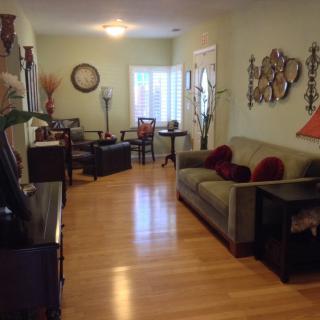
The Nest in Encino, CA is an assisted living community that offers board and care home as well as memory care services. Located in a peaceful and serene neighborhood, this community provides a comfortable and nurturing environment for seniors who require assistance with their daily activities.

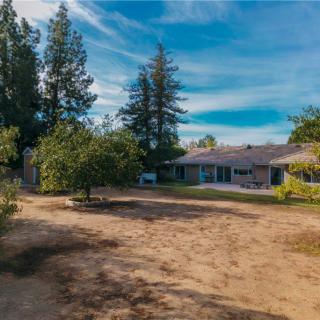
Residents at The Nest can enjoy a variety of amenities to enhance their quality of life. On-site activities are offered to keep residents engaged and entertained, while air-conditioning ensures a pleasant temperature throughout the year. Private bathrooms with bath tubs provide convenience and privacy, while fully furnished accommodations create a cozy living space. Cable or satellite TV is available for entertainment purposes, and there are indoor common areas where residents can socialize. Outdoor spaces including gardens offer opportunities for relaxation and fresh air.

The dedicated staff at The Nest provide personalized care services tailored to meet each resident's specific needs. Assistance with activities of daily living such as bathing, dressing, and transfers are provided to ensure residents' comfort and safety. Medication management is offered to ensure proper dosage and timing of medications. Special dietary restrictions such as diabetes diet or vegetarian options are accommodated during meal preparation and service.

Engaging in various activities is encouraged at The Nest. Community-sponsored activities foster socialization among residents, while cooking classes provide an opportunity for creativity in the kitchen. Day trips and outings allow residents to explore the surrounding area, while devotional activities off-site provide spiritual enrichment. Happy hour gatherings as well as live musical performances bring joy and entertainment within the community.

Nearby amenities further enhance the convenience of residing at The Nest. With cafes, pharmacies, restaurants, transportation options, places of worship, parks, theaters, and physicians located nearby, residents have easy access to essential services for their everyday needs.

At The Nest in Encino, CA seniors can rely on compassionate care and a supportive environment where they can thrive physically, emotionally, socially, and spiritually.

Nearby Places of Interest

Encino, California is a vibrant and convenient neighborhood with a variety of amenities for seniors. The area boasts several pharmacies, restaurants, theaters, parks, transportation options, physicians' offices, cafes, places of worship, and hospitals all within a reasonable distance. This provides easy access to essential services and entertainment options. Additionally, the presence of reputable healthcare facilities such as UCLA Health Woodland Hills and Kaiser Permanente Emergency ensures that residents have access to quality medical care. With its diverse range of offerings and proximity to key services, Encino could be an appealing choice for older individuals looking for a comfortable and well-equipped place to call home.

Pharmacies

  • CVS Pharmacy (0.9 miles)
  • Valley Drug & Compounding (1 miles)
  • CVS Pharmacy (1.3 miles)
  • CVS Pharmacy (2.6 miles)
  • CVS Pharmacy (2.7 miles)
  • Walgreens (2.8 miles)
  • CVS Pharmacy (3.4 miles)

Restaurants

  • The Stand American Classics Redefined (1 miles)
  • Chili's Grill & Bar (1.2 miles)
  • McDonald's (1.5 miles)
  • Uncle Bernie's Deli (1.6 miles)
  • In-N-Out Burger (2.9 miles)
  • McDonald's (3.4 miles)
  • McDonald's (3.5 miles)

Theaters

  • Regal Sherman Oaks Galleria (1.9 miles)

Parks

  • Encino Bike Path (2.7 miles)
  • Lake Balboa Park (2.9 miles)
  • Van Nuys Sherman Oaks Park (3.4 miles)
  • Serrania Park (5.2 miles)
  • Franklin Canyon Park (5.3 miles)
  • Coldwater Canyon Park (5.3 miles)
  • Top of Topanga Overlook (5.9 miles)

Transportation

  • Van Nuys Airport (VNY) (3.9 miles)
  • Van Nuys FlyAway Bus Terminal to LAX (4.5 miles)
  • North Hollywood Metro Station (7.1 miles)

Physicians

  • Southern California Orthopedic Institute (4 miles)
  • Mid-Valley Comprehensive Health Center (5.1 miles)
  • UCLA Stein Eye Institute Westwood (6.3 miles)
  • UCLA Health Woodland Hills (6.8 miles)

Cafes

  • Starbucks (4.4 miles)
  • Winnetka Bowl (5.4 miles)
  • Starbucks (6.4 miles)
  • Starbucks (6.9 miles)
  • Porto's Bakery & Cafe (7.1 miles)
  • Starbucks (7.3 miles)
  • Starbucks (7.3 miles)

Places of Worship

  • St Michael & All Angels (5 miles)
  • Immanuel Bible Church (7 miles)

Hospitals

  • Kaiser Permanente Emergency (6.4 miles)
  • Veterans Administration (6.9 miles)

Frequently Asked Questions

How much does it cost to live at The Nest in Encino, CA?
Where is The Nest?
Does The Nest provide care for residents with dementia or Alzheimer's disease?

Nearby Communities

  • TheKey of Encino,  CA

    TheKey of Encino, CA

    Encino, CA

    3.2 from 11 reviews
     

    pro 24-hour availability with quick staffing responses.

  • Comfort Keepers of Encino

    Comfort Keepers of Encino

    Encino, CA

    3.7 from 3 reviews
     

    pro Warm, welcoming atmosphere with convenient access to nearby amenities and services.

  • Athena's Caring Hearts LLC

    Athena's Caring Hearts LLC

    Encino, CA

    4.9 from 100 reviews
    $2,600 to $3,600 / month

    pro Private rooms with private bathrooms at competitive pricing.

  • California Elder Home Care,  Inc - Encino

    California Elder Home Care, Inc - Encino

    Encino, CA

    4.7 from 29 reviews
     

    pro Friendly, professional caregivers with responsive management.

  • Encino Hospital Medical Center

    Encino Hospital Medical Center

    Encino, CA

    4.1 from 100 reviews
     

    pro Comprehensive care with 24/7 supervision, medication management and engaging activities.

  • Bel Air Paradise

    Bel Air Paradise

    Los Angeles, CA

     
    $4,000 / month

    pro Private rooms with personalized care, including diabetic and high-acuity support, plus short-term respite stays.

  • AvantGarde Senior Living

    AvantGarde Senior Living

    Tarzana, CA

    4.4 from 60 reviews
    $2,000 to $4,500 / month

    pro Clean, modern facility with friendly staff and engaging activities.

  • Tarzana Health And Rehabilitation Center

    Tarzana Health And Rehabilitation Center

    Tarzana, CA

    3 from 100 reviews
     

    pro Comprehensive on-site care with 24/7 supervision, medication management, and diverse amenities.

  • Sherman Oaks Health & Rehab

    Sherman Oaks Health & Rehab

    Sherman Oaks, CA

    3.2 from 41 reviews
     

    pro Extensive amenities and care services (private bathrooms, transport, restaurant-style dining, activities, medication management).

Related Resources

  • when to move from assisted living to nursing home8 Key Indicators That Suggest It May Be Time to Transition from Assisted Living to Skilled Nursing Care

    The transition from assisted living to skilled nursing care is often prompted by complex medical needs that assisted living cannot meet, with key indicators including frequent health declines, increased falls, severe memory issues, and caregiver burnout. Families should recognize these signs early to discuss options with healthcare providers and prepare for the emotional and logistical aspects of moving to a facility that offers comprehensive medical support.

  • best foods for dementia patients to eatNourishing the Mind: Essential Dietary Approaches for Dementia

    Dementia is characterized by cognitive decline, with nutrition playing a vital role in brain health; while no specific diet can prevent or reverse it, a nutrient-dense diet rich in antioxidants and healthy fats may support cognitive function. The MIND diet, which emphasizes beneficial foods and limits processed items, along with proper hydration and individualized meal strategies, can enhance the well-being of dementia patients.

  • dementia behaviorsUnderstanding Dementia Behaviors: Practical Insights and Strategies for Caregivers

    Dementia affects memory and cognitive function in older adults, presenting challenges for caregivers due to behavioral changes such as confusion and mood swings. Compassionate, person-centered care that considers individual history and preferences, along with effective communication and environmental modifications, is essential for supporting both patients and their caregivers.