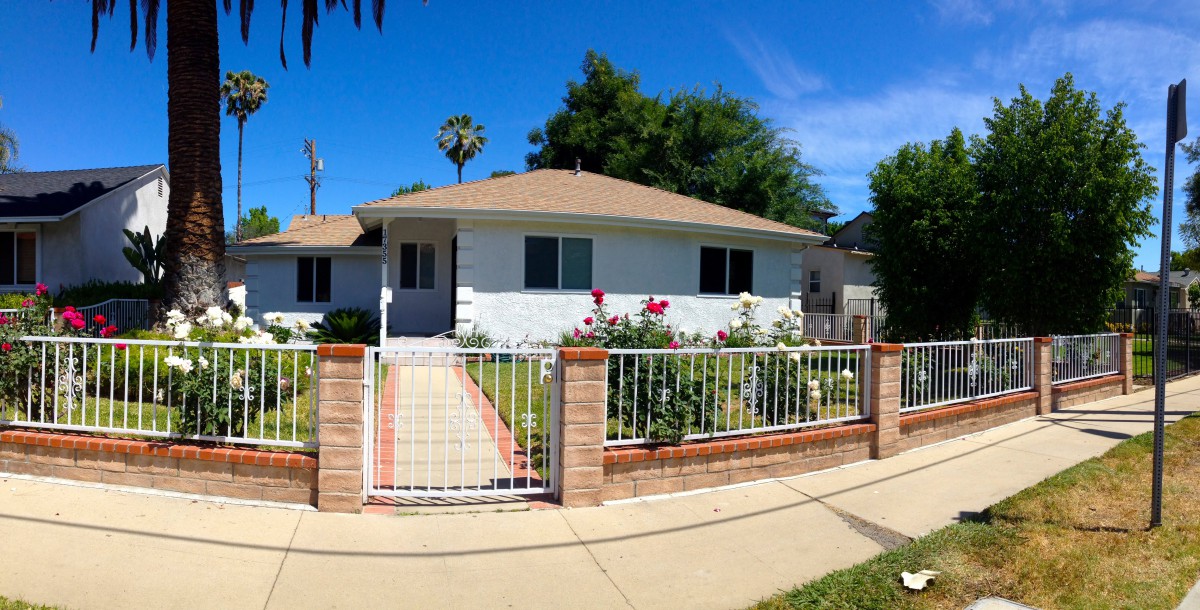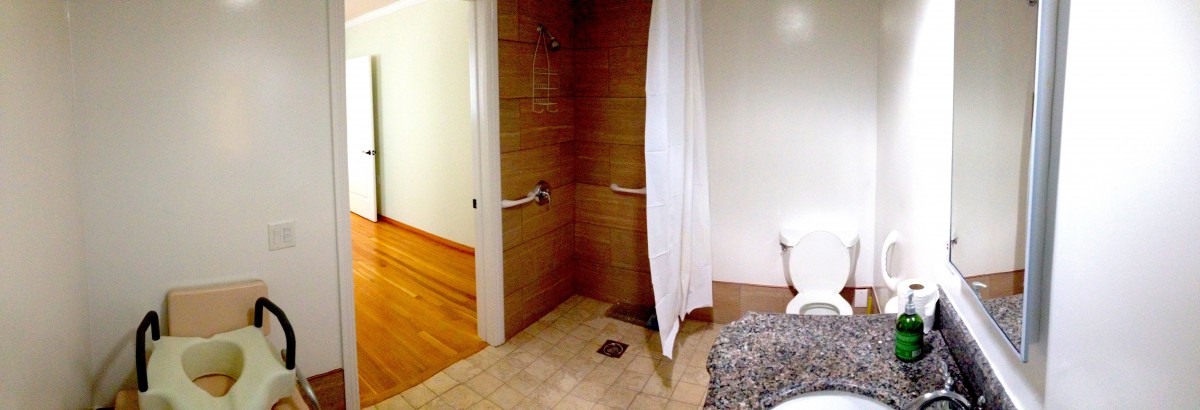
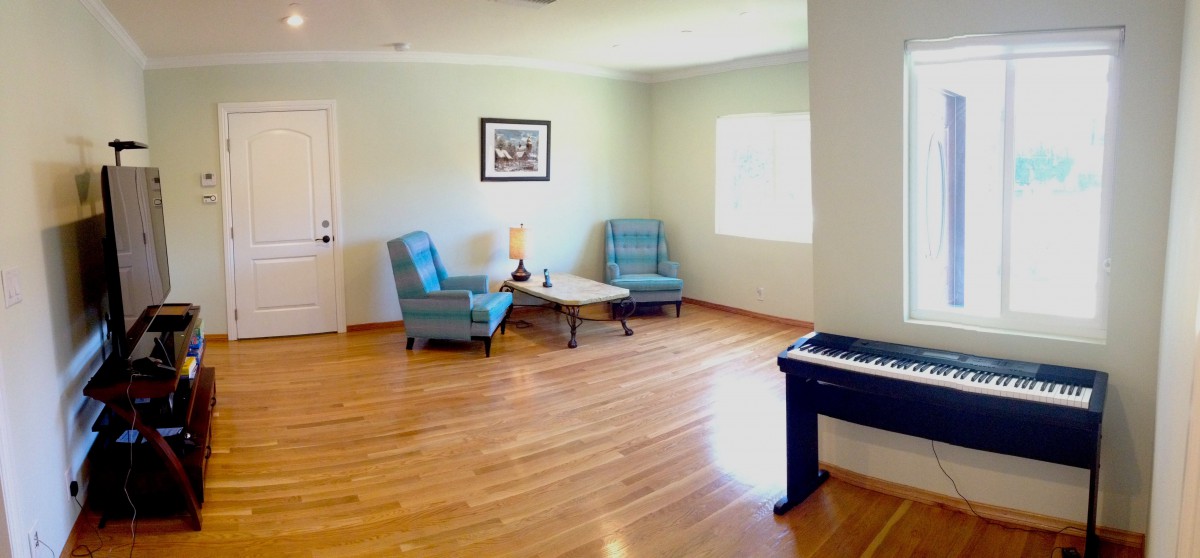
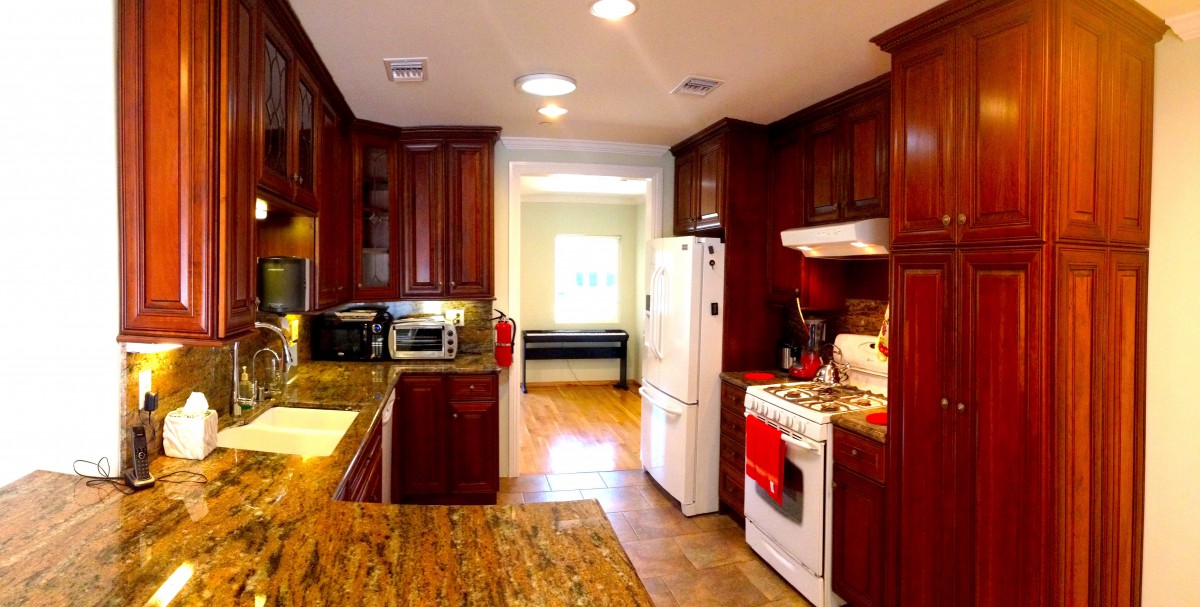
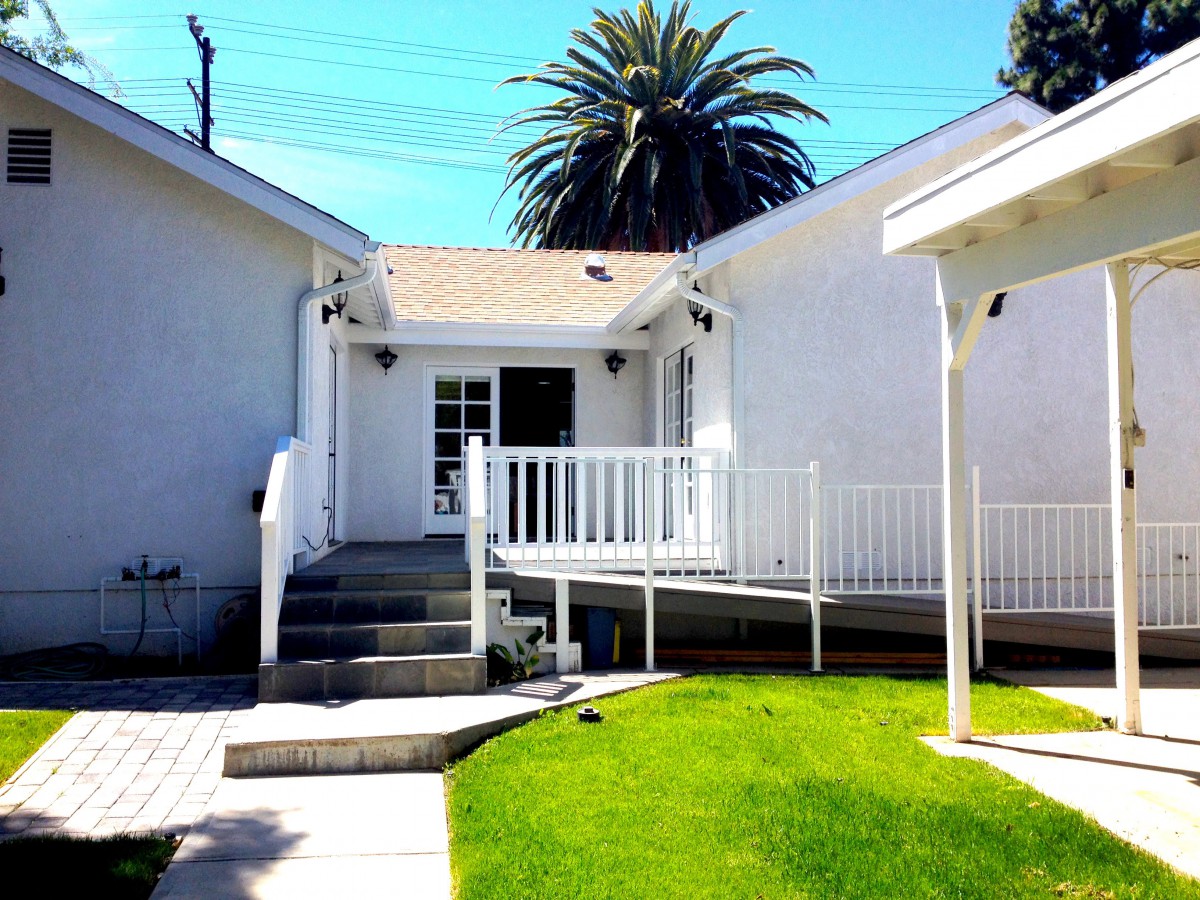
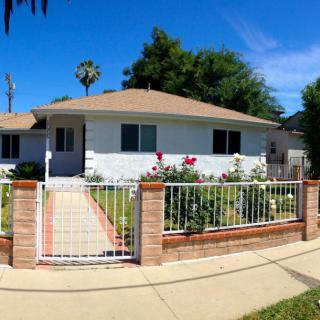
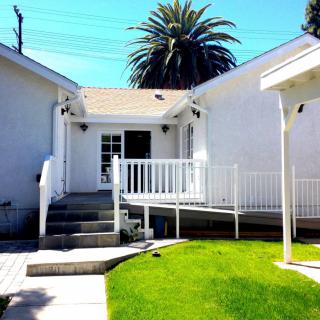
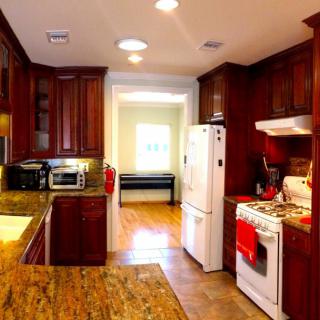
17355 Burbank Boulevard, Encino, CA 91316
For more information about senior living options: (866) 208-4318
Evening Grace Assisted Living Costs & Pricing
Evening Grace Assisted Living offers competitive pricing within the context of Los Angeles County and California overall. For a one-bedroom unit, residents can expect to pay $4,500 per month, which is slightly lower than the county average of $4,603 but higher than the state average of $4,340. Similarly, for private accommodations at Evening Grace, the monthly charge also stands at $4,500. This rate is above Los Angeles County's average of $4,197 and significantly exceeds California's state average of $3,939. Overall, while Evening Grace Assisted Living may be positioned on the higher side relative to certain regional averages, it provides a quality care environment that reflects its pricing structure.
| Floor plans | Evening Grace Assisted Living | Los Angeles County | California |
|---|---|---|---|
| 1 Bedroom | $4,500 | $4,603 | $4,340 |
| Private | $4,500 | $4,197 | $3,939 |
Memory care communities with a similar price nearby
-
from +$500 / mo

Sweet Home Senior Living #1
$5,000 to $7,500 / month4.8 miles away -
About the same
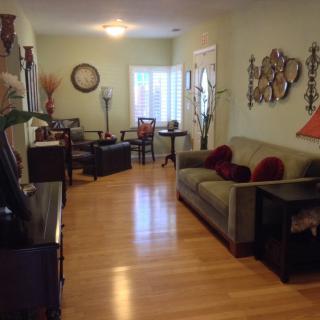
Ardenville Home Care I
$4,500 / month9.9 miles away -
from -$700 / mo
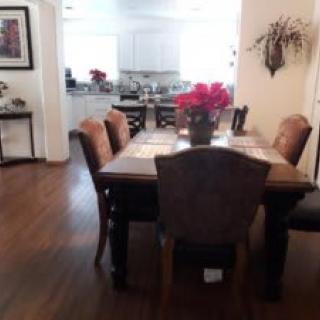
America's Care Manor
$3,800 to $4,000 / month11.5 miles away -
from -$500 / mo
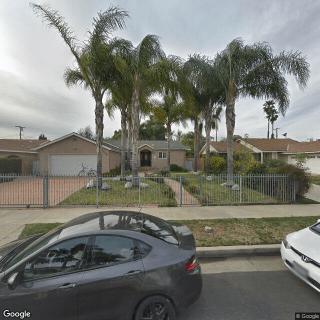
Land of Peace 6
$4,000 to $5,500 / month6.3 miles away -
from +$500 / mo
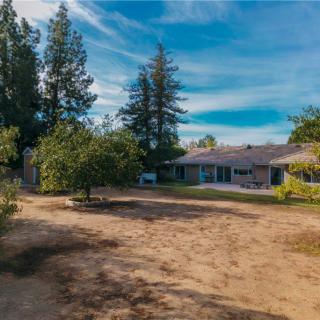
A Caring Touch Board and Care
$5,000 / month6.9 miles away
Overall Review of Evening Grace Assisted Living
Pros
 They are happy with the care at this community.
- The staff is friendly and the environment is good.
- The community is clean and well maintained.
- Healthy meals are offered and she enjoys them.
- They offer activities for residents who want to participate.
- They appreciate the staff taking good care of their mother-in-law.
- The home is small, allows pets, and is kept clean.
- They would recommend taking a look at this community.
Cons
 They do not seem to offer a lot of activities.
Review
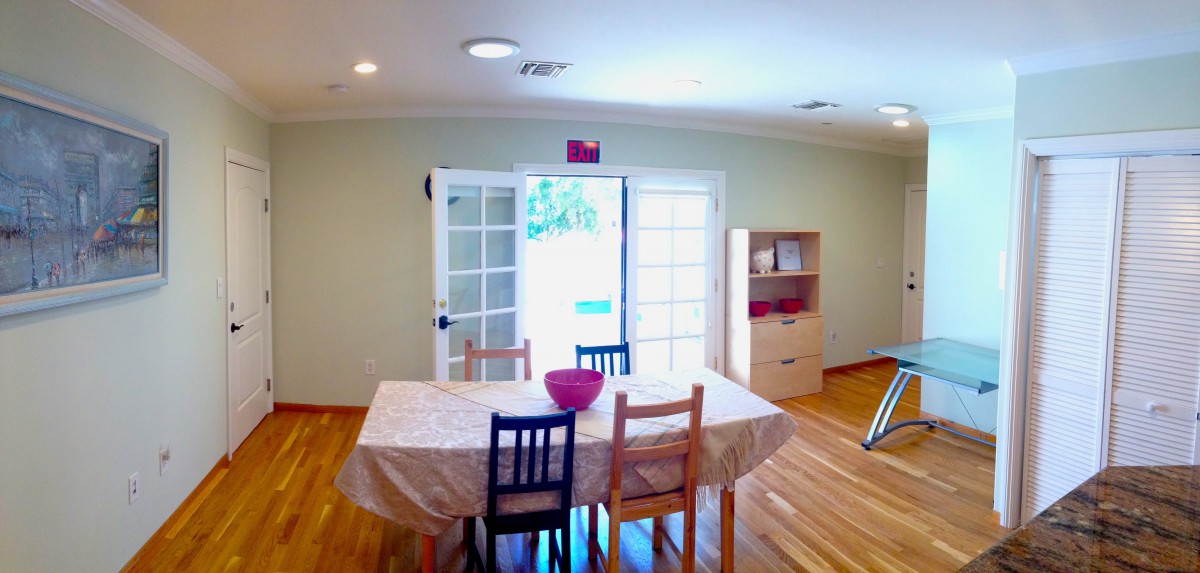
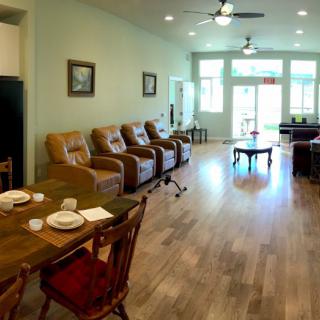
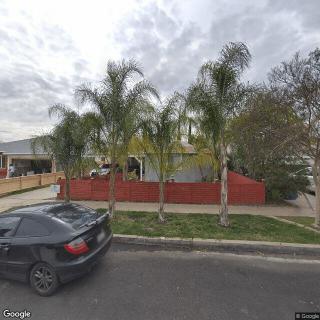
Evening Grace Assisted Living in Encino is best suited for seniors who want a small, home-like setting where staff know residents by name, meals are homey and healthy, and cleanliness and safety are non-negotiables. The community’s atmosphere tends toward a calm, intimate environment, aided by a layout that feels more like a private residence than a large campus. The setting appeals to residents who value personalized attention and a gentle pace, with enough activities for those who wish to participate but not a pressure-filled social calendar. Families seeking predictable routines and close-knit interactions will likely appreciate the daily rhythms and the steady staff presence.
Those evaluating options should consider alternatives if a bustling social calendar or extensive medical oversight is a top priority. The second review notes that, while the home is clean and pet-friendly, the breadth of activities is not expansive. For seniors who require frequent, structured programming, robust memory-care supports, or more comprehensive 24/7 nursing, a larger community with more resources may be a better fit. In short, this is not the choice for families chasing a high-energy activity slate or specialized clinical services on demand.
The strongest positives are evident in care delivery and environment. Friendly staff and attentive day-to-day care translate into reliable support for residents, and the compact, home-like setting can foster trust and easier communication with caregivers. Cleanliness and ongoing maintenance reinforce a sense of safety, which is critical for seniors and their families. Nutritious meals that residents enjoy add tangible value, reinforcing overall well-being and daily satisfaction. On value, these elements converge to present a package that feels sensible for many households, especially when a calm, low-traffic routine matters as much as direct care.
However, the limited activity slate represents a meaningful trade-off. For residents who thrive on constant engagement, varied programs, or frequent social outings, the pace here may feel too quiet. The small size can restrict peer interactions and program diversity, potentially limiting opportunities for new friendships or stimulating experiences. Yet this same intimate setting can be a boon for those who prefer less stimulation, easier access to staff for one-on-one conversations, and a controlled, predictable environment where routines stay steady and predictable.
Practical guidance for families visiting Evening Grace is straightforward. Observe how staff interact with residents and assess whether the tone feels respectful and responsive. Inquire about meal options, dietary accommodations, and how menus align with resident preferences. Review the activities calendar to confirm whether there are options that match personal interests, and ask whether transportation is available for off-site outings if desired. Clarify the pet policy, as that aspect is highlighted as a benefit by reviewers. Finally, request details about staff-to-resident ratios, how care plans are updated, and what happens when higher levels of medical need arise; these factors will determine how well the community scales to evolving needs.
In sum, Evening Grace Assisted Living delivers a dependable, clean, and compassionate option for seniors who want a smaller, homelike setting with solid staff engagement and good meals. It shines for families prioritizing safety, hygiene, and a manageable pace over a busy social calendar. For those seeking extensive programming or advanced clinical oversight, exploring alternatives will likely yield better alignment with expectations and needs. When temperaments and care goals align with a calm, intimate environment, Evening Grace can be a judicious, practical choice for a measured, steady step in senior living.
 6 resident community capacity
 Assisted Living
 Board and Care Home
 Memory Care
 Cats allowed
 Dogs allowed
 Activities off-site
 Air-conditioning
 Bath tubs
 Beautician on-site
 Cable or satellite TV
 Devotional services off-site
 Dining room
 Fireplaces
 Fully furnished
 Garden
 Ground floor units
 Handicap accessible
 Housekeeping services
 Indoor common areas
 Move-in coordination
 Outdoor common areas
 Private
 Private bathrooms
 Respite or short term stays offered
 Telephone
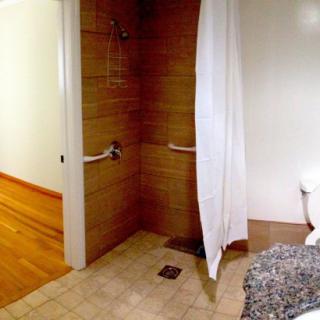
 Wheelchair accessible showers
 Wi-Fi/high-speed internet available
 Burbank-Glendale-Pasadena (9 miles away)
 24-hour supervision
 Assistance with bathing
 Assistance with dressing
 Assistance with transfers
 Diabetes diet
 Diabetic care
 High acuity care
 Incontinence care
 Meal preparation and service
 Medication management
 Special dietary restrictions
 Transportation arrangement (medical)
 Transportation to doctors appointments
 Catholic services
 Jewish services
 Live dance or theater performances
 Live musical performances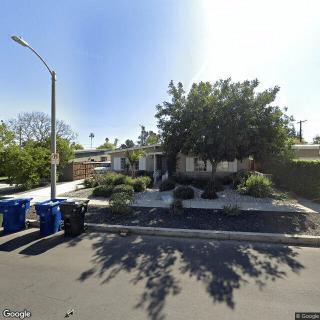


 Dementia, Paranoia, and Caregiver Guidance: Understanding the Connection
 Engaging Memory Care Activities That Enhance Quality of Life
 When to Transition from Assisted Living to Memory Care: Key Indicators, Steps, and Finding the Right Community