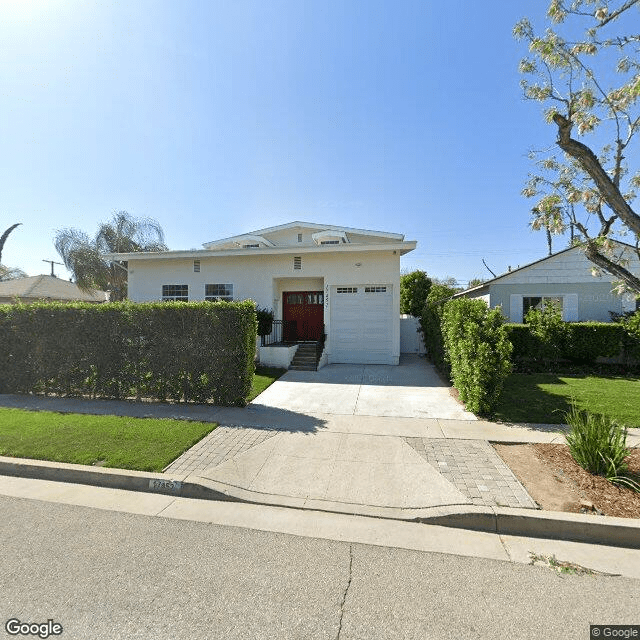
17452 Tiara St, Encino, CA 91316
To contact a resident: (818) 388-4728
For more information about senior living options: (866) 208-4318
Evening Grace Assisted Living Costs & Pricing
Evening Grace Assisted Living offers a private room at a monthly rate of $4,500, which positions it slightly above the average costs for similar accommodations in Los Angeles County and across California. In Los Angeles County, the average cost for a private room is approximately $4,197, while statewide, the figure is around $3,939. This pricing reflects the premium services and personalized care that Evening Grace provides to its residents, ensuring a supportive and enriching environment tailored to individual needs. While it may be higher than the local and state averages, many families find value in the unique offerings that distinguish Evening Grace from other assisted living options.
| Floor plans | Evening Grace Assisted Living | Los Angeles County | California |
|---|---|---|---|
| Private | $4,500 | $4,197 | $3,939 |
Senior living communities with a similar price nearby
-
from -$500 / mo
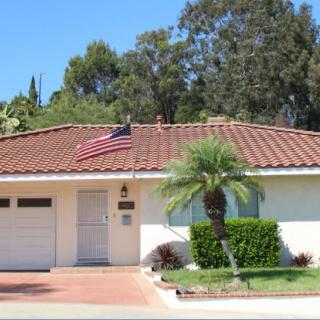
Palomino Residential Care
$4,000 to $6,000 / month23.5 miles away -
from +$500 / mo

Sweet Home Senior Living #1
$5,000 to $7,500 / month4.9 miles away -
About the same
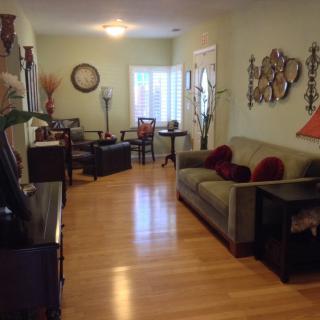
Ardenville Home Care I
$4,500 / month9.9 miles away -
from -$700 / mo
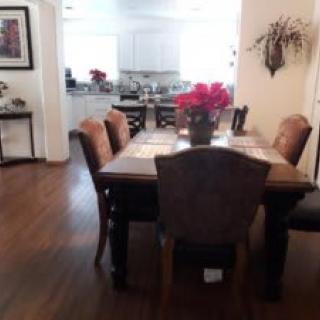
America's Care Manor
$3,800 to $4,000 / month11.2 miles away -
from -$500 / mo
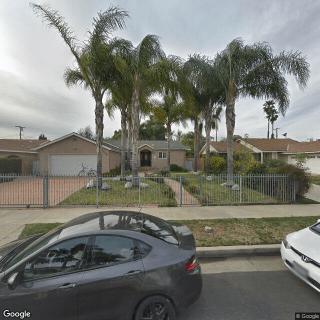
Land of Peace 6
$4,000 to $5,500 / month6.1 miles away
Overall Review of Evening Grace Assisted Living
Pros
 The care givers are fantastic.
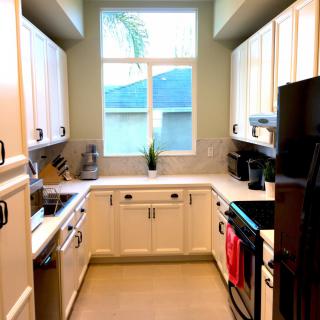
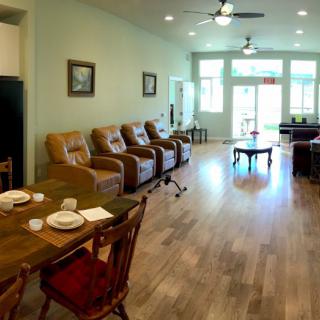
- The appearance is always clean and warm.
- The owners could not be nicer or more accommodating.
Cons
 The only suggestion is that the residents need more mental stimulation.
Review
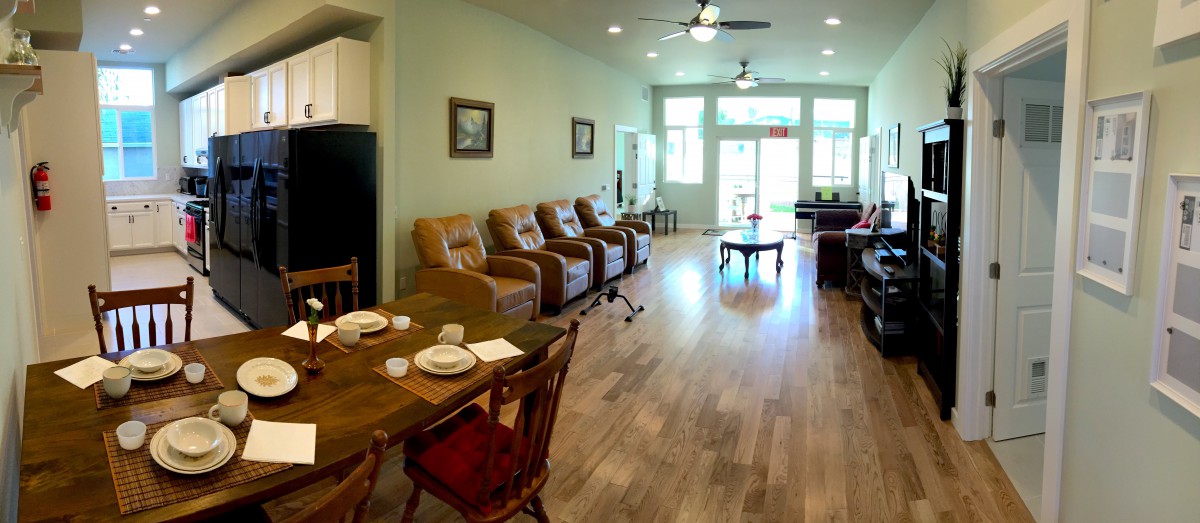
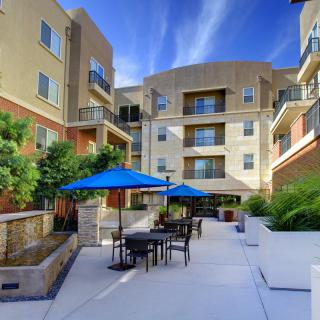
Evening Grace Assisted Living in Encino is best suited for seniors who value a warm, home-like environment supported by exceptionally attentive caregivers and an owner-operator presence that remains highly accessible. The community shines when residents seek daily reassurance from staff who know them by name, appreciate small gestures of care, and live in a clean, inviting setting where atmosphere matters as much as assistance. It is a particularly strong fit for families who want straightforward, transparent communication and the comfort of knowing owners are personally invested in day-to-day well-being. In short, this is a practical home for seniors who thrive on personal attention and a calm, well-maintained living space.
Yet, there are clear considerations for those weighing alternatives. Prospective residents who require more systematic cognitive engagement and structured daily programming should evaluate if Evening Grace can deliver the activity mix they expect. Similarly, families exploring options for stronger memory-care or higher-medical support should benchmark against communities that offer extensive dementia-focused programming or on-site clinical oversight. For residents who prefer a larger community with expansive calendars and a broader spectrum of social outlets, the scale and program breadth at this setting may feel limited. These factors are essential when planning long-term needs and social stimulation.
The strongest positives, caregivers described as fantastic, a consistently clean and warm appearance, and owners who are exceptionally accommodating, create a foundation of trust and security. Exceptional caregiving translates into reliable daily assistance, timely responses to requests, and a caregiving rhythm that reduces family anxiety about supervision and safety. A clean, welcoming environment supports mood and dignity, helping residents feel comfortable and settled. Owners who participate in daily life and remain responsive can facilitate personalized tweaks to routines, making it easier for families to navigate changes in health or preferences without friction.
The primary drawback centers on residents needing more mental stimulation. While the care team and setting deliver comfort and dependable support, a lighter activity slate can lead to moments of disengagement if cognitive and social challenges are not actively addressed. This is not a fatal flaw, but it is a meaningful gap for residents who thrive on variety, problem-solving, and guided cognitive engagement. The absence of a robust, formalized programming plan means engagement often depends on spontaneous offerings and owner-driven initiatives rather than a predictable, comprehensive schedule.
Recognizing this gap, the strong pros become critical levers. The compassionate caregiving, coupled with a warm, orderly environment, can compensate for lean programming through incidental engagement and meaningful one-on-one interaction. The owners’ flexibility and responsiveness create an opportunity to tailor activities, adding outings, guests, or structured in-house programs if pursued. In practical terms, families should initiate a conversation about a concrete monthly activity calendar, guest speakers, reminiscence sessions, or volunteer-led programming. These steps can transform a good environment into a robust one that concurrently preserves the already high standard of care.
The decision comes down to fit. Evening Grace is an excellent match for seniors who prize personal attention, a clean and welcoming home-like setting, and a responsive ownership model. It suits those who can supplement any limited formal programming with family involvement, community volunteers, or external activities. Conversely, families prioritizing rigorous cognitive stimulation, comprehensive memory-care programming, or a larger, more calendar-driven social scene should consider alternatives designed around those needs. A visit with direct questions about activity structure, resident engagement strategies, and potential partnerships with external providers will reveal how adaptable Evening Grace truly is to higher-demand programming.
 Board and Care Home
 Cats allowed
 Dogs allowed
 Activities off-site
 Air-conditioning
 Bath tubs
 Beautician on-site
 Devotional services off-site
 Fireplaces
 Handicap accessible
 Indoor common areas
 Outdoor common areas
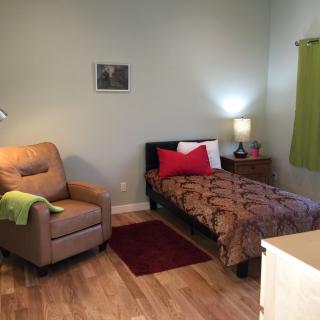
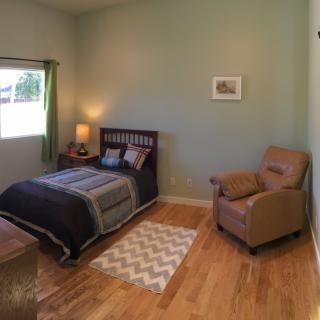
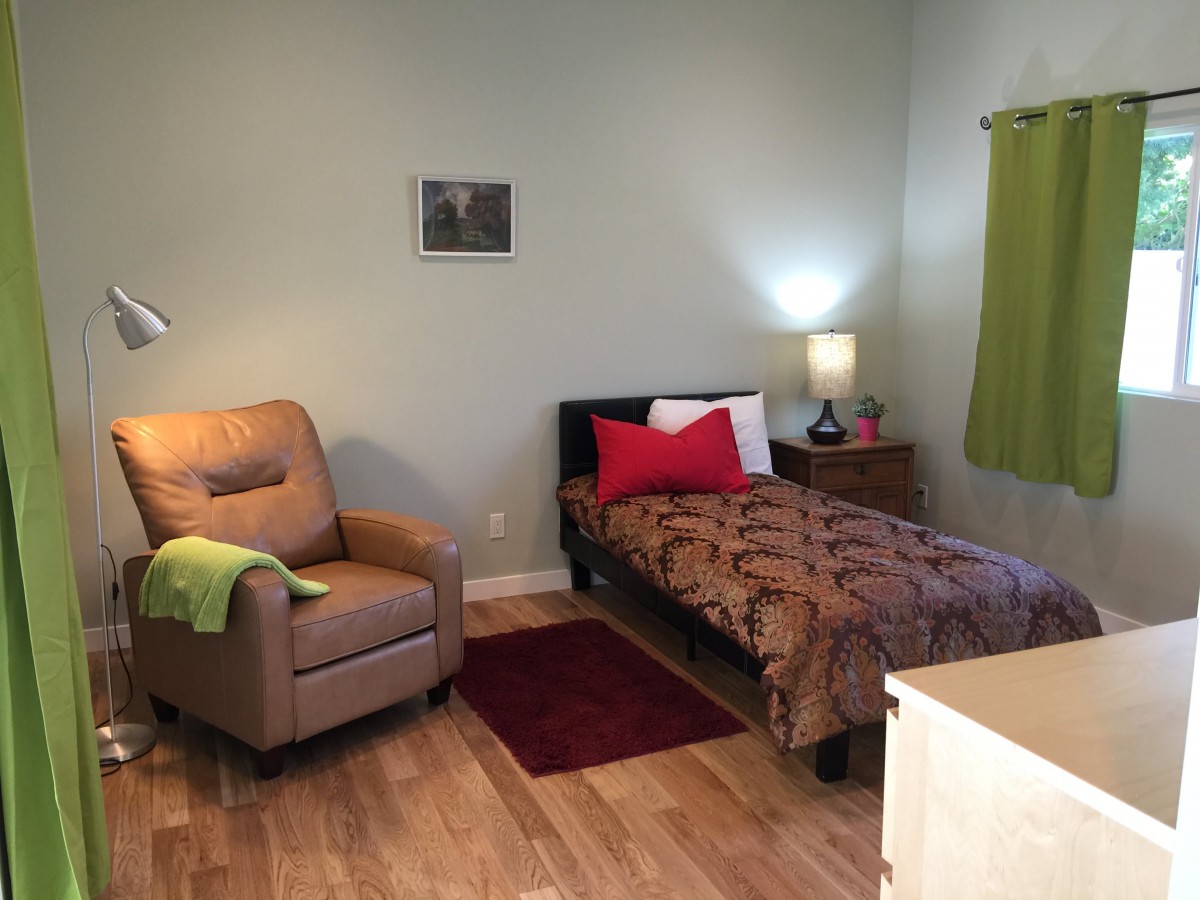
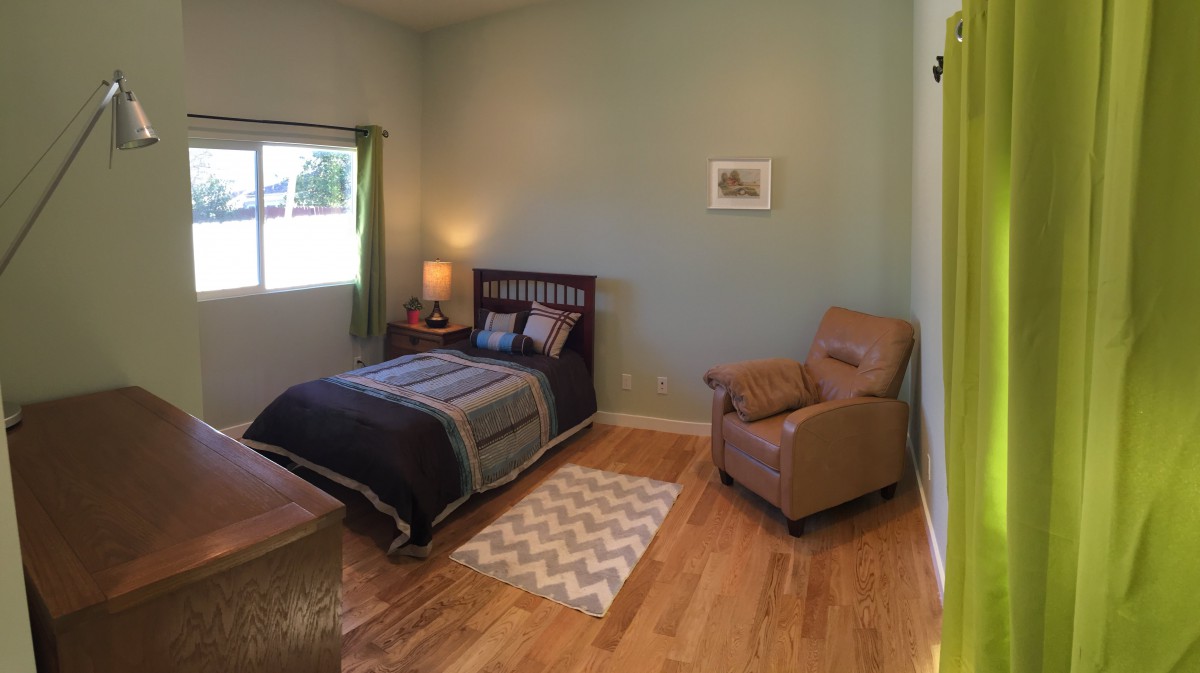
 Private
 Private bathrooms
 Respite or short term stays offered
 Wheelchair accessible showers
 Burbank-Glendale-Pasadena (9 miles away)
 Diabetic care
 High acuity care
 Incontinence care
 Medication management
 Anytime dining
 Catholic services
 Jewish services
 Live dance or theater performances
 Live musical performances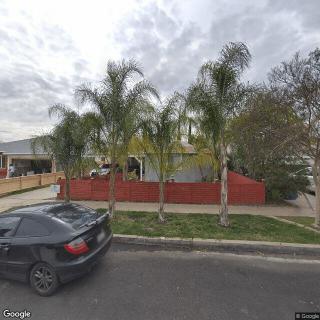
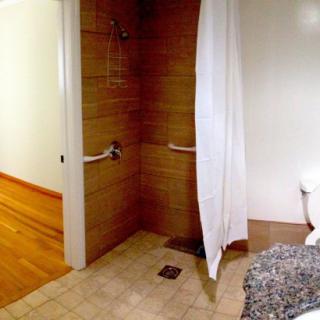

 Understanding the Nuances of Palliative Care and Hospice: A Comprehensive Exploration
 Is In-Home Healthcare Tax Deductible? Your Comprehensive Guide
 Nurturing Well-Being Through Gardening: A Detailed Guide for Senior Enthusiasts