
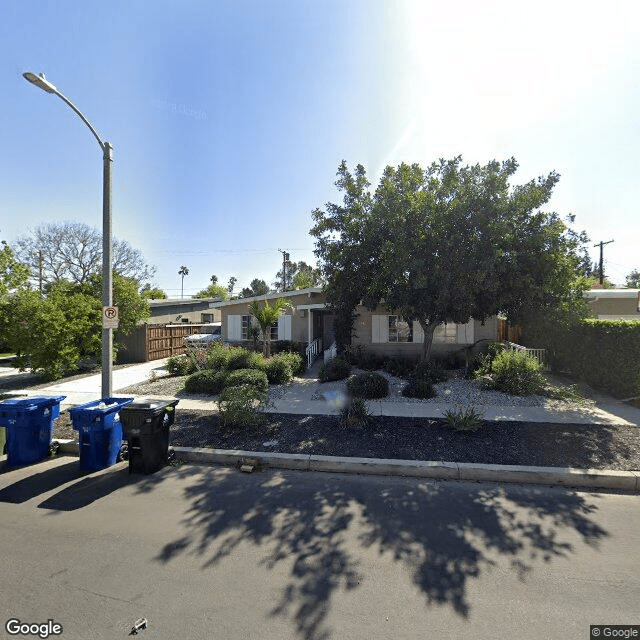
5740 Ostrom Avenue, Encino, CA 91316
To contact a resident: (818) 585-7956
For more information about senior living options: (866) 208-4318
Aundrey's Residential Care Costs & Pricing
Aundrey's Residential Care offers competitive pricing in comparison to the broader market, particularly within Los Angeles County and the state of California. For a semi-private room, Aundrey's rates are $2,000 per month, significantly lower than the county average of $3,349 and slightly more favorable than the statewide average of $3,333. When it comes to private accommodations, Aundrey's charges $3,300 per month, which again is more affordable than both the county rate of $4,197 and the state average of $3,939. These cost structures suggest that Aundrey's Residential Care provides a valuable option for individuals seeking quality care at a more manageable price point amidst escalating costs in the region.
| Floor plans | Aundrey's Residential Care | Los Angeles County | California |
|---|---|---|---|
| Semi-Private | $2,000 | $3,349 | $3,333 |
| Private | $3,300 | $4,197 | $3,939 |
Overall Review of Aundrey's Residential Care
Pros
 The staff are lovely, thoughtful, and caring.
- They go above and beyond to nourish, pamper, and entertain the attendees.
- They truly love helping the elderly.
- The center is a blessing with a beautiful, fun community.
- The activities include singing and dancing, and the place is very lovely.
- Residents seem to like the center, and they are served homemade Russian food.
Cons
 The reviewer felt that the phone call ended abruptly when asking about a nurse position.
- The reviewer described the person who assisted as very rude.
Review
This community is best suited for Russian-speaking seniors and families seeking an intimate, budget-conscious assisted living environment in Encino, where staff are deeply involved and cultural familiarity is valued. Residents benefit from a homey, small-scale setting that emphasizes daily routines, connection, and ongoing engagement. The staff’s attentiveness translates into a warm, nurturing atmosphere, and the arrangement works well for families prioritizing long-term residency, predictable social rhythms, and a sense of belonging. Importantly, the model is visible in affordability and accessibility, with eligibility for assisted living waivers and SSI support that make sustained care feasible for households watching expenses.
Those who may want to consider alternatives are typically non-Russian speaking or seeking English-language programming, broader cultural offerings, or more comprehensive on-site medical oversight. The reviews consistently note that activities and meals are predominantly conducted in Russian, which can feel isolating for residents who do not share the language or cultural background. There are isolated signals of interaction gaps with staff, including a rude response to a job inquiry, and a 1-star review that hints at inconsistent experiences. For families requiring robust nursing services, memory-care options, or English-centric programming, these factors argue for exploring other communities.
The strongest pros, caring, hands-on staff who nourish, pamper, and entertain, often offset the downsides of language and cultural specificity. Long-tenured residents and families describe a seven-year pattern of stability, suggesting a genuine sense of community rather than episodic care. The homemade Russian cuisine reinforces comfort and continuity, while the budget-friendly structure makes assisted living attainable for lower-income households. The professional management and willingness to help with placement when the facility cannot accommodate demonstrate a disciplined, client-first approach. In this context, the defining advantages can outweigh potential barriers for those who fit the cultural and linguistic niche.
Balancing the scale, operational strengths such as personalized attention and a family-like environment provide real value. The small scale fosters consistent routines and clearer communication, reducing confusion for elders who thrive on predictability. The facility’s willingness to partner with families on placement and to consider individual needs adds practical flexibility that larger operators often lack. Yet the same intimacy that boosts warmth can limit who feels fully seen, particularly for residents needing non-Russian language support or a wider menu of activities and services. For families weighing costs against cultural alignment, these dynamics must be weighed against personal comfort with language and food.
Practical implications for decision-making emphasize cultural fit, affordability, and the authority of staff relationships. For households prioritizing continuity, warmth, and a culturally familiar setting at a manageable price, Aundrey’s Residential Care offers compelling value. The combination of devoted staff, a homey kitchen, and an active, community-minded calendar can materially improve quality of life for residents who prosper in a Russian-speaking environment. The ability to accept SSI and assist with placement expands access, a meaningful consideration for budget-conscious families. The caveat remains clear: language and culture are central to satisfaction here, so verify readiness to embrace Russian-language programming and cuisine before committing.
Actionable guidance for families includes arranging an in-person visit with targeted questions about language support, staffing ratios, and the availability of nursing services on site. Clarify how meals and activities accommodate non-Russian residents and whether translation or bilingual programming can be arranged. Assess memory-care and higher-level medical needs to ensure alignment with care goals, and evaluate whether the community’s size supports the level of supervision desired. If cultural fit, affordability, and a welcoming, engaged staff environment top the list, Aundrey’s Residential Care warrants strong consideration. If those factors are not paramount, exploring alternatives with English-language programming and broader clinical services is prudent.
 6 resident community capacity
 Assisted Living
 Board and Care Home
 Cable or satellite TV
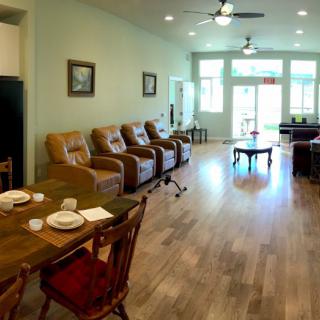
 Dining room
 Fully furnished
 Garden
 Housekeeping services
 Move-in coordination
 Outdoor space
 Private
 Telephone
 Wi-Fi/high-speed internet available
 Burbank-Glendale-Pasadena (9 miles away)
 24-hour supervision
 Activities of daily living assistance
 Assistance with bathing
 Assistance with dressing
 Assistance with transfers
 Diabetes diet
 Diabetic care
 High acuity care
 Meal preparation and service
 Medication management
 Special dietary restrictions
 Transportation arrangement (medical)
 Transportation to doctors appointments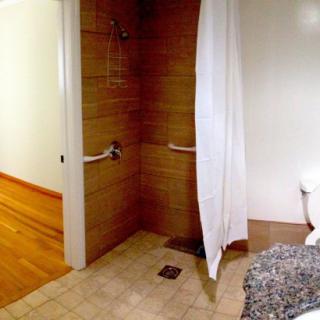
 How and When Medicaid May Cover Assisted Living Costs
 A Detailed Exploration of Assisted Living Medicaid Waivers Across the United States
 Comprehensive Residential Support and Assisted Living Solutions for Individuals with Disabilities