
64502 Brae Burn Avenue, Desert Hot Springs, CA 92240
For more information about senior living options: (866) 208-4318
Overall Review of Desert Breeze Senior Living I
Pros
 Desert Cove Assisted Living goes above and beyond basic care.
- The attendants are especially good and kind, and the management, Heather and Nancy, are caring and responsible.
- Desert Cove provides Memory Care for residents with dementia.
- The staff at Desert Cove, including Erica, Cindy, Gilbert, Hero, and Heidi, deliver great care.
- The entire Desert Cove staff provides outstanding care and compassion to residents.
- The caregivers and staff are caring and patient, even in difficult situations.
- Desert Cove was a true Godsend.
Cons
 The reviewer would not recommend this place.
- The place is described as rude.
- The father was verbally abused by several residents who were asking for cigarettes or money.
- The management has not been supportive or taken the concerns seriously.
- There are many psychiatric residents at this location.
- It is one of the few assisted living facilities that allows smoking nearby.
Review
Desert Breeze Senior Living I in Desert Hot Springs appears best suited for families seeking a dementia-conscious, hands-on assisted living experience where caregivers are expected to provide steady daily support, meaningful engagement, and close supervision. The strongest signals from the feedback pool emphasize compassionate, attentive care in memory-care contexts, with families noting staff who stay involved with residents’ routines, safety, and comfort. When a resident’s cognitive needs are significant or when comfort-focused end-of-life moments are anticipated, Desert Breeze offers a framework that prioritizes humane treatment, predictable caregiving rhythms, and relational steadiness. In practical terms, this community targets families wanting reliable daily assistance delivered with a personal touch.
Nevertheless, a portion of the online commentary underscores the importance of weighing behavioral dynamics and management responsiveness. One reviewer raised concerns about rude interactions among residents and a perception that management did not address serious concerns promptly, paired with an observation that smoking is permitted nearby. Such points matter for families who require a calm, predictable social milieu and a facility culture that is visibly responsive to safety and conduct issues. Those with a strong preference for smoke-free environments or for environments tightly managed to minimize resident-to-resident friction may want to examine alternatives more closely. This is not a universal verdict, but it is a warning flare that deserves serious consideration.
The warmth and dedication evident in the positive reviews illuminate what a well-staffed memory-care operation can deliver. Across accounts of dementia care, reviewers repeatedly highlight staff warmth, patience, and expertise that translate into comfortable, dignified days for residents. When care teams demonstrate continuity, attentiveness to evolving needs, and hospice-ready comfort measures, families experience meaningful peace of mind. These strengths, experienced caregivers, clear lines of communication, and a culture of genuine concern, create a solid foundation for residents with dementia or advanced cognitive impairment, where daily routines and compassionate presence can significantly impact quality of life.
Yet the negative feedback cannot be dismissed, because it points to real frictions that can escalate if not managed. If resident interactions become tense or if management responses appear slow or insufficient, the result is a stressful environment for both residents and families. The smoking allowance is a logistical and health consideration that can complicate visits, medication management, and family preferences. For families prioritizing a consistently tranquil atmosphere and rigorous behavioral management, these signals suggest the need for careful evaluation of how policies are enforced, how staff are trained to de-escalate conflicts, and how resident safety is actively maintained at all hours.
These competing signals can be reconciled through targeted due diligence. Prospective residents and families should request detailed dementia-care programming, including staff-to-resident ratios, specialized training modules, and a formal memory-care pathway that covers wandering management, behavioral interventions, and palliative supports. Observing a resident-care interaction during a tour, asking to speak with front-line caregivers, and reviewing incident logs can illuminate how well current staff translate stated commitments into lived practice. Clarify smoking policies, air quality controls, and the availability of smoke-free zones to align with health goals and visit experiences. In short, Desert Breeze can deliver strong memory-care value, provided operations consistently demonstrate safety, responsiveness, and a nurturing atmosphere.
The bottom line centers on fit. For families whose priority is a compassionate, dementia-capable team and steady day-to-day care, Desert Breeze offers a credible option with meaningful strengths. For those who cannot tolerate even occasional disruption in resident behavior, or who require a strictly regulated, smoke-free, ultra-stable environment, exploring alternatives, especially facilities with explicit behavioral management protocols and proven dementia-care track records, will be prudent. A balanced approach is to pursue a structured visit, request current resident-care plans, and verify that the management team has an accessible, transparent process for addressing concerns. With careful vetting, the decision can align with both the emotional needs of a loved one and the practical realities of daily living in assisted settings.
 4 resident community capacity
 Assisted Living
 Board and Care Home
 Cable or satellite TV
 Dining room
 Fully furnished
 Garden
 Housekeeping services
 Move-in coordination
 Outdoor space
 Telephone
 Wi-Fi/high-speed internet available
 Palm Springs International (10 miles away)
 24-hour supervision
 Activities of daily living assistance
 Assistance with bathing
 Assistance with dressing
 Assistance with transfers
 Diabetes diet
 Meal preparation and service
 Medication management
 Special dietary restrictions
 Transportation arrangement (medical)
 Transportation to doctors appointments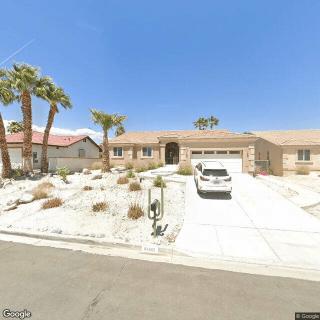





 Understanding the Distinctions: Assisted Living and Memory Care Explained
 Guiding Elderly Parents Who Refuse Assisted Living: 6 Practical Steps
 Your Comprehensive Guide to Luxury Assisted Living: Elevated Facilities, Amenities, and Costs