
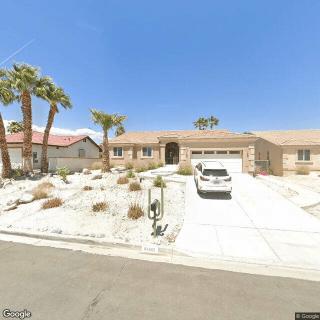
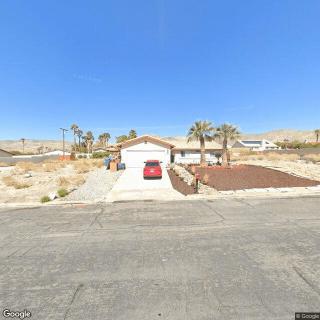
64635 Picard Court, Desert Hot Springs, CA 92240
For more information about senior living options: (866) 208-4318
Overall Review of A+ Senior Care At Mission Lakes
Pros
 A+ Senior Care at Mission Lakes provides a safe and comfortable environment for residents.
- The staff is generally responsive in providing information.
- The facility is a nice house.
- They seem to be doing a good job.
Cons
 The staff are sometimes difficult to get information from, requiring the reviewer to dig for details.
- There are occasions when the reviewer is not always notified about what happens.
Review
A+ Senior Care at Mission Lakes is best suited for seniors who want a safe, comfortable, home‑like setting in Desert Hot Springs and who prioritize a small‑scale, residential vibe over a large campus. The environment supports peace of mind through basic safety, a pleasant living atmosphere, and a sense that care is steady without feeling institutional. It works well for families who value continuity and a familiar, house‑like feel where a resident can settle in with routine and warmth, rather than a high‑volume, highly clinical care model.
Those who may want to consider alternatives include families seeking highly proactive, every‑minute‑tracked communication or residents needing intensive, high‑level medical oversight. The strongest caveat here is the variability in information flow: staff are generally responsive, but updates can require some diligent follow‑up. For families that demand immediate, transparent updates on every shift change, care adjustment, or incident, a more formalized system with consistent, proactive reporting may be a better fit. Additionally, for residents with complex medical needs or a desire for a robust, structured activity program, a larger facility with more resources could prove more suitable.
On the positive side, the core advantages of this community are meaningful. The setting itself is described as safe and comfortable, a crucial baseline for quality of life. The house‑style environment contributes to a sense of familiarity and ease, which can reduce anxiety and support smoother transitions for new residents. The staff’s willingness to provide information and answer questions, even if it sometimes requires persistence, signals a team that is capable and engaged, one that tends to work toward reassuring families once inquiries are pursued. The overall impression is that the operation is doing a solid, if modest, job in maintaining daily life and safety for residents, including those who move in with documented preference for a calm, residential atmosphere.
The principal downside centers on communication gaps. The fact that information does not always come readily and that some updates aren’t timely can be disconcerting for families who depend on continuous visibility into a loved one’s day-to-day status. These lapses are not catastrophic, but they do introduce a layer of uncertainty that can complicate decision-making, especially for relatives who live far away or who juggle multiple care providers. The key risk is the potential for important details, changes in health, care plans, or scheduling, to slip through the cracks if staff availability or workflow disrupts the normal flow of information.
Despite the communication caveat, the pros offer a meaningful offset for many families. A safe, comfortable, home‑like environment provides emotional comfort and reduces the strain of adjusting to senior living. A responsive, if occasionally slow, information channel means that the team is engaged and capable when pressed, which matters more than flawless real‑time reporting. For residents who prize a calm, residential setting over more clinical environments, the offset is substantial: safety and daily life stability carry considerable weight in sustaining well‑being and peace of mind for both residents and their families.
In the end, the community emerges as a solid, practical choice for seniors who value safety, a cozy home atmosphere, and generally responsive staff, and who can tolerate periodic gaps in proactive communication. It is less well suited for families that require brisk, always‑on updates or for residents needing intensive medical management on a constant basis. When considering this option, key next steps include requesting concrete details about daily communication protocols, incident reporting timelines, and staff‑to‑resident ratios. A tour should test how updates are delivered, how quickly questions are answered, and whether the home‑like setting truly aligns with the resident’s preferences and care needs.
 6 resident community capacity
 Assisted Living
 Board and Care Home
 Cable or satellite TV
 Dining room
 Fully furnished
 Garden
 Housekeeping services
 Move-in coordination
 Outdoor space
 Telephone
 Wi-Fi/high-speed internet available
 Palm Springs International (11 miles away)
 24-hour supervision
 Activities of daily living assistance
 Assistance with bathing
 Assistance with dressing
 Assistance with transfers
 Diabetes diet
 Meal preparation and service
 Medication management
 Special dietary restrictions
 Transportation arrangement (medical)
 Transportation to doctors appointments




 Assisted Living and Memory Care: Understanding Their Core Differences
 Beyond the Bingo Hall: 50+ Enriching Activities for Seniors in Assisted Living
 Understanding the Distinctions: Assisted Living and Memory Care Explained