
St. Daniel's Home For The Elderly II in Claremont, CA

Save

  • Interior

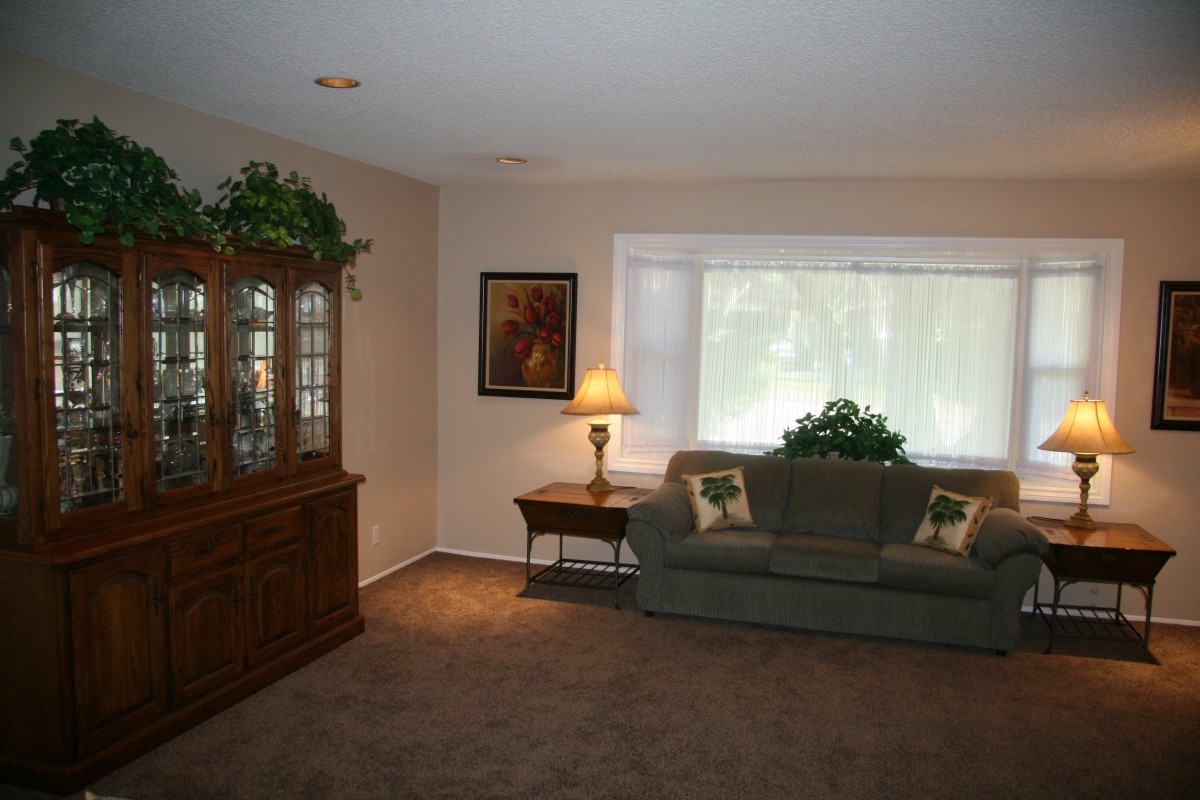
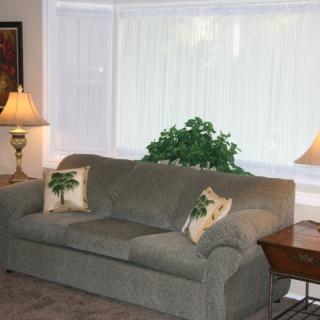
    A cozy living room with a sofa, cabinet, lamp, and decorative elements.
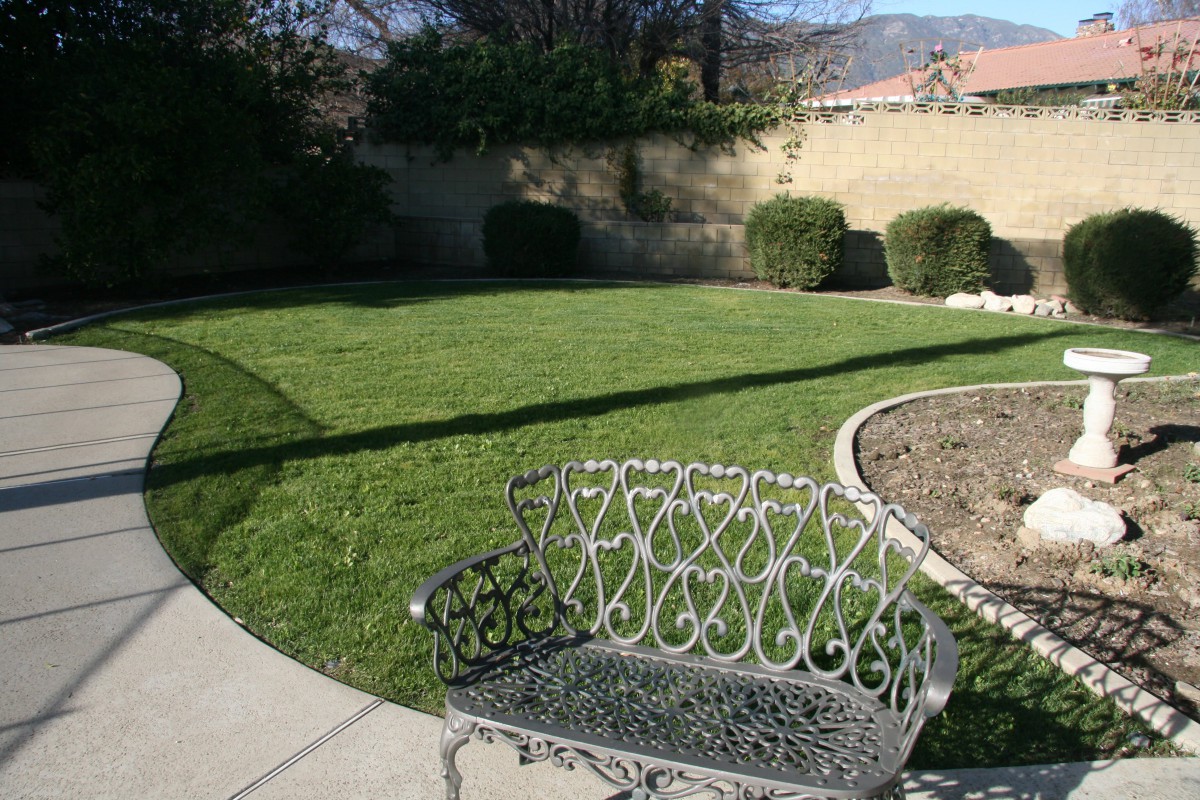
  • Outdoors

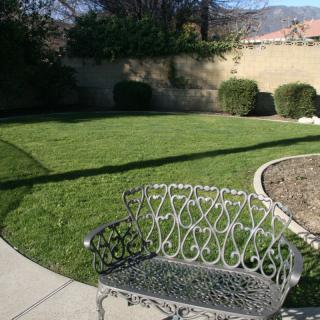
    A sunny garden with a decorative metal bench and well-maintained lawn.
  • Living Room

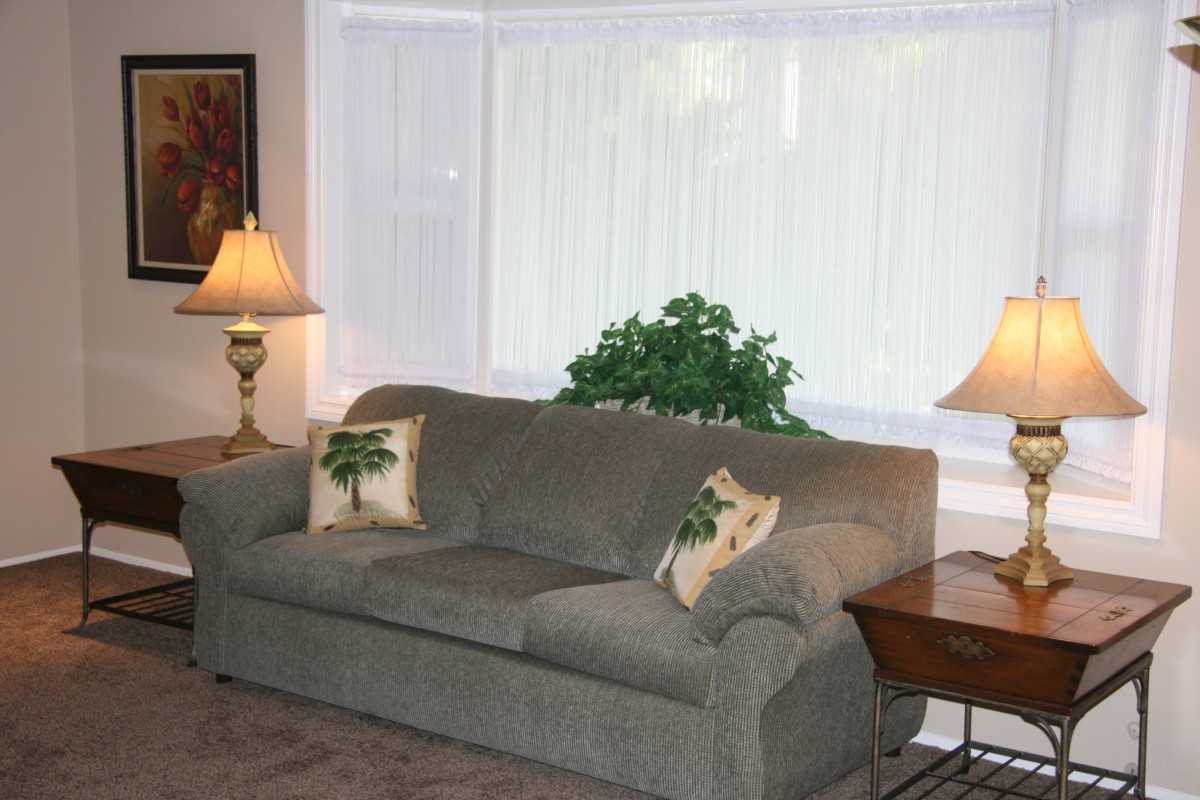
    A cozy living room with a sofa, lamps, and an indoor plant by the window.
  • Bedroom

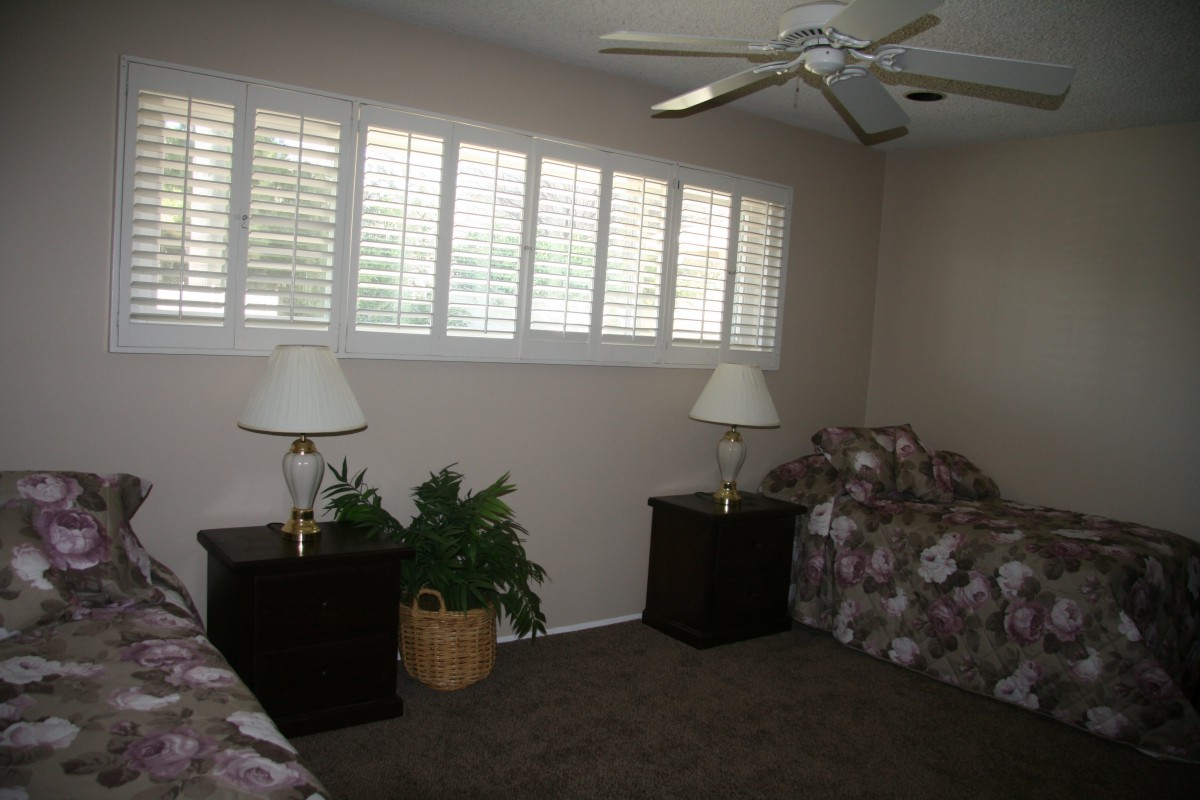
    A bedroom interior featuring two twin beds with matching bedding, nightstands with lamps, a ceiling fan, and window shutters.
  • Windows

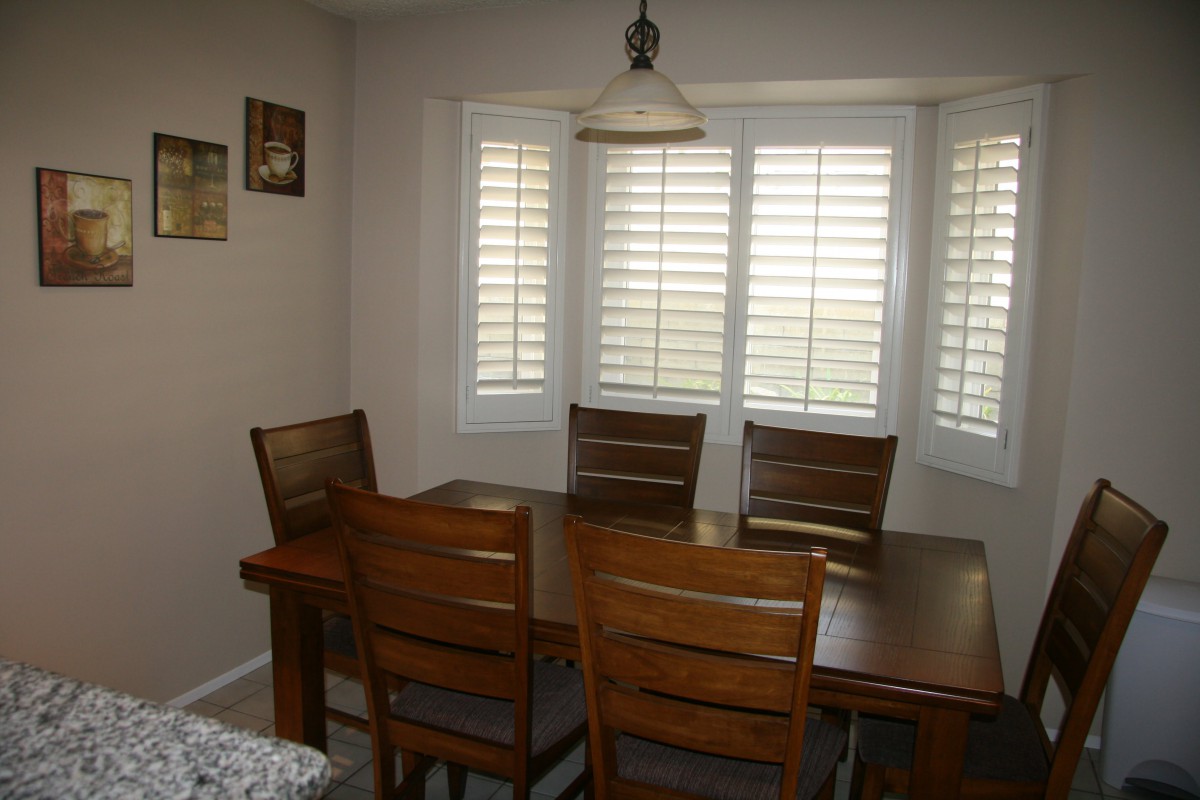
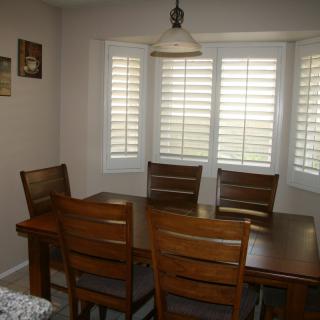
    A cozy dining area with a wooden table and four chairs, complemented by large bay windows with shutters.
  • Landscaping

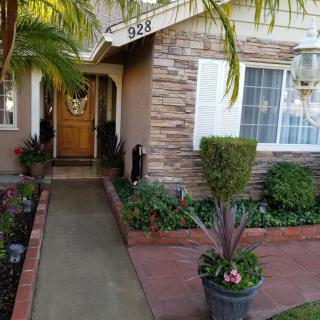
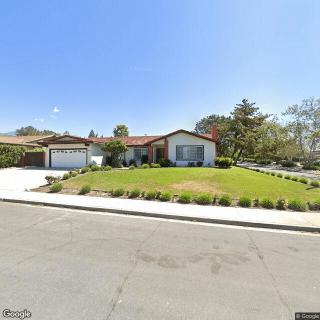
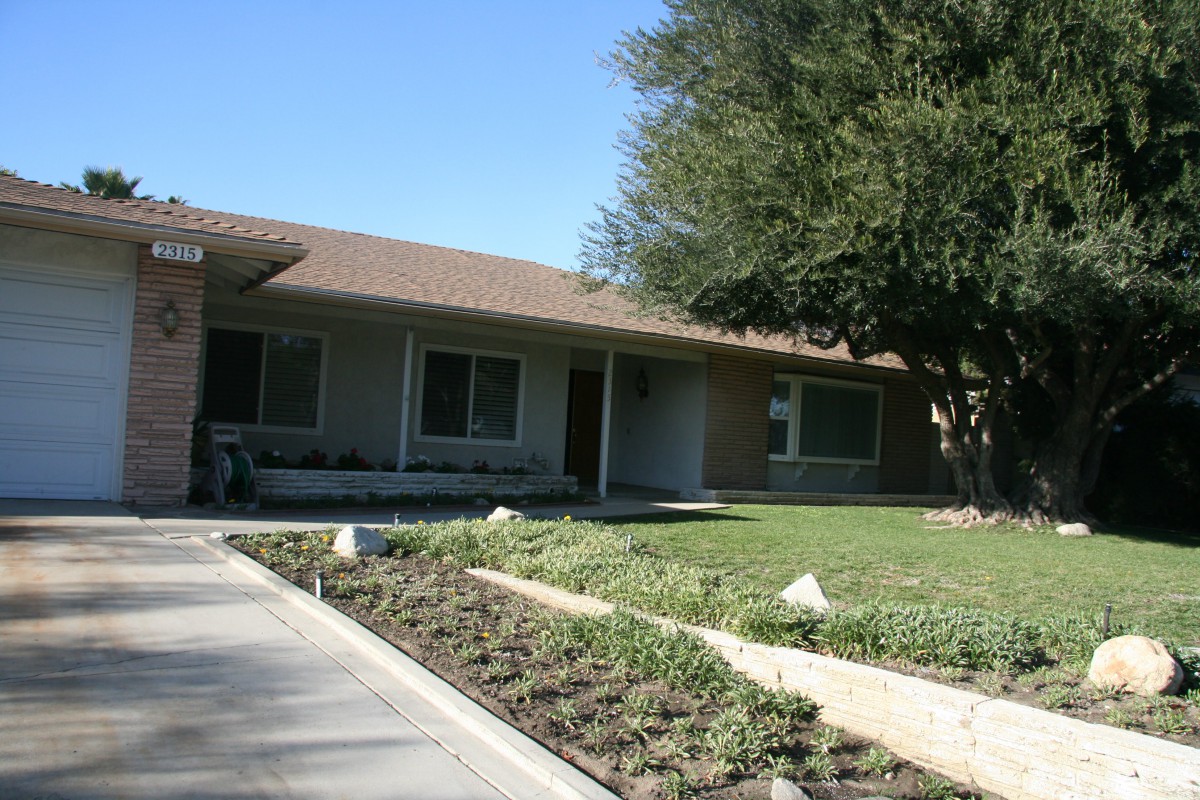
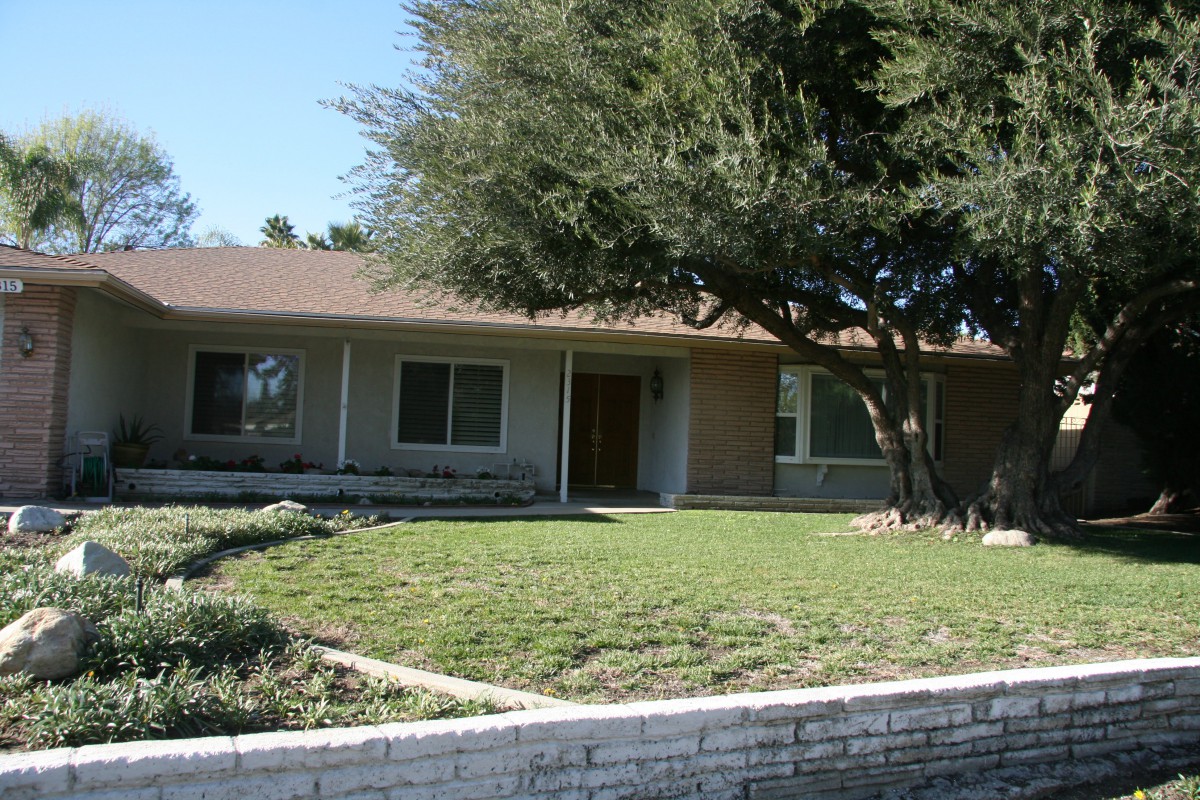
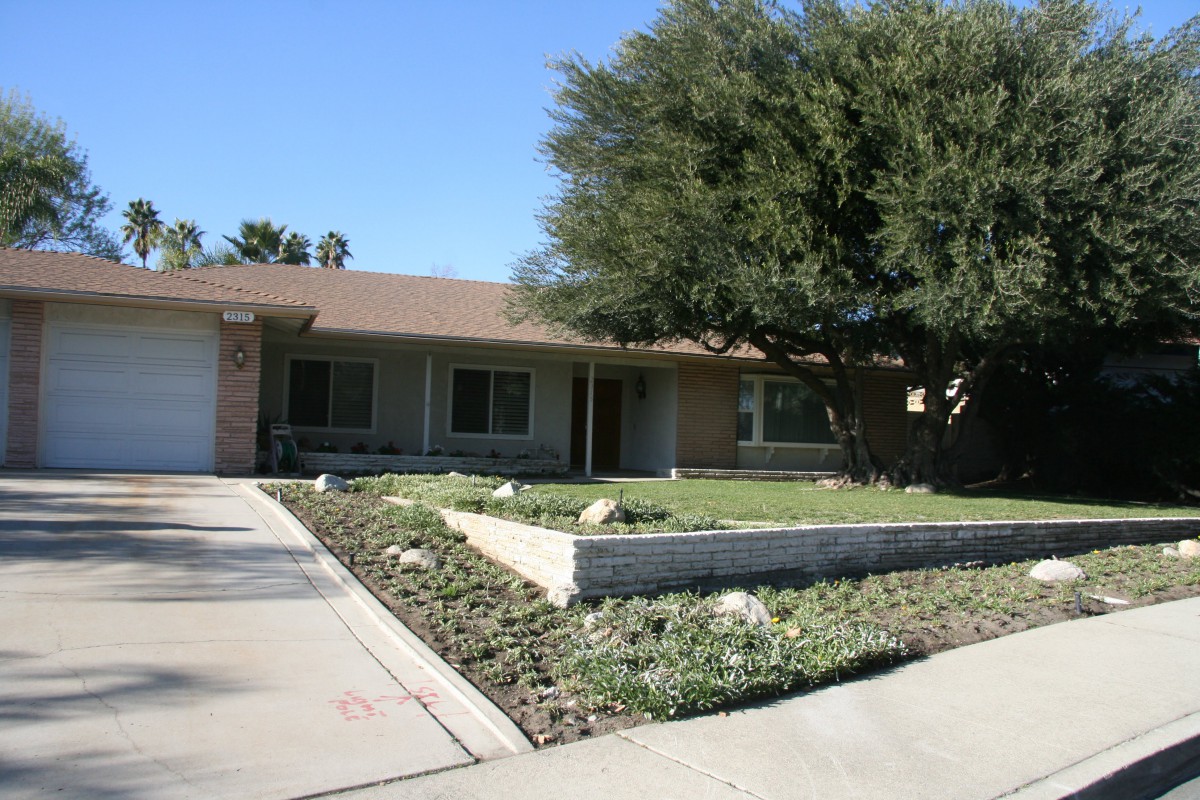
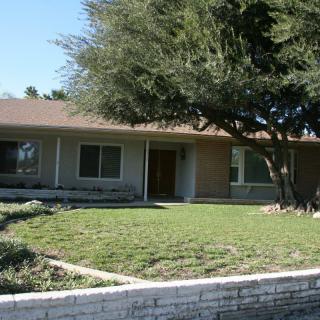
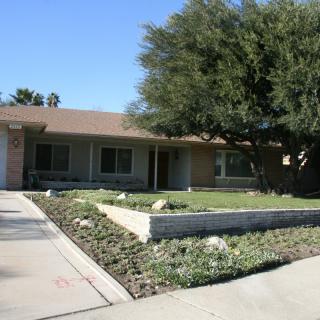
    A suburban single-story house with a well-maintained front yard and a tree.
  • Garden

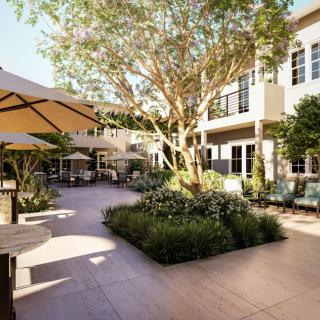
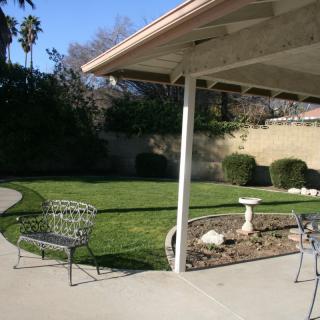
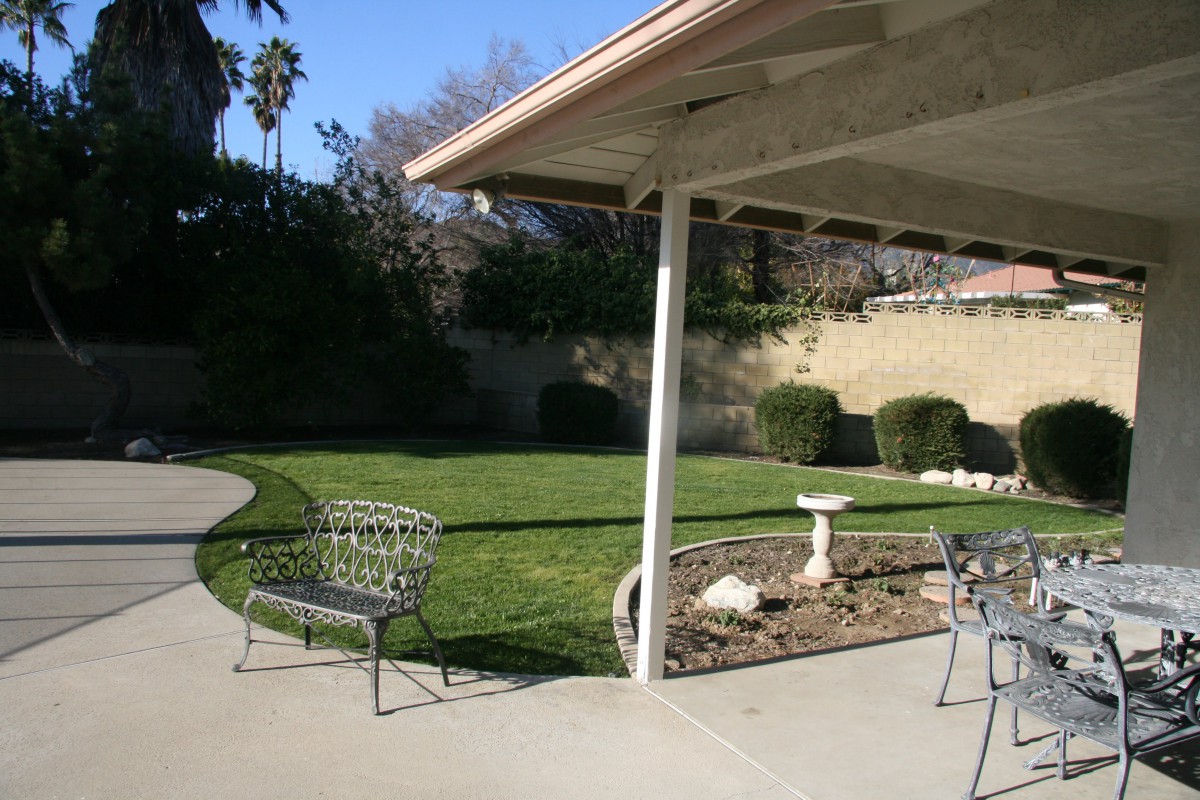
    A sunny backyard with a patio, outdoor furniture, and well-maintained landscaping.
  • Tree

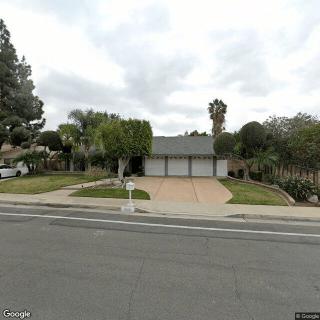
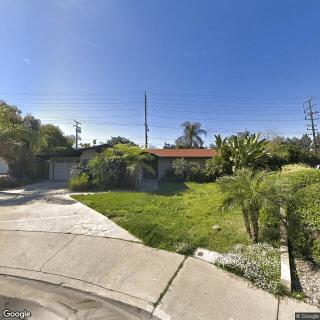
    A suburban house with a driveway and a landscaped yard featuring a large tree.

St. Daniel's Home For The Elderly II in Claremont, CA

2315 Navarro Drive, Claremont, CA 91711

For more information about senior living options: (844) 490-3973

4.8 from 11 reviews
5 stars
10
4 stars
0
3 stars
1
2 stars
0
1 stars
0

Assisted Living Board and Care Home Memory Care

St. Daniel's Home For The Elderly II Costs & Pricing

St. Daniel's Home For The Elderly II offers competitive pricing for its residents, with semi-private rooms priced at $3,500 per month, slightly above the average cost for Los Angeles County ($3,349) and the broader California market ($3,333). For those seeking more privacy, the private room rate is set at $4,500. This figure is higher than both the county's average of $4,197 and California's state average of $3,939. Overall, while St. Daniel's Home For The Elderly II may be positioned on the higher end of the pricing spectrum for similar facilities in its region, it reflects a commitment to quality care and vibrant living environments tailored for elderly residents.

Floor plansSt. Daniel's Home For The Elderly IILos Angeles CountyCalifornia
Semi-Private$3,500$3,349$3,333
Private$4,500$4,197$3,939

What level of care are you interested in?

Assisted Living

Memory Care

Independent Living

Skilled Nursing Facility

Continuing Care Retirement Community (CCRC)CCRC

Other


Request a tour at St. Daniel's Home For The Elderly II

    Overall Review of St. Daniel's Home For The Elderly II

    Pros

    • pro The facility is doing a pretty good job so far.
    • pro The resident is happy with the food.
    • pro St. Daniel's is a nice and pleasant place.
    • pro St. Daniel's offers great activities.
    • pro The staff are considerate, nice, and caring toward residents.
    • pro The facility is larger and roomier than other options, and does not feel as cramped.

    Cons

    • pro The facility is run down.
    • pro The clients lack caregivers who walk with them in the community to keep them safe.
    • pro The owner is rarely present and is very rude.
    • pro The front yard has trash in it most of the time.
    • pro The parking lot is run down.
    • pro There is a need for state oversight to ensure the clients are being cared for properly.
    • pro Visitors should conduct surprise visits at various times to ensure their loved ones are safe and cared for.

    Review

    St. Daniel's Home For The Elderly II in Claremont is best suited for families that prize social vitality, a roomy, home-like atmosphere, and consistently warm, attentive caregiving. The community earns high marks for an active programming calendar and a layout that feels less cramped than many peers. It tends to appeal to residents who thrive on engagement, companionship, and a sense of everyday community, while allowing families to tolerate some variability in day-to-day administrative visibility in exchange for a more lived-in, personable setting. Those with significant medical needs requiring constant oversight or impeccably maintained grounds should seriously consider alternatives. The right fit is a resident who values meaningful activities and interpersonal care and can commit to regular, possibly unscheduled, visits to gauge ongoing quality and safety.

    On the care and engagement front, the positives are substantial. Families consistently praise the staff for warmth, consideration, and attentiveness, and residents tend to respond positively to caregivers who seem genuinely invested in well-being. The activities program is highlighted as a standout feature, providing structure, social opportunities, and stimulation that translate into better mood and quality of life. The facility's space is noticeably roomier than many peers, reducing crowding and allowing for more comfortable interaction and movement. Food quality also gets frequent, strong mentions - an improvement over hospital-style meals that matters for daily satisfaction. Together, these strengths create a compelling value proposition for families who prioritize daily life quality and social engagement, reinforced by an overall high rating and multiple five-star endorsements.

    Nevertheless, a cautionary review draws attention to notable drawbacks that must be weighed. The facility is described as run down in appearance, with outdoor spaces that occasionally look neglected and parking areas showing wear. More concerning is a sense that caregivers do not routinely walk with residents in the community, which can raise safety considerations and impact perceived supervision. The owner's limited visible presence and a perception of sharp or unwelcoming management further complicate reliability in oversight. The reviewer also calls for external checks to ensure appropriate care. While this is not the consensus across all feedback, it signals real gaps in visible accountability that cannot be ignored when evaluating risk, especially for families seeking consistent, hands-on reassurance.

    These pros and cons do not cancel each other out; they simply tilt the calculation in favor of different priorities. The staff's caring ethos, meaningful activities, and a larger, more comfortable home environment can offset some concerns about ambiance and management visibility by delivering measurable daily-life benefits: engagement, companionship, and satisfaction with meals and space. Yet the safety implications of less visible supervision persist, particularly during shifts when not all caregivers are in clear view. For families where constant, proactive oversight is non-negotiable, this tension becomes a pivotal deciding factor. The question is whether the engagement gains compensate for potential lapses in perceived day-to-day control.

    For those who cannot tolerate inconsistencies in administration or upkeep, it makes sense to explore alternatives with more transparent oversight and more polished surroundings. Prospective residents who require steady administrator visibility, stronger grounds maintenance, and predictable staffing patterns should compare a facility's leadership presence, caregiver ratios, and recent state inspection records before committing. This community can still be a strong match for the right person - one who values enrichment and sociability and can tolerate some variability in management touchpoints - provided visits are used strategically to verify ongoing quality and safety on an ongoing basis.

    Ultimately, the recommendation centers on fit and risk tolerance. A resident who thrives on a lively schedule, enjoys a larger, more comfortable living space, and responds well to friendly caregivers will find substantial value here, especially when regular tours and observation confirm that the care quality remains consistently high. The prudent path is to schedule a thorough tour, review current activity calendars and meal plans, and ask for clear caregiver-to-resident ratios and shift patterns. If the anticipated benefits of engagement and space align with acceptable levels of administrative visibility and grounds upkeep, St. Daniel's can be a solid, even compelling, option. If not, the prudent move is to compare alternatives that promise tighter supervision and maintenance without sacrificing the core benefits of companionship and enrichment.

    Features

    Housing

    • 6 resident community capacity 6 resident community capacity

    Types of Care

    • Assisted Living Assisted LivingAssisted living facilities provide crucial support and care for seniors who may need help with daily tasks such as medication management, bathing, and meal preparation. These communities offer a safe and comfortable environment where seniors can maintain their independence while receiving the assistance they need to thrive in their golden years.
    • Board and Care Home Board and Care HomeBoard and care homes provide a smaller, more intimate setting for seniors who require assistance with daily tasks but do not need the level of care offered by a nursing home. They offer personalized care, meals, and social activities in a homelike environment, ensuring that seniors receive individualized attention and support in their golden years.
    • Memory Care Memory CareMemory care is crucial for seniors as it provides specialized support and services for individuals with dementia or Alzheimer's disease. These programs offer a safe and secure environment where residents receive personalized care, cognitive stimulation, and help with daily activities. Memory care helps seniors maintain their independence, quality of life, and dignity while also providing peace of mind for their families.

    Amenities

    • Activities on-site Activities on-siteActivities on-site are important for seniors because they provide opportunities for socialization, mental stimulation, physical activity, and overall well-being. Engaging in activities can help seniors stay active, maintain their independence, and improve their quality of life.
    • Beautician on-site Beautician on-siteHaving a beautician on-site at a senior living community is important for seniors as it allows them to easily access grooming and personal care services, boosting their self-esteem and overall well-being. It also provides convenience and helps seniors maintain their sense of independence and personal style.
    • Cable or satellite TV Cable or satellite TVCable or satellite TV is important for seniors because it provides entertainment, news, and companionship, helping to combat loneliness and boredom. It also offers a wide range of programming options tailored to different interests and preferences.
    • Dining room Dining roomDining rooms are important for seniors as they provide a space for socialization, connection, and nutritious meals. They offer opportunities for residents to bond over shared meals, foster a sense of community, and promote healthy eating habits. Dining rooms also ensure that seniors have access to well-balanced meals tailored to their dietary needs and preferences.
    • Fully furnished Fully furnishedFully furnished senior living communities are important for seniors because they provide convenience, comfort, and a hassle-free moving experience. Seniors can easily settle into their new living space without the stress of having to buy and move furniture. This allows them to focus on enjoying their new home and community.
    • Garden GardenGardens are important for seniors as they provide a peaceful and therapeutic environment for relaxation, physical activity, and socialization. Being in nature has been shown to reduce stress, improve mood, and promote overall well-being. Gardens also offer opportunities for seniors to engage in gardening activities, which can improve mobility, flexibility, and cognitive function. Additionally, gardens create a sense of community and connection with others who share a passion for plants and outdoor spaces.
    • Housekeeping services Housekeeping servicesHousekeeping services are important for seniors because they help maintain a clean and safe living environment, promote independence, and reduce the risk of accidents or illnesses. Additionally, having assistance with household chores can alleviate physical strain and allow seniors to focus on other aspects of their well-being.
    • Indoor common areas Indoor common areasIndoor common areas are crucial for seniors as they provide a space for socialization, recreation, and community engagement, promoting overall well-being and reducing feelings of isolation and loneliness.
    • Move-in coordination Move-in coordinationMove-in coordination is important for seniors because it helps ease the transition into their new living environment. It ensures that all logistics, such as packing, organizing movers, and setting up utilities are taken care of, allowing seniors to focus on settling in and adjusting to their new home. Having a smooth move-in process can alleviate stress and anxiety, making the transition smoother and more enjoyable for seniors.
    • Outdoor common areas Outdoor common areasOutdoor common areas are important for seniors as they provide a space for socialization, physical activity, and relaxation. Being outside in nature can improve mood and overall well-being, while also encouraging movement and engagement with others. These spaces can help combat feelings of isolation and promote a sense of community among residents.
    • Outdoor space Outdoor spaceOutdoor spaces are important for seniors as they provide opportunities for physical activity, social interaction, exposure to natural light and fresh air, and a sense of connection to nature. Having access to outdoor spaces can improve overall well-being and quality of life for older adults living in senior communities.
    • Private PrivatePrivacy is important for seniors as it allows them to maintain their independence, dignity, and sense of control over their own lives. It also gives them the space and freedom to relax, reflect, and engage in activities that bring them joy and fulfillment. Creating private spaces within senior living facilities is crucial for promoting overall well-being and quality of life.
    • Respite or short term stays offered Respite or short term stays offeredRespite or short term stays provide seniors with a temporary solution when their regular caregiver is unavailable, offering them the opportunity to receive additional care and support during times of need, while also giving caregivers a chance to rest and recharge.
    • Telephone TelephoneTelephones are important for seniors as they provide a lifeline for communication with loved ones, emergency services, and healthcare providers. They offer a sense of security and independence, enabling seniors to stay connected and access assistance when needed.
    • Wheelchair accessible showers Wheelchair accessible showersWheelchair accessible showers are crucial for seniors as they provide a safe and independent bathing option for those with mobility challenges. These showers help prevent falls and allow seniors to maintain their dignity and autonomy while ensuring they can bathe comfortably.
    • Wi-Fi/high-speed internet available Wi-Fi/high-speed internet availableWi-Fi/high-speed internet is important for seniors to stay connected with loved ones, access online resources, and participate in virtual activities to combat feelings of loneliness and isolation. It also allows them to easily manage healthcare needs, access entertainment, and engage in lifelong learning opportunities.

    Transportation

    • Ontario International (8 miles away) Ontario International (8 miles away)

    Care Services

    • 24-hour supervision 24-hour supervision24-hour supervision is important for seniors to ensure their safety, well-being, and access to immediate assistance in case of emergencies or health issues. This constant support provides peace of mind for both seniors and their loved ones, allowing them to age in place with dignity and security.
    • Activities of daily living assistance Activities of daily living assistanceActivities of daily living assistance are important for seniors because they provide essential support with tasks such as eating, bathing, dressing, and mobility. This assistance helps seniors maintain their independence, dignity, and overall quality of life as they age.
    • Ambulatory care Ambulatory care"Ambulatory care services provide essential medical support and treatment to seniors without requiring hospitalization, allowing them to maintain their independence and quality of life while managing chronic conditions or receiving routine medical care."
    • Assistance with bathing Assistance with bathingAssistance with bathing is crucial for seniors as it helps maintain personal hygiene, prevents infections, and ensures their overall well-being and comfort. It also provides a sense of dignity and independence for seniors who may struggle with this task on their own.
    • Assistance with dressing Assistance with dressingAssistance with dressing is important for seniors because it helps maintain their independence, promotes personal hygiene, prevents accidents and injuries, and improves overall quality of life. This service ensures that seniors can continue to dress comfortably and confidently, despite any physical limitations they may have.
    • Assistance with transfers Assistance with transfersAssistance with transfers is crucial for seniors as it helps prevent falls and injuries, maintains their independence, and ensures they can safely navigate their living environment. It also provides peace of mind for both seniors and their loved ones.
    • Coordination with health care providers Coordination with health care providersCoordination with health care providers is crucial for seniors to ensure proper medical care, medication management, and overall well-being. This collaboration helps prevent overlapping treatments, track progress more effectively, and provide comprehensive support tailored to individual needs.
    • Diabetes diet Diabetes dietA diabetes diet is crucial for seniors as it helps manage blood sugar levels, reduce risks of complications, and improve overall health and well-being. By following a balanced and nutritious diet tailored to their specific needs, seniors can better control their diabetes and enhance their quality of life.
    • Diabetic care Diabetic careDiabetic care is crucial for seniors as they are more susceptible to developing diabetes due to aging and other health conditions. Proper management of diabetes can help prevent complications such as heart disease, vision loss, and nerve damage, improving the overall quality of life for seniors in senior living communities.
    • High acuity care High acuity careHigh acuity care is important for seniors because it provides specialized medical attention and support for individuals with complex medical needs. This level of care ensures that seniors receive the appropriate treatment and assistance to maintain their health and quality of life as they age.
    • Incontinence care Incontinence careIncontinence care is essential for seniors to maintain their dignity, hygiene, and overall quality of life. By addressing incontinence issues promptly and effectively, seniors can enjoy a sense of independence and comfort in their daily activities.
    • Meal preparation and service Meal preparation and serviceMeal preparation and service are crucial for seniors as they may have limited mobility or energy to cook nutritious meals. Having access to healthy and convenient food options can ensure they are getting the proper nutrition needed to maintain their overall health and well-being.
    • Medication management Medication managementMedication management is crucial for seniors to ensure they are taking the right medications at the correct dosages and times. This helps prevent adverse drug interactions, reduces the risk of medication errors, and promotes overall health and well-being. Proactive management also allows for adjustments as needed based on changing health conditions or new prescriptions.
    • Special dietary restrictions Special dietary restrictionsSpecial dietary restrictions are important for seniors because age-related changes in metabolism and health conditions can make it difficult for their bodies to process certain foods. By following a diet tailored to their specific needs, seniors can maintain their overall health and well-being, manage chronic conditions, and reduce the risk of complications such as malnutrition or food interactions with medications.
    • Transportation arrangement (medical) Transportation arrangement (medical)Transportation arrangements for medical purposes are essential for seniors as they may have difficulty driving themselves to appointments or accessing public transportation. Having reliable and safe transportation options ensures that seniors can receive timely medical care and maintain their health and well-being.
    • Transportation to doctors appointments Transportation to doctors appointmentsTransportation to doctors' appointments is crucial for seniors as it ensures they have access to necessary medical care and support for their health needs. Without reliable transportation, seniors may struggle to attend important appointments, leading to potential delays in treatment and health complications. Providing transportation services helps seniors maintain their overall well-being and quality of life.

    Dining

    • Diabetes diet Diabetes dietA diabetes diet is crucial for seniors as it helps manage blood sugar levels, reduce risks of complications, and improve overall health and well-being. By following a balanced and nutritious diet tailored to their specific needs, seniors can better control their diabetes and enhance their quality of life.
    • Kosher KosherKosher options are important for seniors because they adhere to dietary laws that are significant to many Jewish individuals, providing them with peace of mind and an opportunity to maintain their cultural traditions and beliefs while living in a senior living community.
    • Meals provided Meals provided"Meals provided" are crucial for seniors in assisted living communities as it ensures they have access to nutritious, balanced meals without the stress of meal planning and preparation. This can help promote overall health and well-being for seniors who may have limited mobility or cognitive abilities.
    • Special dietary restrictions Special dietary restrictionsSpecial dietary restrictions are important for seniors because age-related changes in metabolism and health conditions can make it difficult for their bodies to process certain foods. By following a diet tailored to their specific needs, seniors can maintain their overall health and well-being, manage chronic conditions, and reduce the risk of complications such as malnutrition or food interactions with medications.
    • Vegetarian VegetarianA vegetarian diet is important for seniors because it can help lower the risk of chronic diseases, maintain a healthy weight, and provide essential nutrients needed for aging bodies. Additionally, plant-based diets are often easier on digestive systems and can contribute to overall well-being in older adults.

    Activities

    • Activities on-site Activities on-siteActivities on-site are important for seniors because they provide opportunities for socialization, mental stimulation, physical activity, and overall well-being. Engaging in activities can help seniors stay active, maintain their independence, and improve their quality of life.
    • Community-sponsored activities Community-sponsored activitiesCommunity-sponsored activities are important for seniors as they provide opportunities for social interaction, mental stimulation, and physical activity. These activities can help improve overall well-being, combat loneliness and isolation, and promote a sense of belonging and purpose among older adults.
    • Scheduled daily activities Scheduled daily activitiesScheduled daily activities are important for seniors because they provide structure, socialization, mental stimulation, and physical activity. Engaging in regular activities can improve overall well-being and quality of life for seniors living in a community setting.

    Description

    St. Daniel's Home For The Elderly II, located in the charming city of Claremont, CA, offers a welcoming and supportive environment for seniors seeking a blend of independence and assistance. This board and care home specializes in memory care and is designed to provide comfort and security for its residents.

    The community boasts a variety of amenities to enhance residents' quality of life, including beautifully furnished private rooms, inviting indoor common areas, and serene outdoor spaces perfect for relaxation or socialization. Residents can take advantage of on-site beautician services, enjoy cable or satellite TV, and stay connected with Wi-Fi/high-speed internet access. The dining room offers nutritious meals tailored to individual dietary needs, such as kosher options, vegetarian choices, and specialized diets for those with diabetes.

    At St. Daniel's Home For The Elderly II, personalized care is a priority. Dedicated staff provides assistance with activities of daily living (ADLs), including bathing, dressing, medication management, and transportation coordination for medical appointments. High acuity care options are available alongside incontinence care and meal preparation services ensures that all resident needs are met with compassion.

    Residents can engage in a variety of scheduled daily activities as well as participate in community-sponsored events that promote social interaction and enrichment. With easy access to local cafes, parks, pharmacies, physicians' offices, restaurants, places of worship, theaters, and hospitals nearby, the location supports an active lifestyle while ensuring essential services are within reach.

    Whether through short-term respite stays or long-term residency solutions tailored to those with memory challenges or other health concerns, St. Daniel's Home For The Elderly II is committed to creating a nurturing atmosphere where seniors can thrive both physically and emotionally.

    Nearby Places of Interest

    This part of Claremont, California, offers a variety of amenities that cater to the needs and interests of seniors. With multiple pharmacies within a short distance, accessing medication and health supplies is convenient. There are also several dining options ranging from casual fast food to sit-down restaurants, providing diverse choices for meals. The proximity to public transportation hubs like the Montclair Metrolink Station and Pomona Station makes it easy for seniors to travel around the area. Additionally, there are reputable healthcare facilities nearby such as Inland Neurosurgery Institute and Pomona Valley Hospital Medical Center, ensuring quality medical care. Places of worship like Charisma Life Church and St Anthony's Catholic Church offer spiritual support and community engagement opportunities. For recreational activities, there are parks like Citrus Park and Frank G. Bonelli Regional Park for outdoor enjoyment, as well as theaters and cafes for entertainment and socializing. Overall, this area provides a range of services and resources that can contribute to a fulfilling senior living experience in Claremont.

    Pharmacies

    • CVS Pharmacy (1.5 miles)
    • CVS Pharmacy (1.7 miles)
    • Walgreens (2.9 miles)
    • CVS Pharmacy (3.4 miles)
    • CVS Pharmacy (3.6 miles)
    • CVS Pharmacy (3.9 miles)
    • CVS Pharmacy (4 miles)

    Restaurants

    • Bardot (2 miles)
    • The Hat (2.2 miles)
    • McDonald's (2.5 miles)
    • Old Stump Brewing Co. (2.9 miles)
    • McDonald's (3.1 miles)
    • Lazy Dog Restaurant & Bar (3.1 miles)
    • Vince's Spaghetti (5.4 miles)

    Transportation

    • Montclair Metrolink Station (2.5 miles)
    • Pomona Station (3 miles)
    • Ontario International Airport - Terminal 2 (8.2 miles)
    • Baggage Claim T2 (8.2 miles)
    • Ontario International Airport (ONT) (8.7 miles)
    • Ontario Int'L-Terminal 4 (8.7 miles)
    • Baggage Claim T4 (8.7 miles)

    Physicians

    • Inland Neurosurgery Institute (2.6 miles)
    • Heavenly 3D 4D Ultrasounds (2.8 miles)
    • Tarick Smaili, MD (3.3 miles)
    • The Robert & Beverly Lewis Family Cancer Care Center (3.7 miles)
    • Womens View Medical Group (3.8 miles)
    • Chapparal Medical Group (3.8 miles)
    • City Of Hope Upland (5 miles)

    Places of Worship

    • Charisma Life Church (2.9 miles)
    • St Anthony's Catholic Church (3.4 miles)
    • First Presbyterian Church Upland (4 miles)
    • Real Life (7 miles)
    • Hillside Community Church (8.3 miles)

    Theaters

    • AMC DINE-IN Montclair Place 12 (3.1 miles)
    • Harkins Theatres Chino Hills 18 (7.9 miles)

    Parks

    • Citrus Park (3.8 miles)
    • Frank G. Bonelli Regional Park (6.6 miles)
    • Ruben S Ayala Park (7.9 miles)
    • Pantera Park (8.9 miles)
    • Central Park (9 miles)

    Hospitals

    • Pomona Valley Hospital Medical Center (3.9 miles)
    • Casa Bonita (4.7 miles)
    • San Antonio Community Hospital Maternity Information Services (5 miles)
    • San Antonio Medical Center (5 miles)

    Cafes

    • Starbucks (4.5 miles)
    • Starbucks (7.3 miles)
    • Starbucks (7.4 miles)
    • Starbucks (7.5 miles)
    • The Donut Man (7.6 miles)
    • Omomo Tea Shoppe (8.1 miles)
    • Panera Bread (8.2 miles)

    Frequently Asked Questions

    How much does it cost to live at St. Daniel's Home For The Elderly II in Claremont, CA?
    Where is St. Daniel's Home For The Elderly II?
    Does St. Daniel's Home For The Elderly II provide care for residents with dementia or Alzheimer's disease?
    What photos are available for St. Daniel's Home For The Elderly II in Claremont, California?

    Nearby Communities

    • Heritage Residential Home Care

      Heritage Residential Home Care

      Claremont, CA

       
      $2,742 / month

      pro Personalized care in a small, intimate community.

    • St. Daniel's Senior Care

      St. Daniel's Senior Care

      Claremont, CA

      4.6 from 5 reviews
       

      pro 24/7 supervision and ADL support with diabetes-friendly meals and transportation to medical appointments.

    • Saint Joseph's Home for the Elderly

      Saint Joseph's Home for the Elderly

      Claremont, CA

      4 from 6 reviews
      $3,000 to $3,700 / month

    • St Matthews Home For The Elderly II

      St Matthews Home For The Elderly II

      Claremont, CA

      4 from 5 reviews
       

      pro Small, intimate community with 24/7 supervision and comprehensive ADL support.

    • The Winter Wind

      The Winter Wind

      Claremont, CA

      4.8 from 8 reviews
      $2,780 to $3,800 / month

      pro Family-like atmosphere with personalized care from nurse-led ownership.

    • Comfort Keepers #237

      Comfort Keepers #237

      Claremont, CA

      4.4 from 25 reviews
       

      pro Prime location with extensive nearby amenities and services.

    • Claremont Manor

      Claremont Manor

      Claremont, CA

      4.3 from 93 reviews
      $4,400 to $6,400 / month

      pro Compassionate staff, diverse housing options, and engaging activities in a well-maintained, welcoming campus.

    • Claremont Villas

      Claremont Villas

      Claremont, CA

      4.5 from 59 reviews
      $771 to $1,114 / month

      pro Renovated, clean apartments with friendly staff in a walkable Claremont Village location.

    • La Verne Manor

      La Verne Manor

      La Verne, CA

      5 from 4 reviews
      $1,013 to $2,000 / month

      pro Happy residents with daily care, engaging activities, and clean, well-maintained rooms.

    Related Resources

    • does my mom have dementia quiz5 Early Indicators of Dementia and What You Can Do

      The content outlines five key early indicators of dementia, including significant memory loss and confusion about time and place, while emphasizing the need for professional evaluation and emotional support for both individuals showing symptoms and their caregivers. It encourages family members to monitor these signs closely and use online quizzes for initial awareness.

    • when should someone with dementia go into a care home8 Important Indicators That Memory Care May Be Necessary

      The article highlights eight indicators that a loved one with dementia may require specialized memory care, emphasizing the emotional and logistical challenges families encounter in this decision. It discusses signs such as difficulties with daily tasks, safety concerns, and caregiver burnout, suggesting that memory care facilities can provide the necessary support and structured environments for those experiencing cognitive decline.

    • what do dementia patients think aboutDelving into the Inner World of Dementia: Insights into Thoughts and Awareness
      Dementia, primarily caused by Alzheimer's disease but also linked to other conditions, leads to cognitive decline impacting memory and daily functioning, with individuals experiencing varied awareness of their impairments. Despite memory loss, emotional connections persist, enabling responses to familiar stimuli, highlighting the need for caregivers to provide compassionate support that recognizes both limitations and retained emotional depth.


    Get Pricing Ask A Question Schedule A Tour Contact Senior Advisor