
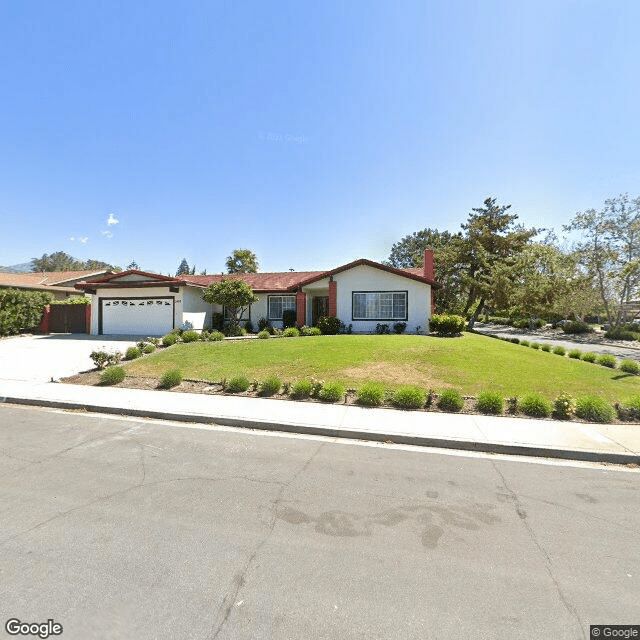
2408 San Jacinto Drive, Claremont, CA 91711
To contact a resident: (909) 624-3112
For more information about senior living options: (866) 208-4318
Saint Joseph's Home for the Elderly Costs & Pricing
Saint Joseph's Home for the Elderly offers competitive pricing for its residents, particularly when compared to both Los Angeles County and broader California rates. The cost for a semi-private room at Saint Joseph's is $3,000 per month, which is notably lower than the county average of $3,349 and the state average of $3,333. For those seeking more privacy, the monthly rate for a private room is set at $3,700, still more affordable compared to Los Angeles County's average of $4,197 and California's rate of $3,939. Additionally, their one-bedroom accommodations are available at the same price as their private rooms - $3,700 - offering an attractive option when compared to the county and state averages of $4,603 and $4,340 respectively. Overall, Saint Joseph's Home provides quality care at prices that are often below market averages within its geographic context.
| Floor plans | Saint Joseph's Home for the Elderly | Los Angeles County | California |
|---|---|---|---|
| Semi-Private | $3,000 | $3,349 | $3,333 |
| Private | $3,700 | $4,197 | $3,939 |
| 1 Bedroom | $3,700 | $4,603 | $4,340 |
Memory care communities with a similar price nearby
-
from +$500 / mo
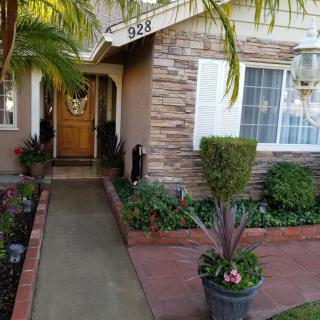
Comfort Keepers Home Care
$3,500 to $6,500 / month16.8 miles away -
About the same
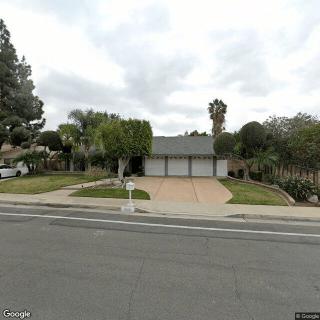
Best Elderly Care I
$3,000 to $3,500 / month22.8 miles away -
from -$200 / mo

Bianca's Home Care
$2,800 to $3,400 / month24.3 miles away -
from +$500 / mo
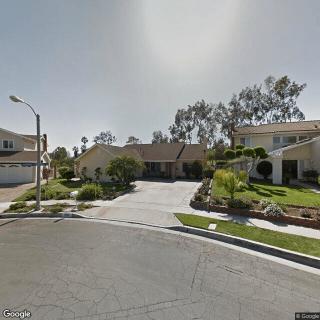
Sunny Ridge Manor Home
$3,500 to $4,000 / month22.2 miles away -
About the same
Villa Anne
$3,000 to $4,500 / month23.1 miles away
Overall Review of Saint Joseph's Home for the Elderly
Pros
 The owners here have been doing a great job of working with families to accommodate their loved one’s care needs.
- The staff are helping her settle in and learn her routine, and the care is improving.
- The facility is new, clean, and friendly.
- The caregivers are very compassionate and very careful with the patient.
- The administrator spends time at the facility and treats patients like family.
- The staff are always there when needed.
- Social events for guests and families, such as barbecues, create a lovely, welcoming atmosphere.
Cons
 There have been a few incidents that required intervention.
- Things remain a little shaky.
- The staff appeared more interested in the reviewer than in the resident.
Review
Saint Joseph’s Home for the Elderly in Claremont is best suited for families seeking a small, intimate, caregiver-driven setting where leadership is visibly engaged and care plans can be finely tuned to evolving needs. The community suits seniors who need daily assistance with routines and safety, plus meaningful social contact, but do not require constant, high-acuity medical oversight. The atmosphere leans toward a home-like experience, with a hands-on administrator and a focus on building trust with families. For residents whose care needs are still developing or fluctuating, this setting can adapt in real time as staff learn preferences and routines, delivering steady progress over time.
Those weighing alternatives should factor in the facility’s current stage and its ability to meet higher levels of medical complexity. If a loved one requires 24/7 skilled nursing, comprehensive memory-care programming, or robust monitoring for advanced conditions, larger communities with dedicated memory-care units or intensive clinical support may be more appropriate. Families prioritizing a long-standing track record of performance or a vastly established care culture might also favor an option with more extensive data on outcomes. In short, Saint Joseph’s shines as a warm, evolving environment, but it may not be the ideal match for residents who demand high-volume clinical intervention from day one.
The strongest positives center on leadership, culture, and the caregiving environment. The owners and administrator are deeply involved, responsive to family input, and proactive in coordinating care. Cleanliness and organization are evident, and the staff consistently demonstrate compassion and careful attention to residents. The social dimensions are meaningful, small gatherings, barbecue events, and a sense of family extend to family members during visits. The administrator’s daily presence and involvement in activities like gardening convey a tangible commitment to resident well-being, reinforcing a trusting, participatory atmosphere that can ease transitions for new residents and their families.
Yet a few notable drawbacks temper the otherwise favorable picture. Incidents requiring family intervention have occurred, signaling that the care team is still tightening systems and routines around complex needs. The facility is new, which means some programs, especially around activities, are still developing, and initial tours can skew toward introducing the facility to families rather than centering the resident’s ongoing engagement. While some reviews highlight rapid progress and growing competence, others describe a period of adjustment where things feel “still shaky.” This is not a red flag, but it is a reality to plan for: early-stage establishments often refine staff training, care protocols, and activity calendars in the first several months.
The balance of pros and cons leans toward a constructive, forward-looking choice for families who value a close-knit feel and visible leadership. The strong caregiver relationships, the care team’s receptiveness to feedback, and the family-oriented culture can offset the early-stage bumps by delivering highly personalized attention and quicker problem resolution. The newness of the facility is not simply a risk; it also signals potential for rapid improvements, more flexible scheduling, and newer equipment or spaces as the program matures. However, the need for ongoing monitoring, clear communication, and explicit care-planning cannot be underestimated, these elements will determine whether the positives consolidate into reliable, consistent daily life for a resident with evolving needs.
For decision-makers, the practical path is clear: if warmth, daily hands-on supervision, and a growing, family-like community are paramount, Saint Joseph’s represents a compelling option. Prospective families should verify the scope of care for specific conditions, request a detailed care plan, and observe a meal or activity to assess how well residents participate and feel engaged. If a stricter, more medicalized level of support is non-negotiable, or if the priority is a longer track record of outcomes, exploring alternatives with established clinical throughput is prudent. In the right match, Saint Joseph’s can become a welcoming home that improves with time, guided by engaged owners and a genuinely caring staff.
 Board and Care Home
 Memory Care
 Private
 Ontario International (8 miles away)
 Diabetic care
 High acuity care
 Incontinence care
 Medication management


 Nourishing the Mind: Essential Dietary Approaches for Dementia
 Understanding Dementia Behaviors: Practical Insights and Strategies for Caregivers
 When Dementia Sparks Anger and Aggression: Understanding the Connection and Ways to Cope