
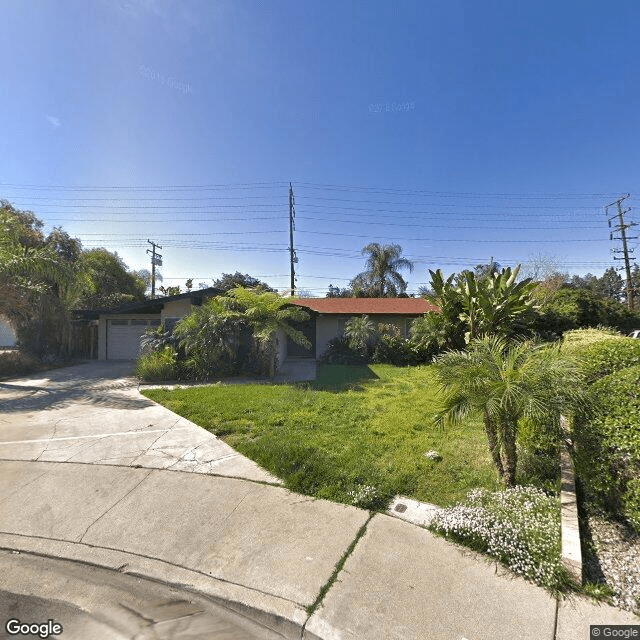
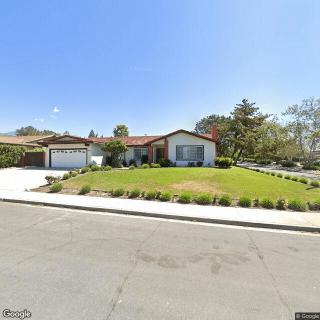
2105 N San Marcos Place, Claremont, CA 91711
To contact a resident: (562) 547-6630
For more information about senior living options: (866) 208-4318
The Winter Wind Costs & Pricing
The Winter Wind offers competitive pricing for its accommodations compared to both Los Angeles County and the broader state of California. For a semi-private room, The Winter Wind's monthly cost of $2,780 is significantly lower than the average of $3,349 in Los Angeles County and $3,333 across California. When it comes to private rooms and one-bedroom units, The Winter Wind maintains its affordability, charging $3,800 for both room types - substantially less than the county's average of $4,197 and state price of $3,939 for private rooms. Additionally, the one-bedroom rate matches that of private rooms at The Winter Wind while remaining below Los Angeles County's average of $4,603 and California's average of $4,340. Overall, The Winter Wind presents a financially attractive option for those seeking quality living arrangements in a competitive market.
| Floor plans | The Winter Wind | Los Angeles County | California |
|---|---|---|---|
| Semi-Private | $2,780 | $3,349 | $3,333 |
| Private | $3,800 | $4,197 | $3,939 |
| 1 Bedroom | $3,800 | $4,603 | $4,340 |
Memory care communities with a similar price nearby
-
from -$280 / mo
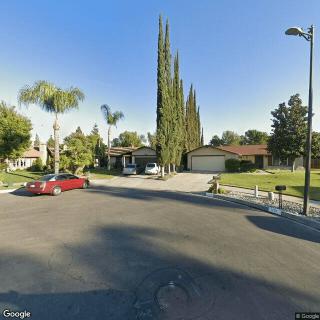
Valley Spring Elderly Care
$2,500 to $3,000 / month24.8 miles away -
from +$220 / mo
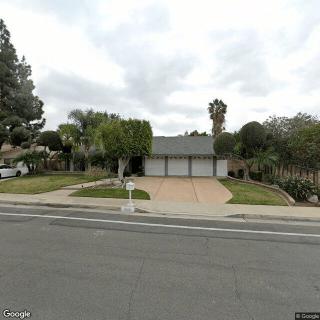
Best Elderly Care I
$3,000 to $3,500 / month22.5 miles away -
from -$280 / mo
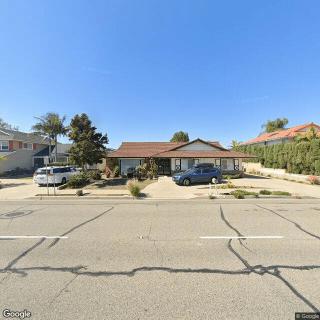
Madison Home Care 2
$2,500 to $2,800 / month24.7 miles away -
About the same

Bianca's Home Care
$2,800 to $3,400 / month23.9 miles away -
from +$220 / mo
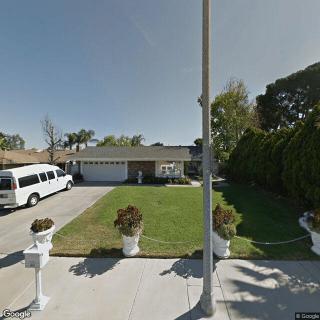
Villa Anne
$3,000 to $4,500 / month22.8 miles away
Overall Review of The Winter Wind
Pros
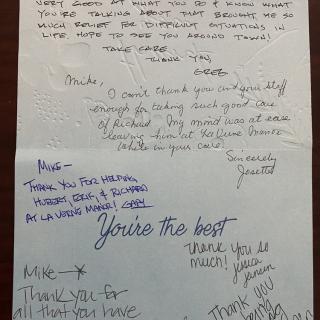
 They do a fabulous job here.
- The owners are very caring people who treat residents as individuals.
- They make residents feel like family.
- One of the owners is a registered nurse who is very helpful and knowledgeable about specific care needs.
- The place comes highly recommended for anyone seeking care for a loved one.
- The Autumn Wind is just as nice and worth a look.
- Christina and Jose are fabulous caregivers, and families feel confident their loved ones are well cared for.
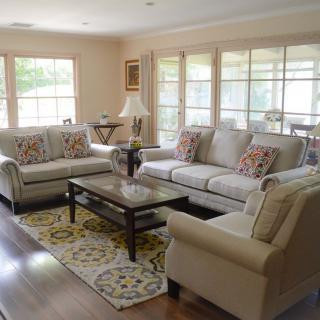
- The home is beautiful, comfortable, and not sterile.
- There is a good ratio of attendants to residents, and the staff go the extra mile.
- They organize activities and outings, like weekly trips to Denny’s, giving it a family-like atmosphere.
- Kaiser Permanente certification reflects high standards and caring staff.
- There is a great outdoor area to enjoy in the summer.
Cons
 They were more interested in the resident than in the visitor.
Review
The Winter Wind is best suited for families seeking a warm, home-like assisted living environment where residents are known by name and care is tailored to individual routines and preferences. This community earns its strongest endorsement for families who value hands-on, relationship-centered care delivered by owners who genuinely treat residents as family. The presence of a registered nurse among the owners signals practical clinical insight applied daily, and the broader caregiving team is described as attentive and engaged. The arrangement is reinforced by the fact that the owners also operate The Autumn Wind, suggesting a consistent philosophy across properties and a repository of experience that can adapt to a range of needs.
Those considering alternatives should note that this setting may not be the best fit for seniors requiring highly medicalized, campus-style care with extensive on-site specialty programs. The Winter Wind emphasizes a small-house feel, home-like rooms, and frequent personal interaction rather than a large, hospital-like infrastructure. For families prioritizing a very clinical, tightly standardized environment, or seeking substantial on-site rehabilitation programs or memory-care cascaded through a dedicated unit, a larger facility with more expansive medical resources may be a better match. Additionally, prospective residents not connected to Kaiser or who want a different medical network may want to verify how care coordination would work in practice.
The core strengths of The Winter Wind lie in its people and its philosophy of care. The owners’ genuine regard for residents shines through in every interaction, with caregivers focused on the person rather than the task. The nurse-owner presence translates into practical advice and responsive care planning, especially when specific needs or care types arise. Families repeatedly note that the team looks beyond routine tasks to ensure comfort and dignity, a dynamic that makes a meaningful difference for those who fear losing a sense of independence or belonging. This is a setting where the caregiving team operates with a family-first mindset, not a distant corporate routine.
Equally compelling is the home atmosphere that permeates the facility. Reviews describe a beautiful, comfortable space where rooms feel like a thoughtfully decorated home rather than a sterile institution. The focus on a non-clinical ambiance, two beds with a childlike familiarity in the bedroom, welcoming common areas, and outdoor spaces for summer time enjoyment, helps residents stay engaged and feel respected. The staff’s willingness to incorporate family-style activities, such as games and regular outings to local spots, reinforces a sense of normalcy and belonging that often diminishes in larger operations. The accessibility of one-on-one attention, paired with structured social programming, creates a compelling balance between supervision and autonomy.
The practical offset to any potential downsides comes from strong staffing practices and high standards of care. A favorable caregiver-to-resident ratio, combined with hands-on oversight (for example, a staff member spending the night with a resident to assess needs), translates into timely responses to changes in condition and a proactive approach to safety and comfort. The use of social outings and regular patient-centered activities sustains cognitive engagement and mood, which are critical for ongoing quality of life. The Kaiser Permanente certification adds another layer of reassurance about care standards, suggesting alignment with established clinical guidelines and access to a recognized network of care.
In the end, decision-makers should view The Winter Wind as a strong fit for families prioritizing personal connection, a home-like environment, and proactive, nurse-backed care in a intimate setting. It stands out for its caring, relationship-driven approach and its ability to blend medical insight with genuine warmth. Pros offset any potential limitations by delivering consistent, meaningful engagement, while the small-scale structure invites families to participate in daily life rather than observe from a distance. For those who want a larger, more clinical campus or a facility with expansive specialty programs, alternatives should be explored. If the aim is a trusted, small-community experience with owners who truly get to know the residents, this is a member of the first tier to visit, and to consider placing a loved one.
 Board and Care Home
 Day Program
 Memory Care
 Cats allowed
 Dogs allowed
 Indoor common areas
 Outdoor common areas
 Private
 Respite or short term stays offered
 Wheelchair accessible showers
 Ontario International (8 miles away)
 Ambulatory care
 Diabetic care
 High acuity care
 Incontinence care
 Kosher


 Engaging Memory Care Activities That Enhance Quality of Life
 When to Transition from Assisted Living to Memory Care: Key Indicators, Steps, and Finding the Right Community
 Understanding the Distinctions: Assisted Living and Memory Care Explained