
2403 North Indian Hill Boulevard, Claremont, CA 91711
For more information about senior living options: (866) 208-4318
Overall Review of St. Daniel's Senior Care
Pros
 They emphasize the importance of caregivers who walk with clients in the community to keep them safe.
- They acknowledge that consistent staff presence is essential for resident safety and well-being.
- They advocate for proactive oversight to ensure residents receive proper care.
- They encourage loved ones to conduct surprise visits to help ensure safety.
- They highlight accountability and external oversight as key to improving care standards.
- They call for improvements in the facility and surroundings to create a safer environment.
Cons
 The place is run down.
- The clients lack caregivers who walk with them in the community to keep them safe.
- The owner is rarely present and is very rude.
- The front yard has trash in it most of the time.
- The parking lot is run down.
- It needs someone from the state checking in on the clients to ensure they are being cared for appropriately.
- The reviewer suggests unannounced visits at different times to ensure loved ones are safe and cared for.
Review
St. Daniel's Senior Care in Claremont is best suited for families that can actively supervise and advocate for a loved one who needs light-to-moderate assistance within a small, home-like setting. The reviews point to a place where steady, hands-on managing presence is not reliably on display, so relatives who can be there for unannounced visits and frequent check-ins will likely extract the most value. Those who live nearby and want a intimate, neighborly atmosphere may find this environment appealing, provided they are prepared to shoulder extra oversight and navigate occasional lapses in care and maintenance. In short, this is not a turnkey solution; it rewards dedicated families willing to stay engaged and to police the care and cleanliness personally when needed.
Explicitly, alternatives should be considered for anyone whose loved one requires consistent, professional supervision or a robust, well-staffed program. The strongest warning signs are the concerns about staffing levels and supervision, which suggest that complex medical needs or higher fall risk may not be adequately supported. The claim that the owner is rarely present and reportedly rude compounds the risk, undermining trust and communication at the very times when clear leadership matters most. Maintenance and grounds matter as well: a front yard with trash and a parking lot in disrepair reflect larger upkeep gaps that can undermine safety, dignity, and daily comfort. For families prioritizing reliable oversight, this community should not be their first choice.
Safety and daily care are the central tensions here. The feedback that caregivers do not routinely walk with residents in the community signals a meaningful gap in supervision, an issue that raises the risk of wandering, accidental injuries, or resident frustration. The absence of consistent on-site leadership, paired with visible property neglect, makes it hard to trust that meals, medications, mobility assistance, and general daily routines will be consistently managed. The suggestion that outside checks by state authorities are needed underscores a core concern: without regular, proactive on-site leadership and routine, care can drift from acceptable standards. For families with loved ones who rely on steady, attentive support, this setup creates a persistent, deal-breaking question about daily reliability.
Yet the overall rating, 4.6 out of 5 from five reviews, including four five-star ratings, cannot be dismissed entirely. That high score implies there are meaningful positives valued by some residents and families, likely around aspects such as a comfortable, intimate setting, personal attention, or perceived affordability. The chasm between a strong rating and explicit, serious concerns indicates that the experience is highly individual, depending on expectations and the ability of families to supplement care with frequent, hands-on oversight. The positives in this case appear to be real for certain residents, but they do not erase the critical questions about supervision, leadership visibility, and consistent upkeep.
For families still weighing the option, a disciplined due-diligence process is essential. Demand to see the on-site administratorā€™s schedule and request opportunities to observe staff interactions with residents. Plan multiple unannounced visits at different times to gauge consistency, responsiveness, and safety practices. Inquire about caregiver-to-resident ratios, staff turnover, and how emergencies are managed. Review state licensing reports and recent survey results, asking for candid references about daily routines, meal quality, and support with mobility. Assess whether grounds and common areas would be acceptable for daily use, and whether there is a concrete plan to address identifiable maintenance issues. This is the kind of facility where what you see on paper may differ from lived experience, unless oversight is constant.
Bottom line: this community is a cautious pick for families who can champion oversight and tolerate a degree of leadership volatility in exchange for a smaller, potentially more affordable environment. For those prioritizing consistent, hands-on care, strong on-site leadership, and immaculate grounds, alternatives should be pursued with vigor. Let the observed strengths anchor the decision, but insist on a clear, enforceable plan for leadership presence, staffing stability, and proactive maintenance. If a decision lands here, it should come with explicit accountability measures, scheduled reviews, and a commitment to moving toward a more resident-centered, reliably supervised approach.
 6 resident community capacity
 Assisted Living
 Cable or satellite TV
 Dining room
 Fully furnished
 Garden
 Housekeeping services
 Move-in coordination
 Outdoor space
 Telephone
 Wi-Fi/high-speed internet available
 Ontario International (8 miles away)
 24-hour supervision
 Activities of daily living assistance
 Assistance with bathing
 Assistance with dressing
 Assistance with transfers
 Diabetes diet
 Meal preparation and service
 Medication management
 Special dietary restrictions
 Transportation arrangement (medical)
 Transportation to doctors appointments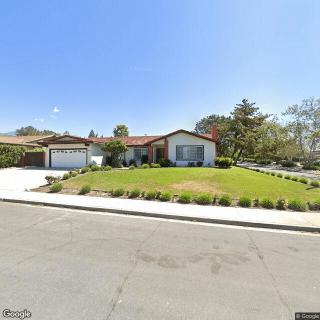





 Understanding Medicaid Coverage for Assisted Living: A Comprehensive Guide
 How and When Medicaid May Cover Assisted Living Costs
 A Detailed Exploration of Assisted Living Medicaid Waivers Across the United States