
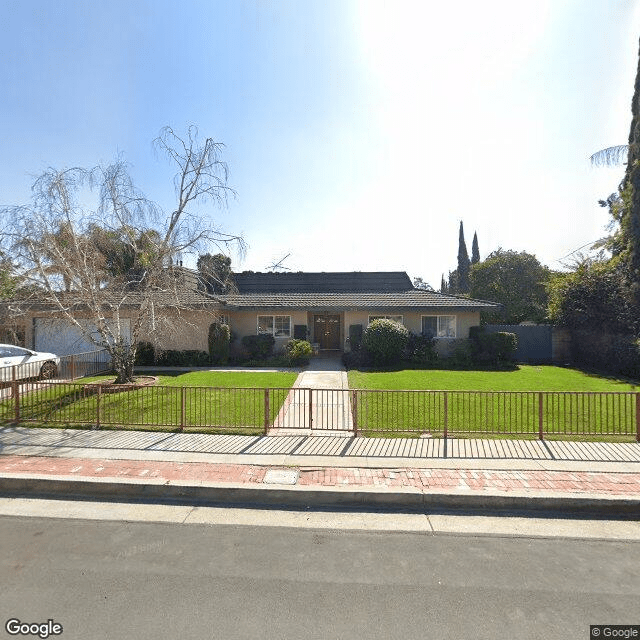
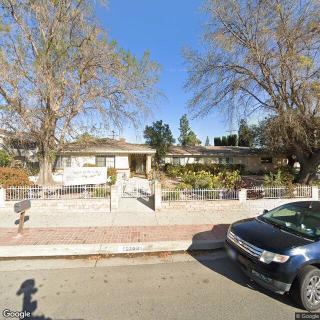
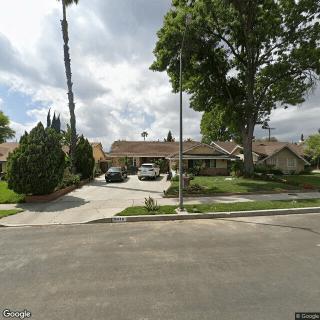
20022 Vintage Street, Chatsworth, CA 91311
For more information about senior living options: (866) 208-4318
Porter Ranch Aloha II Costs & Pricing
Porter Ranch Aloha II offers competitive pricing in comparison to both Ventura County and the broader California market. For private rooms, residents can expect to pay $3,800 per month, which is notably lower than the county average of $4,082 and slightly better than the state average of $3,939. Similarly, studio apartments at Porter Ranch are priced at $4,000, providing a more affordable option compared to Ventura County's $4,021 and California's average of $4,145. The one-bedroom units also reflect this trend, where Porter Ranch charges $4,000 a month against the higher costs of $4,513 in Ventura County and $4,340 statewide. Overall, these figures underscore Porter Ranch Aloha II as an attractive choice for individuals seeking quality accommodations without exceeding budgetary constraints.
| Floor plans | Porter Ranch Aloha II | Ventura County | California |
|---|---|---|---|
| Private | $3,800 | $4,082 | $3,939 |
| Studio | $4,000 | $4,021 | $4,145 |
| 1 Bedroom | $4,000 | $4,513 | $4,340 |
Memory care communities with a similar price nearby
-
from -$300 / mo
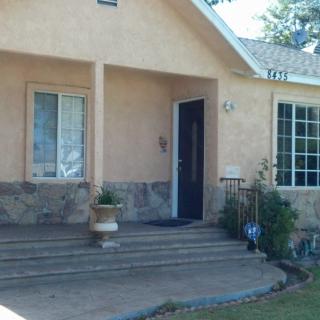
Paradise Senior Living 1
$3,500 to $4,500 / month2.1 miles away -
from +$700 / mo
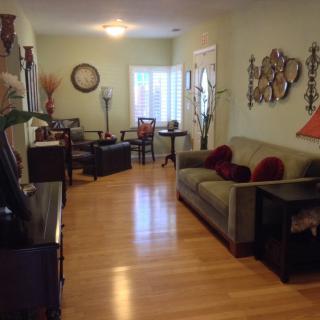
Ardenville Home Care I
$4,500 / month13.1 miles away -
About the same
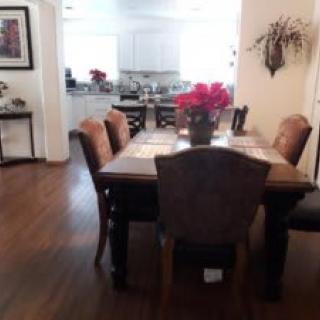
America's Care Manor
$3,800 to $4,000 / month6.3 miles away -
from +$200 / mo
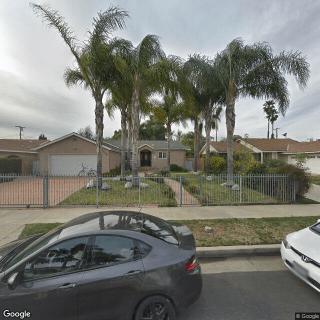
Land of Peace 6
$4,000 to $5,500 / month5.1 miles away -
from -$300 / mo
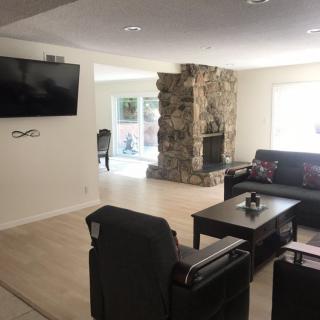
Hollywood Healthy Living
$3,500 to $5,000 / month13.1 miles away
Overall Review of Porter Ranch Aloha II
Pros
 The Aloha II in Chatsworth is an exceptional residential care facility.
- The staff are attentive and loving to the residents.
- The cook is exceptional.
- The mother loved the pancakes.
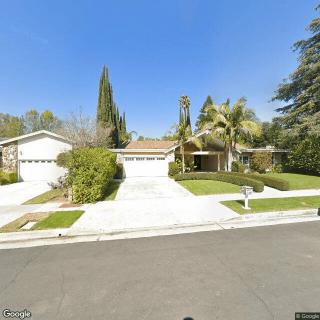
- The grounds are beautiful.
- The owner communicates well and is often present at the care home.
- The facility stayed by the mother's side and attended to her needs during the last phase of life.
- The caretakers help residents feel loved and welcome, and the staff are highly attentive.
- Porter Aloha is a much better choice than the prior senior home.
- Bruce and Viola Partridge’s dedication is evident in how the home operates, creating a warm and calm atmosphere.
Review
Porter Ranch Aloha II in Chatsworth is best suited for families seeking a truly intimate, home-like residential care setting where an elderly loved one receives highly personal attention, steady routines, and witnessing warmth from a consistently involved owner-led team. This community excels when a resident thrives on daily interactions with staff who know them by name, meals that feel like home, and a calm, well-kept environment. The model works especially well for those who want hospice-friendly support and a setting where caregivers become extended family, with the owner frequently present and accessible for updates and reassurance.
Those considering alternatives should note that this is not the right fit for families needing robust, hospital-grade medical oversight around the clock, a large campus with diversified medical programs, or tightly structured, formal memory-care programming. If a resident requires substantial 24/7 skilled nursing, frequent on-site rehabilitation, or a facility with a more expansive activity calendar and clinical services, a larger assisted living community or a dedicated memory-care facility may be more appropriate. Additionally, families who prioritize a formal, institutional environment over a homelike atmosphere may want to look elsewhere.
The strongest positives here are the caregiving caliber and the setting’s emotional resonance. Staff are described as attentive and loving, with a kitchen that delivers high-quality, comforting meals, pancakes that become a memorable touchstone for many residents. Cleanliness and a well-maintained home contribute to steady daily comfort, while the owner’s regular presence provides consistent leadership and trust. The holiday cards and gifts, plus responsive handling of end-of-life care, demonstrate a level of personal investment that converts into real peace of mind for families during difficult seasons.
Family members repeatedly note how the home atmosphere translates to genuine belonging for residents. Long-tenured caregivers cultivate bonds, and the staff’s willingness to accommodate individual needs, whether it’s helping a fussy eater or honoring personal preferences, reduces anxiety and promotes dignity. The environment feels calm and welcoming, which helps residents form meaningful connections with peers and staff alike. The sentiment that residents are treated “like family” is not just rhetoric here; it manifests in daily interactions, quiet routines, and a steady, reassuring cadence that supports both residents and their relatives.
A careful reader will see where the model’s strengths meet certain limits. The small, residential footprint means fewer on-site medical resources than a larger community, and there may be fewer formal programming options or urgent-care capabilities for complex medical scenarios. Dementia needs are addressed with attention and daily involvement, but the care setting is not marketed as a comprehensive memory-care wing. Prospective families should verify the exact level of clinical oversight, what visiting professionals can be accommodated, and whether any future care escalations can be smoothly absorbed within the current home structure or would necessitate transition.
In the end, Porter Ranch Aloha II stands out as a standout choice for families who prize authenticity, warmth, and dependable day-to-day care in a small, well-tended home. For seniors who value a nurturing, family-style environment and can operate within a model with strong personal attention rather than expansive medical amenities, this community delivers exceptional outcomes and deep peace of mind. Those whose needs skew toward extensive medical support, formal memory-care programming, or a larger, more active campus should explore alternatives, and do so with a clear sense of what would be required if care needs become more intensive.
 6 resident community capacity
 Assisted Living
 Board and Care Home
 Memory Care
 Activities off-site
 Beautician on-site
 Cable or satellite TV
 Devotional services off-site
 Dining room
 Fully furnished
 Garden
 Housekeeping services
 Indoor common areas
 Move-in coordination
 Outdoor common areas
 Private
 Private bathrooms
 Telephone
 Wheelchair accessible showers
 Wi-Fi/high-speed internet available
 Burbank-Glendale-Pasadena (13 miles away)
 24-hour supervision
 Assistance with bathing
 Assistance with dressing
 Assistance with transfers
 Diabetes diet
 Diabetic care
 High acuity care
 Incontinence care
 Meal preparation and service
 Medication management
 Special dietary restrictions
 Transportation arrangement (medical)
 Transportation to doctors appointments

 Dementia Behaviors: In-Depth Understanding and Effective Coping Strategies
 5 Early Indicators of Dementia and What You Can Do
 8 Important Indicators That Memory Care May Be Necessary