
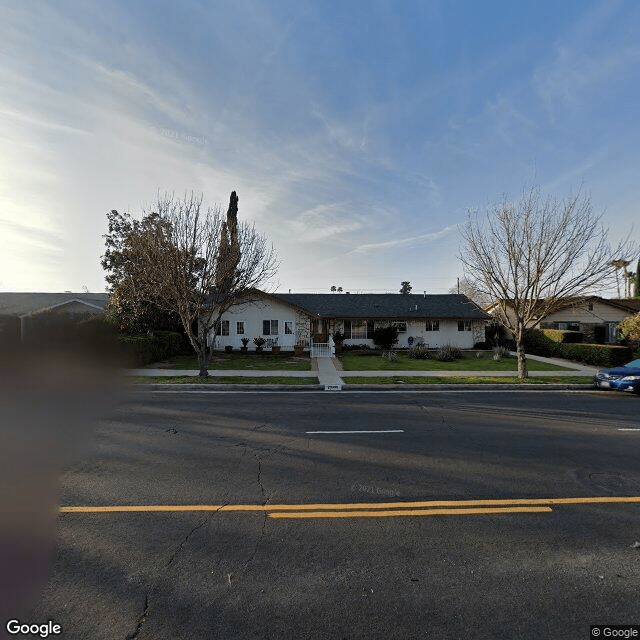
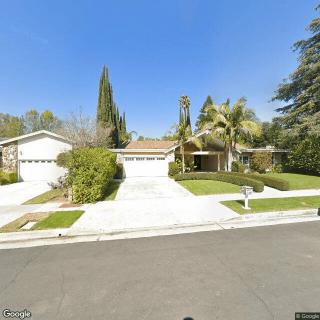
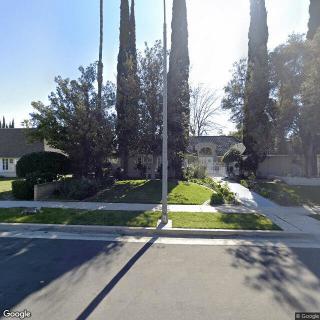
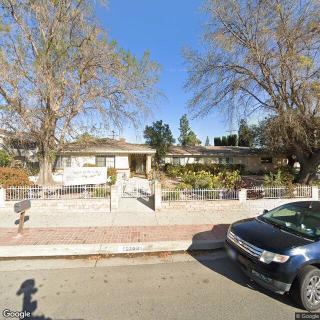
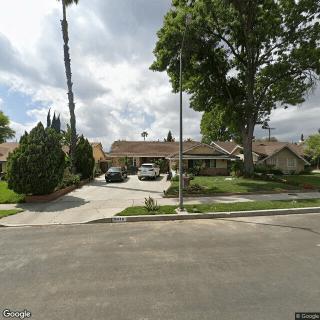
20000 Lassen Street, Chatsworth, CA 91311
For more information about senior living options: (866) 208-4318
A Heavenly Haven II Costs & Pricing
A Heavenly Haven II offers competitive monthly rates for various room types when compared to both Ventura County and the broader state of California. For semi-private accommodations, A Heavenly Haven II is priced at $3,500, which is slightly above the county average of $3,438 but below the state average of $3,333. The cost for studio rooms stands at $4,000, closely aligning with Ventura County's average of $4,021 while being more favorable than the state's average of $4,145. For private rooms, A Heavenly Haven II also charges $4,000; this rate is notably lower than the county's average of $4,082 yet higher than the state's average of $3,939. Overall, A Heavenly Haven II provides a well-rounded pricing structure that balances quality and affordability within its local context.
| Floor plans | A Heavenly Haven II | Ventura County | California |
|---|---|---|---|
| Semi-Private | $3,500 | $3,438 | $3,333 |
| Private | $4,000 | $4,082 | $3,939 |
| Studio | $4,000 | $4,021 | $4,145 |
Memory care communities with a similar price nearby
-
About the same
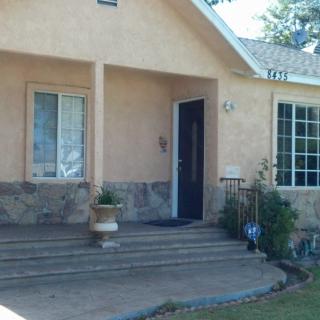
Paradise Senior Living 1
$3,500 to $4,500 / month2.0 miles away -
from +$300 / mo
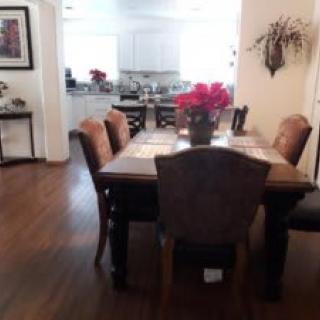
America's Care Manor
$3,800 to $4,000 / month6.4 miles away -
from +$500 / mo
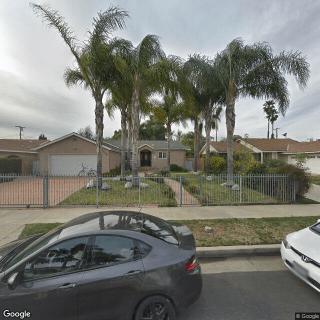
Land of Peace 6
$4,000 to $5,500 / month5.0 miles away -
About the same
Hollywood Healthy Living
$3,500 to $5,000 / month13.0 miles away -
About the same

California Senior Of Sherman Oaks
$3,500 to $4,000 / month9.0 miles away
Overall Review of A Heavenly Haven II
Pros
 The facility is nice and clean.
- The staff are very nice.
Cons
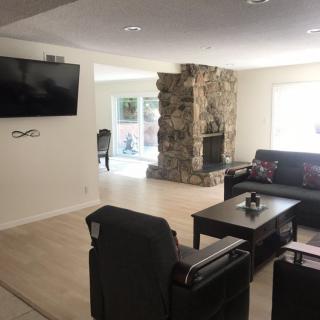
 The furniture lining the walls makes the space feel unsocial.
 - The room arrangement would make a guest's mother nervous.
Review
A Heavenly Haven II in Chatsworth is best suited for seniors who prize a clean, orderly environment with consistently courteous staff and are comfortable with a quieter, more structured layout. The facility presents as well maintained, with a professional atmosphere that can help families feel confident in basic daily care. For residents who value privacy, predictable routines, and a calm pace, this setting can be reassuring. The reviews repeatedly note the facility’s cleanliness and the warmth of the staff, which contributes to a sense of dependable, low-stress supervision. Those who need high-energy social scenes, frequent spontaneous activities, or open-concept gathering spaces may not find the daily rhythm here as engaging or welcoming as hoped.
On the other hand, families seeking robust social programming and expansive, inviting common areas should consider alternatives. The repeated observation that residents were in their rooms in the afternoon suggests a quieter, less social cadence that may not meet residents who rely on group interaction for motivation and mood. The concern about the room layouts, with furniture lined along walls, signals a design that can feel closed off rather than convivial. If a resident’s sense of safety or comfort depends on easy, casual social contact, this community may fall short, and exploration of options with more communal flow is warranted.
Among the notable positives, the facility’s cleanliness and the staff’s friendliness stand out. A tidy environment reduces stress about daily living and helps with infection control, while kind, approachable caregivers can make routine tasks smoother and less anxiety-provoking for residents and families alike. The combination of a neat campus and courteous aides can translate into reliable daytime support, timely assistance, and a basic baseline of well-being. For someone who places a premium on dependable care and a respectful, courteous atmosphere, these attributes are meaningful and unlikely to be dismissed.
Yet the main drawbacks loom large in daily life. The furniture arrangement, with pieces pushed to the walls, creates a corridor-like environment that can feel sterile and less social. When residents cluster in their rooms during the day, the lack of natural, spontaneous interaction can diminish stimulation and mood quality, especially for those who value companionship or live for regular activities. The reviewers’ concern that the room setup would make a family member nervous is not trivial; it points to a design that may hamper mobility, engagement, or simply the sense of community that makes a senior community feel like a neighborhood rather than a long-term hotel. In such a setting, social connection often drives satisfaction as much as care quality.
How the positives bear against the negatives depends on resident priorities. If attention, kindness, and cleanliness are the top criteria, the positives provide solid reassurance that daily care will be handled competently. The staff’s niceness can soften the sting of limited programming, offering one-on-one support, respectful communication, and dependable responses to questions. However, for residents who need active social engagement, structured group activities, and easy access to communal spaces to sustain mental and emotional health, the cons are not easily outweighed. Pros do offset some risk of neglect or discomfort, but the lack of a lively social culture and open floor plan makes it unlikely to satisfy families seeking a thriving, interactive community.
Decision guidance centers on territory and tempo. Prioritize a detailed tour focused on flow, light, and gathering spaces. Prospective buyers should verify the availability and frequency of purposeful programming, not just staff demeanor. Ask to see the afternoon hours and how common areas are used; observe whether residents appear engaged or at least at ease when passing through. Inquire about room configurations, the safety features of hallways, and whether furniture can be rearranged to create more inviting nooks for socializing. If the emphasis is on reliable care in a calm, clean setting, A Heavenly Haven II offers that foundation with commendable staff and neat facilities. If social vitality and an open, welcoming communal life matter most, it may be prudent to explore other communities first.
 6 resident community capacity
 Assisted Living
 Board and Care Home
 Memory Care
 Activities off-site
 Cable or satellite TV
 Dining room
 Fully furnished
 Garden
 Housekeeping services
 Move-in coordination
 Outdoor common areas
 Private
 Private bathrooms
 Respite or short term stays offered
 Telephone
 Wheelchair accessible showers
 Wi-Fi/high-speed internet available
 Burbank-Glendale-Pasadena (12 miles away)
 24-hour supervision
 Ambulatory care
 Assistance with bathing
 Assistance with dressing
 Assistance with transfers
 Diabetes diet
 High acuity care
 Incontinence care
 Meal preparation and service
 Medication management
 Special dietary restrictions
 Transportation arrangement (medical)
 Transportation to doctors appointments

 A Thorough Discussion of Medications Potentially Linked to Dementia Risk
 Why Do Dementia Patients Sleep So Much? Understanding Oversleeping, Stages, and Care Approaches
 8 Key Indicators That Suggest It May Be Time to Transition from Assisted Living to Skilled Nursing Care