
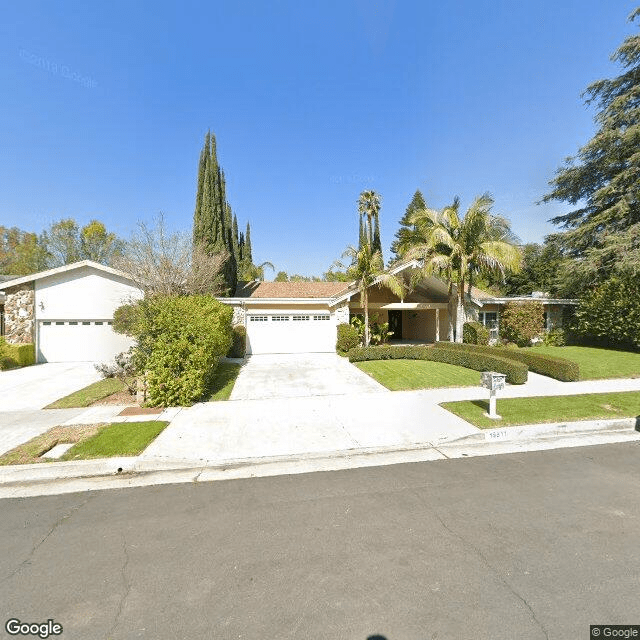
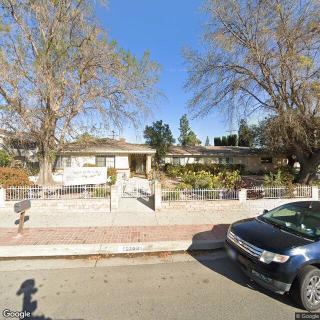
19911 Vintage Street, Chatsworth, CA 91311
For more information about senior living options: (866) 208-4318
Porter Ranch Aloha III Costs & Pricing
Porter Ranch Aloha III presents a competitive pricing structure for its residents, particularly when examining the costs of various room types in comparison to both Ventura County and the broader California market. The studio units at Aloha III are offered at $4,000 per month, which is slightly lower than the Ventura County average of $4,021 and significantly less than the state average of $4,145. Similarly, the private rooms are priced at $4,000, aligning closely with Ventura County's private accommodations at $4,082 but standing out as more cost-effective when juxtaposed against California's average rate of $3,939. Overall, Porter Ranch Aloha III demonstrates an appealing balance of affordability and quality in its offerings compared to local and state averages.
| Floor plans | Porter Ranch Aloha III | Ventura County | California |
|---|---|---|---|
| Studio | $4,000 | $4,021 | $4,145 |
| Private | $4,000 | $4,082 | $3,939 |
Memory care communities with a similar price nearby
-
from -$500 / mo
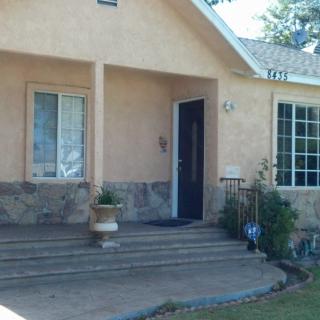
Paradise Senior Living 1
$3,500 to $4,500 / month2.1 miles away -
from +$500 / mo
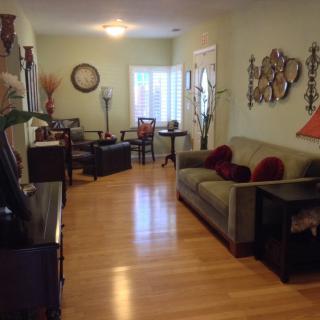
Ardenville Home Care I
$4,500 / month13.0 miles away -
from -$200 / mo
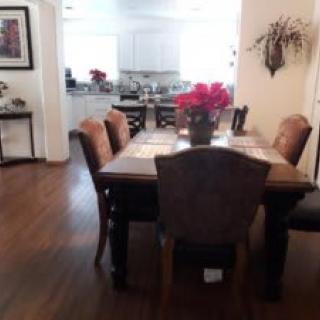
America's Care Manor
$3,800 to $4,000 / month6.4 miles away -
About the same
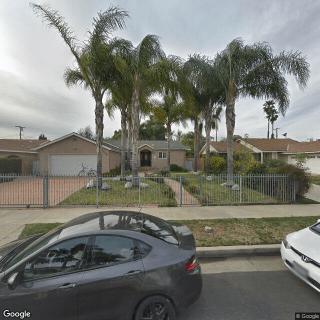
Land of Peace 6
$4,000 to $5,500 / month5.2 miles away -
from -$500 / mo
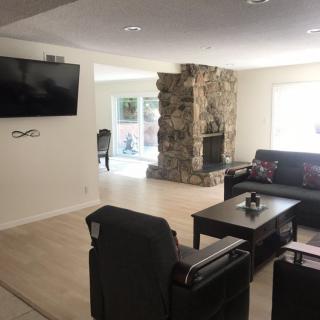
Hollywood Healthy Living
$3,500 to $5,000 / month12.9 miles away
Overall Review of Porter Ranch Aloha III
Pros
 The community is a small, family-operated facility.
- The staff-to-resident ratio is very good.
- The food is very good and everything is made from scratch.
- The rooms are private and very clean.
- Communication is very good, and the owners are accessible.
- Porter Ranch Aloha III is a lovely, clean, calm, and loving home for residents and their families.
- The staff provide the best care and support, giving families peace of mind.
Review
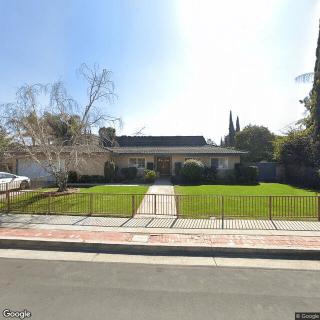
Porter Ranch Aloha III is best suited for families seeking a small, intimate assisted living home in Chatsworth, where care feels personal and hands-on. This community operates as a family-run operation, delivering a high staff-to-resident ratio that translates into attentive, timely support. Residents enjoy private, clean rooms and meals prepared from scratch, with routines that reinforce a true home atmosphere rather than a clinical setting. Communication from the owners is consistently described as accessible and proactive, ensuring concerns are heard and acted upon quickly. This combination tends to work best for seniors who prioritize dignity, gentle daily rhythms, and sustained personal attention over broad campus amenities. For families seeking warmth, trust, and clear lines of accountability, Aloha III stands out.
Those who may want alternatives are families seeking a larger community with extensive on-site programming, rigorous clinical oversight, or memory-care specialized environments. If a resident requires comprehensive rehab after hospitalization, more formal medical management, or a wider array of social activities, a bigger operator with a broader staff and campus footprint could prove more suitable. In addition, households accustomed to nationally recognizable brands or comprehensive care-management platforms might prefer facilities with that scale and standardization. The smaller, homey format at Porter Ranch Aloha III is a powerful asset, but it naturally aligns with a lighter service model that may fall short for some advanced needs.
The core advantages, the attentive staffing, direct owner accessibility, scratch-cooked meals, and private rooms, counterbalance the downsides that come with a small, familial setting. A high staff-to-resident ratio translates into reliable responsiveness and ongoing presence, minimizing the gaps that can appear in larger, busier operations. Cleanliness and a calm environment reduce stress for residents and families alike, while the ability to coordinate logistics, moving, utilities, and setup, through a single point of contact eliminates friction during transitions. In essence, the intimate scale amplifies trust and hands-on oversight, turning potential limitations into meaningful, enduring advantages for those who prize consistency and personal touch.
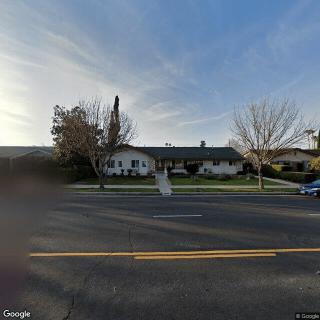
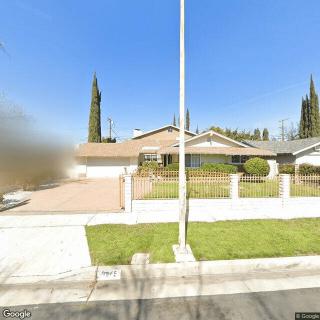
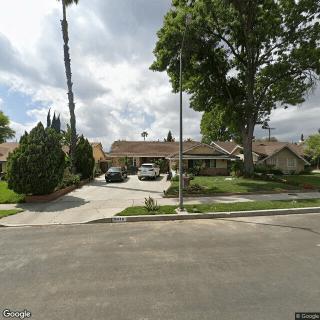
This strength shows up most clearly in end-of-life contexts, where families report a loving, respectful atmosphere and a palpable sense of peace about the care being provided. One reviewer described the home as lovely and calm, with caregivers delivering compassionate, respectful support for a loved one’s final days, while another praised the professional, friendly staff and immaculate surroundings. The practical benefits extend beyond daily care: arrangements for movers, taxi services, and the necessary communications infrastructure are handled deftly by the team, reducing the burden on relatives during transitions. The neighborhood itself reinforces security and serenity, quiet, well-kept, and visually pleasing, an often overlooked yet crucial factor when choosing a place for a vulnerable family member.
Nevertheless, the upside of intimate, family-operated care can come with trade-offs. The reviews do not spotlight major operational flaws, but the most likely gaps for some residents involve limited on-site medical complexity, fewer formalized activity schedules, and a smaller cadre of specialists compared with larger campuses. Families requiring robust rehabilitation programs, memory-care-specific design, or 24/7 clinical coverage may find that Aloha III’s model emphasizes comfort and continuity over comprehensive medical oversight. For those with higher acuity or those craving a structured, program-rich routine, it would be prudent to compare with communities offering broader therapeutic services and dementia-focused programming.
Overall, Porter Ranch Aloha III stands out as a solid choice for seniors who value a home-like setting, transparent leadership, and a high-touch level of daily care. It is particularly well-suited for families seeking minimal transition friction, and for residents who thrive on personal attention, cleanliness, and a calm, supportive atmosphere. For households prioritizing scale, diversity of programs, or intensive medical services, alternatives warrant consideration. The decisive next steps involve visiting during a meal or routine activity, meeting the owners to gauge availability and responsiveness, reviewing room configurations, and confirming how care plans are communicated and updated. When the fit is right, this intimate community can deliver dignity, peace, and real reassurance for families navigating the later stages of aging.
 6 resident community capacity
 1-bedroom apartments
 Assisted Living
 Board and Care Home
 Memory Care
 Activities off-site
 Air-conditioning
 Beautician on-site
 Cable or satellite TV
 Devotional services off-site
 Dining room
 Fully furnished
 Garden
 Housekeeping services
 Indoor common areas
 Move-in coordination
 Outdoor common areas
 Private
 Private bathrooms
 Swimming pool / hot tub
 Telephone
 Wheelchair accessible showers
 Wi-Fi/high-speed internet available
 Burbank-Glendale-Pasadena (12 miles away)
 24-hour supervision
 Assistance with bathing
 Assistance with dressing
 Assistance with transfers
 Companion care
 Diabetes diet
 Diabetic care
 High acuity care
 Hospice care
 Incontinence care
 Meal preparation and service
 Medication management
 Personal care assistants
 Special dietary restrictions
 Transportation arrangement (medical)
 Transportation to doctors appointments
 BBQs or picnics
 Birthday parties
 Light therapy programs
 Live dance or theater performances
 Live musical performances

 Delirium and Dementia: Unraveling the Key Differences
 Are Dementia and Alzheimer's Disease Lethal? A Comprehensive Exploration
 Exploring the Power of Reminiscence Therapy for Individuals With Dementia