
68285 Encinitas Road, Cathedral City, CA 92234
For more information about senior living options: (866) 208-4318
Overall Review of Dolores Homecare II
Cons
 Ida is the worst ever.
- The company is terrible.
- They had no sympathy for the loss.
- She talks very fast and is hard to understand.
- They do not recommend this company.
Review
Dolores Homecare II in Cathedral City, CA appears best suited for families seeking a straightforward, low-touch caregiving arrangement that emphasizes routine tasks over emotional engagement. The sole documented experience paints a picture of a service delivery that moves quickly through interactions and prioritizes efficiency over warmth. The most serious red flag is the reported lack of sympathy during a loved one’s death, which points to a potential misalignment for families who rely on compassionate, patient responses in difficult times. For families prioritizing warmth, clear and paced communication, and a relationship-driven approach to care, this provider is unlikely to meet expectations. If the core need is to handle only everyday tasks with minimal emotional nuance, the arrangement may feel workable, but that is a narrow fit.
Those who should strongly consider alternatives are families who value emotional support as an integral part of care. If a caregiver’s tone, attentiveness, and the ability to explain care plans in a calm, understandable way are non-negotiables, this agency warrants hesitation. In moments of loss or stress, the absence of sympathetic outreach can compound grief and uncertainty for relatives managing care from afar. Prospective clients should look for providers with demonstrable client advocacy, compassionate bedside manners, and staff who slow down to ensure understanding. In short, warmer, more transparent communication should be a baseline expectation, not a pleasant afterthought.
From the available feedback, there are no clearly identified strengths to offset the negative signals. The experience described does not reveal reliable advantages in areas such as proactive problem-solving, individualized care planning, or responsive crisis handling. The key cons, rapid, hard-to-understand communication and an apparent lack of empathetic support, appear to overwhelm any potential benefits in routine tasks. Without visible positives to counterbalance these concerns, the overall value proposition is difficult to endorse for families seeking peace of mind in caregiving.
Families weighing a decision should pursue concrete, comparative information before committing. Practical steps include arranging a direct meeting with caregivers to observe how conversations are conducted, requesting references from other families, and asking to observe a typical care handoff. It is essential to probe for response times, escalation procedures, and how changes in a loved one’s condition are communicated. Clarify whether a dedicated care coordinator exists, and confirm who handles emotional support during emergencies or bereavements. A transparent contract should outline what happens when expectations aren’t met, and how complaints are resolved.
During visits, prospective clients should ask pointed questions about communication style, language clarity, and the ability to adapt to family needs during stressful periods. Inquire whether staff can slow conversations for comprehension, how documentation is shared with families, and whether interpreters or alternative formats are available for communications. Confirm staff training on compassionate care, grief-informed responses, and patient listening. It’s also prudent to assess how the agency supports families who supplement care with external professionals and how that cooperation is coordinated. The stronger the provider’s answers to these concerns, the more compelling the case becomes.
Bottom line: the available account signals a significant risk for families who require dependable empathy and clear, reassuring communication. Dolores Homecare II may be a consider-through option only for those who can tolerate a minimalist, efficiency-driven approach and who have a robust external support structure to compensate for interpersonal gaps. For most families, alternatives that demonstrate consistent warmth, careful listening, and explicit, patient communication should be prioritized. In Cathedral City, exploring multiple providers and comparing how they respond in moments of loss and stress will lead to a more confident choice and better alignment with the loved one’s care goals.
 6 resident community capacity
 Assisted Living
 Cable or satellite TV
 Dining room
 Fully furnished
 Garden
 Housekeeping services
 Move-in coordination
 Outdoor space
 Telephone
 Wi-Fi/high-speed internet available
 Palm Springs International (2 miles away)
 24-hour supervision
 Activities of daily living assistance
 Assistance with bathing
 Assistance with dressing
 Assistance with transfers
 Diabetes diet
 Meal preparation and service
 Medication management
 Special dietary restrictions
 Transportation arrangement (medical)
 Transportation to doctors appointments
 Small, all-inclusive board-and-care with furnished rooms, meals, medication management, and daily activities.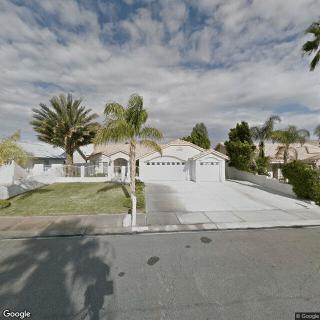





 8 Key Indicators That Suggest It May Be Time to Transition from Assisted Living to Skilled Nursing Care
 Vibrant Senior Living: A Comprehensive Guide for Active Older Adults
 When to Transition from Assisted Living to Memory Care: Key Indicators, Steps, and Finding the Right Community