
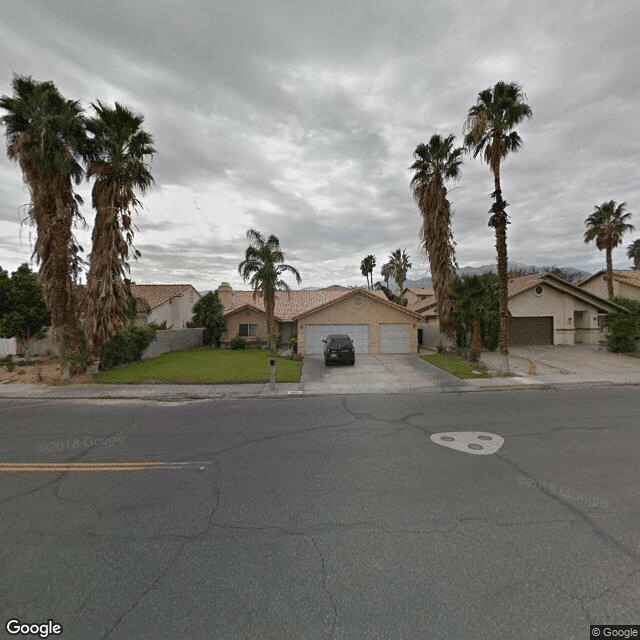
68805 Panorama Road, Cathedral City, CA 92234
To contact a resident: (626) 731-0876
For more information about senior living options: (866) 208-4318
Victoria Royale Costs & Pricing
Victoria Royale offers competitive pricing for its residents, particularly when compared to both Riverside County and the broader California market. For semi-private rooms, Victoria Royale's rate of $2,800 per month is notably lower than the county average of $2,844 and significantly more affordable than the state average of $3,333. Similarly, while the cost of a private room at Victoria Royale stands at $5,500, which exceeds Riverside County's average of $3,474 and California's statewide figure of $3,939, this may reflect additional amenities or services that cater to a unique resident experience. Overall, Victoria Royale positions itself as an attractive option in terms of value for semi-private accommodations.
| Floor plans | Victoria Royale | Riverside County | California |
|---|---|---|---|
| Semi-Private | $2,800 | $2,844 | $3,333 |
| Private | $5,500 | $3,474 | $3,939 |
Senior living communities with a similar price nearby
-
from +$200 / mo
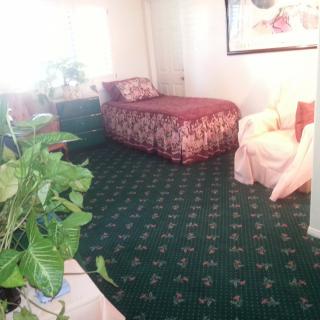
Carino's Quality Home Care
$3,000 to $3,500 / month4.3 miles away -
from -$300 / mo
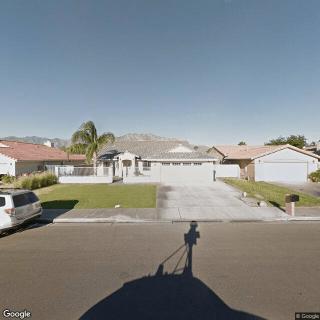
Island's Best Home Care
$2,500 to $3,000 / month1.2 miles away -
from +$195 / mo
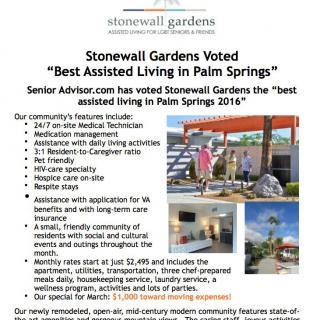
Stonewall Gardens
$2,995 to $5,450 / month5.0 miles away -
from +$200 / mo

Assurance Home 2
$3,000 to $3,900 / month3.3 miles away -
from -$250 / mo
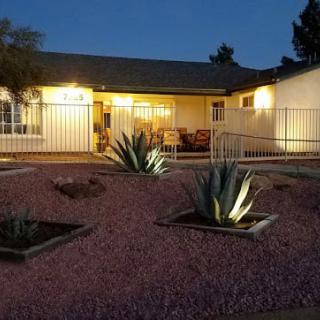
Angelic Mansions Assisted Living
$2,550 to $4,795 / month19.2 miles away
Overall Review of Victoria Royale
Pros
 The environment is very nice.
- The staff are nice.
- The caregivers are outstanding.
- The community is clean.
- The menu is outstanding with a good variety.
- The activities are helpful for residents.
- The community is recommended for families seeking a home for a loved one.
Cons
 They would not put their loved one here.
- They would not put their loved one here.
- They would not put their loved one here.
Review
Victoria Royale in Cathedral City, CA is best suited for seniors who value a warm, socially active environment with reliable, approachable staff and a lively daily routine. It works well for families seeking a pleasant atmosphere where care is supported by visible, attentive caregivers, and where residents can participate in a structured calendar of activities. The community appears ideal for those who prize cleanliness, a sense of comfort in the living spaces, and meals that offer variety and everyday appeal. In short, it fits well for residents who engage with others, enjoy a well-run common life, and do not require highly specialized medical oversight on a 24/7 basis.
Families considering alternatives should note that not every review aligns with the rosy picture. A portion of families expresses clear reservations about placing a loved one here, signaling concerns that may be decisive for those with tighter expectations around care consistency, responsiveness, or safety practices. The mixed overall rating, combining satisfied and dissatisfied voices, suggests that experience can diverge, and this community may not meet the needs of residents who require intensive clinical management or specialized memory-care services. For those seeking highly medicalized support or excellent continuity of care across shifts, alternatives with stronger clinical profiles deserve consideration.
On the upside, the strongest positives center on human aspects that influence day-to-day life. Staff are consistently described as kind, and caregivers are praised for delivering attentive, quality care. The environment is noted as clean and well-maintained, contributing to a sense of security and comfort for residents and their families. Activity programming is a clear strength, with residents encouraged to participate, which supports social engagement and cognitive stimulation. The dining experience also stands out, with a menu that earns praise for variety and overall appeal, reducing meal-time stress and helping maintain interest in daily living.
Yet the negative voices cannot be ignored in a balanced decision. The repeated refrain of “would not put my loved one here” points to perceived gaps that matter to families evaluating risk and reliability. While specifics are not always disclosed, the sentiment implies concerns about consistency in care quality, responsiveness to evolving resident needs, or overall management effectiveness. These reservations sit opposite the strong testimonials about staff and atmosphere, creating a heterogeneous picture that counsel should weigh carefully, especially when the decision hinges on stability and predictability of care.
How the favorable elements offset the drawbacks depends on what matters most to the family. For households prioritizing social vitality, a nurturing staff, and a menu and activity schedule that keep a resident engaged, Victoria Royale offers meaningful value. The positives, friendly caregivers, a clean environment, active programming, and appealing dining, can translate into a higher quality of daily life and meaningful companionship. Those benefits, however, may be insufficient for families whose loved ones need unwavering clinical oversight, precise care protocols, or specialized memory support, where the observed inconsistencies could become limiting factors.
In the end, Victoria Royale presents a practical, workable option for a broad segment of seniors who want sociable living and dependable day-to-day care without requiring highly specialized medical services. For decision-makers, the recommended path is deliberate due diligence: tour the community, observe interactions between staff and residents, review care plans, and probe how care is managed across shifts. Arrange trial visits or shadow days to gauge responsiveness and continuity, and directly assess whether the dining, activities, and staff engagement align with the loved one’s preferences and medical needs. If those align, Victoria Royale can be a strong fit; if not, the search should broaden to alternatives with clearer strength in clinical oversight and specialized memory care.
 Board and Care Home
 Cats allowed
 Activities off-site
 Bath tubs
 Beautician on-site
 Devotional services off-site
 Indoor common areas
 Outdoor common areas
 Private
 Private bathrooms
 Respite or short term stays offered
 Swimming pool / hot tub
 Wheelchair accessible showers
 Palm Springs International (3 miles away)
 Ambulatory care
 High acuity care
 Medication management
 Meals provided



 Navigating Medicare Coverage for In-Home Care Services
 In-Home Care Costs in 2025: A Detailed State-by-State Exploration
 Understanding Home Health Care: A Comprehensive Guide