
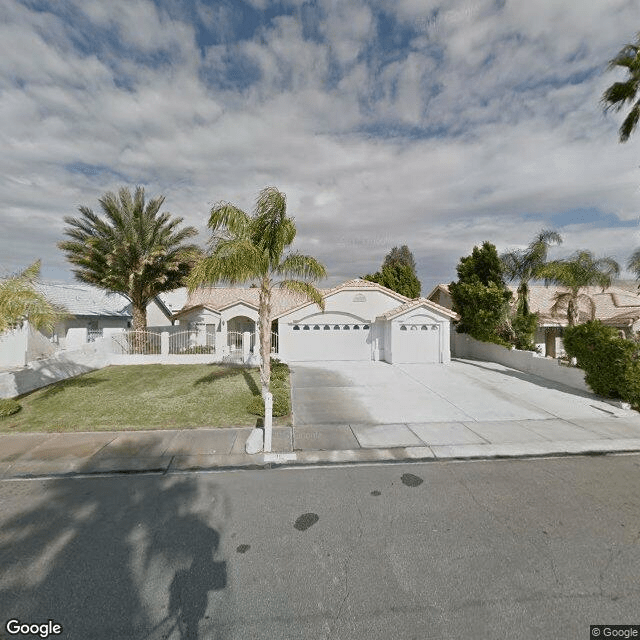
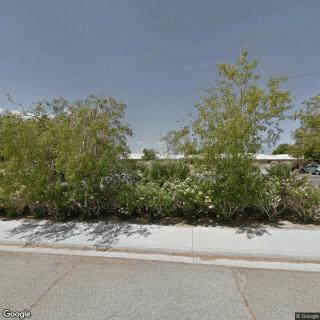
68650 San Felipe Road, Cathedral City, CA 92234
For more information about senior living options: (866) 208-4318
Blessed Jera Homecare Costs & Pricing
Blessed Jera Homecare offers competitive pricing for its services compared to both Riverside County and the broader California market. For a semi-private room, Blessed Jera charges $2,300, significantly lower than Riverside County's average of $2,844 and California's state average of $3,333. When it comes to 1-bedroom accommodations, Blessed Jera's fee of $2,600 again stands out against Riverside County's rate of $3,611 and California's average of $4,340. Additionally, their pricing for private rooms ranges from $2,600 to $3,770 - this flexibility makes it an appealing option considering that private room costs in Riverside County hover around $3,474 and statewide averages reach up to $3,939. Overall, Blessed Jera Homecare provides valuable options for individuals seeking quality care at more affordable rates within the region.
| Floor plans | Blessed Jera Homecare | Riverside County | California |
|---|---|---|---|
| Semi-Private | $2,300 | $2,844 | $3,333 |
| 1 Bedroom | $2,600 | $3,611 | $4,340 |
| Private | $2,600 to $3,770 | $3,474 | $3,939 |
Memory care communities with a similar price nearby
-
from +$200 / mo
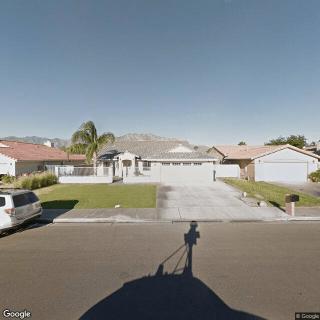
Island's Best Home Care
$2,500 to $3,000 / month1.4 miles away -
from +$250 / mo
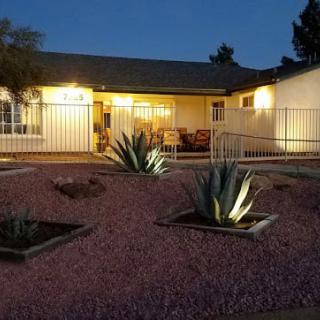
Angelic Mansions Assisted Living
$2,550 to $4,795 / month19.0 miles away -
from +$200 / mo
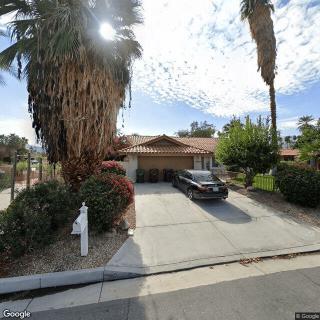
Accent Loving Personal Care II
$2,500 / month9.5 miles away -
from -$205 / mo

Atria Rancho Mirage Terrace
$2,095 to $3,395 / month4.7 miles away -
from +$300 / mo
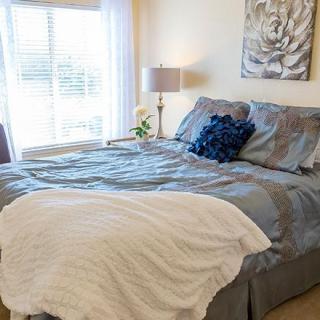
Bayshire Rancho Mirage
$2,600 to $4,800 / month7.0 miles away
Overall Review of Blessed Jera Homecare
Pros
 The agency is described as the best the reviewer has ever had.
- The nurses are highly regarded, and the owners are kind and helpful.
- The service is highly recommended for anyone needing home health care.
- The facility is beautiful and spotless.
- The care team is warm, caring, and goes above and beyond to support patients.
- Blessed Jera Home Care is warm and caring and highly recommended.
Cons
 Unfortunately this wasn't a good fit for our mom.
- The staff does have a small language barrier.
Review
Blessed Jera Homecare is best suited for families seeking highly personalized, at‑home care for a loved one in Cathedral City. The program thrives when a resident can receive one-on-one nursing support and hands-on help in a familiar setting, with a responsive, family‑minded leadership team behind every shift. This is care grounded in warmth, frequent caregiver interaction, and a flexible approach to daily routines, making it a strong choice for seniors who value a personal touch and the comfort of remaining at home rather than entering a formal facility.
That said, some families will want to consider alternatives. For loved ones whose needs demand constant, around-the-clock supervision or a highly structured environment, a traditional assisted living setting or a dedicated hospice facility may prove more reliable. Language concordance matters for clear, ongoing communication; in-home teams can face language barriers that complicate updates, care instructions, and day-to-day coordination. Those who prioritize a setting with predictable staff bilingual capacity or want a facility with built-in redundancies should weigh other options.
The strongest credits lie in the human side of care. Reviewers consistently applaud the staff quality and the owners’ kindness and responsiveness, describing them as among the best nurses and the most helpful leadership they have encountered. The care philosophy shines most clearly in hospice scenarios, where the team is praised for going above and beyond, buying curtains to brighten a room and providing thoughtful touches that make a difficult time more comfortable. The environment often feels clean, bright, and welcoming, with the ability for family members to visit frequently reinforcing a sense of connection during illness and decline.
Caregivers’ willingness to stay present for a loved one during end-of-life moments stands out as a defining strength. Accounts speak to nights spent with a patient, warmth and gentleness, and a genuine commitment to comfort. Such dedication translates into a powerful sense of reassurance for families navigating painful transitions. When the care team shows up with practical, compassionate action and a calm, patient demeanor, the overall experience becomes less about routine tasks and more about meaningful support for both patient and family. This depth of commitment is why many families would gladly recommend Blessed Jera to others facing similar circumstances.
Nevertheless, the cons highlighted by a review cannot be ignored. One family found that the setting was beautiful and spotless yet not a good fit for their mom, underscoring that alignment with a loved one’s personality, routines, and medical needs matters as much as cleanliness and professionalism. A noted language barrier, though not a deal-breaker for all, can impede seamless communication and care coordination if not addressed. These elements suggest that, while exemplary in care delivery, Blessed Jera works best for families who can adapt to a home-based model and who are prepared to manage minor communication hurdles or to request staff with strong language compatibility.
In practical terms, families should approach Blessed Jera with clear expectations and a concrete plan. Prioritize confirming caregiver language capabilities and arranging for bilingual support if needed. Discuss the care plan in detail, including hospice or palliative preferences, nightly availability, and how visit schedules align with loved one’s routines. Consider a trial period or phased transition to assess fit, and map out contingencies for those scenarios where a traditional facility or a more structured program might better meet evolving needs. Blessed Jera stands out for its heart-driven care, and that distinction will drive its suitability for the right family, with mindful preparation turning potential language or fit concerns into manageable arrangements.
 6 resident community capacity
 Assisted Living
 Board and Care Home
 Memory Care
 Cable or satellite TV
 Dining room
 Fully furnished
 Garden
 Housekeeping services
 Move-in coordination
 Outdoor space
 Private
 Telephone
 Wi-Fi/high-speed internet available
 Palm Springs International (3 miles away)
 24-hour supervision
 Activities of daily living assistance
 Ambulatory care
 Assistance with bathing
 Assistance with dressing
 Assistance with transfers
 Diabetes diet
 High acuity care
 Meal preparation and service
 Medication management
 Special dietary restrictions
 Transportation arrangement (medical)
 Transportation to doctors appointments
 Understanding Dementia Behaviors: Practical Insights and Strategies for Caregivers
 When Dementia Sparks Anger and Aggression: Understanding the Connection and Ways to Cope
 Dementia Behaviors: In-Depth Understanding and Effective Coping Strategies