
1890 Grove Way, Castro Valley, CA 94546
For more information about senior living options: (866) 208-4318
Overall Review of Aaa Care Haven II
Pros
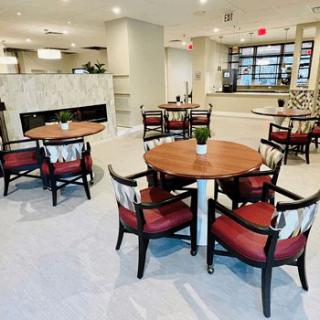
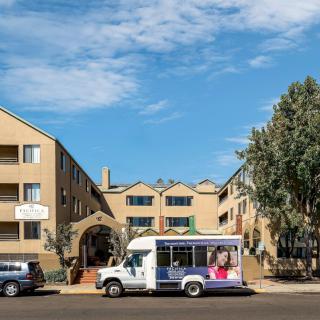
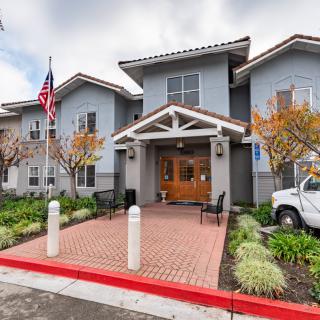
 The facility is very beautiful inside and out.
- The staff are kind and conscientious.
- The place is fantastic.
- The nurses are excellent.
- The facility feels like a true community.
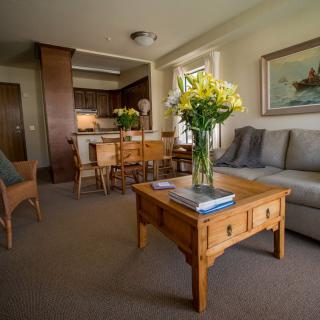
- It offers lots of amenities, a beautiful outdoor space, thoughtful design, and plenty of natural light.
- The facility kept everyone safe during the pandemic.
- Baywood Court is going through something special lately.
- The setting is beautiful, care is excellent, and meals are healthy.
- All staff and residents seem very happy to belong to this community.
- The environment is full of life and spacious.
- The atmosphere is nice and friendly.
Cons
 The place is beautiful on the inside and outside, but it feels very sketchy.
- The mom’s jewelry and wedding rings disappeared during Covid, and the facility offered no remedy.
- The living corridors are fairly outdated.
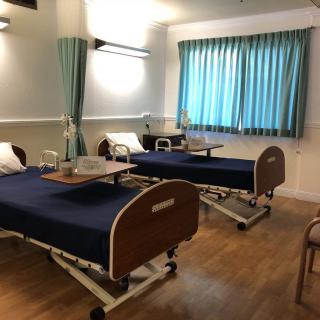
- Many resident rooms are not wheelchair-friendly.
Review
Aaa Care Haven II in Castro Valley is best suited for families seeking a warm, community-driven setting where staff know residents by name and stay engaged with daily life. The atmosphere is inviting, with well-kept indoor and outdoor spaces and a calendar rich in social activities and thoughtfully prepared meals. The standout strength is the culture: a long-standing commitment to treating residents with respect and building real belonging. For seniors who value personal attention and a home-like environment over the newest architectural features, this community often delivers a dependable, comfortable experience.
However, some families will want to consider alternatives. Those who require modern accessibility features throughout living spaces will notice gaps, corridors and rooms can feel dated and are not always fully wheelchair-friendly. Security and accountability for personal items matter as well; a few reviews highlight theft concerns and a lack of clear remedies, which is a nontrivial risk for residents with memory challenges. For households seeking a more clinical, highly structured memory-care environment or a campus with the latest design standards and mobility-optimized layouts, other communities may fit better.
On the plus side, the strongest benefits align well with practical care goals. Staff are consistently described as kind, patient, and capable, with nurses singled out for excellence. Residents tend to appear happy and engaged, contributing to a lively, trusting community where neighbors look out for one another. The physical setting, bright spaces, outdoor gardens, and a pool, supports daily life and casual activity. The nonprofit governance matters here: residents’ input is heard, translating into a sense of accountability to those living there rather than to shareholders.
Yet the cons are not trivial. The building’s age translates into navigation and accessibility friction in several areas, and wheelchair users may find layouts impractical in places. Reports of missing items, with limited redress described, cast a shadow over safety expectations for a population that can be vulnerable to such issues. While attentive staff can often compensate, the infrastructure may not keep pace with evolving needs or more intensive medical monitoring, which can become a constraint over time.
That said, the strongest advantages can outweigh these drawbacks for the right resident. A devoted team, a genuine sense of community, and well-maintained common areas deliver daily life that feels stable and supportive, especially for seniors who are active and social. The nearby rehabilitation hospital provides a continuity of care that can ease transitions, reducing stress for families navigating medical needs alongside daily living. The nonprofit structure and willingness to listen to residents’ voices help ensure concerns are addressed over time, making this campus a solid choice for those prioritizing relationships, routine, and warmth over cutting-edge design.
Decision-makers should visit with a practical checklist: test room accessibility, verify door widths and bathroom configurations, ask about item-security measures and incident reporting, and speak candidly with current residents about staff responsiveness to memory-related needs. If a resident thrives in a thriving, social setting with generous staffing and a strong sense of community, this campus stands out as a strong option. If modernization, universal wheelchair access, or highly secure, dementia-specific modules are non-negotiable, it is prudent to explore alternatives. The right choice will align life priorities with the community’s strengths: care delivered with character and heart.
 6 resident community capacity
 Assisted Living
 Board and Care Home
 Cable or satellite TV
 Dining room
 Fully furnished
 Garden
 Housekeeping services
 Move-in coordination
 Outdoor space
 Telephone
 Wi-Fi/high-speed internet available
 Metropolitan Oakland International (8 miles away)
 24-hour supervision
 Activities of daily living assistance
 Assistance with bathing
 Assistance with dressing
 Assistance with transfers
 Diabetes diet
 Meal preparation and service
 Medication management
 Special dietary restrictions
 Transportation arrangement (medical)
 Transportation to doctors appointments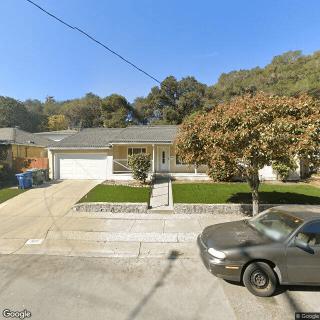


 Senior Transition Services: Understanding Their Role, Cost, and Importance
 Exploring the Path to Senior Living: A Comprehensive Look at Independent Living and Assisted Living
 Is Assisted Living Deductible on Your Taxes? Understanding the Complexities of Assisted Living Expenses and Deductions