
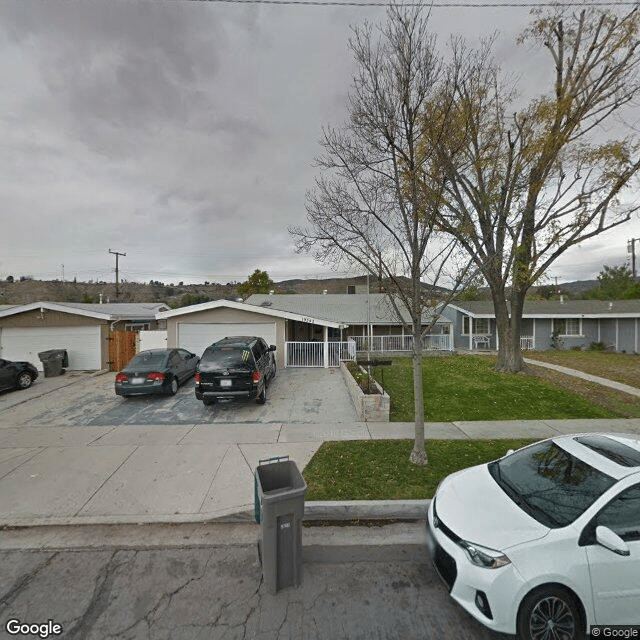
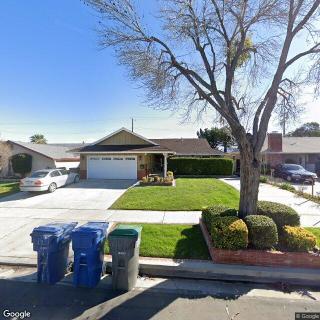
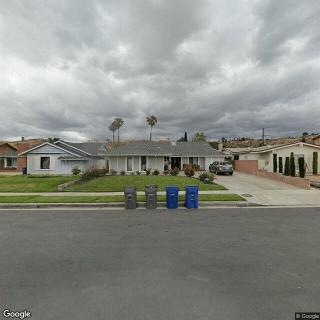
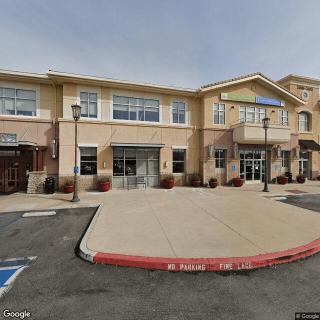
19343 Fairwheather St, Canyon County, CA 91351
To contact a resident: (661) 252-2255
For more information about senior living options: (866) 208-4318
Overall Review of Fairwheather Assisted Senior Care
Pros
 The reviewer describes the property as the best place a senior can live, noting low rent and clean apartments.
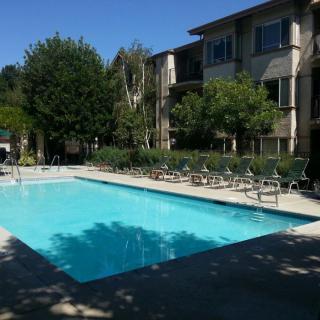
- The apartment is described as very nice, with elevators, a heated pool and hot tub, and an activity room with shuffleboard and a pool table.
- Maintenance is described as addressing issues in a timely manner.
- Rochelle, the office staff member, is praised as the best—knowledgeable, super friendly, and going above and beyond.
- Erica, the manager, is described as very friendly and helpful.
- The reviewer uses positive exclamations like "Awesome" and "Cool place" to describe the property.
Cons
 The building is dirty and unkempt, with dirty carpets, odors of urine and feces, and roaches in some units.
- Trash is scattered on the grounds and in the hallways, and the trash chutes stink.
- The first-floor entrance is an eyesore that only serves optics to lure potential tenants.
- Property management is poor and parking is awful.
- Elevators have been out for a week in a four-story senior building, which is not acceptable.
- The office staff do not return phone calls and are unhelpful; management does not care about the property or elder tenants.
- The pool and amenities are poorly maintained, with issues like algae in the spa and overall neglect.
Review
This community is best suited for seniors who need an affordable housing option and can tolerate the realities of a building that shows uneven upkeep and inconsistent management. Rent and overall cost are the strongest draws here, particularly for households relying on low-income or subsidy-based housing. The presence of accessible features, such as elevators in a four-story setting, and on-site amenities like a heated pool and social spaces offers a baseline level of convenience many seniors cannot find at comparable prices. When stability in day-to-day expectations is not the highest priority, this community can work as a practical home.
Those who should actively consider alternatives are families and residents who place a premium on cleanliness, reliability, and responsive, professional management. The tone of several experiences suggests a pattern of neglect in common areas and in-unit maintenance, with inconsistent communication from staff. If a resident hinges on predictable housekeeping, timely service requests, consistent parking access, and a well-maintained exterior and grounds, other communities, especially newer or privately managed properties, likely deliver less risk and more peace of mind. For anyone requiring steady care coordination or a strong social calendar driven by well-supervised programming, alternatives deserve serious consideration.
On the plus side, the property does offer tangible benefits that can offset some concerns, at least for tenants who land a unit with a favorable management contact. A number of residents describe clean, adequately sized apartments and a working set of amenities, including elevators, a heated pool, and a game room. Maintenance can be responsive in certain cases, and some staff members are praised for helpfulness and knowledge. These pockets of positive experience indicate that the core infrastructure can function well when the right people are in the right roles and when units are tracked carefully for upkeep. Yet these bright spots are often inconsistent and not guaranteed to align with every resident’s daily routine.
The downsides, by contrast, are substantial and persistent. Complaints span dirty carpets and odors, roaches in units, trash accumulating on grounds, and overall neglect of common areas. Parking is repeatedly described as chaotic or poorly managed, with instances of blocked access and unclear space assignments. Elevators and other essential services have been known to malfunction for extended periods, directly impacting safety and mobility for seniors. The office and property management receive frequent criticism for poor communication, staff turnover, and insufficient follow-through on maintenance requests. Even the most attractive features feel undermined when basic upkeep and reliability falter.
In weighing the pros and cons, the affordability and convenient features fail to fully offset the dominant concerns about living conditions and management. The risk of ongoing maintenance gaps, unreliable parking, and inconsistent service can translate into real stress for residents and their families. Rent volatility tied to low-income housing structures is another factor to monitor, as price changes can complicate budgeting and care planning over time. For a family evaluating care needs, the imprecision of daily operations often becomes the governing factor in whether this community can truly serve as a stable home.
A practical, action-oriented approach is essential if proceeding. Prospective residents should request current operating details: the status of parking, elevator reliability, and any recent or upcoming improvements; a direct conversation with the on-site manager about response times and process for maintenance requests; and a candid tour that includes a review of several units and common areas. Speak with several residents about their experiences, particularly around cleanliness, hearing back from staff, and how amenable the property is to timely problem resolution. If these elements meet a reasonable threshold, the appeal of affordability and amenities remains intact; otherwise, it is wise to look at other communities with proven, consistent performance to reduce uncertainty in daily life and care.
 Board and Care Home
 Burbank-Glendale-Pasadena (17 miles away)

 Top Cars for Senior Drivers and Essential Safety Innovations
 A Closer Look at Private Pay Home Care
 Comprehensive Approaches for Arthritis: A Detailed Guide to Symptoms, Causes, and Care