
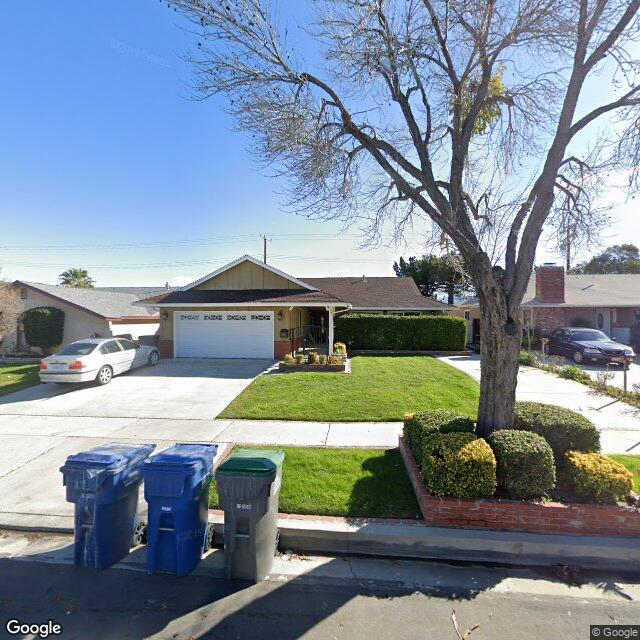
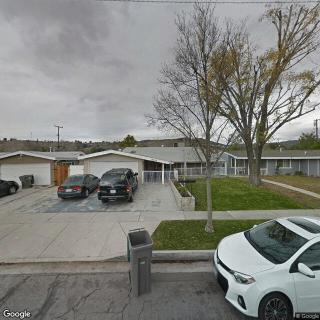
27126 Langside Avenue, Canyon Country, CA 91351
For more information about senior living options: (866) 208-4318
Cedarcreek Manor Costs & Pricing
Cedarcreek Manor offers competitive pricing for its residential care services when compared to the broader market of Los Angeles County and the state of California. For semi-private accommodations, Cedarcreek Manor charges $4,300 per month, which is notably higher than both the county average of $3,349 and the state average of $3,333. In terms of private rooms, Cedarcreek's rate of $5,300 also exceeds the county's typical cost of $4,197 and the state's average of $3,939. While Cedarcreek Manor's rates are on the higher end, they may reflect enhanced amenities or specialized care that could justify the investment for families seeking quality support for their loved ones.
| Floor plans | Cedarcreek Manor | Los Angeles County | California |
|---|---|---|---|
| Semi-Private | $4,300 | $3,349 | $3,333 |
| Private | $5,300 | $4,197 | $3,939 |
Assisted Living communities with a similar price nearby
-
from +$200 / mo
Ardenville Home Care I
$4,500 / month16.6 miles away -
from -$500 / mo
America's Care Manor
$3,800 to $4,000 / month15.5 miles away -
from -$800 / mo
Hollywood Healthy Living
$3,500 to $5,000 / month16.4 miles away -
from -$800 / mo

California Senior Of Sherman Oaks
$3,500 to $4,000 / month18.2 miles away -
from +$700 / mo

Just Like Home
$5,000 / month18.0 miles away
Overall Review of Cedarcreek Manor
Pros
 Cedarcreek Manor is close to home for the family.
- The staff there are friendly and wonderfully patient with her.
- She loves it there after a week.
- She is not worried about her belongings.
- She enjoys the company of the other residents.
- There are three home-cooked meals a day.
- The facility is very clean.
Cons
 The mother was becoming too much to handle at home because of paranoia.
- The family felt compelled to place her somewhere, indicating distress and burden.
- Given her age (98) and poor vision and hearing, there was anxiety about finding the right place and a private room.
Review
Cedarcreek Manor in Canyon Country is best suited for families seeking a nearby, personable assisted living option for an elderly loved one who benefits from a gentle, patient approach, private space, and a supportive community. The standout case is a 98-year-old woman with vision and hearing challenges whose family prioritized proximity to reduce travel burden and ensure vigilant supervision. The community’s staff earned trust quickly thanks to friendliness and patience, which matters when coping with paranoia or anxiety about changes in living arrangements. A private room provided dignity and security, while the routine environment, home-like meals, clean surroundings, and predictable daily rhythms, helped ease the adjustment.
Who may want to consider alternatives? For families needing robust memory care or higher acuity medical support, Cedarcreek Manor may not be the best fit if a detected dementia unit, 24/7 skilled nursing, or more intensive supervision is essential. The review highlights a calm, friendly setting, but it doesn’t describe dementia-specific programming, secured areas, or strong rapid-response medical services. If those features are non-negotiable, or if the case involves frequent behavioral escalations, a community specializing in memory care or a larger campus with more clinical resources could be more appropriate. Similarly, families seeking a broader activity calendar or more on-site amenities may prefer options with a wider footprint.
Pros clearly offset potential drawbacks when the aim is a gentle, home-like transition close to family. Proximity to the family home enables frequent visits, familiar routines, and rapid communication in a pinch, all of which reduce anxiety for an elder who once dreaded being separated from belongings and familiar surroundings. The staff’s friendliness and patience translate into steadier days for a resident worried about new surroundings near-immediate. The private room not only preserves autonomy but also mitigates concerns about item loss or intrusion, a real worry for someone with memory challenges. Cleanliness and predictable meals deliver daily reliability that supports nutritional and emotional well-being.
Social engagement emerges as a meaningful strength. The resident’s report of enjoying company with other residents suggests that the community offers enough peer interaction to prevent isolation, which is critical for mood and cognition. Three home-cooked meals a day contribute to routine and comfort, reducing the likelihood of skipped meals or unbalanced nutrition. Cleanliness isn’t cosmetic here; it signals disciplined operations that foster safety and trust, especially important for an older adult with sensory limits. These operational basics, privacy, meals, cleanliness, and a friendly milieu, create a reservoir of stability that can make the difference between reluctance and willingness to stay.
Time is a useful lens. A week in residence provided a telling early read: the resident quickly embraced the environment, and the family saw instant alignment with her needs and preferences. That pace matters because it suggests staff can establish rapport and routines promptly, a key predictor of long-term satisfaction. Yet the snapshot invites cautious optimism; longer-term observation would more definitively reveal how the community handles medical fluctuations, evolving cognitive needs, and the ongoing negotiation between independence and support. The absence of noted negatives in the short term should be weighed against the specific care trajectory required by the loved one.
In sum, Cedarcreek Manor stands out for families prioritizing proximity, a calm, patient caregiver tone, and a private space that respects autonomy while delivering dependable daily life. It is an especially strong match for elders who benefit from friendly, low-stress adjustment and regular companionship, without immediate demands for advanced medical or dementia-specific programming. For those whose needs outgrow what this setting provides, whether due to advanced memory care requirements, broader clinical oversight, or a desire for a more expansive activity platform, alternatives should be explored. The recommended path is to visit, speak with the caregiving team about memory care capabilities and emergency protocols, verify private-room availability, and assess how the community’s daily cadence aligns with the elder’s routines and values.
 6 resident community capacity
 Assisted Living
 Board and Care Home
 Activities on-site
 Cable or satellite TV
 Devotional services off-site
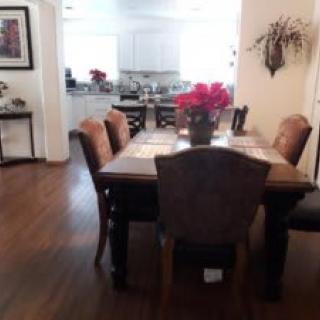
 Dining room
 Fully furnished
 Garden
 Housekeeping services
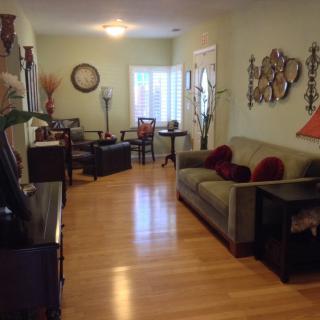
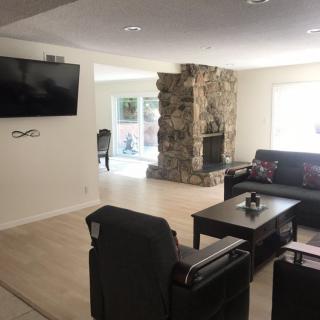
 Indoor common areas
 Move-in coordination
 Outdoor space
 Private
 Telephone
 Wi-Fi/high-speed internet available
 Burbank-Glendale-Pasadena (17 miles away)
 24-hour supervision
 Ambulatory care
 Assistance with bathing
 Assistance with dressing
 Assistance with transfers
 Diabetes diet
 Diabetic care
 Meal preparation and service
 Medication management
 Special dietary restrictions
 Transportation arrangement (medical)
 Transportation to doctors appointments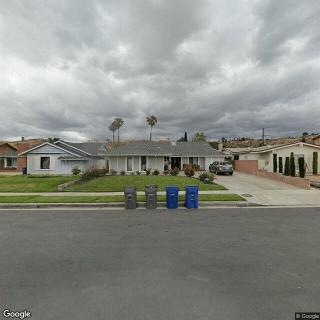

 A Detailed Exploration of Assisted Living Medicaid Waivers Across the United States
 Comprehensive Residential Support and Assisted Living Solutions for Individuals with Disabilities
 Comprehensive Supportive Living Arrangements for Adults with Disabilities