
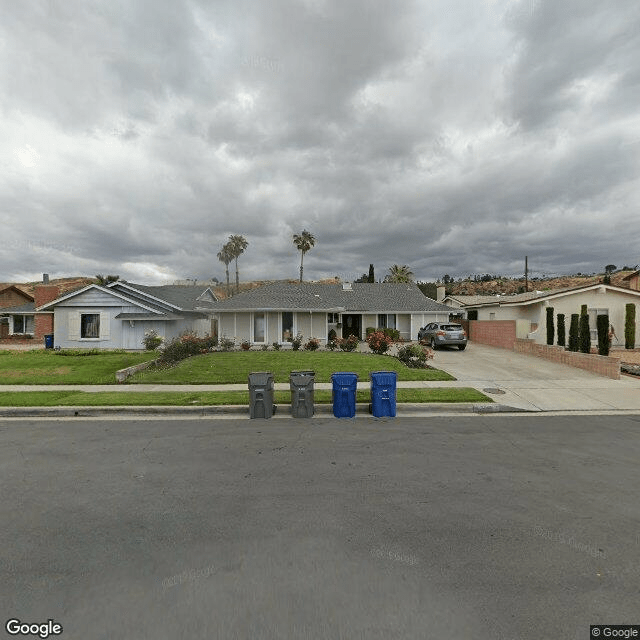
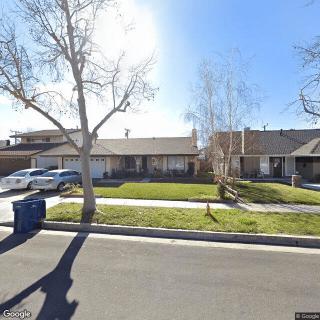
20237 Cedarcreek, Canyon Country, CA 91351
For more information about senior living options: (866) 208-4318
Cedarcreek Villa Costs & Pricing
Cedarcreek Villa offers a range of living accommodations that are competitively priced within the context of both Los Angeles County and the broader California region. For semi-private rooms, Cedarcreek Villa's monthly cost is $4,300, which exceeds the county average of $3,349 and the state average of $3,333. In terms of private rooms, residents can expect to pay $5,300 at Cedarcreek Villa, again higher than Los Angeles County's average of $4,197 and California's overall average of $3,939. These figures suggest that while Cedarcreek Villa provides quality amenities and services that may justify its higher pricing, prospective residents should consider how these costs align with their budget compared to other facilities in the area.
| Floor plans | Cedarcreek Villa | Los Angeles County | California |
|---|---|---|---|
| Semi-Private | $4,300 | $3,349 | $3,333 |
| Private | $5,300 | $4,197 | $3,939 |
Assisted Living communities with a similar price nearby
-
from +$200 / mo
Ardenville Home Care I
$4,500 / month16.9 miles away -
from -$500 / mo
America's Care Manor
$3,800 to $4,000 / month15.4 miles away -
from -$800 / mo
Hollywood Healthy Living
$3,500 to $5,000 / month16.7 miles away -
from -$800 / mo

California Senior Of Sherman Oaks
$3,500 to $4,000 / month18.4 miles away -
from +$700 / mo

Just Like Home
$5,000 / month18.2 miles away
Overall Review of Cedarcreek Villa
Pros
 Cedarcreek Villa is recommended to others for their loved ones.
- The staff are caring and genuinely care about residents.
- The owner maintains the property well.
- The staff-to-resident ratio is favorable in this small community.
- The community is clean and well taken care of.
- There is a great variety of activities.
- The experience is perfect and the resident's father is doing amazing.
- Caregivers are hands-on and take residents on walks daily.
- Everyone is genuinely caring.
- The meals are freshly made and delicious.
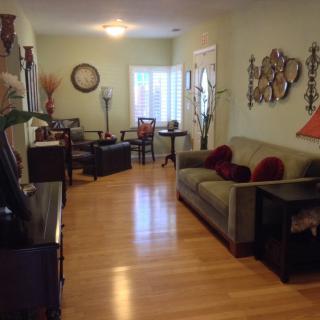
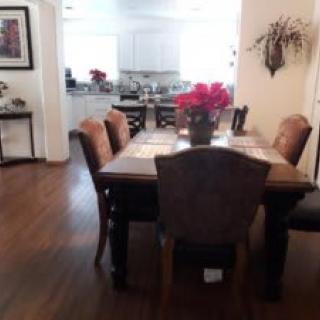
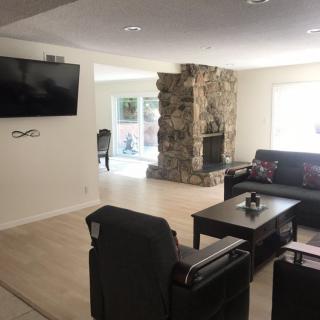
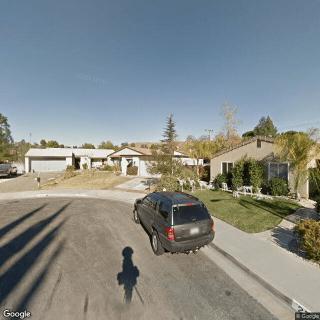
- The home is very clean with large rooms and natural light.
- The home has ramps, a backyard with roses and grass, and a covered patio.
Cons
 The residents were just staring at TV watching bicycle racing, which was very sad.
- There was only one bathroom, a notable drawback.
- The staff-to-resident ratio could be as high as one staff member per three residents, suggesting potential understaffing.
- Some residents ate meals elsewhere for convenience, indicating inconsistency in meal arrangements.
Review
Cedarcreek Villa in Canyon Country is best suited for families seeking a highly personalized, home-like assisted living experience where a tiny, tightly knit staff team can form real, daily connections with a resident. With only six residents, the community delivers a remarkably hands-on level of care, and the owner’s medical background translates into steady oversight and attentiveness to health needs. The living space is bright and clean, rooms are roomy enough to feel comfortable, and the design includes ramps and a small, accessible outdoor area that supports independence. This setup works best for a senior who values familiarity, consistent staff attention, and a more intimate atmosphere over a bustling campus vibe.
That said, Cedarcreek Villa isn’t for everyone, and certain realities should push families toward alternatives. Residents who crave a large, activity-packed campus with multiple dining rooms, expansive social programming, or highly structured schedules may feel limited by the small scale. Likewise, those who require more than one bathroom per floor, want greater privacy, or seek a facility with broader memory-care resources may want to consider larger assisted-living communities. The quiet, homelike environment can feel too intimate for families seeking the energy and variety found in bigger campuses. Prospective residents should weigh whether a serene, small-house model aligns with long-term needs and expectations.
The strongest positives here directly offset some notable drawbacks. The staff-to-resident ratio is consistently strong, roughly one caregiver for every two residents, sometimes tighter, which translates into prompt assistance with bathing, toileting, and daily living tasks. Families repeatedly highlight genuine warmth, hands-on care, and daily engagement that keeps residents connected, with walks and individualized attention woven into routines. The doctor-owner presence adds a layer of medical continuity and reassurance that can ease transitions for families managing chronic conditions or recent health changes. Cleanliness, bright natural light, and a sense of pride in upkeep further reinforce a culture of respect and diligence that counterbalances the limited size.
Another set of compensating factors lies in the environment and the programming that surfaces in reviews. The home-like layout, accessible outdoor space, and a cheerful, well-maintained atmosphere give residents a sense of normalcy and safety. Freshly prepared meals and a variety of activities contribute to a social, open mood in a setting that feels both private and connected. When residents do engage with programming, the result can be meaningful, with caregivers who are described as energetic and welcoming. Even if some days show residents absorbed in TV or quiet moments, the overall tone is one of attentiveness and purposeful daily living rather than routine custodial care.
For families making a decision, the practical lens matters as much as the sentiment. Cedarcreek Villa likely commands a premium relative to larger facilities, justified by individualized attention, frequent caregiver interaction, and medical oversight. Prospective buyers should tour with a practical checklist: confirm daily schedules and meals, inspect bathroom access and privacy considerations, review activity calendars for consistency and diversity, and speak with current residents about responsiveness and mood. Ask about how emergencies are handled, how medical needs are coordinated with the doctor-owner, and what a typical day looks like from wake-up to bedtime. The small size means every staffing decision and space usage can affect daily life, clarity here matters.
In the end, Cedarcreek Villa represents a compelling choice for families who want a trusted, hands-on, intimate care experience with high caregiver visibility and medical oversight, wrapped in a clean, bright, and homelike setting. It is especially well suited to residents who thrive on personal attention, meaningful interaction, and a calm, familiar routine. Families who prioritize scale, expansive programming, or multiple privacy options should carefully compare this option with larger campuses or memory-care-focused communities. A deliberate site visit remains essential: observe staff interactions, evaluate the practicality of bathroom and meal arrangements, and confirm that the pace and vibe align with the senior’s temperament, health needs, and family expectations.
 6 resident community capacity
 Assisted Living
 Board and Care Home
 Dogs allowed
 Cable or satellite TV
 Dining room
 Fully furnished
 Garden
 Housekeeping services
 Move-in coordination
 Outdoor space
 Private
 Telephone
 Wi-Fi/high-speed internet available
 Burbank-Glendale-Pasadena (17 miles away)
 24-hour supervision
 Activities of daily living assistance
 Assistance with bathing
 Assistance with dressing
 Assistance with transfers
 Diabetes diet
 Incontinence care
 Meal preparation and service
 Medication management
 Special dietary restrictions
 Transportation arrangement (medical)
 Transportation to doctors appointments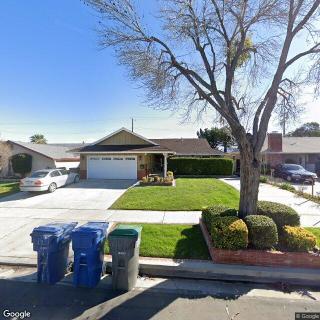



 How and When Medicaid May Cover Assisted Living Costs
 A Detailed Exploration of Assisted Living Medicaid Waivers Across the United States
 Comprehensive Residential Support and Assisted Living Solutions for Individuals with Disabilities