
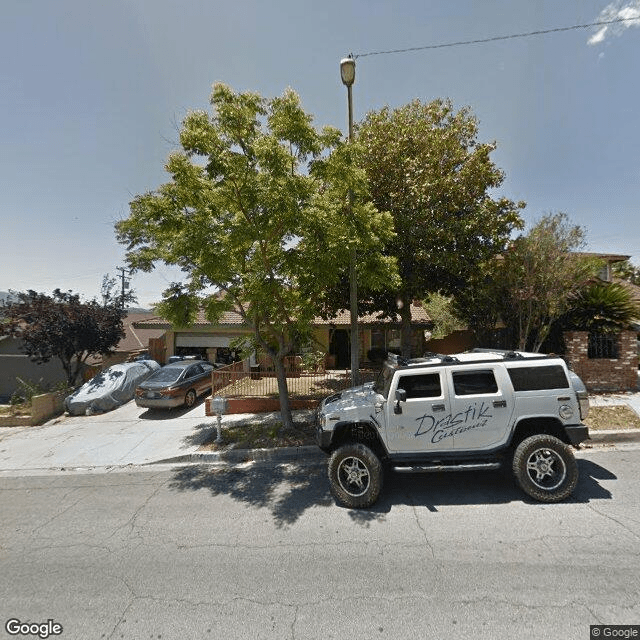
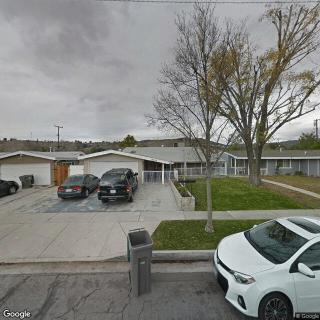
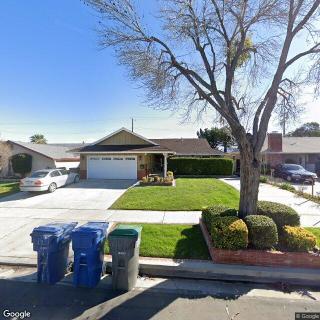
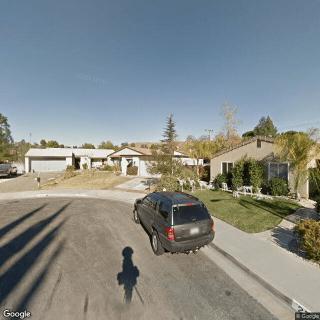
27855 Camp Plenty Rd, Santa Clarita, CA 91351
For more information about senior living options: (866) 208-4318
Royal Palms Senior Home Care I Costs & Pricing
Royal Palms Senior Home Care I offers competitive monthly rates for its services compared to both Los Angeles County and the broader state of California. For a semi-private room, residents can expect to pay $2,500, which is significantly lower than the county average of $3,349 and slightly below the state average of $3,333. In addition, the cost for a private room at Royal Palms is $3,200, again presenting a more affordable option when contrasted with the county's average of $4,197 and the state's average of $3,939. These pricing structures reflect Royal Palms' commitment to providing quality care while maintaining accessibility for seniors in need.
| Floor plans | Royal Palms Senior Home Care I | Los Angeles County | California |
|---|---|---|---|
| Semi-Private | $2,500 | $3,349 | $3,333 |
| Private | $3,200 | $4,197 | $3,939 |
Senior living communities with a similar price nearby
-
from -$300 / mo
Precious Someone Homecare
$2,200 to $3,300 / month17.1 miles away -
from +$250 / mo
Dignity Care Home 1
$2,750 to $4,150 / month13.7 miles away -
from -$300 / mo
Granada Hills Gardens
$2,200 to $3,500 / month11.5 miles away -
About the same
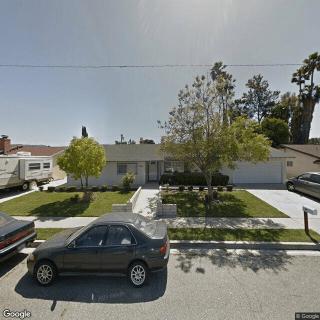
Our Home
$2,500 to $3,000 / month20.6 miles away -
About the same
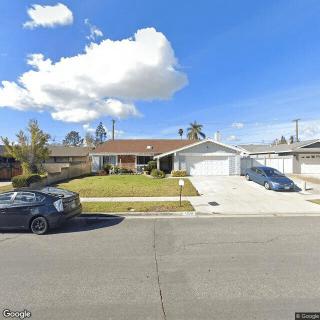
Darrah Manor
$2,500 to $3,000 / month18.0 miles away
Overall Review of Royal Palms Senior Home Care I
Pros
 They treat him like family and care for him with love.
- The staff are always prompt in contacting the family with concerns and updates.
- The monthly cost is fairly priced and includes everything, including diapers and food.
- They have doctors who will make house calls to take care of the residents.
- They work with Hospice and home health care and have strong community contacts to help.
- The environment is fantastic—like a home where a family member is looked after as if in their own home.
- The staff are friendly and communicative when the resident is sick or needs to go to the hospital.
Cons
 The home sometimes smells of urine.
 - There is no RN/LVN on staff or on call.
- It is not a medical facility.
- The staff do not seem able to take care of it there.
Review
Royal Palms Senior Home Care I in Santa Clarita is best suited for families seeking a warm, home-like environment where a loved one is treated with genuine warmth, ongoing attention, and a sense of family. The community shines in caregiver availability and proactive communication, with staff consistently updating families on health changes, hospital visits, and daily needs. Pricing is all-inclusive, covering essentials such as food and diapers, which removes the guesswork common to many assisted-living choices. The setting isn’t a medical facility; instead it operates as a supervised, home-style residence that coordinates with Hospice and home health care when clinical oversight is needed. For families prioritizing comfort, personal connection, and straightforward budgeting, this is a compelling match.
Yet this option is not for everyone. The absence of on-site nursing means no RN or LVN on staff or on-call, and the facility relies on external hospice, home health providers, and a rotating physician for house calls. That structure works well for relatively stable residents with adequate outside medical support, but it falls short for those requiring daily skilled nursing or constant medical monitoring. Cleanliness and atmosphere are generally solid, but there are mentions of an occasional urine odor, which could be a non-trivial concern for some residents and families. Activities and program details aren’t fully fleshed out in the accounts, leaving questions about daily engagement beyond basic care.
On the positive side, the pros create a substantial offset to the medical gaps. The environment feels genuinely like a home, with staff who treat residents as family and who stay connected with families through prompt, reliable communication. The care approach emphasizes attentiveness and responsiveness, with staff proactively calling when illnesses arise or hospital visits occur. The all-inclusive pricing simplifies budgeting, particularly since meals and diapers are included. The arrangement with an in-house-recommended doctor for house calls, plus the ability to work with Hospice and home health care and leverage local community resources, reduces the burden on families and enhances continuity of care. These strengths collectively counterbalance the lack of on-site nursing for many prospective residents.
Nevertheless, the lack of on-site nursing remains a material consideration. For residents who require regular injections, wound care, complex chronic disease management, or round-the-clock medical oversight, the arrangement depends heavily on external providers and can introduce delays or coordination challenges. The home-like setting is comfortable, but it is not specialized for high-acuity needs, memory care, or people at risk of wandering or sundowning, which means safety planning and supervision may be less intensive than some families expect. The occasional odor concern signals possible maintenance gaps, particularly if staffing levels fluctuate, so families should probe for maintenance routines and weekend coverage during tours and discussions.
Decision-making guidance should be practical and purpose-driven. Start with health status and care goals: is daily nursing oversight essential, or can external hospice/home-health support meet the needs? If the loved one thrives in a nurturing, family-style atmosphere and already has external medical support in place, Royal Palms offers a persuasive combination of warmth, accessibility, and predictable costs. If continuous skilled nursing, memory care specialization, or a more structured activity and engagement program is non-negotiable, it makes sense to explore alternatives with on-site RNs/LVNs or memory-care-focused options. Tours should be used to verify a real care plan, observe staff-resident interactions, review activity calendars, and confirm any potential extra charges beyond the included meals and diapers. Crucially, confirm the availability of timely physician house calls and clear emergency procedures.
Overall, Royal Palms Senior Home Care I stands out as a practical, well-regarded choice for Santa Clarita families seeking a home-centered environment with dependable staff, transparent pricing, and strong coordination with external medical support. The primary trade-off is clear: residents with modest medical needs and a preference for intimate, familial care will find this setting highly satisfying, while those requiring constant nursing supervision or specialized memory care will likely fare better with alternatives that offer on-site medical staffing and more intensive programming. For families weighing options, a careful assessment of medical acuity, desired level of social engagement, and willingness to coordinate with outside clinicians will reveal whether this community aligns with the long-term care goals. A guided tour is the sensible next step to confirm fit.
 Board and Care Home
 Cats allowed
 Dogs allowed
 Activities on-site
 Indoor common areas
 Outdoor common areas
 Private
 Wheelchair accessible showers
 Burbank-Glendale-Pasadena (17 miles away)
 Diabetic care
 High acuity care
 Meals provided

 Compassionate Conversations: How to Comfort Someone Who Is Grieving
 Home Health Care Aides: Understanding Their Role and Supporting Your Family
 Urinary Tract Infections in Older Adults: Comprehensive Insights on Symptoms, Treatment, and Prevention