
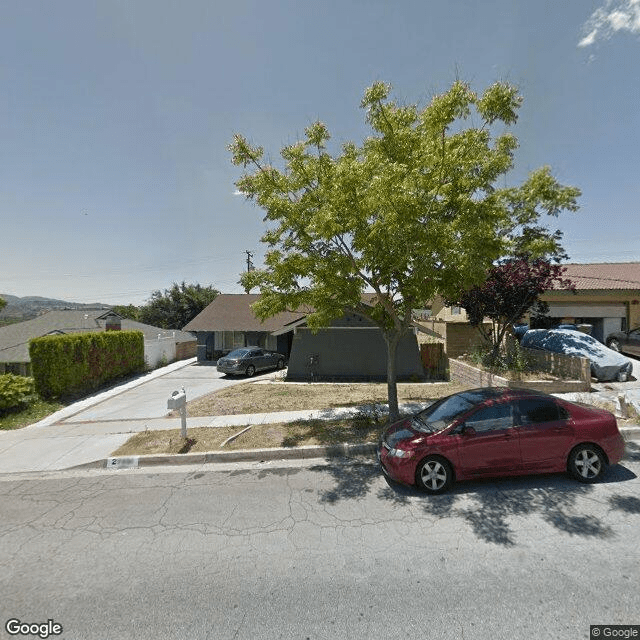
27851 Camp Plenty Road, Santa Clarita, CA 91351
To contact a resident: (661) 250-9579
For more information about senior living options: (866) 208-4318
Royal Palms Senior Home Care #3 Costs & Pricing
Royal Palms Senior Home Care #3 offers competitive rates that significantly undercut both Los Angeles County and the broader state of California. With a flat rate of $2,500 per month for studio, one-bedroom, and private rooms, residents can enjoy exceptional care without the financial strain typically associated with senior living arrangements in this region. In contrast, the average monthly cost in Los Angeles County is approximately $4,172 for studios and rises to around $4,603 for one-bedroom units. Even when compared to statewide averages - where studio costs hover around $4,145 and private rooms at about $3,939 - Royal Palms positions itself as an appealing option for families seeking quality senior care at a fraction of the price. This affordability not only reflects the home's commitment to accessible care but also highlights its value proposition within a challenging economic landscape.
| Floor plans | Royal Palms Senior Home Care #3 | Los Angeles County | California |
|---|---|---|---|
| Studio | $2,500 | $4,172 | $4,145 |
| 1 Bedroom | $2,500 | $4,603 | $4,340 |
| Private | $2,500 | $4,197 | $3,939 |
Memory care communities with a similar price nearby
-
from +$250 / mo
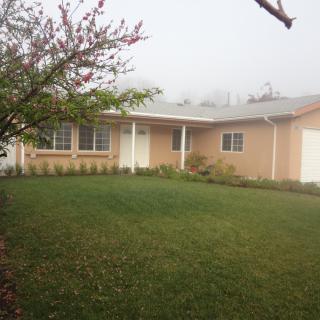
Dignity Care Home 1
$2,750 to $4,150 / month13.7 miles away -
from -$300 / mo
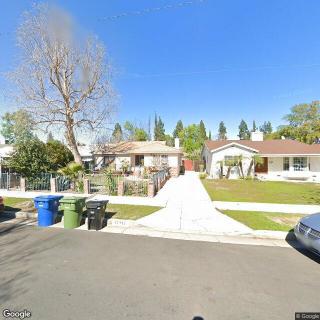
Granada Hills Gardens
$2,200 to $3,500 / month11.5 miles away -
About the same
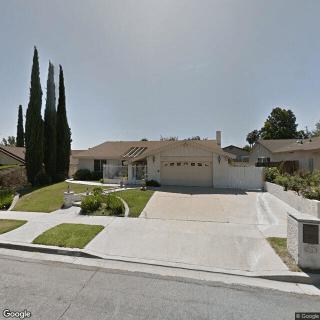
Sunrise Guest Home
$2,500 to $3,000 / month18.7 miles away -
from +$465 / mo
Pacifica Senior Living Northridge
$2,965 to $3,665 / month14.1 miles away -
About the same

West Hills Assisted Living
$2,500 to $3,500 / month17.8 miles away
Overall Review of Royal Palms Senior Home Care #3
Pros
 The staff treat residents like family and care for them with love.
- They are always prompt in contacting families with concerns, updates, and when residents want to speak.
- The monthly cost is fairly priced and includes diapers and food.
- They have a doctor they recommend who makes house calls to care for residents.
- The home provides a fantastic environment where residents are looked after as if they were in their own home, with strong Hospice and home health care partnerships and community contacts.
Cons
 There is no RN/LVN on staff or on call.
- The home is not a medical facility.
Review
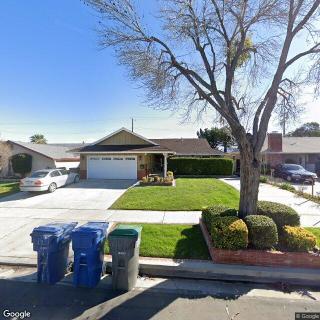
Royal Palms Senior Home Care #3 in Santa Clarita, CA is best suited for families seeking a warm, home-like setting where a loved one receives attentive, daily care from a small, tightly knit staff. It works well for seniors who value personal connections, consistent communication, and routines that feel less like a hospital and more like a comfortable residence. This community particularly serves residents who don’t require on-site medical specialists but do benefit from reliable oversight, prompt updates, and staff who treat residents with genuine warmth. For families willing to coordinate external medical services, the atmosphere and everyday care deliver reassuring continuity.
Those needing ongoing nursing supervision or on-site licensed medical staff should consider alternatives. Not a medical facility and without an RN or LVN on site or on-call, the home relies on external providers for medical needs and hospice or home health arrangements. If a resident has complex wound care, frequent medication changes, IV therapies, or requires rapid emergency response, another option with robust clinical staffing would be prudent. Families prioritizing constant clinical oversight or immediate, in-house nursing support will likely find this setting insufficient.
The strongest positives center on how care is delivered: staff members treat residents like family, maintaining open, prompt communication with families about concerns, updates, and needs. The inclusive pricing, covering essentials such as diapers and meals, reduces financial stress and simplifies budgeting for many households. The home-like environment enhances emotional well-being and can ease the transition for someone accustomed to living at home. The arrangement with a doctor who visits by house call, plus the capacity to partner with Hospice and home health care, provides practical medical support without turning the home into a clinical ward. These elements collectively offset the absence of on-site nursing by ensuring medical guidance remains accessible through trusted partners.
Yet the lack of on-site nurses is a meaningful limitation, especially for residents whose health status can change rapidly or who require immediate clinical attention. Dependence on external providers means scheduling and coordination shape medical touchpoints, which may not align with urgent needs or family expectations for swift responses. Costs may be reasonable, particularly with inclusions, but value hinges on how seamlessly external medical services integrate into daily life and how predictable and accessible those services prove to be during health fluctuations.
For families weighing this community, practical due diligence matters. Clarify exactly what the monthly rate covers beyond the basics, and understand how often outside physicians visit and what the cadence of Hospice or home health care looks like. Probe emergency procedures and the plan for rapid medical escalation. Observe how communication with families is handled in real time, and request a clear daily schedule, a written care plan, and a tour that showcases safety features, meal quality, and programmatic activities. If these realities align with the resident’s needs and the family’s comfort with coordinating external care, the home-like setting can deliver meaningful quality of life and steady daily support.
Bottom line: Royal Palms Senior Home Care #3 delivers a compelling option for seniors who flourish in an intimate, familial environment and for families able to orchestrate external medical care. It provides genuine warmth, steady daily oversight, and a transparent, inclusive price point that simplifies budgeting. The principal trade-off is clear: no on-site nursing or formal clinical infrastructure. If on-site clinical staffing is non-negotiable, alternatives with licensed nurses and stronger on-site medical oversight should be pursued. For the right resident, this Santa Clarita community offers a practical, human-centered solution that keeps the emphasis on care within a home setting.
 Board and Care Home
 Memory Care
 Activities on-site
 Devotional services off-site
 Indoor common areas
 Private
 Burbank-Glendale-Pasadena (17 miles away)
 Ambulatory care
 Diabetic care
 Meals provided

 22 Remarkable Caregiver Support Groups Available Online and In-Person
 Understanding Medicaid Coverage for Assisted Living: A Comprehensive Guide
 How and When Medicaid May Cover Assisted Living Costs