

902 Brentwood Drive, Bakersfield, CA 93306
For more information about senior living options: (866) 208-4318
Silvercrest Manor Costs & Pricing
Silvercrest Manor offers competitive pricing for its various room types, catering to residents' needs while remaining mindful of the broader market. For a semi-private room, the cost is $2,700 per month, which is notably lower than both Kern County's average of $2,887 and California's overall average of $3,333. Similarly, the monthly rate for a private room at Silvercrest Manor is set at $3,000, again more affordable than the county's average of $3,456 and significantly below California's average of $3,939. The studio option also reflects this trend with a monthly fee of $3,000 compared to Kern County's $3,509 and California's $4,145. Overall, Silvercrest Manor provides an attractive financial alternative while maintaining quality care and comfort for its residents.
| Floor plans | Silvercrest Manor | Kern County | California |
|---|---|---|---|
| Semi-Private | $2,700 | $2,887 | $3,333 |
| Private | $3,000 | $3,456 | $3,939 |
| Studio | $3,000 | $3,509 | $4,145 |
Memory care communities with a similar price nearby
-
from -$200 / mo
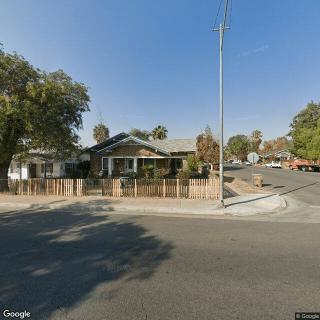
Gracious Lady Alzheimer Care
$2,500 / month3.7 miles away -
About the same
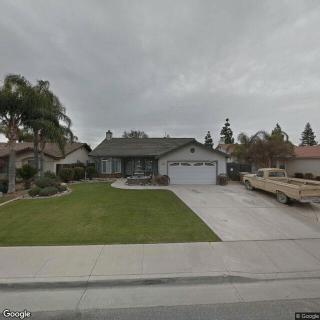
A Comfort Care Home
$2,700 to $3,500 / month12.4 miles away -
About the same
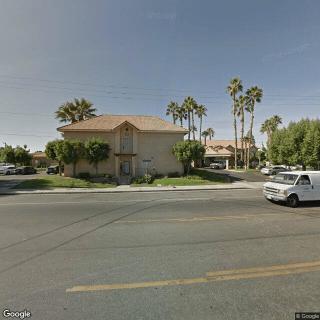
Hallmark Bakersfield
$2,675 to $10,195 / month7.4 miles away -
from +$100 / mo
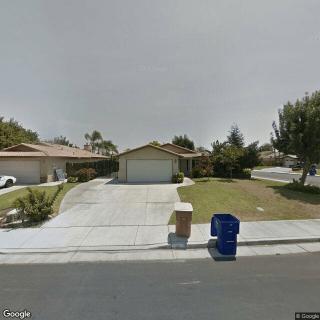
Summer Springs Board & Care
$2,800 to $3,800 / month9.4 miles away -
from -$500 / mo
Heritage Living
$2,200 to $3,000 / month11.9 miles away
Overall Review of Silvercrest Manor
Pros
 She was well taken care of.
- The food was good.
- The staff here is always nice and helpful.
Review
Silvercrest Manor in Bakersfield, CA is best suited for families seeking steady, long-term care for a bedridden or severely dependent loved one who needs reliable daily support more than aggressive clinical intervention. The account available points to a setting where basic routines, hygiene, mobility assistance, and regular meals, are consistently managed, and where caregivers are present, approachable, and dependable. For families prioritizing a stable, home-like environment with predictable staffing and nourishment, this community presents a practical, low-stress option that can support the demanding realities of years in care without introducing unnecessary upheaval.
Those evaluating options should still consider alternatives if the care needs extend beyond routine support. A loved one with complex medical requirements, frequent skilled nursing, or the need for intensive rehabilitation after hospital stays may find a setting focused on daily caregiving insufficient. Similarly, if memory care or specialized behavioral support is essential, seek communities with dedicated programming and staff trained for cognitive needs. Location, costs, and contractual terms also matter; these should be weighed against the anticipated care trajectory to avoid surprises.
From the experience described, the most compelling advantages are the warmth and reliability of the staff and the steady quality of meals. The caregivers are portrayed as consistently nice and helpful, which matters greatly to families watching over a frail relative. A stay of about three years signals both stability and trust in the caregiving routine, reducing the emotional burden of frequent caregiver turnover and providing a predictable daily rhythm. Food quality, often a stress point for families, appears to be reliable, contributing to overall comfort and dignity for residents who spend long hours eating and resting in one place.
Yet, the absence of explicit drawbacks in a single testimonial means the picture remains incomplete. There is no detailed emphasis on advanced medical oversight, physical therapy, wound care, or on-site physician access, and no discussion of staffing ratios or after-hours coverage. For families, this translates into a gap: while daily life may feel smooth and humane, questions linger about the facility’s capacity to manage emerging medical needs or to escalate care quickly if a condition worsens. The decision to choose Silvercrest Manor should thus hinge on whether the expected level of clinical support aligns with current needs and with potential health changes on the horizon.
To make a well-supported decision, investigators should verify practical thresholds during an in-person evaluation: nurse-to-resident ratios across shifts, availability of licensed nursing staff on site, and access to physicians for routine and urgent concerns. Assess the consistency and variety of meal offerings, culinary accommodations, and whether dietary restrictions are routinely managed with competence and care. Examine activity programming for bedridden residents, the availability of rehabilitation services, and the ease of coordinating family communications. Finally, scrutinize pricing structures, inclusions, and the process for scaling services if dependence increases. These checks convert impressions of kindness and good food into a clear forecast of daily life and financial commitment.
In the end, Silvercrest Manor stands out as a sensible choice for families prioritizing sustained, compassionate daily care and dependable nourishment within a Bakersfield setting. It offers a practical, steadier option for a loved one whose needs revolve around daily caregiving rather than aggressive medical intervention or intensive memory care. For households requiring frequent medical management, complex therapy, or specialized cognitive programming, other communities with stronger clinical service lines should be pursued. For suitable cases, this community provides a trustworthy home where staff friendliness and reliable meals underpin a dignified, long-term stay.
 11 resident community capacity
 Assisted Living
 Board and Care Home
 Memory Care
 Cable or satellite TV
 Dining room
 Fully furnished
 Garden
 Housekeeping services
 Move-in coordination
 Outdoor space
 Private
 Telephone
 Wi-Fi/high-speed internet available
 Meadows (9 miles away)
 24-hour supervision
 Activities of daily living assistance
 Assistance with bathing
 Assistance with dressing
 Assistance with transfers
 Diabetes diet
 Meal preparation and service
 Medication management
 Special dietary restrictions
 Transportation arrangement (medical)
 Transportation to doctors appointments

 An In-Depth Look at Reminiscence Therapy in Dementia Care
 Dementia-Related Hallucinations: Causes, Experiences, and Practical Approaches
 Illuminating Insights About Alzheimer's Disease: Ten Crucial Realities