Elders Inn offers competitive pricing for its residents, with semi-private rooms available at $3,171 per month, which is slightly below the average cost of $3,273 in Alameda County and $3,333 across California. For those seeking more privacy, the studio apartments at Elders Inn are priced at $4,037 per month. While this is higher than the state average of $4,145, it remains lower than the county average of $4,532. Overall, Elders Inn provides a commendable balance of affordability and quality care within the broader context of regional pricing for similar accommodations.
Floor plans
Elders Inn
Alameda County
California
Semi-Private
$3,171
$3,273
$3,333
Studio
$4,037
$4,532
$4,145
Skilled Nursing Facilities with a similar price nearby
Residents mention supportive care for dementia and memory impairment.
Several reviewers describe peace of mind with memory-related needs, including early-stage dementia and a focus on being able to get help when needed. One family credits the staff with addressing specific dementia needs with empathy and keeping the loved one engaged. Others also mention the importance of safety and comfort during periods when conditions or abilities changed. In at least one review, the fit was more limited when dementia care needs involved mobility concerns.
common3 reviews mention this
Medication and therapy support
Medical support shows up in reviews, including medication help and therapy.
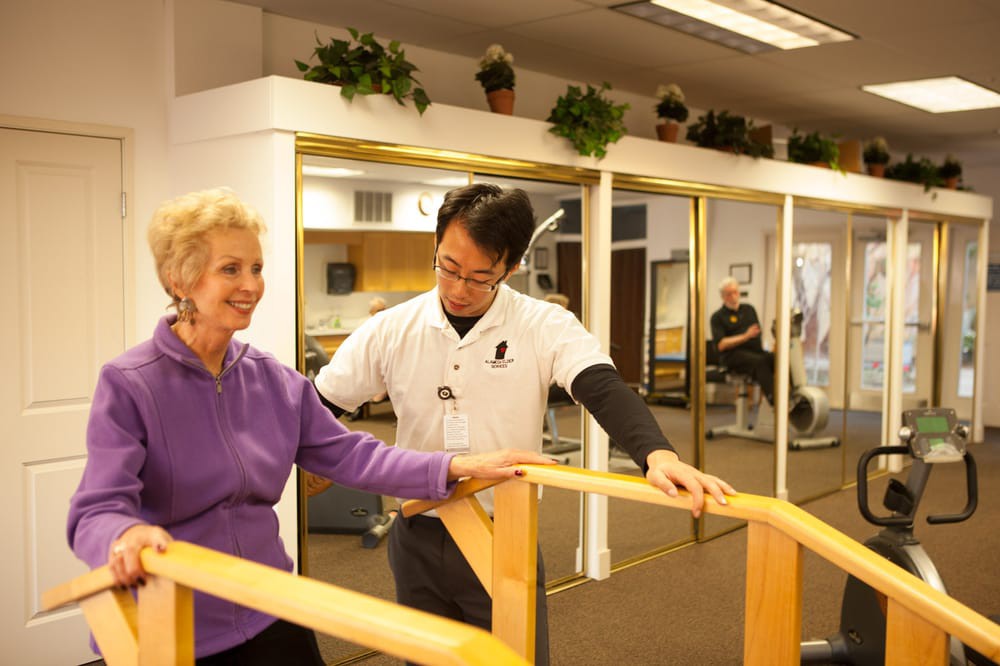
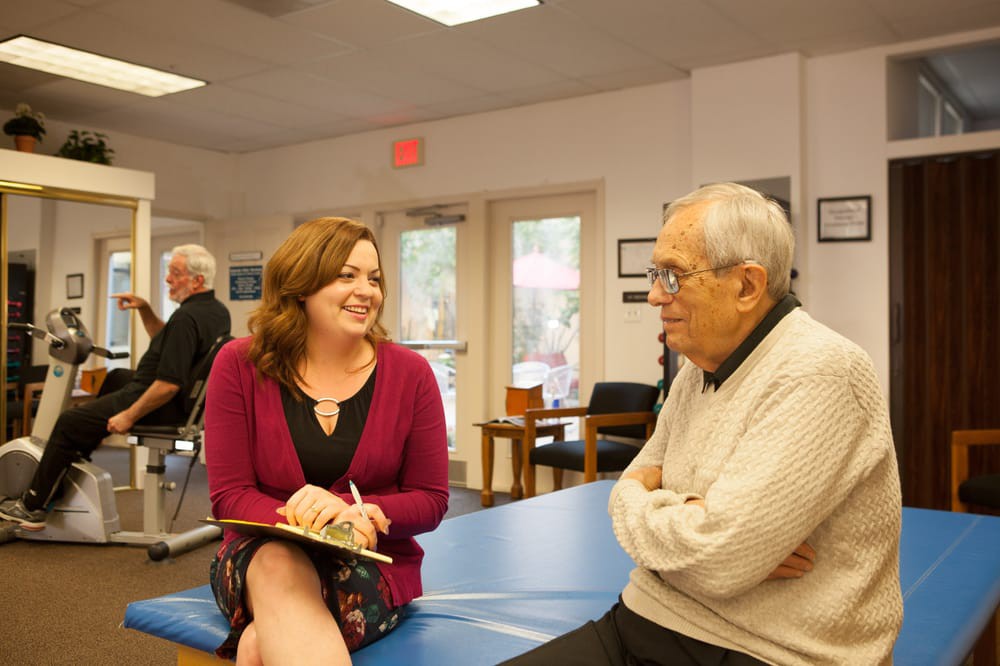
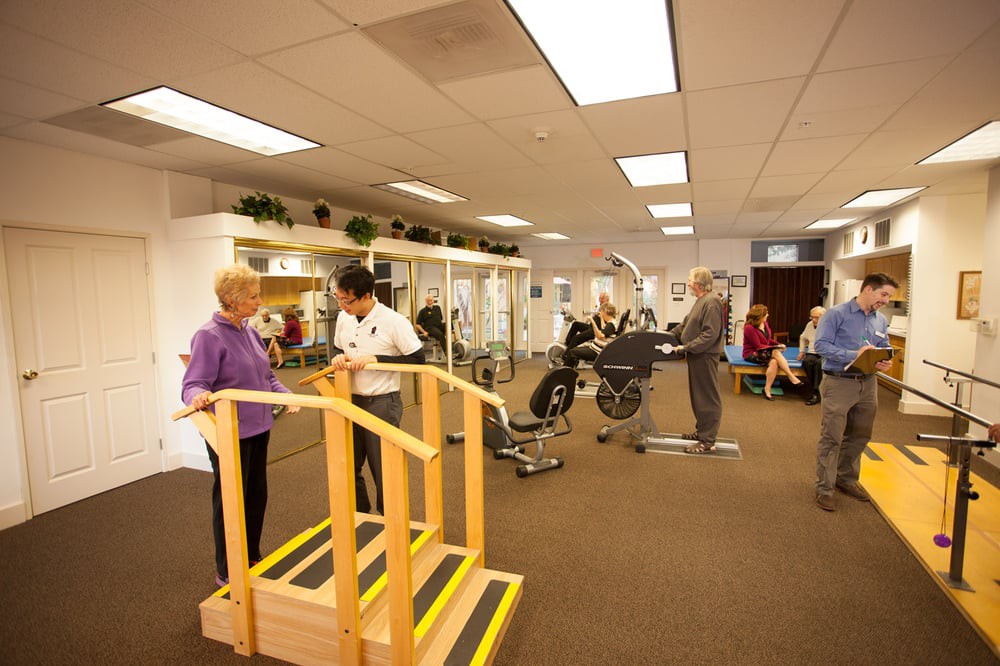
Reviewers highlight clinical support such as medication management and professional nursing care. A few families also point to therapy being available on-site when mobility or recovery needs come up. The community offers ambulatory care, medication management, and physical therapy as part of its care services, aligning with what residents and families describe.
common6 reviews mention this
Activities, gardens, and daily life
Daily activities and outdoor spaces are a repeated theme.
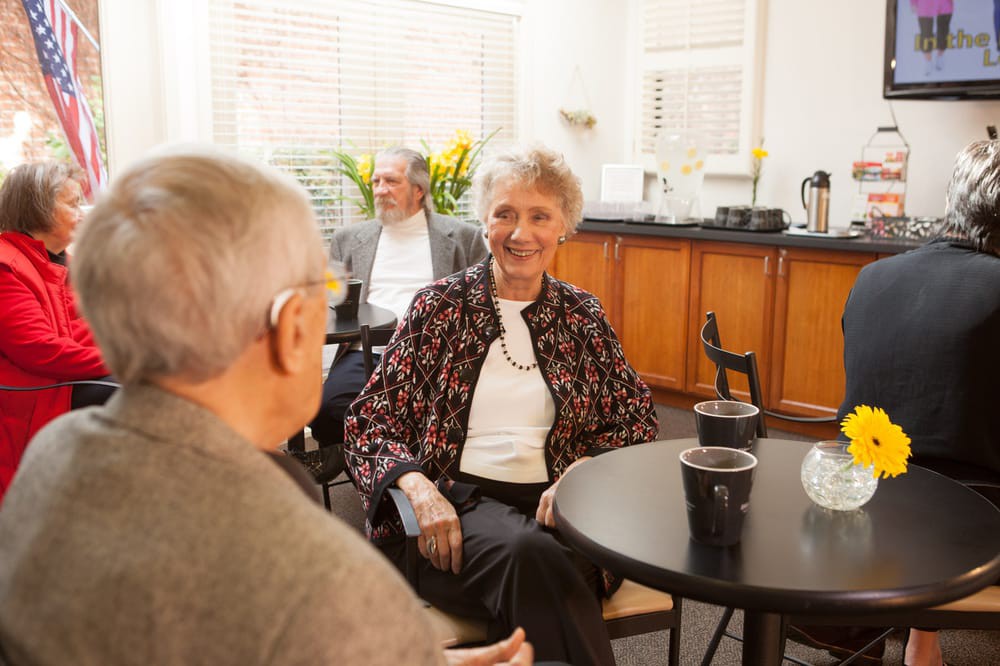
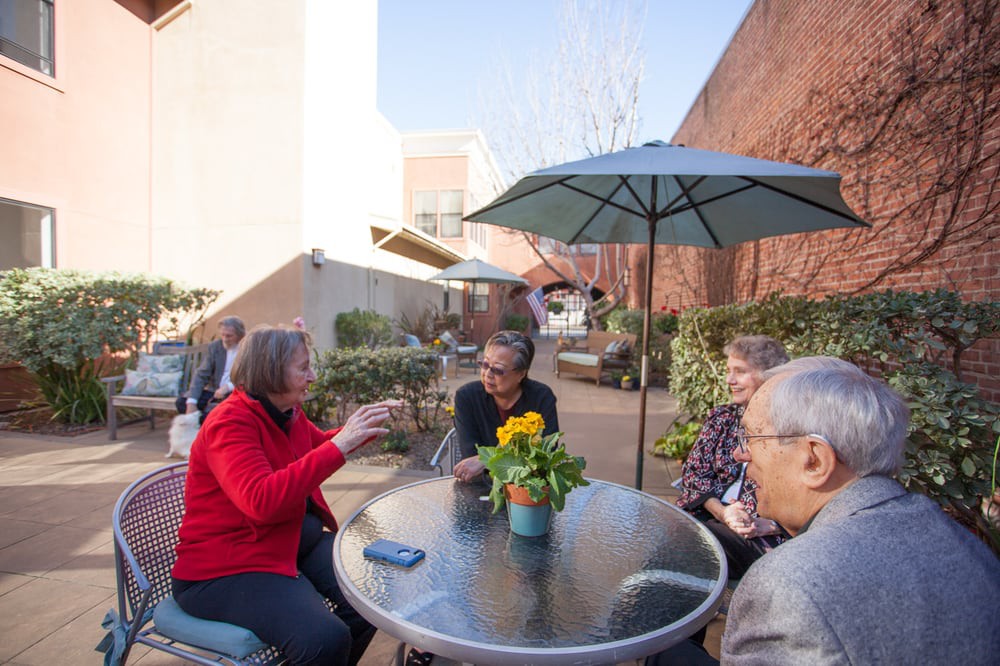
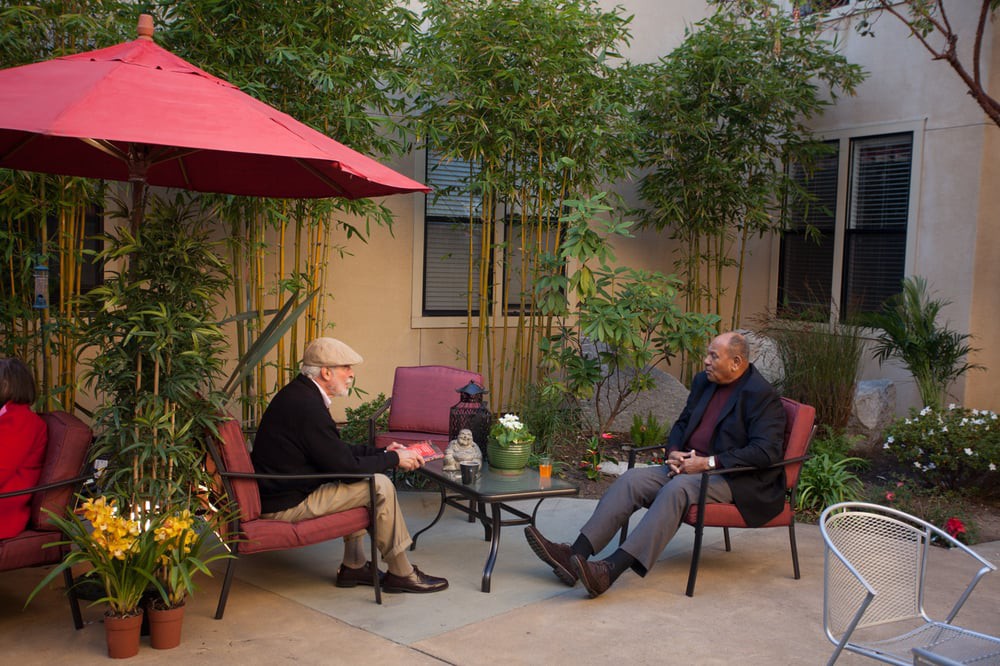
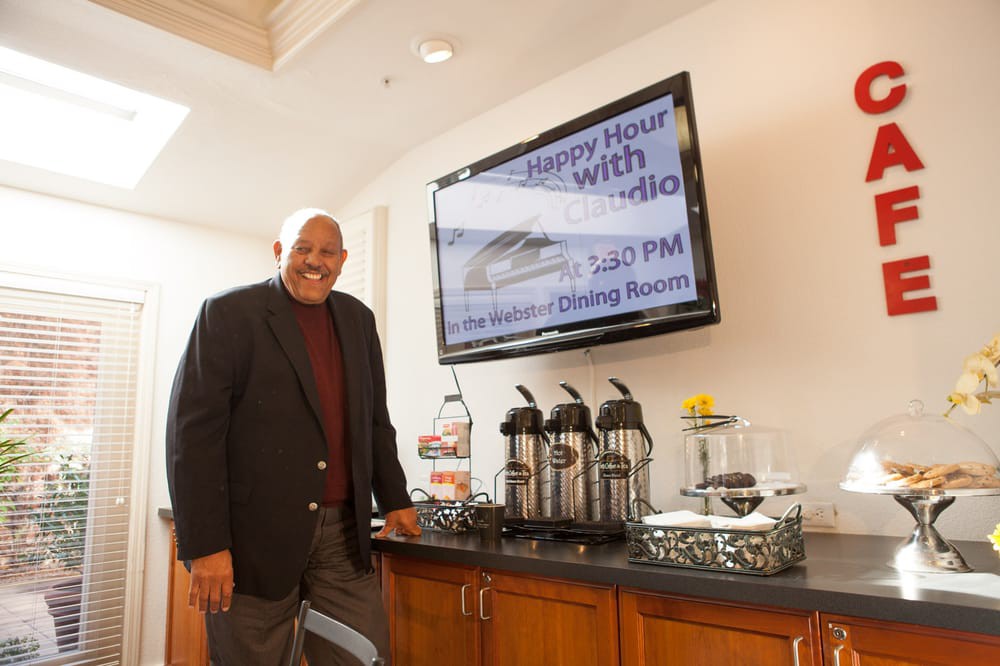
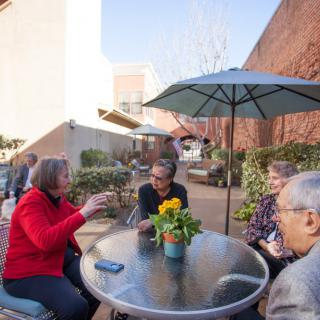
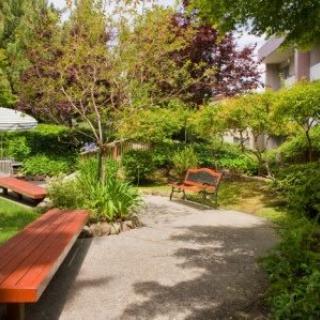
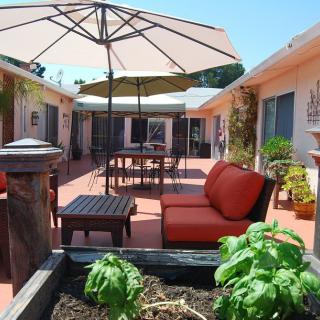
Multiple reviewers mention a steady stream of activities, from music and bingo to yoga and other scheduled options. Families also point to on-site gathering spaces such as an activity room and a cafe, plus outdoor garden patios and multiple courtyards. A monthly calendar of events is mentioned as helping residents stay connected to daily entertainment. One reviewer also contrasts the pace as simpler than a different community they visited, but still notes the presence of social activities and an interior garden.
common14 reviews mention this
Clean, safe, and communication-focused
Reviewers consistently describe a clean, safe environment and strong communication.
Cleanliness and safety come up repeatedly, with reviewers describing a comfortable setting for residents and a place that feels managed and welcoming. Families also mention communication as a key strength, including quick responses to questions and staff keeping relatives informed. During COVID-era restrictions, reviewers describe additional steps to maintain contact and keep residents safe, such as remote visiting options. At least one reviewer also reports feeling supported through day-to-day coordination by administrators and the care team.
caveat1 reviews mention this
Pricing feels high to some
One reviewer flags that pricing can feel high.
A reviewer says the community is a little bit high in price for their situation, while still describing it as clean, quiet, and comfortable. The reviewer frames the main tradeoff as cost rather than care quality or day-to-day experience. Pricing ranges also vary by unit type, with listed studio pricing showing a larger gap versus county and state benchmarks.
How we summarize
Counts show how many written reviews mention each theme; a review can touch several themes, and only frequently mentioned themes are displayed.
Features
Housing
1-bedroom apartments
Studio apartments
Types of Care
Assisted Living
Memory Care
Skilled Nursing Facility
Pets
Cats allowed
Dogs allowed
Amenities
Activities on-site
Beautician on-site
Devotional services off-site
Dining room
Garden
Housekeeping services
Indoor common areas
Laundry
Transportation
Metropolitan Oakland International (5 miles away)
San Francisco International (12 miles away)
Care Services
Ambulatory care
Medication management
Physical therapy
Dining
Meals provided
Activities
Activities off-site
Activities on-site
Devotional activities offsite
Languages Spoken
English
Nearby Places of Interest
This part of Alameda, California, offers a variety of amenities that cater to seniors looking for convenient and accessible living. With several pharmacies such as Walgreens and CVS nearby, accessing necessary medications is hassle-free. The neighborhood also boasts a diverse selection of restaurants ranging from In-N-Out Burger to Nido’s Backyard, providing plenty of dining options for every palate. For those who enjoy outdoor activities, there are several parks in close proximity, including Alameda Dog Park and Mosswood Park, ideal for leisurely strolls or picnics. Additionally, transportation options like the Lake Merritt BART Station and hospitals like Highland Hospital are easily accessible, ensuring seniors have convenient access to healthcare services when needed. Overall, this area in Alameda provides a well-rounded and accommodating environment for seniors seeking a comfortable and vibrant community to call home.
Pharmacies
Walgreens (0.2 miles)
CVS Pharmacy (0.6 miles)
CVS Pharmacy (0.8 miles)
Walgreens (1.9 miles)
Harborside Health Center (1.9 miles)
CVS Pharmacy (2 miles)
Walgreens (2 miles)
Restaurants
In-N-Out Burger (0.5 miles)
Nido’s Backyard (1.2 miles)
Jack London Square (1.3 miles)
Almanac Beer Co. Barrel House & Taproom (1.3 miles)
Original Pattern Brewing Company (1.4 miles)
Seawolf (1.4 miles)
Drake's Dealership (2.5 miles)
Parks
Alameda Dog Park (0.8 miles)
Alco Park (1.8 miles)
Snow Park (2.2 miles)
Lincoln Park (2.8 miles)
Shoreline Park (2.9 miles)
Mosswood Park & Recreation Center (3.4 miles)
Morcom Rose Garden (3.4 miles)
Cafes
Bicycle Coffee (1.3 miles)
Blue Bottle Coffee (4 miles)
Highwire Coffee Roasters (4.8 miles)
Caffe Strada (6.5 miles)
Andytown Coffee Roasters (6.5 miles)
Sightglass Coffee (7.2 miles)
Transportation
Lake Merritt BART Station (1.5 miles)
West Oakland BART Station (2.2 miles)
Fruitvale BART Station (2.9 miles)
20/21 Bus Stop (3.6 miles)
MacArthur BART Station (3.7 miles)
Emeryville Amtrak (4.4 miles)
JSX (5.2 miles)
Hospitals
Highland Hospital (2.9 miles)
Sutter Alta Bates Summit Medical Center: Summit Camps (3.1 miles)
Kaiser OB-GYN (3.5 miles)
Kaiser Permanente Oakland Medical Center (3.5 miles)
Physicians
Kaiser Permanente Medical Center - Mosswood Building (3.3 miles)
One Medical (3.4 miles)
Sutter Urgent Care: Sutter East Bay Medical Foundation (6 miles)
Elders Inn offers competitive pricing for its residents, with semi-private rooms available at $3,171 per month, which is slightly below the average cost of $3,273 in Alameda County and $3,333 across California. For those seeking more privacy, the studio apartments at Elders Inn are priced at $4,037 per month. While this is higher than the state average of $4,145, it remains lower than the county average of $4,532. Overall, Elders Inn provides a commendable balance of affordability and quality care within the broader context of regional pricing for similar accommodations.
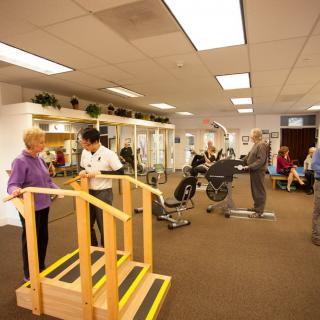
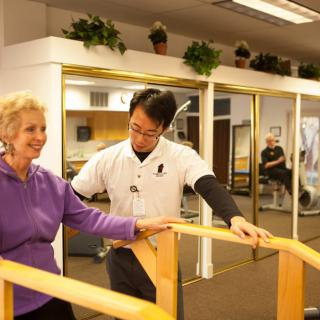
Elders Inn's medication management ensures that residents receive the correct medications at the appropriate times, which is crucial for maintaining their overall health and mitigating behavioral symptoms often associated with dementia and Alzheimer's disease. This systematic approach reduces the risk of missed doses or incorrect medication combinations, fostering a sense of security for both residents and their families. Additionally, physical therapy plays a vital role in enhancing mobility, strength, and coordination among residents, which can contribute to improved cognitive function and overall well-being. Engaging in tailored physical therapy routines not only helps manage physical limitations but also offers social interaction and cognitive stimulation, creating an environment where residents feel supported and engaged in their daily lives. Together, these features promote a holistic care approach that addresses both the physical and mental needs of individuals living with memory impairments.
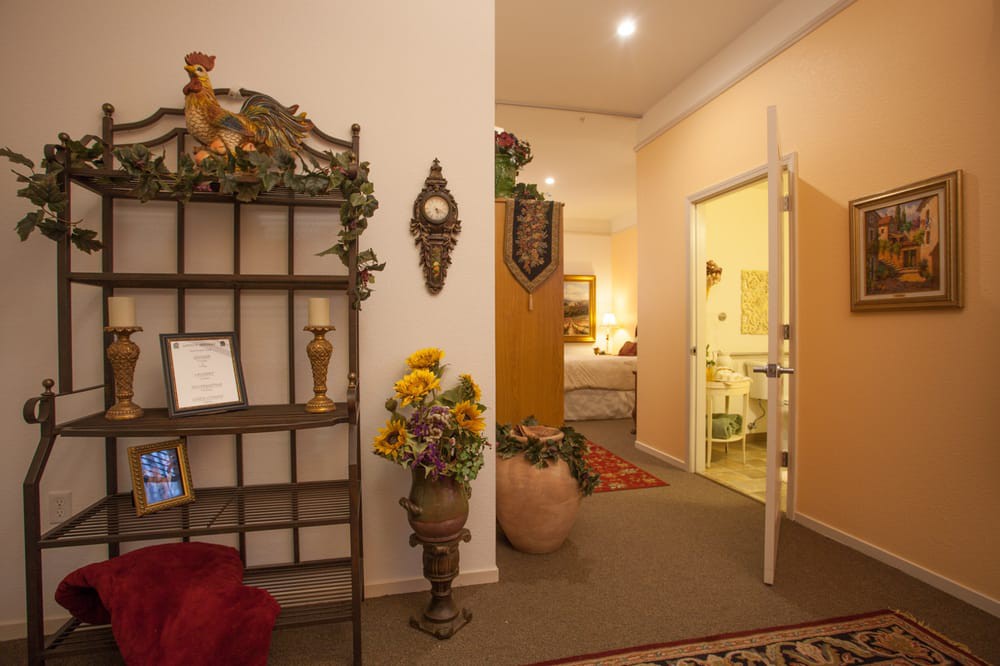
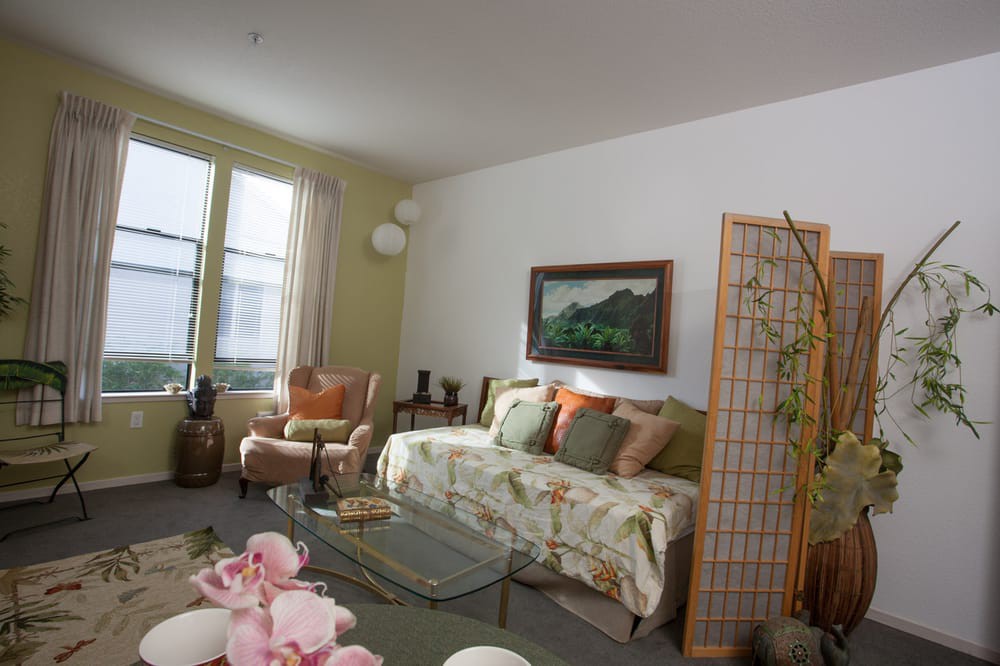
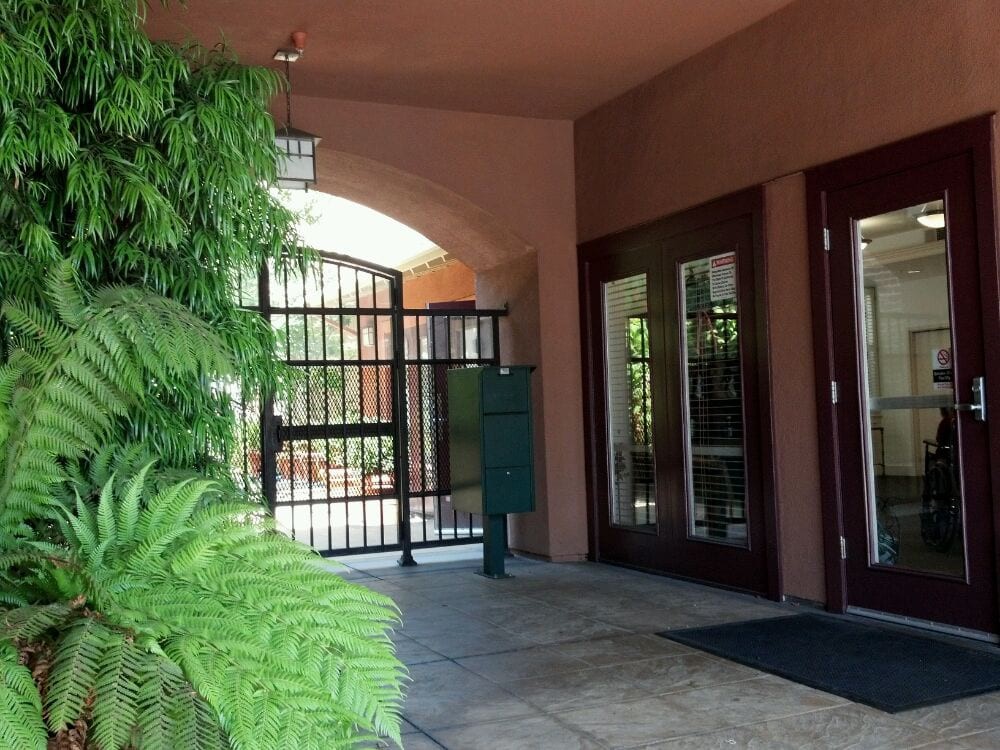
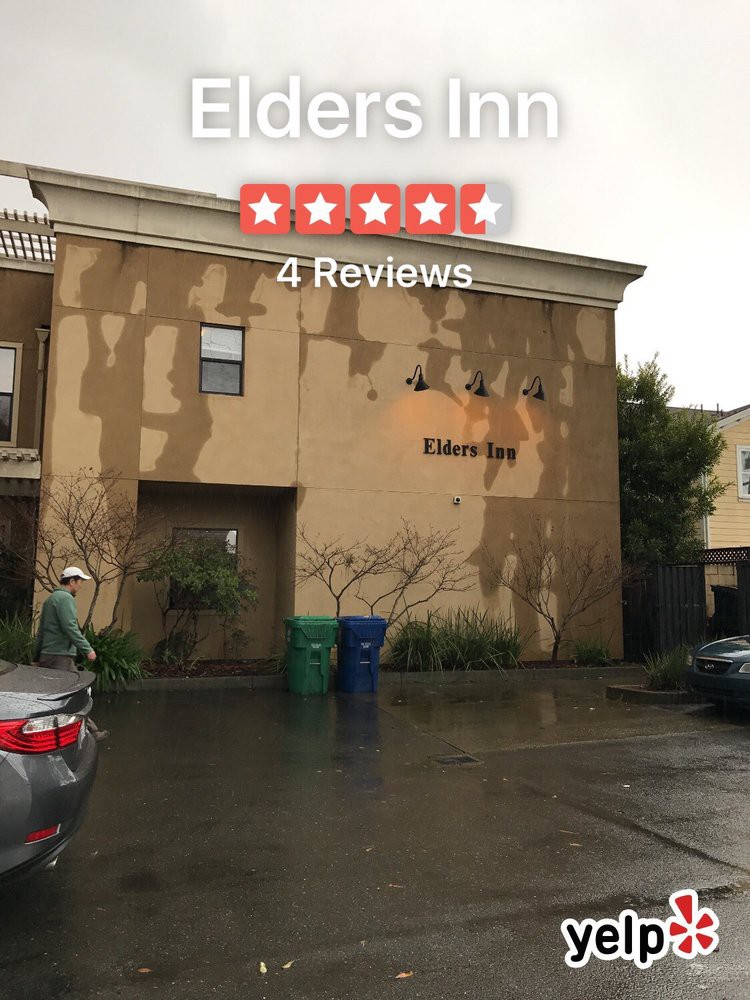
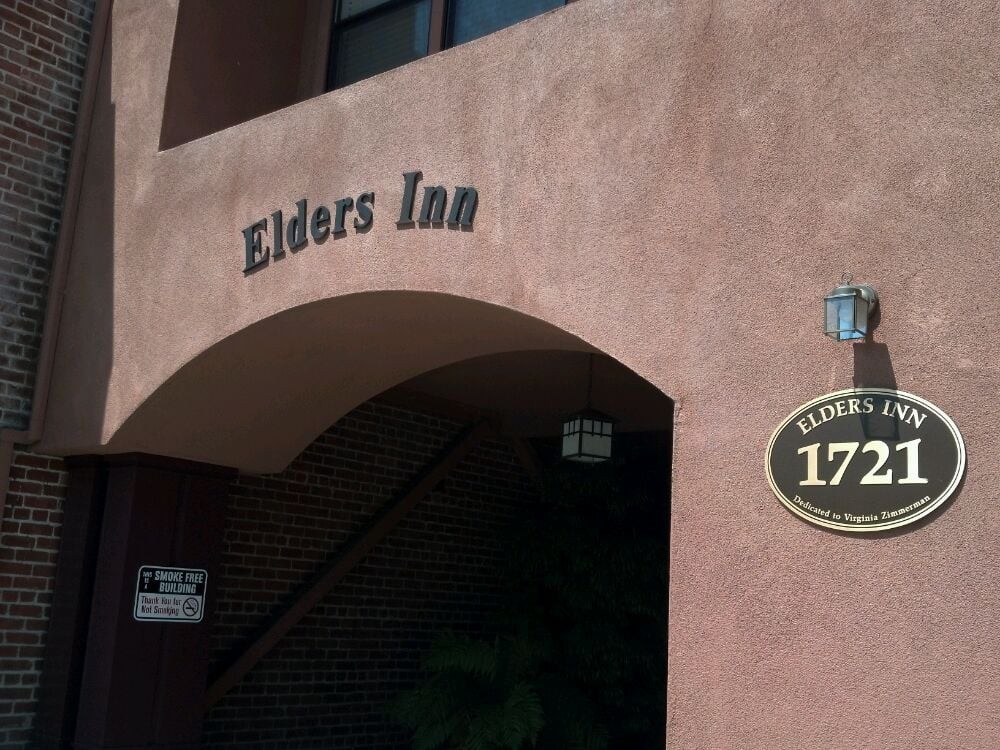
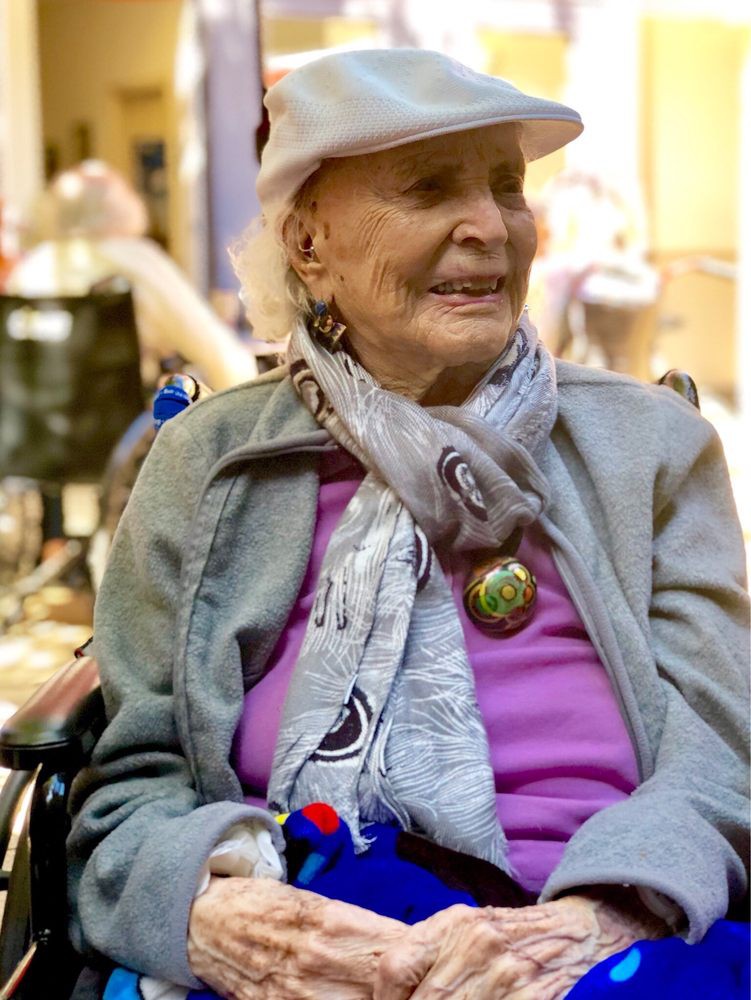
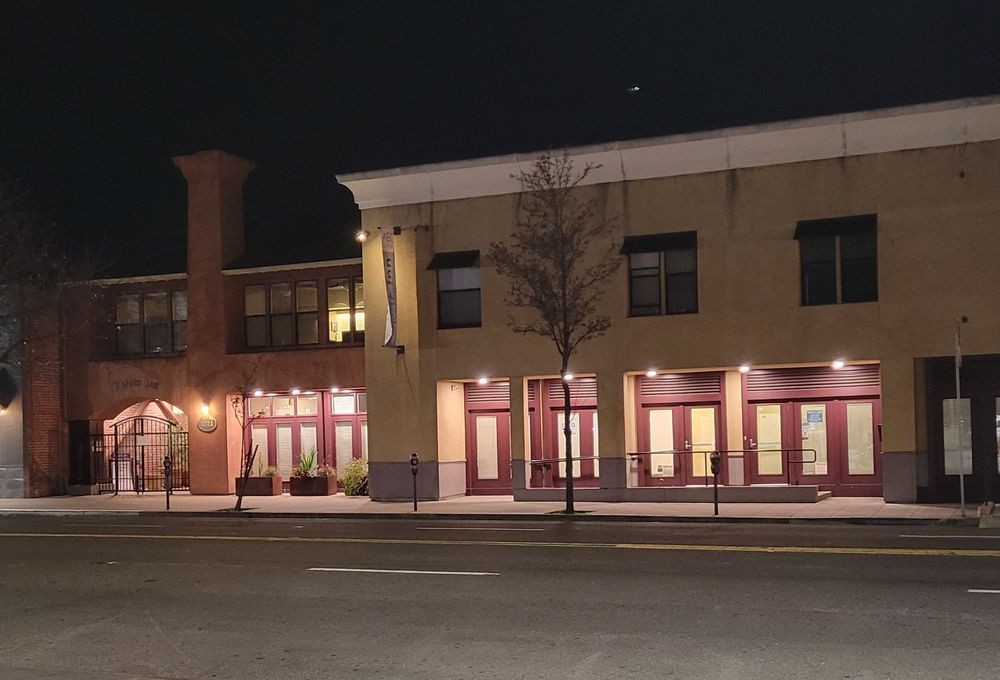
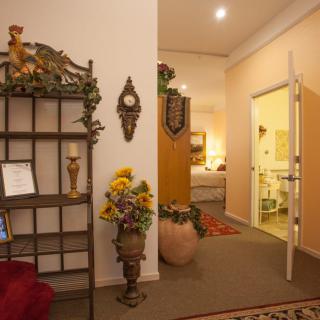
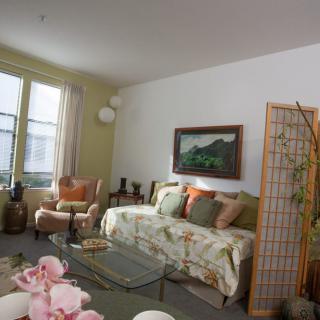
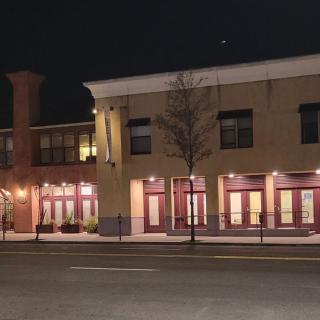
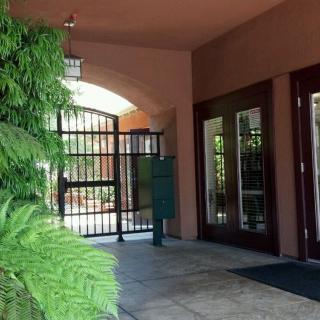
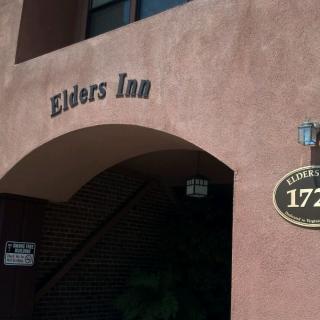
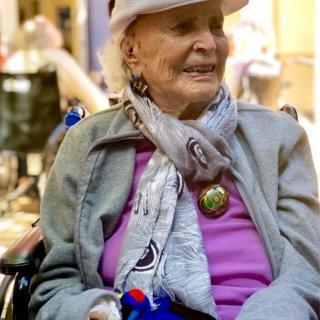
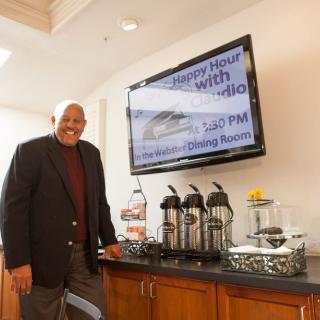
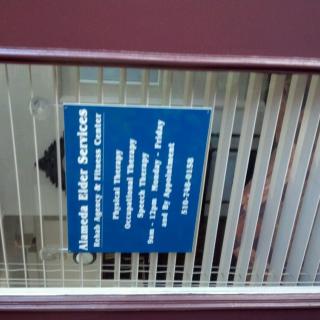
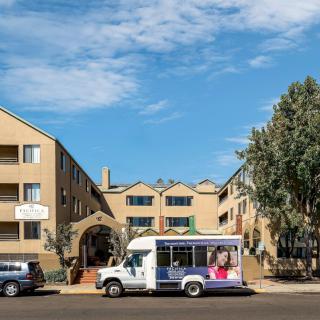
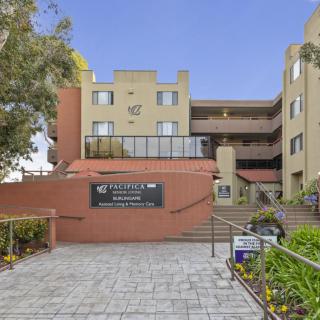
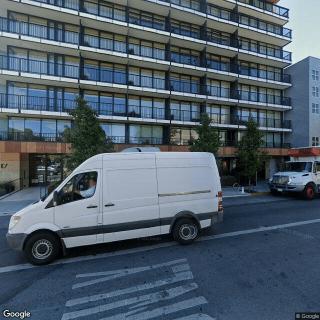
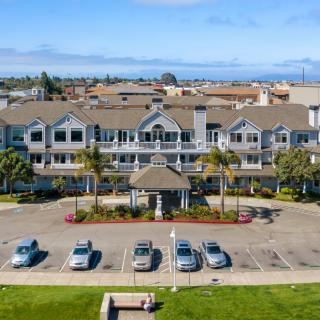
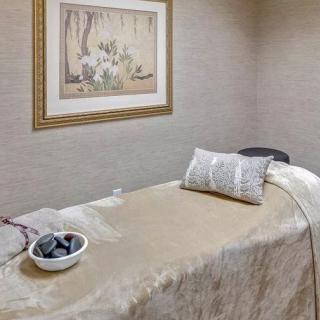
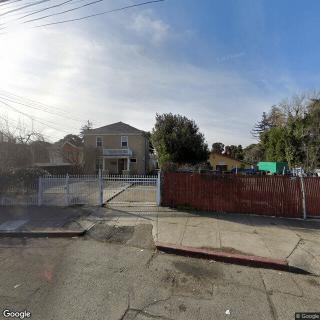
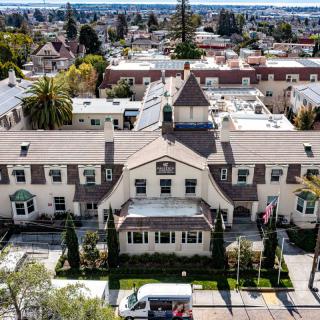
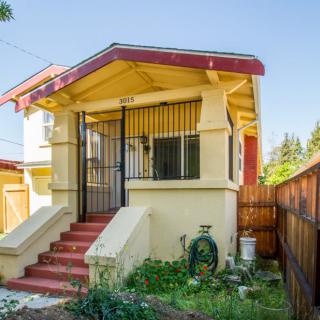
Elders Inn on seniors.fyi includes 18 photos including images showing interior, outdoor, building, decor, patio, coffee station, physical therapy, rehabilitation, and more.
Nearby Communities
Elders Inn On Webster
Alameda, CA
4.4 from 33 reviews
Clean, well-maintained facility with beautiful courtyards and friendly, attentive staff.
Bay Harbour Care Home
Alameda, CA
1.8 from 8 reviews
$3,250 / month
Warm, home-like environment with regular visitation and open communication.
Oakmont of Cardinal Point, a CCRC
Alameda, CA
4.5 from 10 reviews
$3,300 to $7,695 / month
Competent, caring staff with strong dining and activity options in an attractive, well-maintained setting.
Crown Bay Nursing And Rehabilitation Center
Alameda, CA
2.4 from 27 reviews
Comprehensive care with on-site amenities and transportation
Oakmont of Mariner Point
Alameda, CA
4.2 from 82 reviews
$6,195 to $10,995 / month
Beautiful, well-maintained facility with water views, clean surroundings, and engaging activities led by friendly staff.
Cardinal Point
Alameda, CA
4.7 from 45 reviews
Resort-like facility with friendly staff, beautiful grounds, and restaurant-style dining.
Fruitvale Healthcare Center
Oakland, CA
2.7 from 34 reviews
Extensive amenities and 24/7 care with restaurant-style dining.
Pacifica Senior Living Oakland Heights
Oakland, CA
4.2 from 152 reviews
$3,500 to $5,400 / month
Friendly staff and clean, well-maintained facilities.
Sundown syndrome, or sundowning, is a phenomenon in dementia patients characterized by increased confusion and agitation during late afternoon and evening, influenced by factors like disrupted circadian rhythms and fatigue. Effective caregiver strategies include establishing routines and managing environmental light while addressing caregiver stress through support services.
Delirium is a rapidly onset, reversible cognitive disturbance often caused by acute medical issues, while dementia is a gradual and irreversible decline due to chronic neurodegenerative diseases. Accurate differentiation between the two is essential for appropriate treatment and management in older adults.
Dementia, including Alzheimer’s disease, is often mischaracterized in terms of lethality as it leads to complications that can be fatal rather than being a direct cause of death; it causes a progressive decline in cognitive and physical health, making patients vulnerable to infections and other health crises. Effective management of nutrition, hydration, and communication is crucial in patient care, with palliative care becoming vital in advanced stages to enhance comfort and quality of life while caregivers play a key role amidst the challenges posed by the disease.
Get PricingAsk A QuestionSchedule A TourContact Senior Advisor
By clicking submit, you agree to our Partner's Terms of Use. You
also consent to receive calls and texts, which may be autodialed, from our Partner. Your consent is not a condition to
using our Partner's service. Please visit our Partner's Privacy Policy for information about their privacy practices.





 1-bedroom apartments
 Assisted Living
 Memory Care
 Skilled Nursing Facility
 Cats allowed
 Dogs allowed
 Activities on-site
 Beautician on-site
 Devotional services off-site
 Dining room
 Garden
 Housekeeping services
 Indoor common areas
 Laundry
 Metropolitan Oakland International (5 miles away)
 Ambulatory care
 Medication management
 Physical therapy
 Meals provided
 English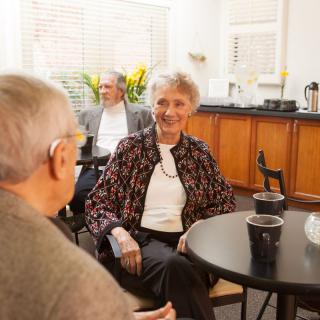
 Clean, well-maintained facility with beautiful courtyards and friendly, attentive staff.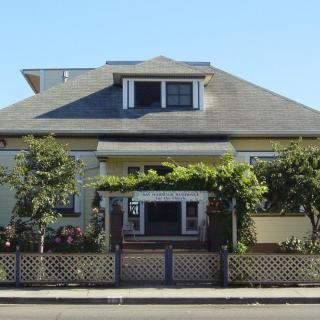

 Comprehending Evening Confusion in Dementia: Causes, Manifestations, and Support
 Delirium and Dementia: Unraveling the Key Differences
 Are Dementia and Alzheimer's Disease Lethal? A Comprehensive Exploration