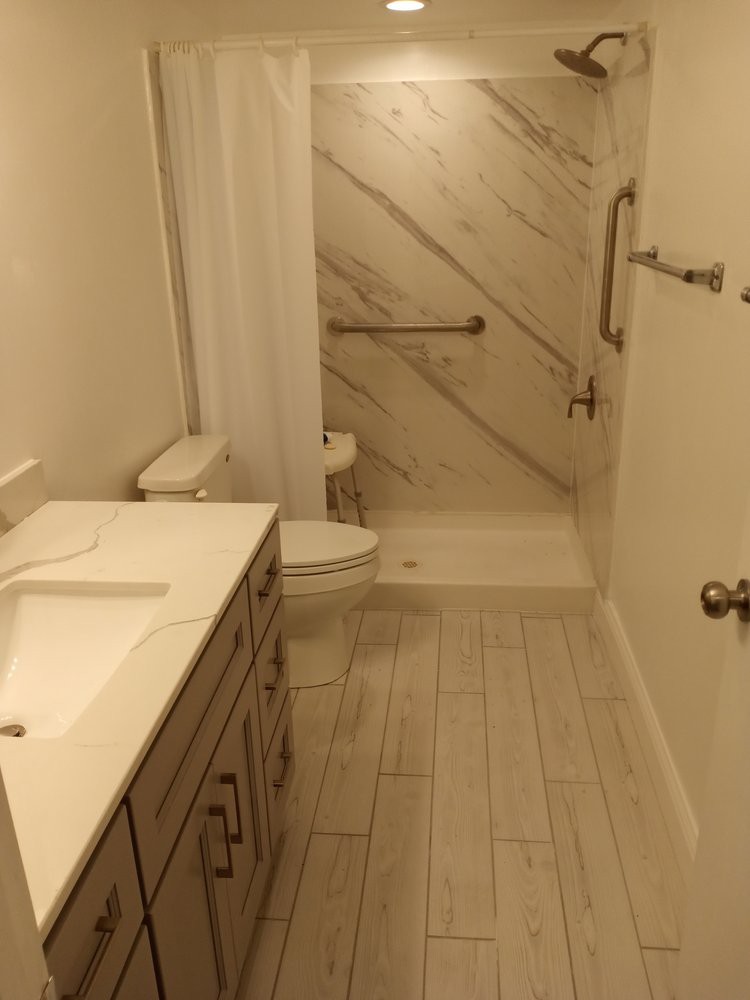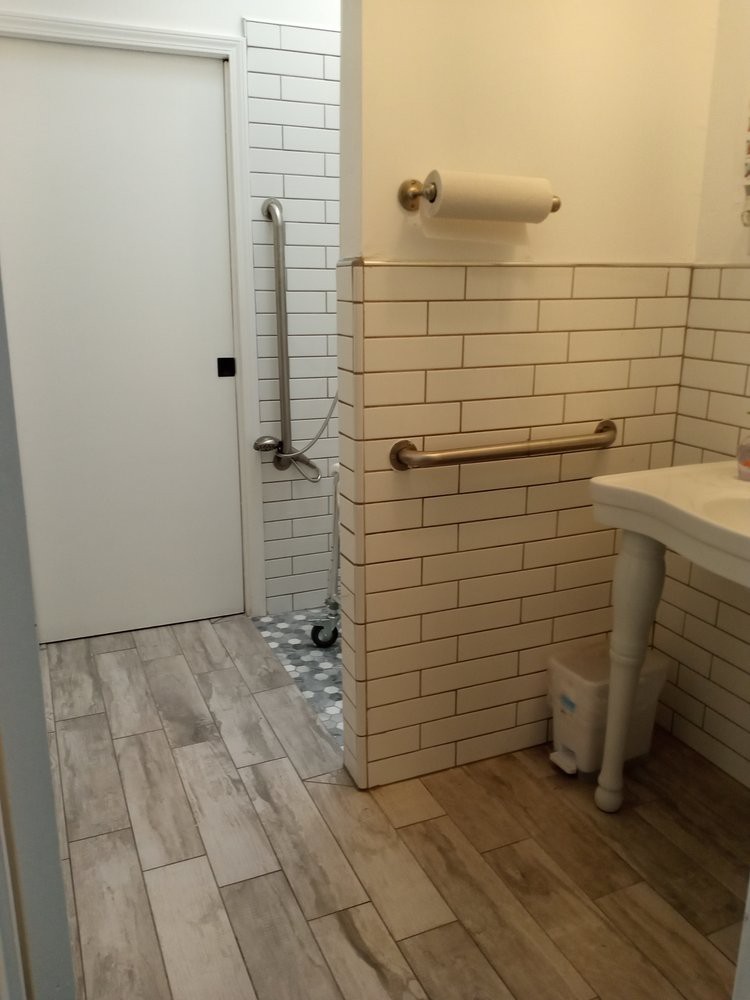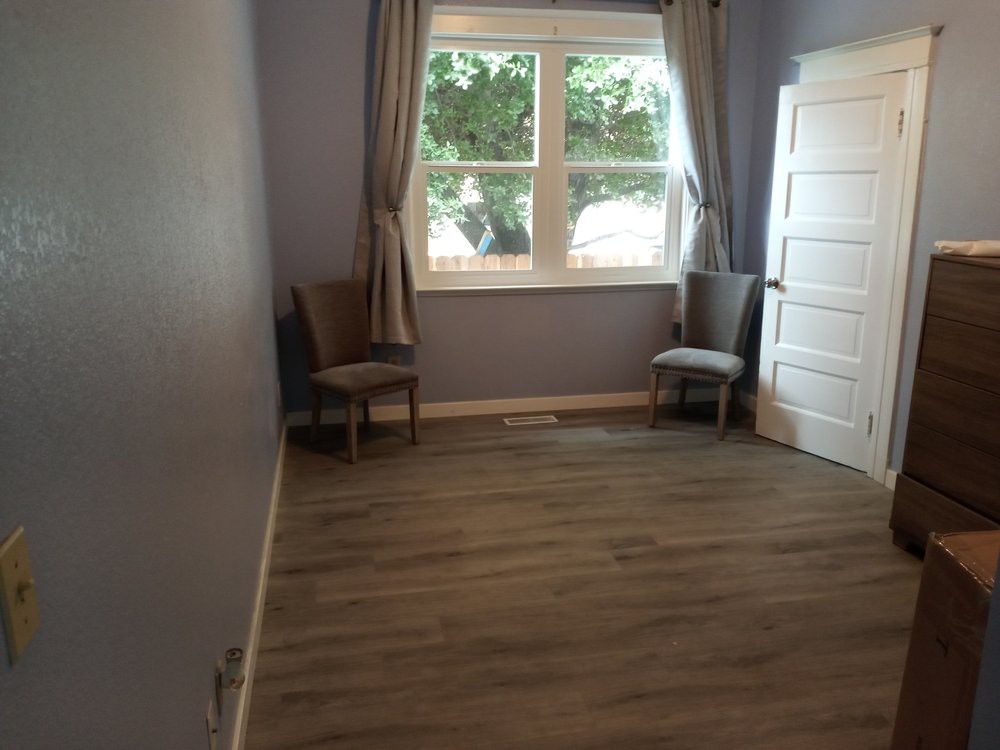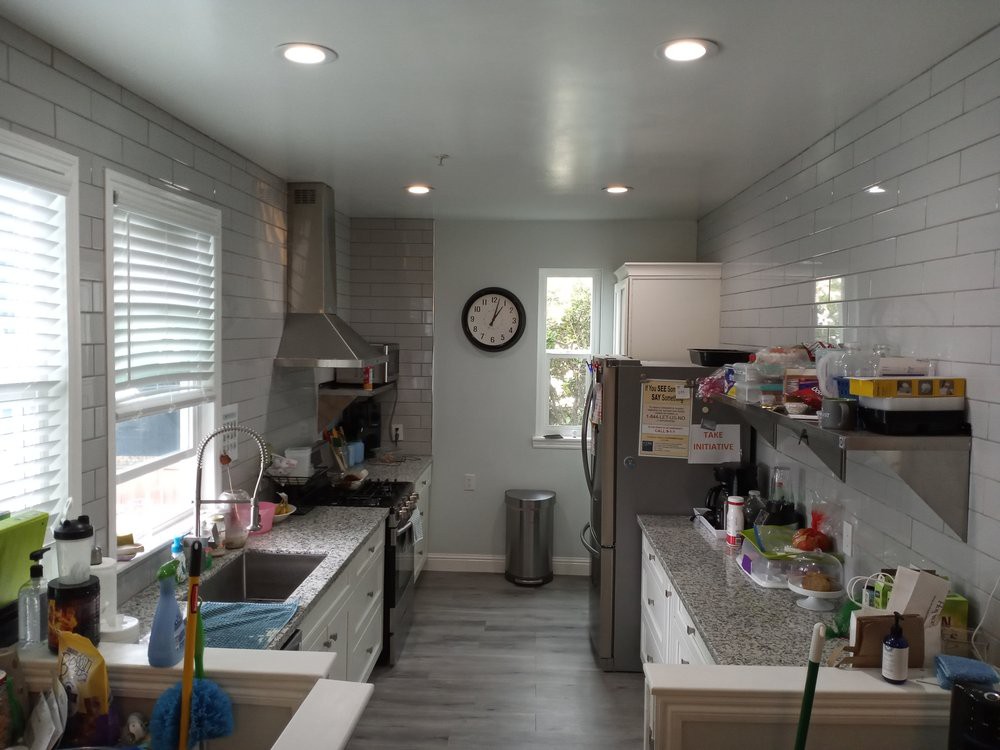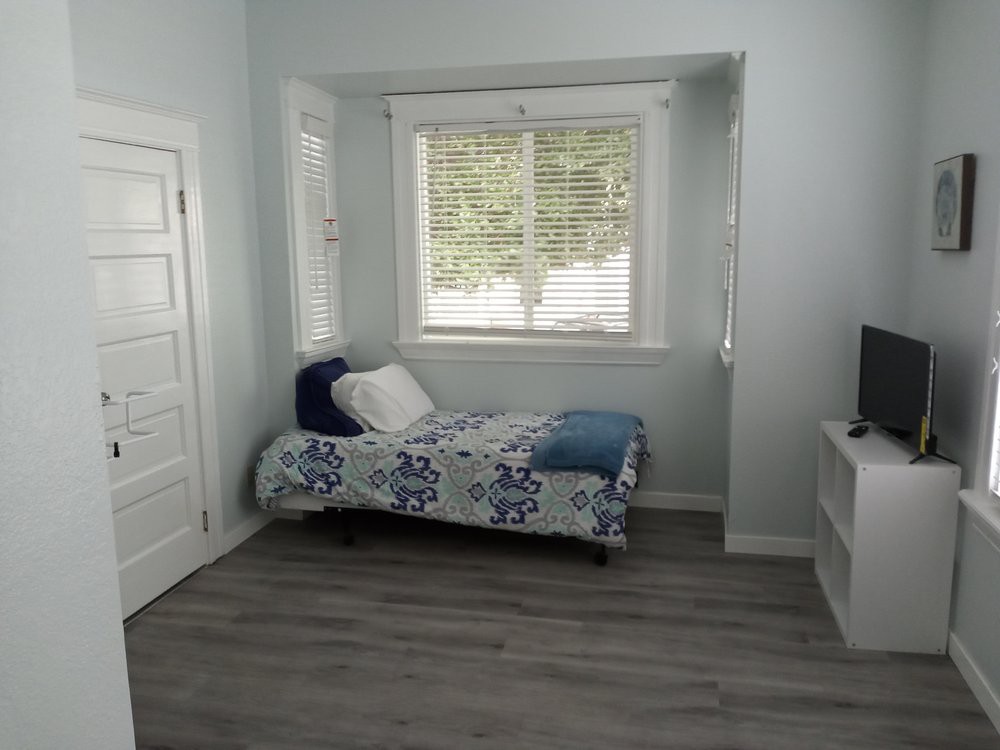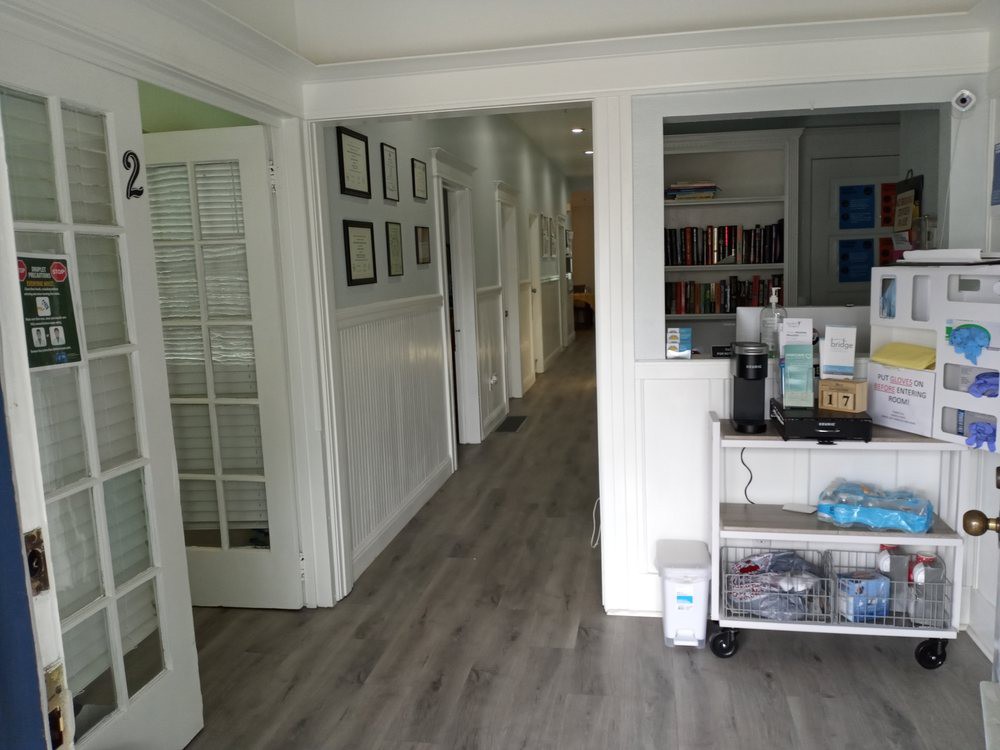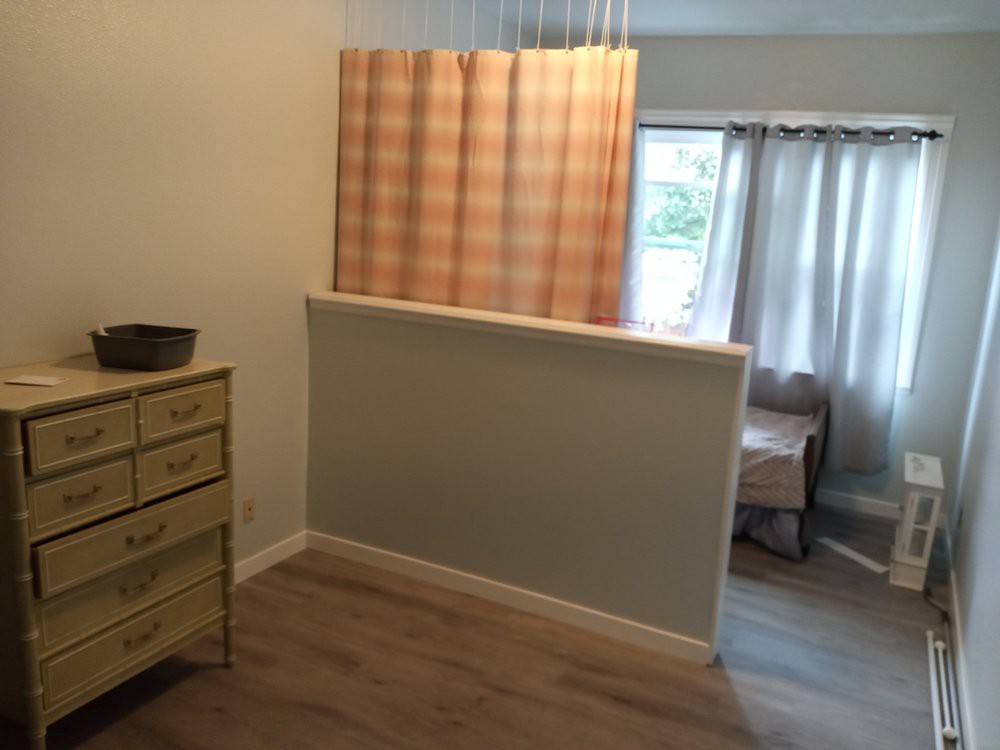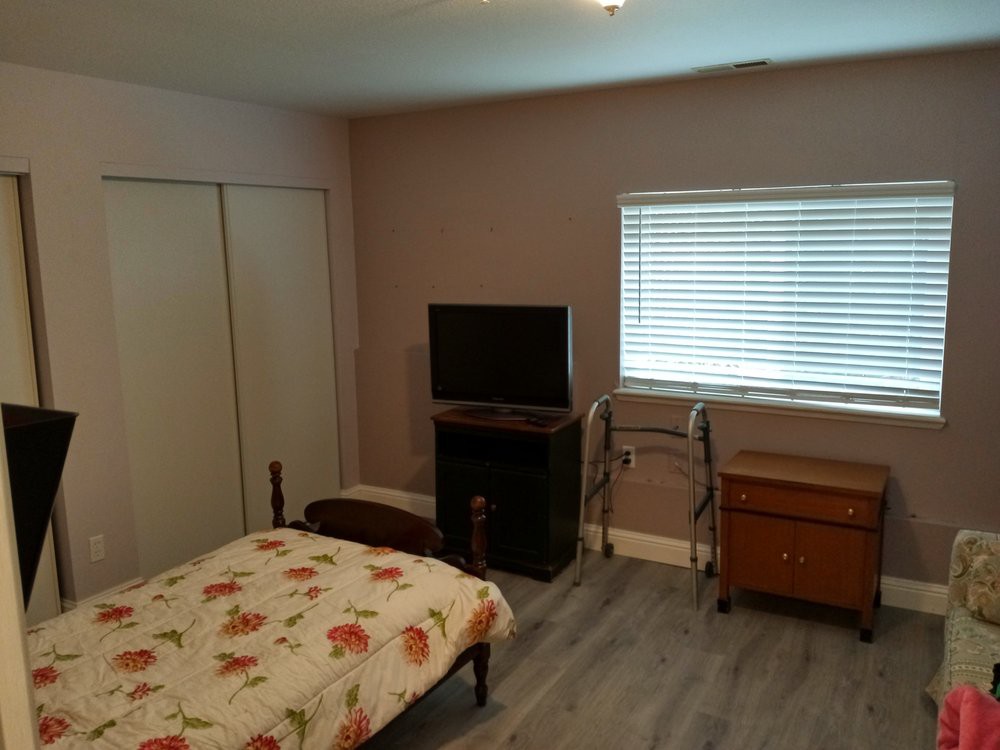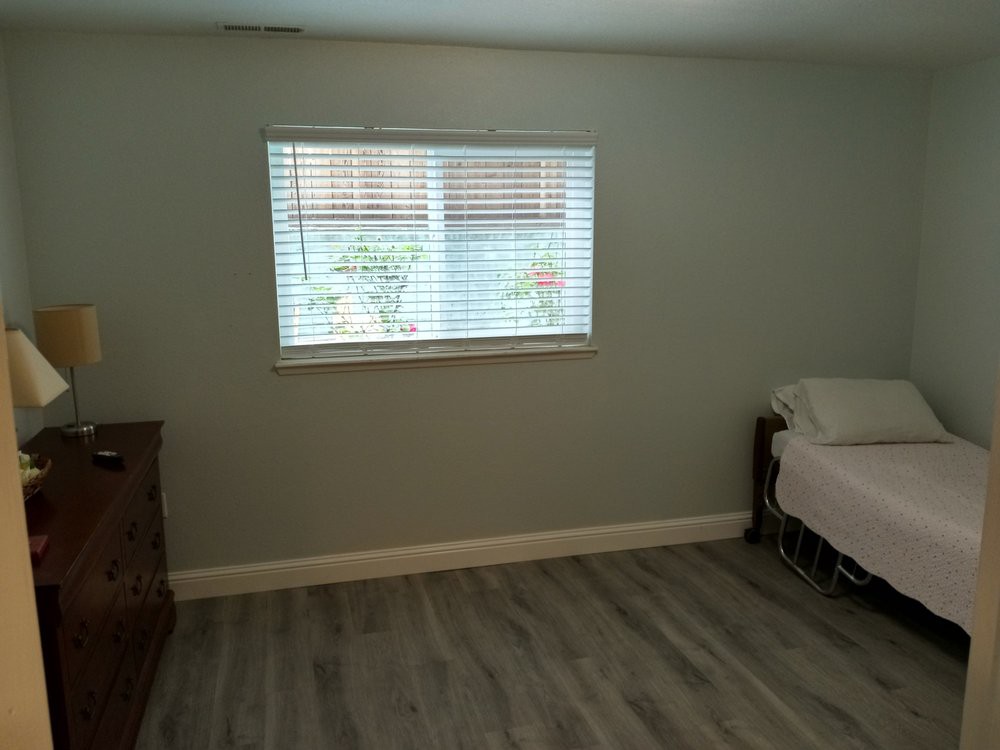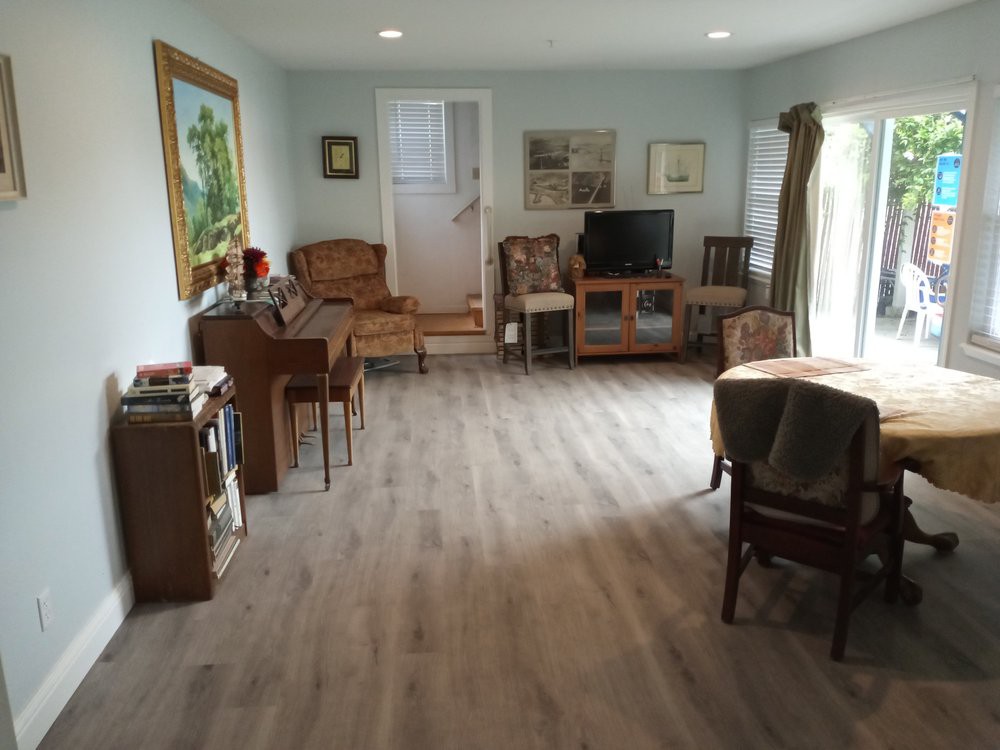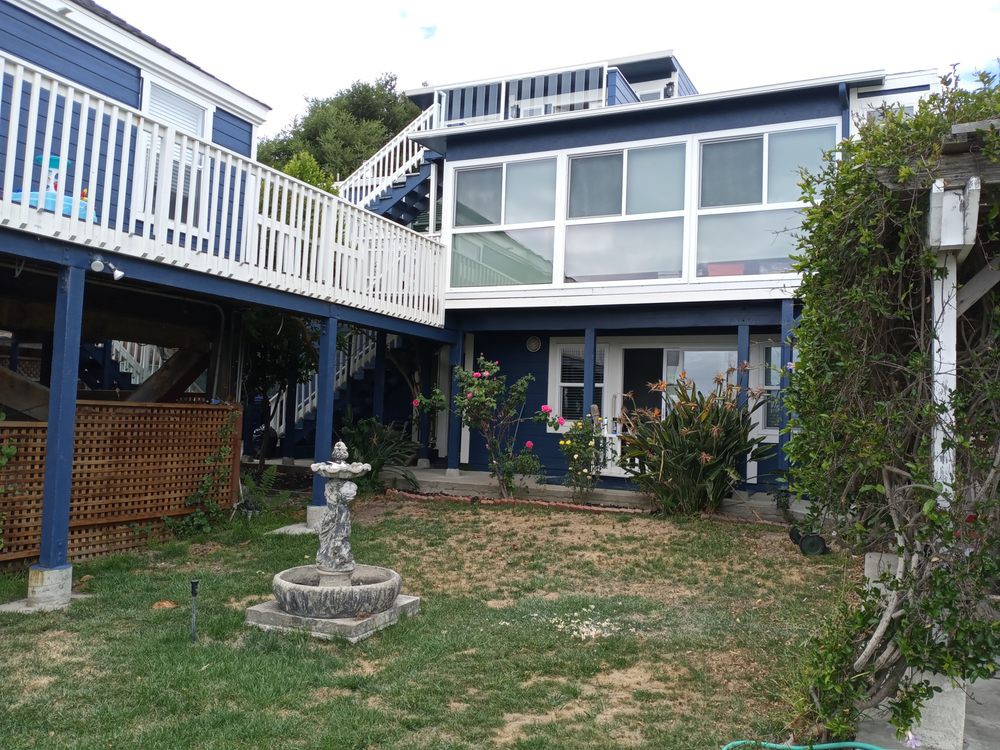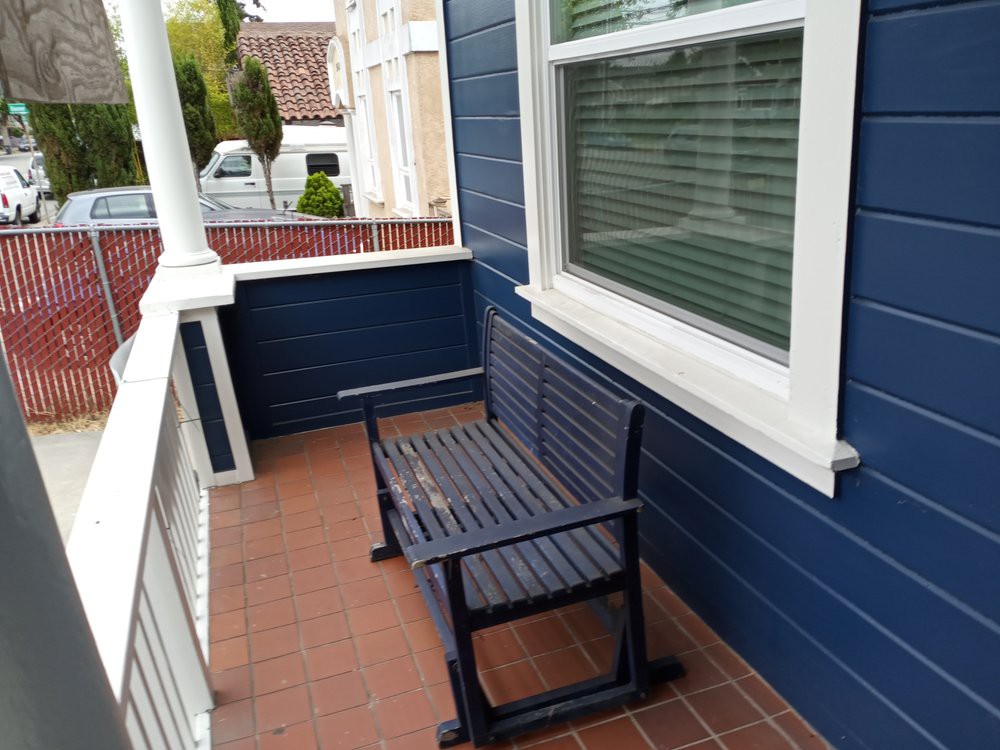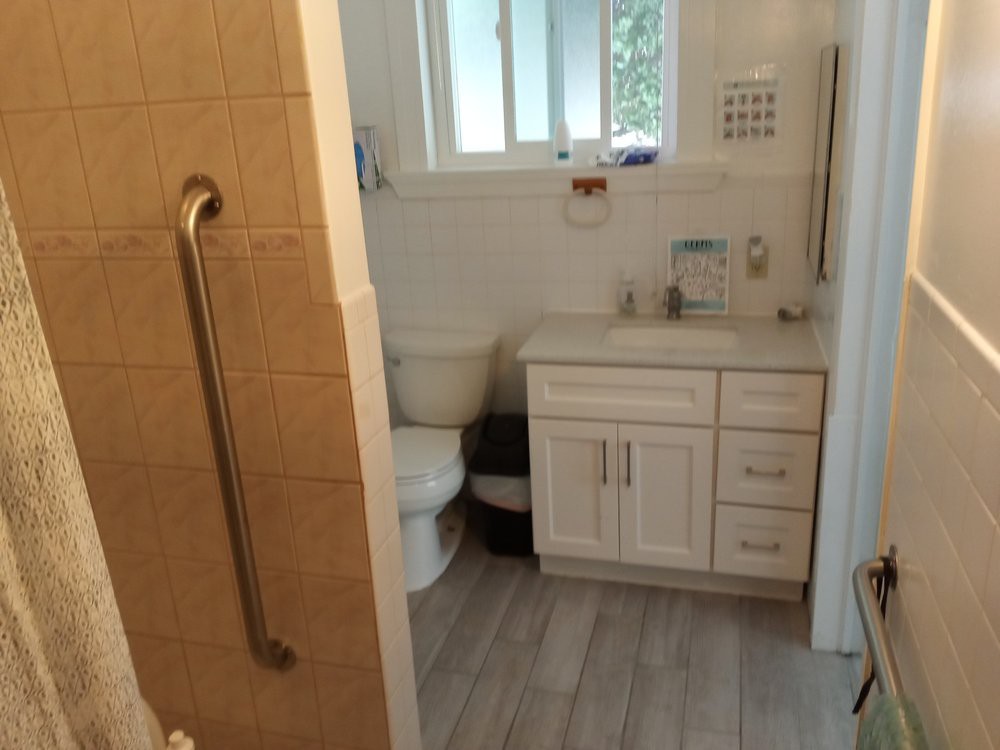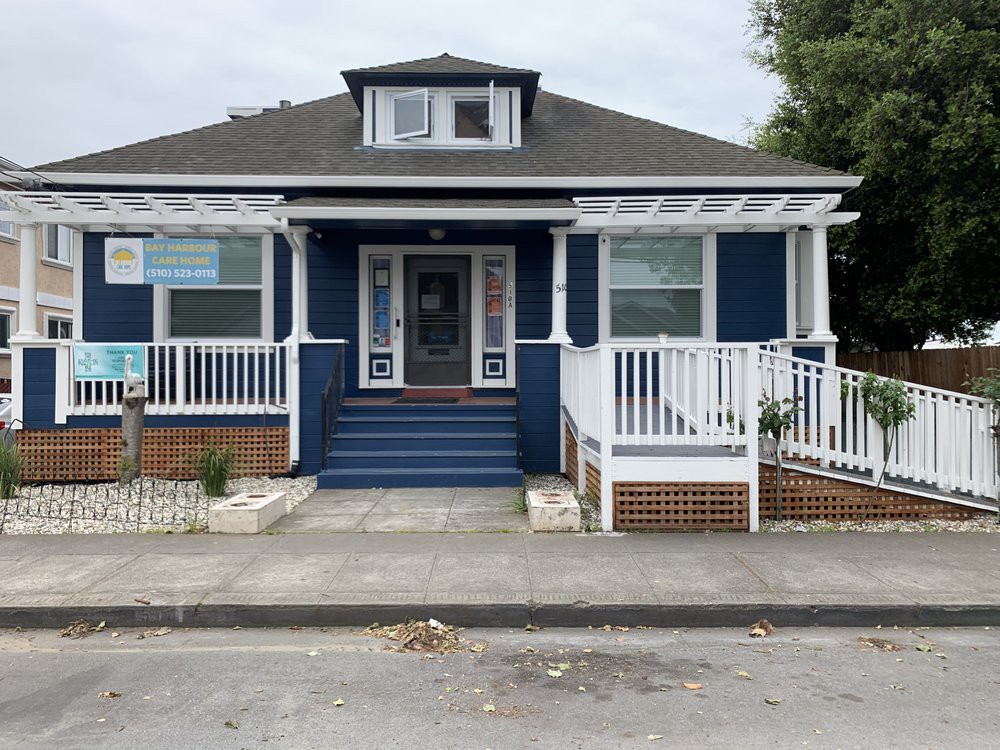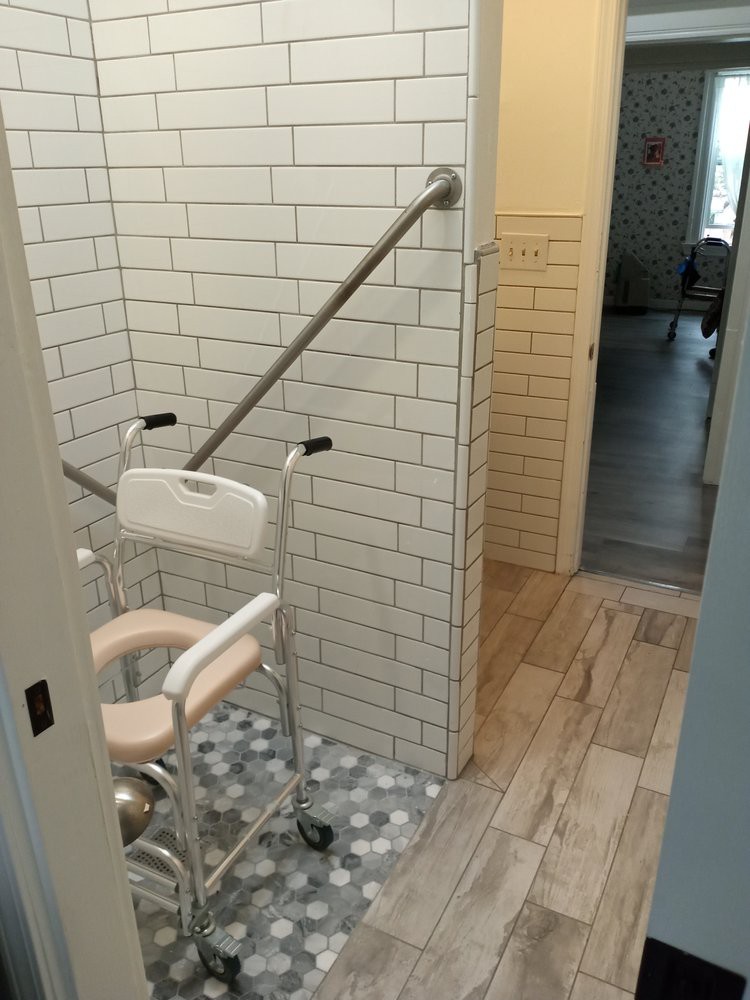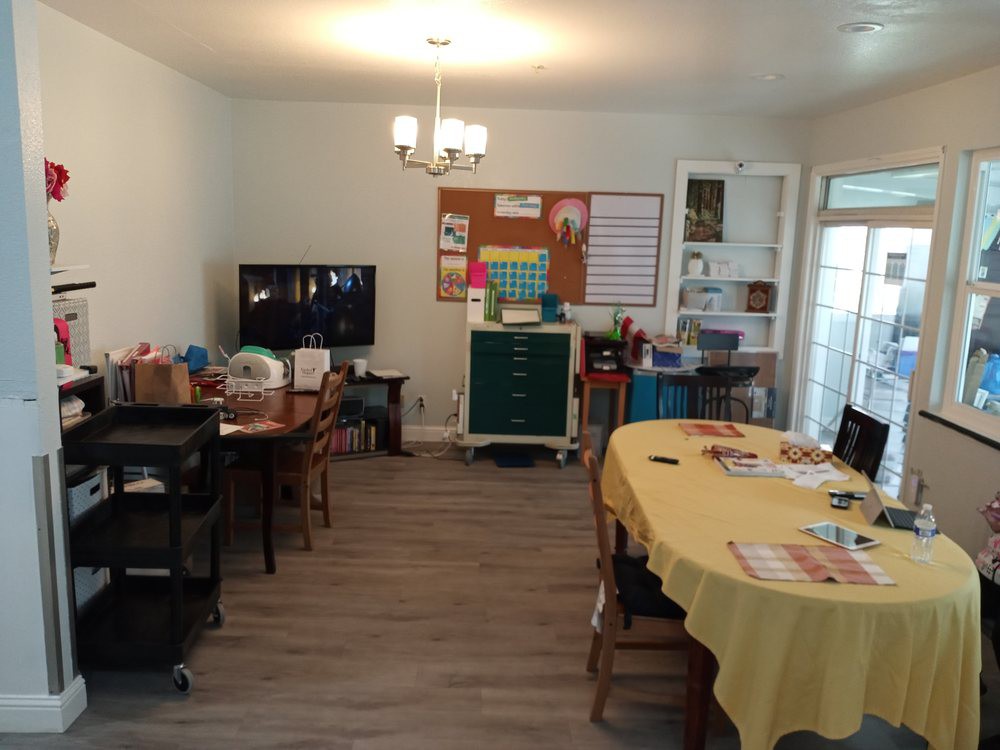


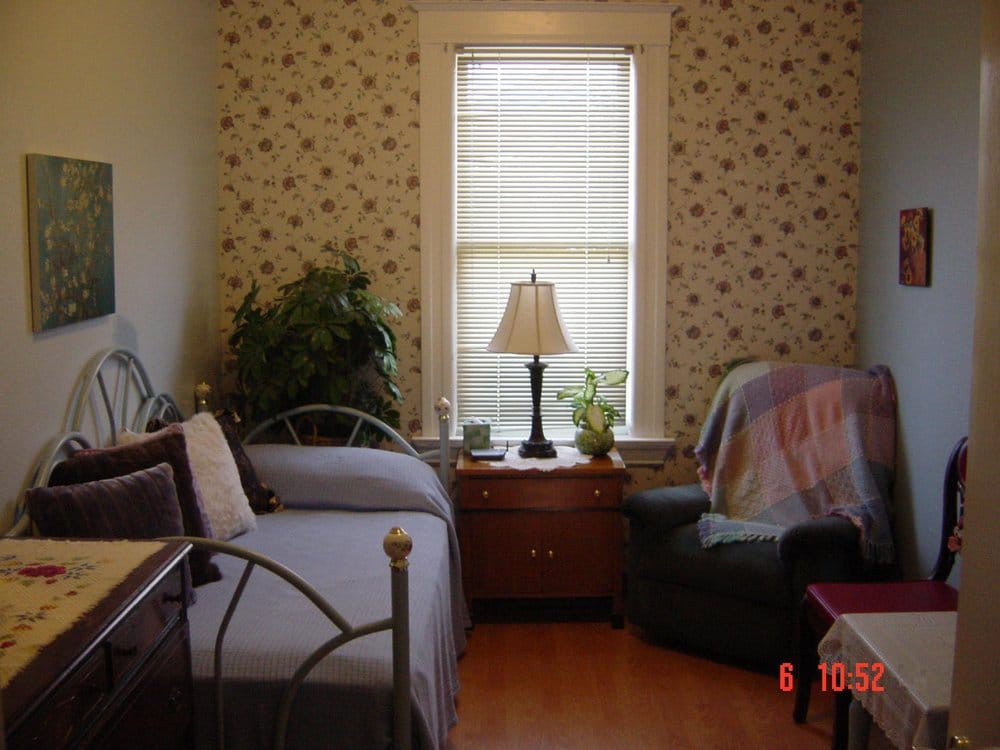



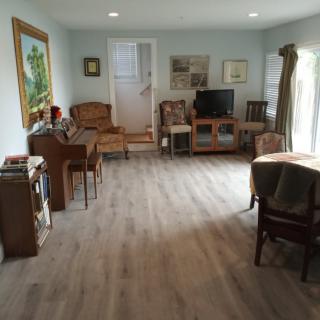





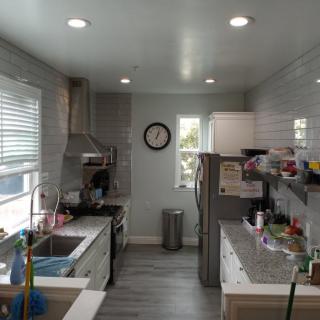

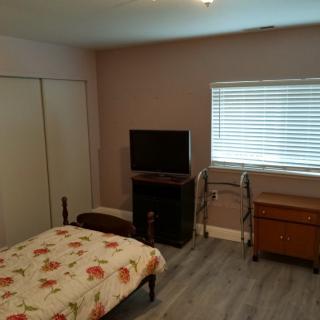


510 Central Avenue, Alameda, CA 94501
For more information about senior living options: (866) 208-4318
Bay Harbour Care Home Costs & Pricing
Bay Harbour Care Home offers competitive pricing for its residents compared to both Alameda County and the broader state of California. For a private room, Bay Harbour charges $3,250 per month, which is notably lower than the county average of $3,748 and the state average of $3,939. Similarly, their semi-private room rate stands at $3,250, which is also more affordable than the Alameda County average of $3,273 and California's average of $3,333. This positions Bay Harbour Care Home as a cost-effective option for families seeking quality care without compromising on comfort or service in a challenging financial landscape.
| Floor plans | Bay Harbour Care Home | Alameda County | California |
|---|---|---|---|
| Private | $3,250 | $3,748 | $3,939 |
| Semi-Private | $3,250 | $3,273 | $3,333 |
Memory care communities with a similar price nearby
-
About the same
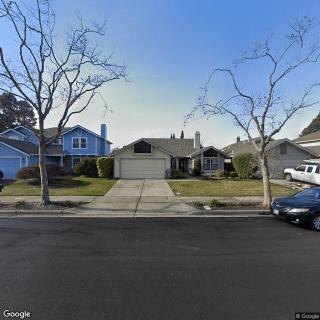
Harbor Bay Assisted Living
$3,195 to $5,000 / month2.4 miles away -
from +$250 / mo
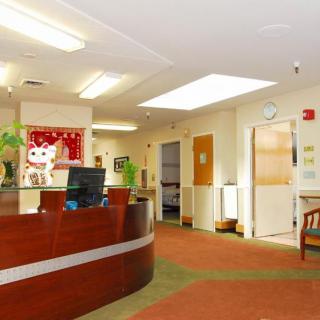
East Bay Assisted Living
$3,500 to $5,000 / month3.3 miles away -
from +$550 / mo

Stamm Care Home 3
$3,800 / month15.1 miles away -
from +$445 / mo

Pacifica Senior Living Burlingame
$3,695 to $6,400 / month13.6 miles away -
from -$450 / mo

Nobis Care Homes
$2,800 to $3,200 / month11.3 miles away
Overall Review of Bay Harbour Care Home
Pros
 The staff and supervisors are fabulous; they are very caring, thoughtful, and attentive to residents’ needs.
- The homey feel is appreciated, and the setting is very nice.
Cons
 The place isn’t for anyone who loves their parents.
- It has bad food, bad service, and is always short-staffed.
- The owner and head supervisor were mean and fake.
- They removed their mom as soon as there was another opening.
- The place was scary.
Review
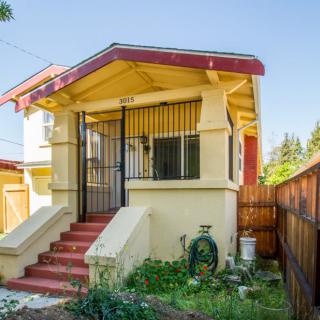
Bay Harbour Care Home in Alameda is best considered for families that expect to be deeply involved in a loved one’s daily care and are prepared to navigate a highly variable experience. The setting can feel homey and calm at first glance, but practical reality hinges on ongoing advocacy, frequent visits, and clear, hands-on communication with staff. In other words, success here depends less on a hands-off “set it and forget it” approach and more on a vigilant, front-line role taken by family or appointed guardians.
Those prioritizing consistent staffing, transparent pricing, and predictable routines should seriously consider alternatives. The most persistent warning flags concern staffing levels and the reliability of leadership. When the care team is stretched thin, residents can experience delays in routines and response times, with the sense that management is not fully aligned on resident well-being. If a family cannot commit to regular oversight or seeks a facility with clear, upfront cost details and stable management, other options will likely serve better.
On the plus side, several accounts highlight genuinely caring staff and a homey atmosphere. When staff and supervisors are described as thoughtful, attentive, and accommodating to a loved one’s needs, the experience can feel supportive on a day-to-day basis. The “homey feel” and a pleasant setting can contribute positively to emotional comfort and familiarity, particularly for residents who respond well to a more intimate, less institutional environment. These elements show that the potential for quality care exists, albeit unevenly.
The main drawbacks overshadow the potential benefits. The most common threads describe persistent short-staffing, inconsistent service, and meals that fall short of expectations. Reports characterize some management interactions as dismissive or unfriendly, with anecdotes that raise concerns about trust and safety. In addition, families note a lack of proactive communication and insufficient information about costs, which adds financial risk and planning uncertainty. Taken together, these issues create a sense of unpredictability that undermines confidence in long-term well-being and reliability.
How the positives can or cannot offset the negatives matters for decision-making. Caring staff and a welcoming setting can brighten days and smooth daily routines, yet they do not fully counterbalance the structural problems, staffing instability, questions about leadership tone, and opaque pricing. When the core expectations are reliable care, responsive communication, and transparent budgeting, the gaps here are significant enough to warrant cautious consideration. The prudent course is to use Bay Harbour as a benchmark against other options rather than as a default choice.
For families seriously weighing Bay Harbour, a disciplined due diligence plan is essential. Schedule multiple visits at different times to observe staffing rhythms and response times, and request direct conversations with the owner or administrator about staffing strategies and staffing ratios. Demand a clear, itemized cost breakdown and a written policy on visitation, communication, and how concerns are escalated. Ask for recent resident references beyond the marketing materials, and verify how transitions and meals are handled day-to-day. If any of these checks raise red flags, or if the facility cannot commit to stable staffing and transparent pricing, it is wise to consider alternatives sooner rather than later.
 12 resident community capacity
 Assisted Living
 Board and Care Home
 Memory Care
 Respite Care
 Cable or satellite TV
 Dining room
 Fully furnished
 Garden
 Housekeeping services
 Move-in coordination
 Outdoor space
 Private
 Telephone
 Wi-Fi/high-speed internet available
 Metropolitan Oakland International (5 miles away)
 24-hour supervision
 Activities of daily living assistance
 Assistance with bathing
 Assistance with dressing
 Assistance with transfers
 Diabetes diet
 Diabetic care
 Meal preparation and service
 Medication management
 Special dietary restrictions
 Transportation arrangement (medical)
 Transportation to doctors appointments






 A Detailed Exploration of Assisted Living Medicaid Waivers Across the United States
 Exploring the Contrasts Between Assisted Living and Skilled Nursing
 Vibrant Senior Living: A Comprehensive Guide for Active Older Adults