
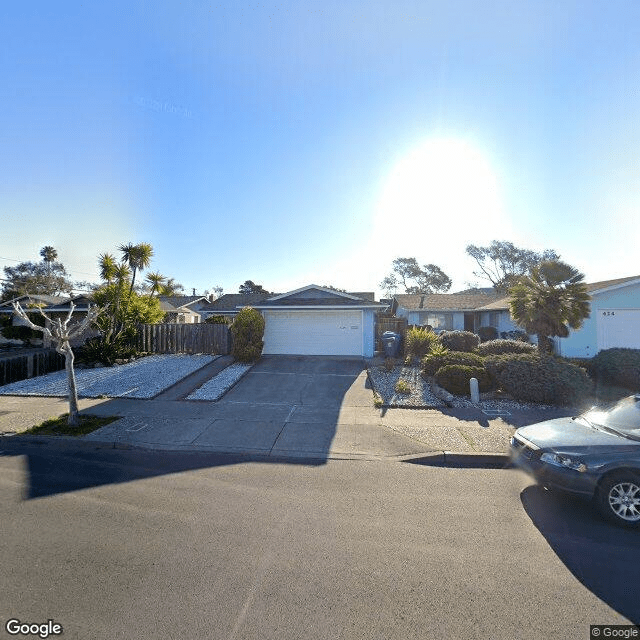
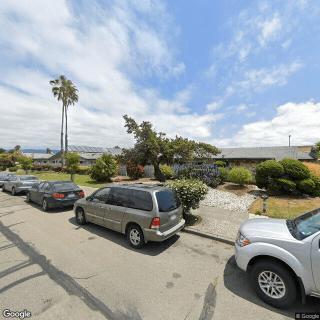
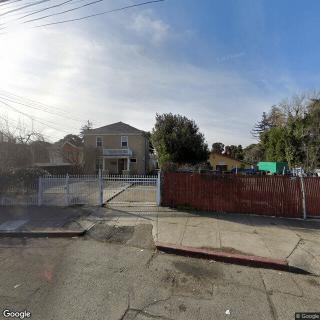
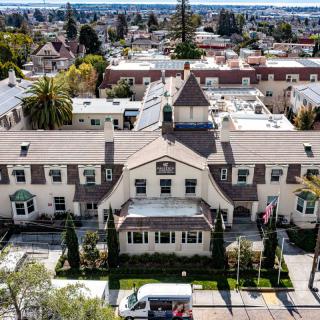
428 Sunset Rd., Alameda, CA 94501
To contact a resident: (510) 814-1058
For more information about senior living options: (866) 208-4318
Sunset Home For the Elderly Costs & Pricing
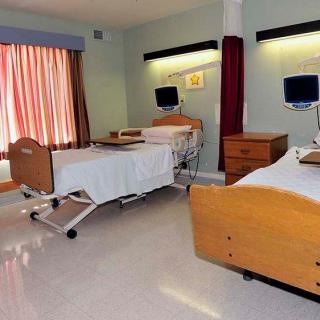
Sunset Home For the Elderly offers competitive pricing for its residents, especially when examined in the context of Alameda County and California as a whole. The cost for a semi-private room at Sunset Home is $3,000 per month, which is notably lower than the county average of $3,273 and the state average of $3,333. In contrast, the private rooms at Sunset Home are priced at $4,500 per month - this amount exceeds both the Alameda County average of $3,748 and the California statewide average of $3,939. Such pricing dynamics suggest that while Sunset Home provides an economical option for those seeking semi-private accommodations, prospective residents should consider their budget when opting for private living arrangements. Overall, these figures reflect Sunset Home's thoughtful positioning within a complex regional market for elderly care services.
| Floor plans | Sunset Home For the Elderly | Alameda County | California |
|---|---|---|---|
| Semi-Private | $3,000 | $3,273 | $3,333 |
| Private | $4,500 | $3,748 | $3,939 |
Memory care communities with a similar price nearby
-
from +$195 / mo
Harbor Bay Assisted Living
$3,195 to $5,000 / month1.3 miles away -
from -$500 / mo

San Carlos Elms
$2,500 to $5,880 / month17.8 miles away -
from +$500 / mo
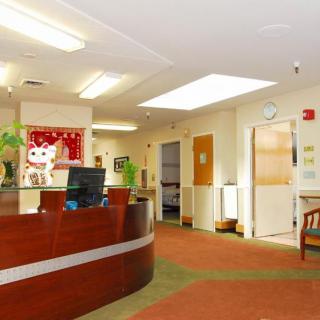
East Bay Assisted Living
$3,500 to $5,000 / month3.1 miles away -
from -$500 / mo
Oceanside Board and Care II
$2,500 to $3,000 / month15.6 miles away -
from -$200 / mo
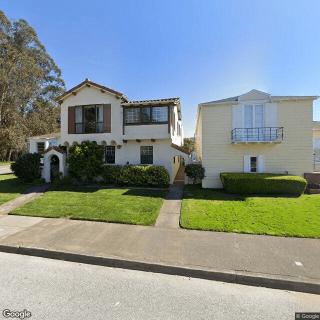
Nobis Care Homes
$2,800 to $3,200 / month12.2 miles away
Overall Review of Sunset Home For the Elderly
Pros
 The staff at Sunset Home are very loving.
- The staff at Sunset Home are very patient.
- Her mom is generally polite.
Cons
 My mom has worsening dementia.
- She's also pretty wily, and can lure you into a false sense of security.
Review
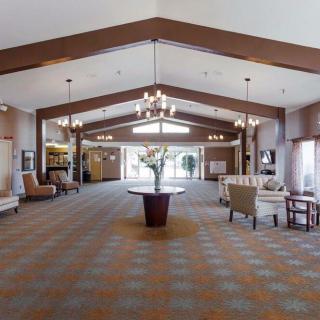
Sunset Home For the Elderly in Alameda is best suited for families seeking a small, home-like setting where a senior with dementia can receive steady, gentle supervision and meaningful interpersonal attention. The environment appears to prioritize warm, consistent relationships over clinical rigidity, making it a natural fit for residents who respond well to calm routines and familiar, patient caregivers. Reported care stands out for its compassionate tone, staff described as loving, aware, and patient, which can translate into steadier days for someone who benefits from steady reassurance and a caregiver on whom the family can rely. For families prioritizing comfort, relationship-based care, and a non-institutional atmosphere, Sunset presents a convincing match.
Those weighing Sunset against alternatives should be mindful of limits that come with a small operation and limited public information. Individuals with high medical complexity, frequent need for skilled nursing, or very strict safety demands may want other options with documented nurse availability and more explicit dementia programming. Larger memory-care communities often promise higher staff-to-resident ratios, structured wandering controls, and a broader menu of therapeutic activities. If the priority is transparent metrics, clear security protocols, and a robust on-site medical framework, exploring other Alameda-area options could yield more definitive reassurance about daily operations and emergency coverage.
The strongest asset is the care ethos that permeates daily life. The combination of warmth, attentiveness, and patience helps residents feel seen and soothed, which matters greatly for dementia care where agitation and fear can spike without trusted companions. This relational approach can reduce confrontations and create a cooperative atmosphere during routine tasks, meals, and transitions. Yet the flip side of that same dementia reality, the potential for residents to use charm or manipulation to sidestep supervision, means vigilance cannot be outsourced. Without explicit statements about safety protocols, wander management, or medication oversight, warmth alone cannot substitute for clear safeguards and trained responses.
Another practical consideration is the limited depth of publicly available data. A 4.3 rating from only three reviews suggests generally positive experiences but leaves families without a broad evidence base. Crucially, there is little detail about clinical oversight, on-site nursing availability, or how care plans are crafted and updated as dementia progresses. Prospective families should probe for concrete answers on nurse coverage after hours, physician or geriatric visits, medication administration procedures, and how emergencies are handled. Visiting with a critical eye toward safety features, daily structure, and the consistency of staffing will reveal whether the appealing tone translates into reliable day-to-day care.
During tours, families should deploy a focused checklist to separate good feeling from solid readiness. Ask about current staff-to-resident ratios by shift, and observe how caregivers interact with residents who wander, become restless, or require cues to engage in activities. Inquire about security features such as door alarms, locked exits, and routine safety checks, plus the specificity of dementia training for frontline staff. Request sample activity calendars, meal options, and evidence of meaningful cognitive or social programs tailored to dementia needs. Finally, verify the availability and frequency of on-site nursing, medication management, and routine medical oversight, and try to connect with a few current families to gauge consistency of care and communication during challenging days.
Overall, Sunset Home For the Elderly is a practical fit for families prioritizing a warm, relationship-centered living environment for a loved one with dementia who does not require continuous, high-intensity medical intervention. The compassionate culture can deliver calmer days and stronger caregiver bonds, which often translates into less stress for family members and smoother daily routines for residents. However, for those confronting greater safety requirements, more complex medical needs, or a demand for formal, data-driven memory-care programming, exploring alternatives with more robust staffing, security measures, and documented dementia protocols is prudent. In the right situation, Sunset offers a trustworthy, homey atmosphere where patient, loving care can meaningfully improve day-to-day quality of life.
 Board and Care Home
 Memory Care
 Activities off-site
 Indoor common areas
 Outdoor common areas
 Private
 Wheelchair accessible showers
 Metropolitan Oakland International (4 miles away)
 Ambulatory care
 Diabetic care
 Meals provided
 Exploring the Power of Reminiscence Therapy for Individuals With Dementia
 An In-Depth Look at Reminiscence Therapy in Dementia Care
 Dementia-Related Hallucinations: Causes, Experiences, and Practical Approaches