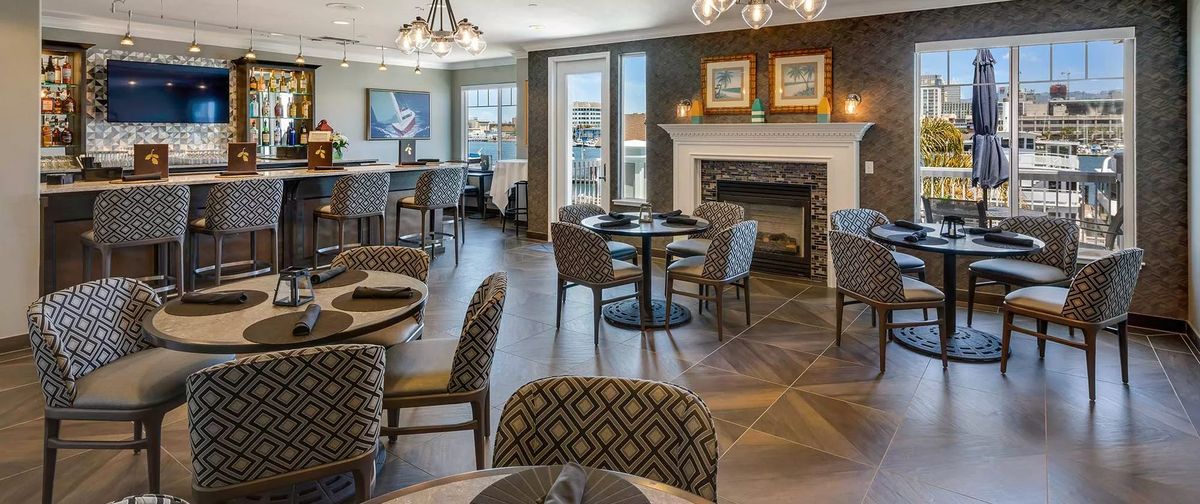
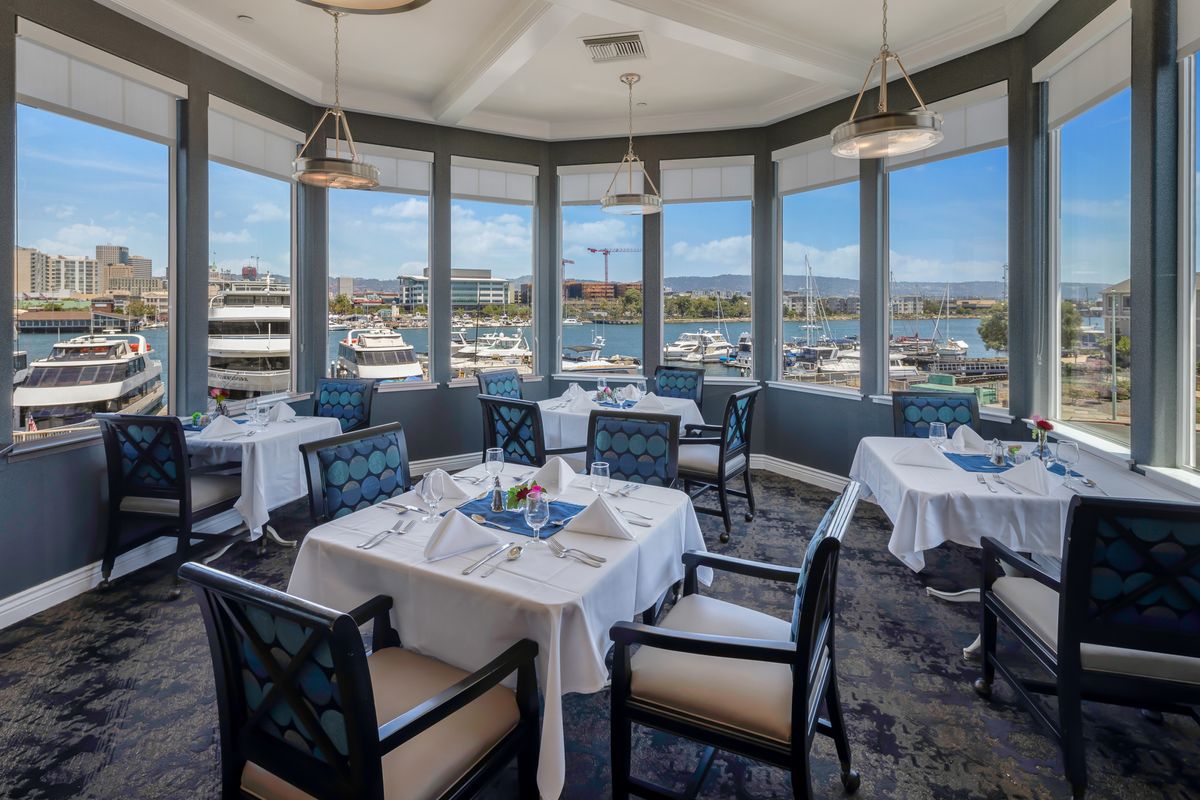
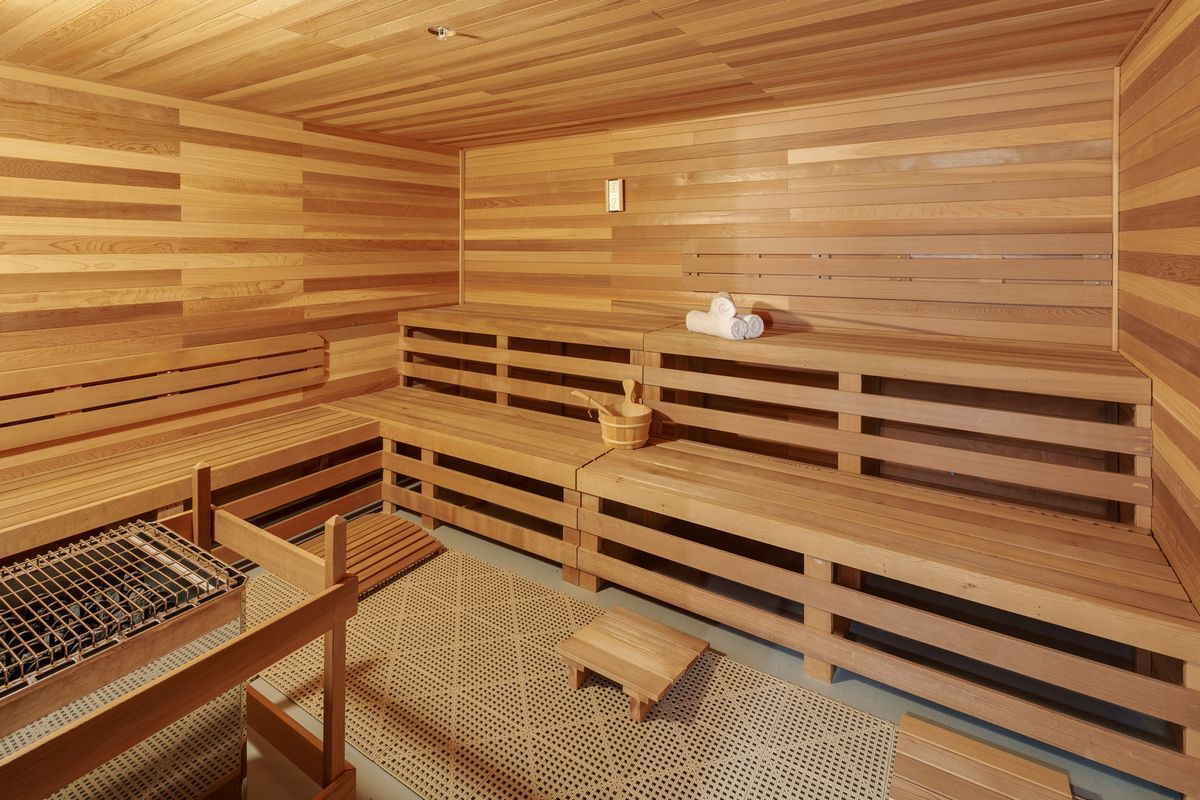
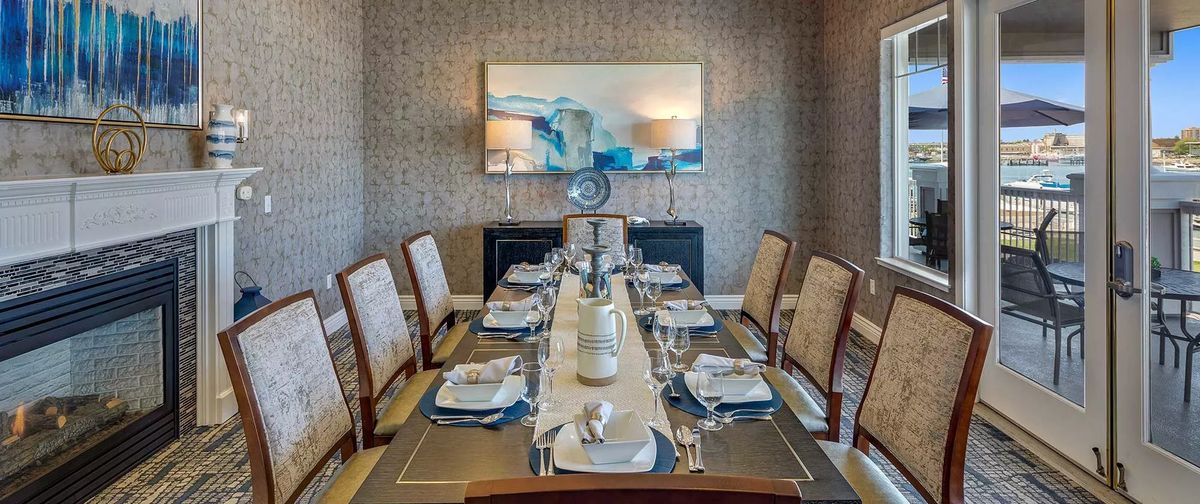
Meals are repeatedly described as high quality, with restaurant-style service.
Multiple residents describe the food as excellent or delicious, and several mention varied menus and strong options at the dining room. Residents also note takeout availability and that meals are served in a dining space that feels more formal than a typical cafeteria. The community offers restaurant-style dining plus room service and support for special diets, which aligns with what people focus on in their day-to-day experience.
common15 reviews mention this
Staff feels attentive and responsive
Residents and families describe staff who are friendly, professional, and quick to help.
Across reviews, people emphasize that staff are welcoming and caring, with an ability to respond when something comes up. Several residents describe day-to-day support as helping them stay independent, while others mention prompt maintenance and attentive help with personal needs. The community also provides meal preparation and service and medication management, which fits with reviews that focus on dependable support and follow-through.
common12 reviews mention this
Activities keep residents engaged
There are consistently described activities, outings, and scheduled programming.
Residents frequently say there is always something going on, including exercise classes, games, lectures, and live or community events. Others specifically mention planned excursions such as trips to museums and restaurants. The community lists a packed activities calendar with scheduled daily activities, planned day trips, and fitness programs, matching what residents describe as a steady rhythm of options.
common9 reviews mention this
Well kept grounds and frequent upkeep
Residents notice cleanliness, maintenance, and well-kept common areas.
Several reviews describe the property as clean and well maintained, including buildings and grounds. A few residents mention that repairs are handled when needed, and others point to the overall tidy presentation as part of their comfort. This aligns with the community offering housekeeping services and private cleaning services alongside a focus on day-to-day order.
differentiator5 reviews mention this
Waterfront views shape the atmosphere
Reviews repeatedly mention estuary or waterfront views and pleasant outdoor spaces.
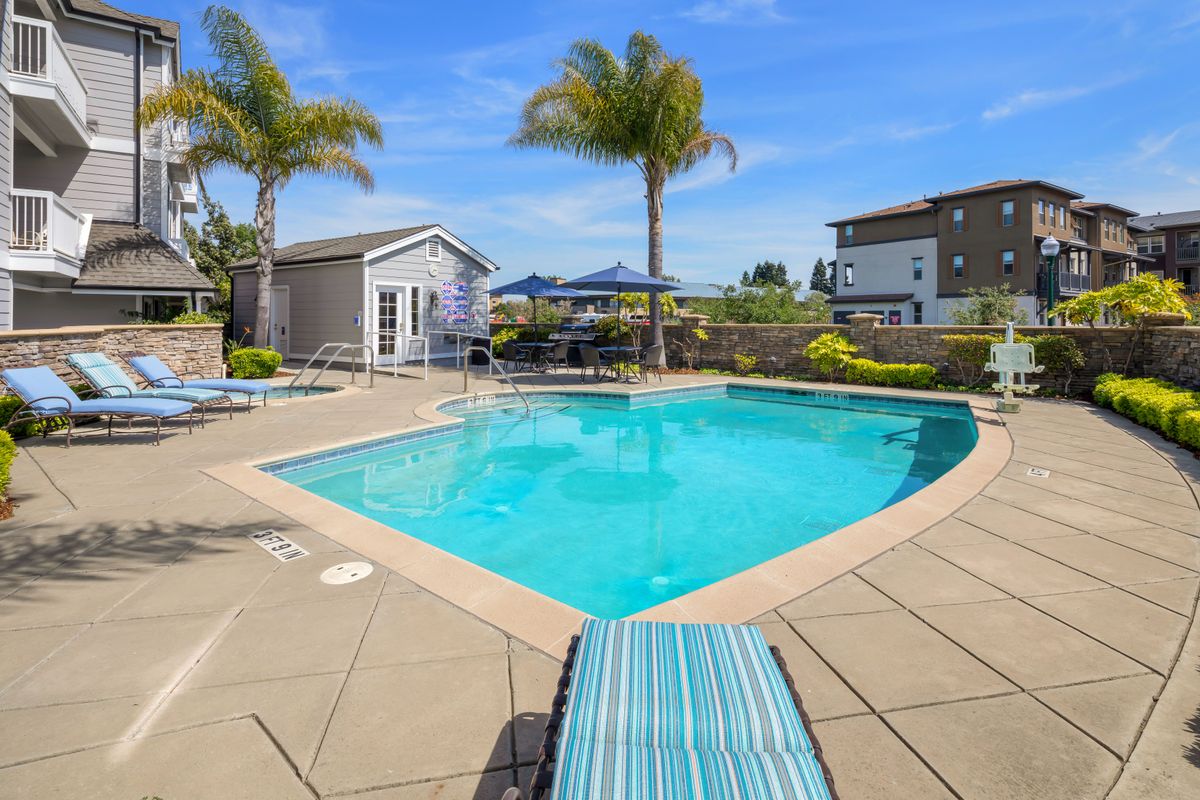
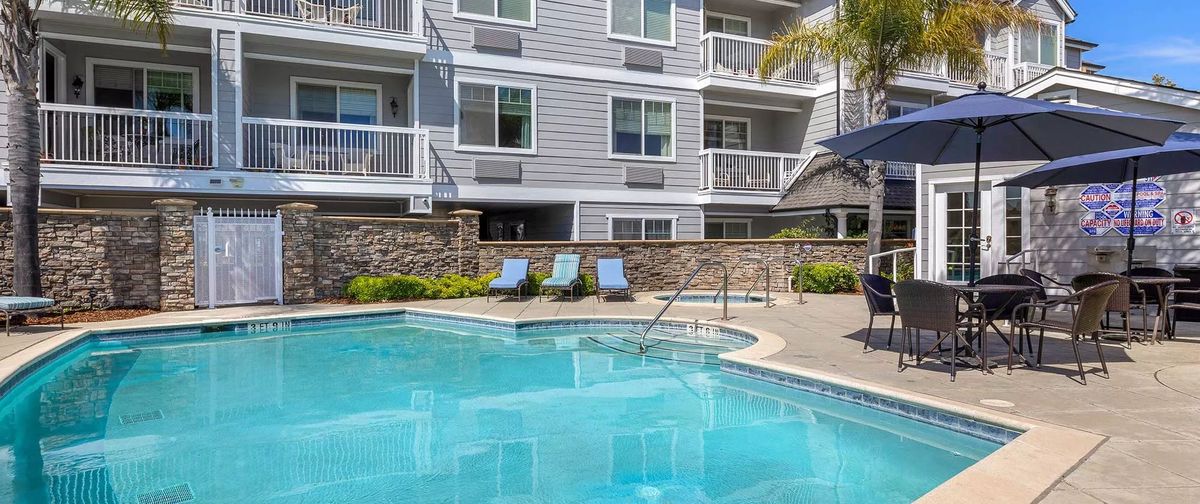
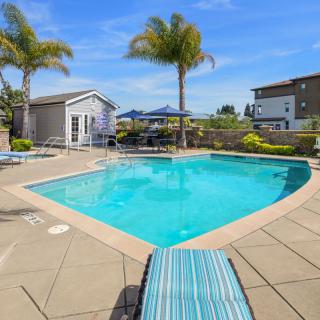
Residents describe a calm setting with fresh air and water views, including views from the dining area and apartments. Others mention a waterfront walking trail and outdoor areas that make the location feel special day to day. The community also offers outdoor space and includes a swimming pool, which complements the way residents talk about spending time outside.
caveat3 reviews mention this
Cost comes up as a concern
Some reviewers feel the community is expensive for what they expected.
A few reviews mention price concerns, including comments that the monthly rent feels steeper than expected and that the place is expensive. One review also criticizes value in relation to staffing levels. While many residents speak positively overall, these cost-focused remarks are the clearest recurring downside in the feedback.
How we summarize
Counts show how many written reviews mention each theme; a review can touch several themes, and only frequently mentioned themes are displayed.
Features
Housing
153 resident community capacity
1-bedroom apartments
Studio apartments
Types of Care
Assisted Living
Memory Care
Amenities
Air-conditioning
Beautician on-site
Beauty salon
Cable or satellite TV
Cafe
Computer center
Dining room
Fitness room
Full kitchen
Fully furnished
Gaming room
Garden
Guasts at mealtime
Guest parking
Housekeeping services
Kitchenette
Laundry
Move-in coordination
Outdoor space
Overnight guests
Party space
Private bathrooms
Private cleaning services
Resident parking
Restaurant-style dining
Small library
Spa
Swimming pool
TV room
Telephone
Wellness center
Wi-Fi/high-speed internet available
Transportation
Metropolitan Oakland International (6 miles away)
San Francisco International (13 miles away)
Community operated transportation
Transportation & parking
Transportation arrangement
Transportation arrangement (non-medical)
Care Services
12-16 hour nursing
24-hour call system
24-hour supervision
Activities of daily living assistance
Assistance with bathing
Assistance with dressing
Assistance with transfers
Coordination with health care providers
Dementia waiver
Diabetes diet
Hospice care
Hospice waiver
Meal preparation and service
Medication management
Mental wellness program
Mild cognitive impairment
Special dietary restrictions
Specialized memory care programming
Transportation arrangement (medical)
Transportation to doctors appointments
Dining
Diabetes diet
Kosher
Room service
Special dietary restrictions
Activities
Activities off-site
Arts and crafts
Book club
Community-sponsored activities
Concierge services
Educational speakers / life long learning
Fitness programs
Games
Live musical performances
Planned day trips
Religious services
Resident-run activities
Scheduled daily activities
Tai Chi
Yoga / chair yoga
Languages Spoken
English
Virtual Tour
Nearby Places of Interest
Pharmacies
CVS Pharmacy (0.2 miles)
CVS Pharmacy (0.6 miles)
Walgreens (0.8 miles)
Walgreens (1 miles)
Blüm Oakland (1.5 miles)
Harborside Health Center (2 miles)
CVS Pharmacy (2.1 miles)
Restaurants
Jack London Square (0.3 miles)
Seawolf (0.5 miles)
In-N-Out Burger (0.5 miles)
Original Pattern Brewing Company (0.5 miles)
Nido’s Backyard (0.5 miles)
Almanac Beer Co. Barrel House & Taproom (1.3 miles)
Drake's Dealership (1.6 miles)
Cafes
Bicycle Coffee (0.4 miles)
Blue Bottle Coffee (3.1 miles)
Highwire Coffee Roasters (3.9 miles)
Caffe Strada (5.5 miles)
Andytown Coffee Roasters (6.4 miles)
Transportation
Lake Merritt BART Station (0.8 miles)
West Oakland BART Station (1.4 miles)
MacArthur BART Station (2.7 miles)
Fruitvale BART Station (3.1 miles)
20/21 Bus Stop (3.4 miles)
Emeryville Amtrak (3.5 miles)
JSX (5.9 miles)
Parks
Alco Park (0.9 miles)
Snow Park (1.3 miles)
Alameda Dog Park (1.8 miles)
Mosswood Park & Recreation Center (2.4 miles)
Morcom Rose Garden (2.6 miles)
Temescal Creek Park (3.2 miles)
Lincoln Park (3.4 miles)
Hospitals
Sutter Alta Bates Summit Medical Center: Summit Camps (2.2 miles)
Highland Hospital (2.5 miles)
Kaiser Permanente Oakland Medical Center (2.6 miles)
Kaiser OB-GYN (2.6 miles)
Physicians
Kaiser Permanente Medical Center - Mosswood Building (2.4 miles)
One Medical (2.6 miles)
Sutter Urgent Care: Sutter East Bay Medical Foundation (5 miles)
Cardinal Point's comprehensive features are essential in addressing the unique needs of residents with dementia or Alzheimer's disease. The provision of 24-hour supervision ensures that residents receive constant support and security, reducing the risk of wandering and offering peace of mind to families. Assistance with activities of daily living, including bathing and dressing, helps maintain dignity and personal hygiene while fostering independence in a safe environment. The coordination with healthcare providers ensures that all medical needs are met promptly, while medication management minimizes confusion around dosages and schedules. Meal preparation tailored to individual dietary requirements promotes nutrition important for cognitive health. Specialized memory care programming is designed to engage residents mentally, enhancing their quality of life through targeted stimulation. Furthermore, transportation arrangements for medical appointments facilitate access to necessary care outside the facility, ensuring a holistic approach to health and wellness that addresses both physical and mental aspects.
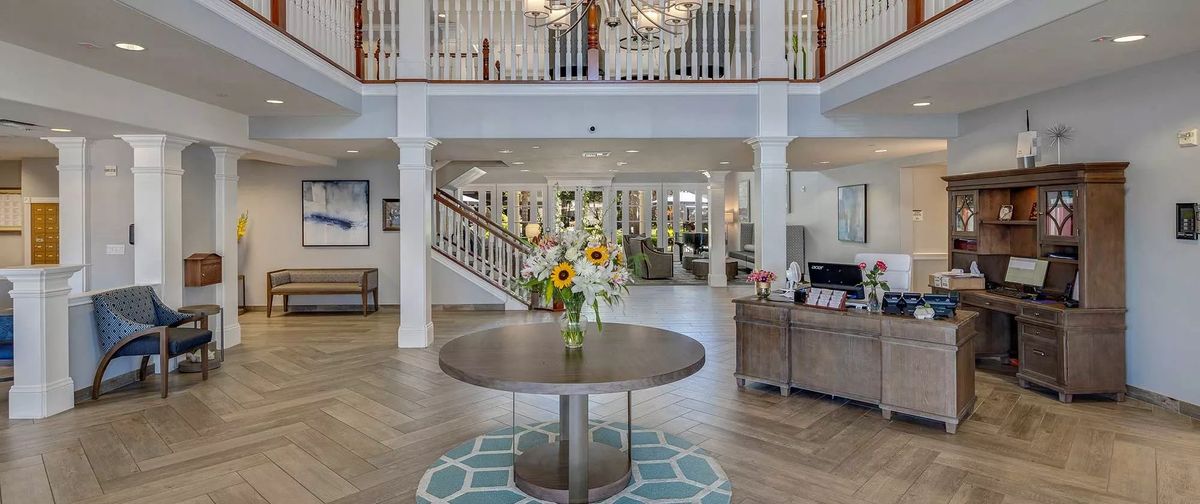
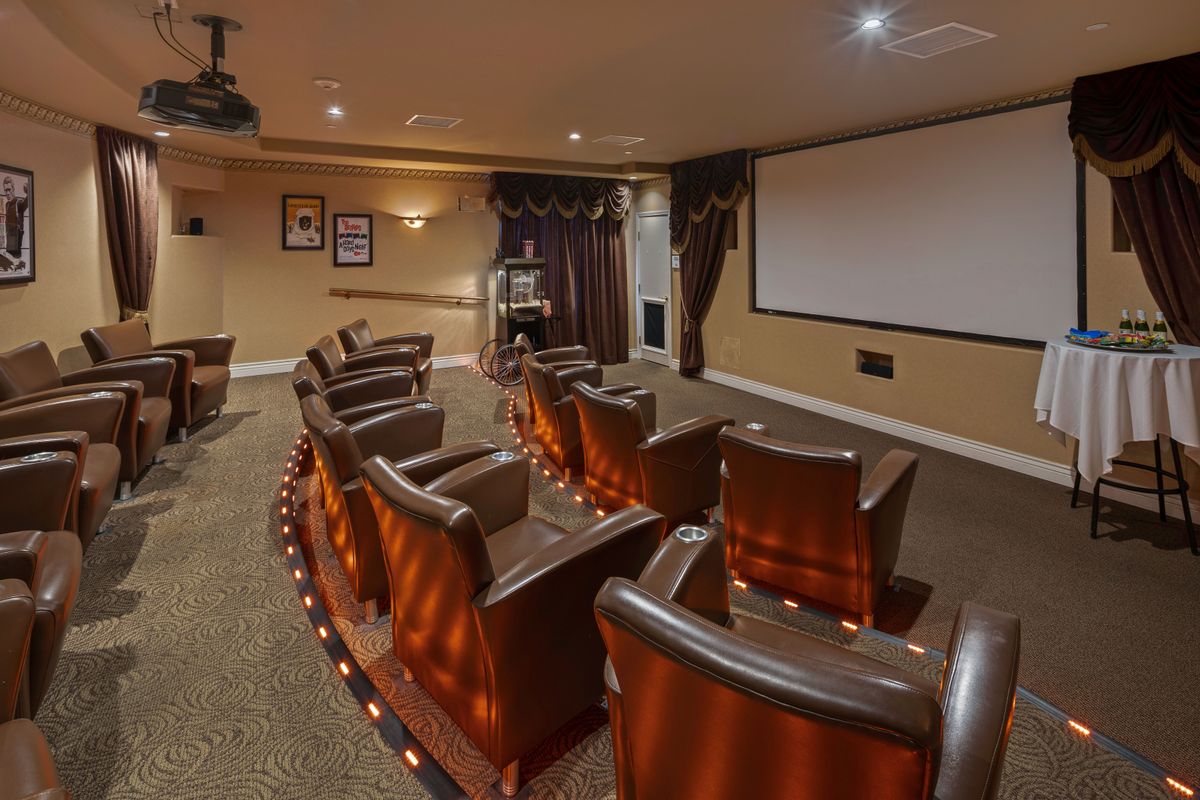
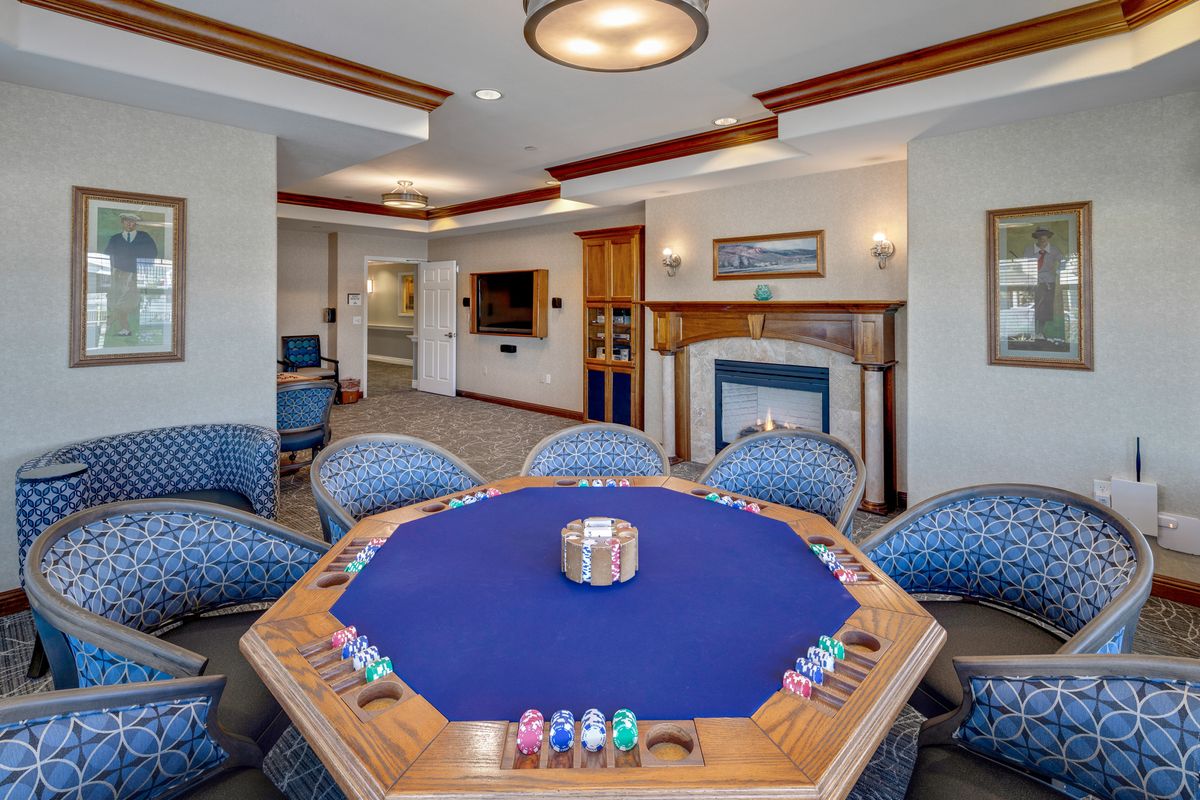
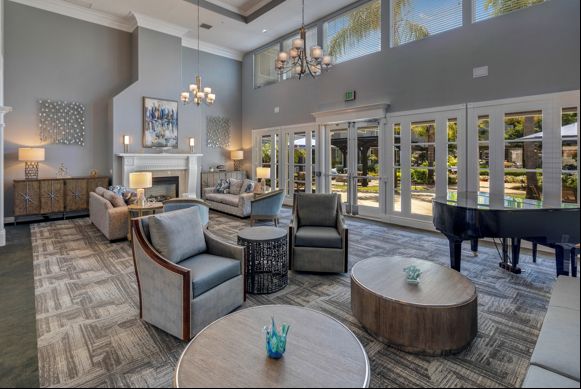
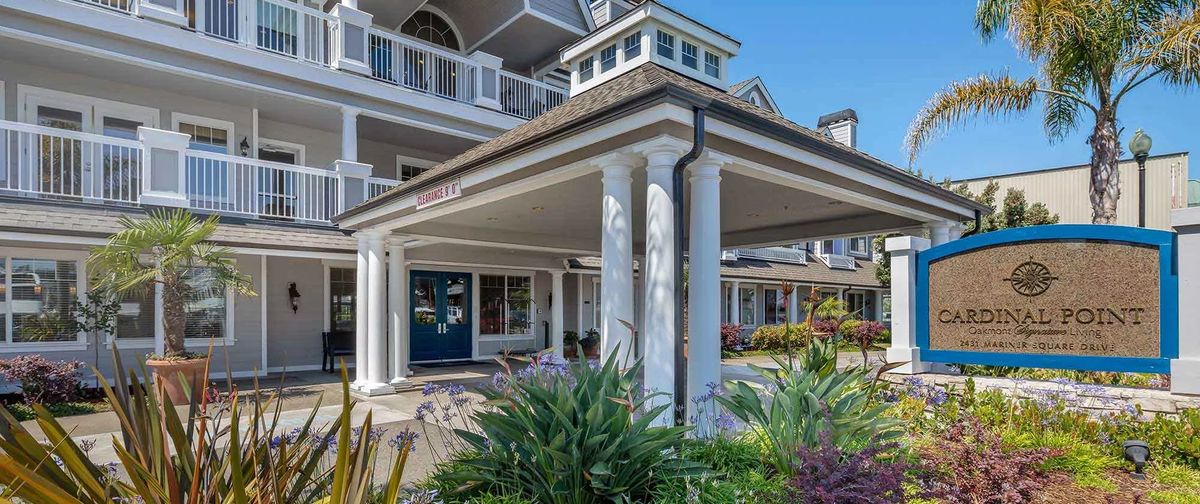
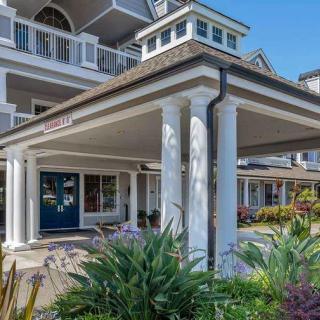
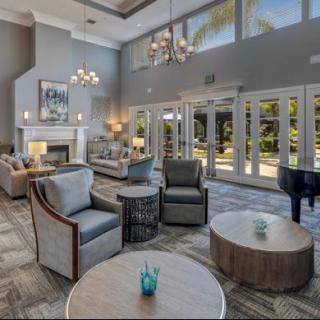
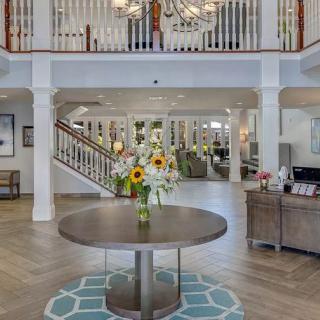
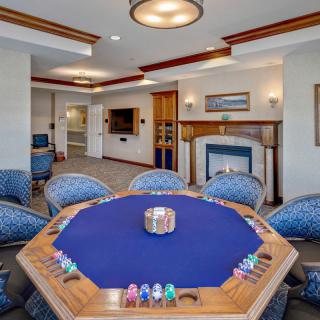
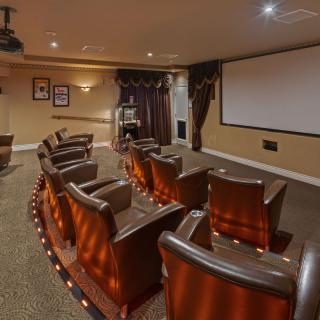
Cardinal Point on seniors.fyi includes 15 photos including images showing interior, dining, decor, fireplace, chandelier, theater, windows, living room, and more.
Nearby Communities
Oakmont of Mariner Point
Alameda, CA
4.2 from 82 reviews
$6,195 to $10,995 / month
Beautiful, well-maintained facility with water views, clean surroundings, and engaging activities led by friendly staff.
Oakmont of Cardinal Point, a CCRC
Alameda, CA
4.5 from 10 reviews
$3,300 to $7,695 / month
Competent, caring staff with strong dining and activity options in an attractive, well-maintained setting.
Home Instead - Oakland, CA
Oakland, CA
4.9 from 39 reviews
Compassionate, high-quality caregiver who enhances well-being.
Doh On Yuen
Oakland, CA
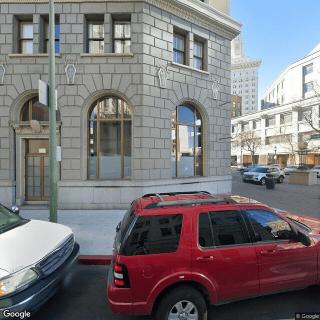
Excellent access to multiple nearby amenities (cafes, restaurants, parks, pharmacies, medical care, transportation, theater, hospitals).
A. F. Evans Company, Inc.
Oakland, CA
4 from 32 reviews
Excellent access to dining, parks, pharmacies, and healthcare nearby.
St Mark's Apartments
Oakland, CA
1 from 2 reviews
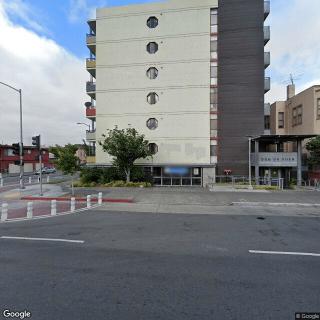
Convenient Oakland location with extensive nearby amenities and attentive staff.
Fruitvale Healthcare Center
Oakland, CA
2.7 from 34 reviews
Extensive amenities and 24/7 care with restaurant-style dining.
Pacifica Senior Living Oakland Heights
Oakland, CA
4.2 from 152 reviews
$3,500 to $5,400 / month
Friendly staff and clean, well-maintained facilities.
The guide outlines the complexities of Medicaid coverage for assisted living, highlighting significant state-to-state variations, limited coverage often restricted to personal care services, and the existence of specialized waivers for certain needs like memory care. It advises families to consult local Medicaid offices for options while emphasizing the importance of understanding state-specific regulations and facility policies.
Medicaid coverage for assisted living varies by state and is primarily available to low-income individuals, with eligibility dependent on strict income and asset limits. Some states offer HCBS waivers for specific services in assisted living, but families must generally cover room and board costs, and should verify facility acceptance of Medicaid while considering potential waiting lists.
Medicaid waivers for assisted living services provide vital support for seniors and individuals with disabilities in need of long-term care, with varying state-specific eligibility criteria and benefits. These waivers cover personal care and case management but often do not fully cover room and board, leading to waiting lists for many applicants.
Get PricingAsk A QuestionSchedule A TourContact Senior Advisor
By clicking submit, you agree to our Partner's Terms of Use. You
also consent to receive calls and texts, which may be autodialed, from our Partner. Your consent is not a condition to
using our Partner's service. Please visit our Partner's Privacy Policy for information about their privacy practices.











 153 resident community capacity
 1-bedroom apartments
 Assisted Living
 Memory Care
 Air-conditioning
 Beautician on-site
 Cable or satellite TV
 Cafe
Cafe Computer center
 Dining room
 Fitness room
 Full kitchen
 Fully furnished
 Gaming room
 Garden
 Guest parking
 Housekeeping services
 Laundry
 Move-in coordination
 Outdoor space
 Overnight guests
 Party space
 Private bathrooms
 Restaurant-style dining
 Small library
 Spa
Spa Swimming pool
 Telephone
 Wi-Fi/high-speed internet available
 Metropolitan Oakland International (6 miles away)
 Community operated transportation
 12-16 hour nursing
 24-hour call system
 Activities of daily living assistance
 Assistance with bathing
 Assistance with dressing
 Assistance with transfers
 Diabetes diet
 Hospice care
 Medication management
 Mental wellness program
 Special dietary restrictions
 Transportation arrangement (medical)
 Arts and crafts
 Book club
 Concierge services
 Educational speakers / life long learning
 Games
Games Live musical performances
 Planned day trips
 Religious services
 English
 Beautiful, well-maintained facility with water views, clean surroundings, and engaging activities led by friendly staff.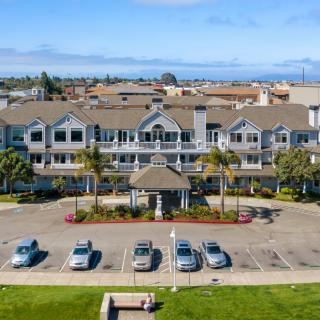

 Understanding Medicaid Coverage for Assisted Living: A Comprehensive Guide
 How and When Medicaid May Cover Assisted Living Costs
 A Detailed Exploration of Assisted Living Medicaid Waivers Across the United States