
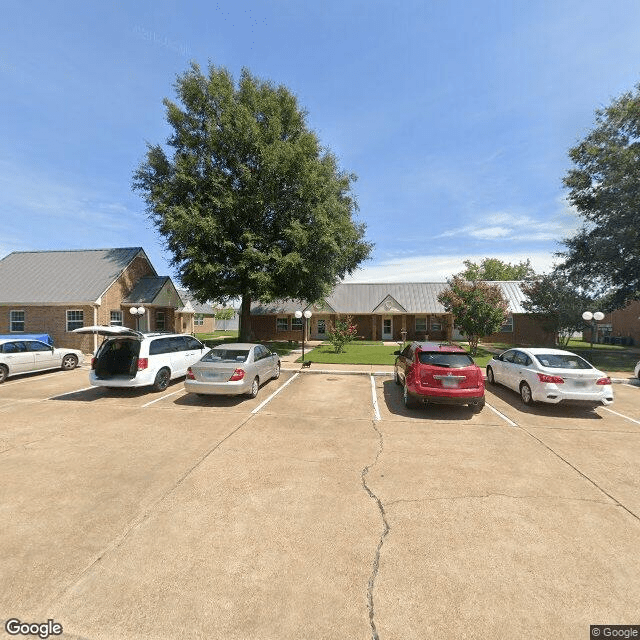
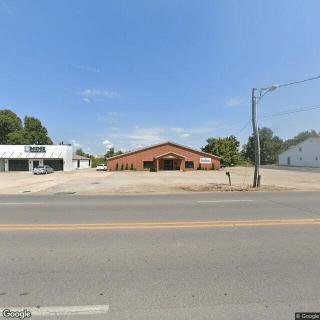
2204 Crescendo Dr, Jonesboro, AR 72401
To contact a resident: (870) 931-9575
For more information about senior living options: (866) 208-4318
Christopher Homes of Jonesboro Costs & Pricing
Christopher Homes of Jonesboro offers an exceptionally affordable option for residents seeking studio accommodations, with a monthly cost of just $500. In contrast, the average cost for similar studio living arrangements in Greene County stands at approximately $1,987, while the state average in Arkansas reaches as high as $2,863. This significant cost advantage highlights Christopher Homes as a financially viable choice for individuals looking for quality housing without overwhelming expenses, making it an attractive option within the local market.
| Floor plans | Christopher Homes of Jonesboro | Greene County | Arkansas |
|---|---|---|---|
| Studio | $500 | $1,987 | $2,863 |
Senior living communities with a similar price nearby
-
About the same
Christopher Homes of Paragould
$500 / month16.6 miles away -
About the same
Christopher Homes of Monette
$500 / month20.2 miles away
Overall Review of Christopher Homes of Jonesboro
Pros
 Her mother has no complaints.
- Her mother likes it there very much.
- It’s exactly what she needs.
- It’s very efficient.
- They have been very accommodating to her.
Cons
 The place has been the rudest of all.
- They hang up on callers who say their name.
- They hang up on callers as soon as a caller states their name.
Review
Christopher Homes of Jonesboro is best suited for seniors who want a straightforward, budget-conscious living arrangement and can rely on family oversight to manage care decisions. The community appears to deliver an efficient, no-frills operating model with a tidy environment and resident-centered accommodations that suit individuals who don’t require heavy medical intervention. For residents who value predictable costs and simple routines over high-touch, boutique-level service, this setting can offer practical stability. The combination of affordability and orderly administration appeals to families who prioritize control over expenses and prefer a more task-focused approach to daily life.
But those with residents who require frequent medical coordination, rapid problem resolution, or highly personalized attention should consider alternatives. One review highlights rude phone conduct and inconsistent responsiveness, a pattern that could leave families scrambling when a crisis arises. The absence of a transparent care plan in the feedback means questions about what care is included, what triggers additional charges, and what level of nursing support exists may go unanswered without direct inquiry. For households expecting a warm, highly communicative front desk and proactive care management, more established assisted living communities with clearer staffing standards may be a safer fit.
On the upside, residents and families report efficiency in operations and a facility that is accommodating to the specific needs of a mother living there. The impression of affordability is reinforced by a sense of practical compliance with resident needs; the staff may be responsive enough for routine days and daily living tasks. These strengths matter when resources are limited and the goal is to avoid overpaying for services that may not be required. However, these positives only fully compensate if dependable communication and transparent service details are present, because without them the day-to-day reliability can feel uncertain.
Yet the darker thread running through the experience is the communication dynamic. The reports describe a pattern of curt or dismissive phone interactions and a reluctance to disclose pricing specifics or the scope of care. In assisted living decisions, reliable front-desk engagement and straightforward contracts are nonnegotiable; without them, families risk misaligned expectations and financial surprises. The absence of a published care plan or clear staffing structure makes it hard to assess whether the level of daily support matches the resident’s needs. Prospective residents should demand a formal written overview: what’s included in the base rate, what qualifies as additional care, and how billing is calculated before any commitment.
To separate possibility from risk, schedule a thorough tour during typical activity hours, request current resident reference calls, and insist on a written service agreement. Ask about the on-site care team, whether licensed nurses or CNAs provide supervision, and the response time for call bells. Probe meal quality, housekeeping frequency, and transportation options, as well as social programming, to gauge whether the day-to-day life aligns with the resident’s preferences. Clarify the income-based pricing model with concrete examples and compare it against local competitors. If transparency remains elusive, treat this as a deal-breaker. The decision should hinge on whether the family can trust the front desk, the pricing clarity, and the consistency of daily care.
Christopher Homes of Jonesboro offers a fiscally sensible option for certain seniors, provided the family can tolerate imperfect communication and verify the promised services in writing. The combination of affordability, an efficient environment, and resident satisfaction in at least one case suggests there is value here for the right profile. For others, especially those who need predictable, proactive care management and a consistently responsive staff, the risks may outweigh the benefits, and alternatives with stronger customer service and transparent pricing should be pursued. The prudent path is a structured visit, concrete questions, and a willingness to walk away if the contract shadows do not clear.
 Active Adult Communities (55+)
 Cats allowed
 Dogs allowed



 Financing Long-Term Nursing Home Care Through Social Security: A Thorough Exploration
 Essential Knowledge on Pneumonia in Older Adults
 Exploring Palliative Care in the Home: A Comprehensive Overview