

1316 Industrial Park Access Road, Trumann, AR 72472
To contact a resident: (870) 483-6621
For more information about senior living options: (866) 208-4318
Overall Review of Plantation Homes of Poinsett County, Inc.
Pros
 It is described as the best assisted living in Arkansas, feeling like a real home with loving people.
- The facility is a great place for assisted living, with an owner who truly cares about residents and employees.
- Residents say it is a nice place to live.
- The food and service are very good.
- The facility is clean and the employees are very nice.
Review
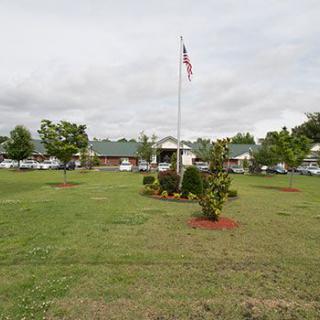
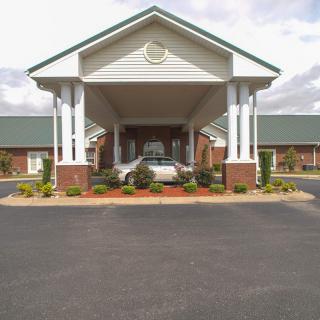
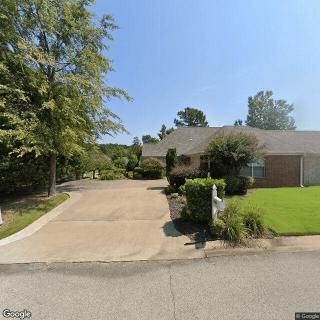
This community is best suited for families seeking a genuinely home-like senior living option where ownership and staff display consistent warmth, hands-on attention, and everyday reliability. In Trumann, Arkansas, Plantation Homes of Poinsett County projects a warm, clean, and approachable atmosphere where residents appear to be treated as individuals rather than as a number. The sentiment from residents and families tends to skew positive, with multiple accounts of caretakers who know residents by name and a sense that daily life feels comfortable and familiar rather than institutional. This is a setting where small-town hospitality and approachable service can translate into real peace of mind for loved ones who value consistent daily routines and personal connection.
Those who should consider alternatives are families with high medical needs or complex care requirements. If memory care, 24/7 clinical oversight, or a broad spectrum of on-site health services are essential, this community’s smaller scale may fall short. Prospective residents who anticipate heavy caregiver coordination or specialized therapies may find themselves needing to supplement with external services. Additionally, families seeking a wide array of on-site amenities, extensive transportation options, or a large, activity-rich campus might prefer a larger, more resource-rich facility. In short, this is not the most expansive option; it excels as a tight-knit, affordable, home-forward choice for many, but not for all care scenarios.
The strongest pros here align with a home ambiance and human-centered care. The staff’s warmth comes through in repeatedly cited kindness and attentiveness, and owners who are visibly engaged with residents and employees lend a sense of stability and accountability. Food and service are consistently praised, suggesting meals that are not only adequate but genuinely enjoyable, a critical factor for daily satisfaction and mood. Cleanliness and a respectful, friendly staff culture further reinforce the impression of a well-run, low-stress environment. When these factors matter most, dignity, routine, and personal recognition, the positives substantially offset the drawbacks inherent in a smaller operation.
There is a practical recognition that not every concern can be ignored, and some reviews hint at the limitations that come with a smaller community. While the overall rating is solid, a few lower-rated experiences point to potential gaps in consistency or responsiveness that family members should scrutinize before deciding. Prospective residents should look beyond surface impressions and probe how the community handles care planning updates, staffing levels during peak hours, and communication with families. The takeaway is not to dismiss the strengths but to acknowledge that variability can exist, particularly in settings where staff wear multiple hats and resources are more finite than in larger campuses.
For families already leaning toward a person-centered, low-key environment, the pros frequently align with daily life that feels manageable and respectful. The ability to build meaningful relationships with caregivers, together with reliable meals and clean surroundings, translates into a stable routine that can reduce stress for both residents and families. The bottom line is that the positives are meaningful enough to justify serious consideration, especially when the priority is warmth, continuity, and a sense of belonging. However, due diligence remains essential: arrange a visit, meet the direct care team, request a sample weekly schedule, inspect the dining options, and discuss how activities are tailored to individual preferences and energy levels.
In the end, Plantation Homes of Poinsett County represents a compelling option for those prioritizing a home-like environment with engaged ownership, dependable housekeeping, and solid dining. It is well worth placing on the shortlist for seniors who want daily warmth, modest costs, and a community that feels like a small-town home rather than a clinical setting. For families with higher acuity needs, memory care considerations, or a desire for a sprawling campus with expansive on-site clinical resources, alternatives should be explored and compared side by side. The prudent path is to visit, query specific care capabilities, observe interaction quality firsthand, and then weigh comfort and compatibility against the level of medical support required.
 Assisted Living
 Activities on-site
 Devotional services off-site
 Indoor common areas
 Ambulatory care
 Diabetic care
 Meals provided


 Social Security Benefits and Assisted Living: Navigating Options Across the U.S.
 An Extensive Exploration of the VA Aid and Attendance Benefit
 Senior Transition Services: Understanding Their Role, Cost, and Importance