1303 NE Legacy Parkway, Bentonville, AR 72712
To contact a resident: (479) 271-2387
For more information about senior living options: (866) 208-4318
Legacy Village Assisted Living Costs & Pricing
At Legacy Village Assisted Living, the monthly cost for a studio apartment is $3,650, which positions it competitively within Benton County and the broader Arkansas market. While the local average in Benton County stands at $3,734, Legacy Village offers a slightly more affordable option without compromising on quality or care. In comparison to the state average of $2,863 for assisted living accommodations across Arkansas, Legacy Village provides an enhanced living experience that reflects its commitment to personalized service and resident satisfaction. This pricing structure underscores Legacy Village's dedication to quality care tailored to meet the unique needs of its residents while still remaining accessible in an increasingly diverse marketplace.
| Floor plans | Legacy Village Assisted Living | Benton County | Arkansas |
|---|---|---|---|
| Studio | $3,650 | $3,734 | $2,863 |
Assisted Living communities with a similar price nearby
-
from +$150 / mo
The Bungalows at Fayetteville
$3,800 to $4,500 / month17.4 miles away -
from -$150 / mo
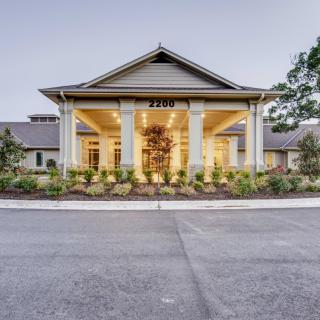
Village on the Park Rogers
$3,500 to $3,995 / month6.5 miles away -
from -$350 / mo
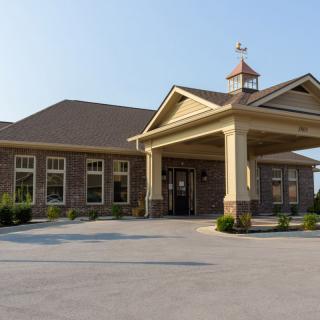
Village on the Park Bentonville
$3,300 to $4,150 / month3.7 miles away -
from -$250 / mo

The Bungalows at Springdale
$3,400 to $4,000 / month13.3 miles away -
from +$525 / mo

Brookstone
$4,175 to $5,400 / month18.4 miles away
Overall Review of Legacy Village Assisted Living
Pros
 The cleanliness of the community was really good when visits were possible, with no complaints about care services.
- They felt the value was on par with other options in the area.
- Legacy Village was the place they liked the most among the places they toured, because the community was divided into several houses with about 10 residents each, avoiding a hospital-like setting.
- The staff was nice, and the residents seemed fine.
- There was a calendar of activities with lots of things to do.
- Legacy Village was a gorgeous, spacious facility with very healthy meals.
- The office staff was wonderful.
- It offered an open, inviting environment for individuals in the early stages of Alzheimer’s.
Cons
 There was only one CNA per house, responsible for everything including meal prep, leaving no time to care for residents.
- The mother was left to her own devices during the early pandemic and lost a significant amount of weight due to neglect.
- Upper management was uncaring and did nothing to help, only making excuses.
- Legacy Village Assisted Living felt dark, unfriendly, and not inviting.
- The apartments were extremely small, especially the studios, and some areas appeared dirty because no one had been in them.
- The tour was not personable or professional and lacked warmth.
- The quality of care diminished after a change in administration.
- The meals were simple and of low quality, suggesting inadequate nutrition.
Review
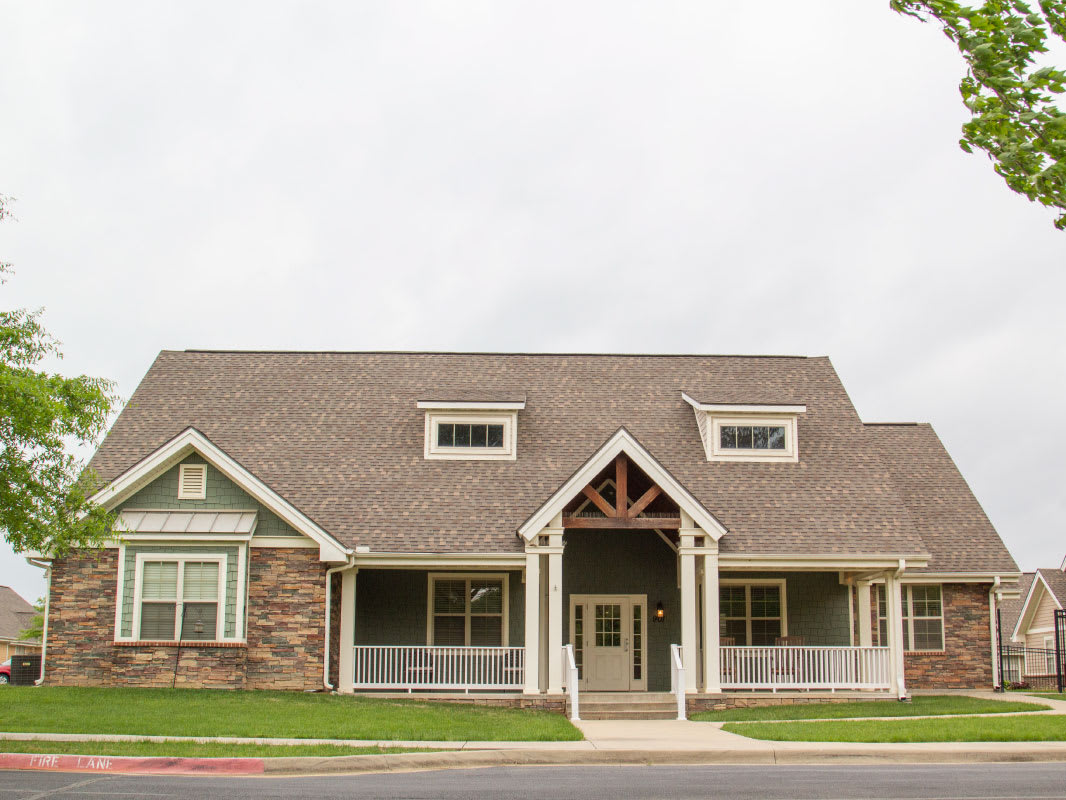
Legacy Village Assisted Living in Bentonville suits seniors who want a homey, cottage-based environment with a clearly non‑hospital feel. The configuration of roughly ten residents per house creates neighborhood-like living rather than a medical campus vibe, and the community’s emphasis on social calendars and healthy, in-house meals makes it attractive for those who flourish with routine, activities, and a lighter touch of oversight. This is especially true for residents in the early to mid stages of memory loss or those who need assisted living services without the expectation of round-the-clock physician-led care. For families seeking a warm, inviting environment where staff appear accessible and the setting is spacious and aesthetically pleasing, Legacy Village checks many boxes.
That said, there are clear reasons some families should consider alternatives. A core concern is staffing: multiple accounts describe only one CNA per house, with frequent personnel changes and limited time for each resident. When care needs intensify or medical oversight is paramount, this staffing model becomes a significant risk. Additional flags include reports of inconsistent quality in meals and overall care, and accounts suggesting management does not consistently address problems. For families prioritizing robust medical monitoring, predictable caregiver assignments, or a dedicated medical director, a different community with higher staffing ratios and stronger administrative accountability may be preferable.
The strongest positives, when they align with a resident’s needs, can offset some drawbacks. The cottage layout offers a non-institutional atmosphere that many families find comforting, and staff who are described as courteous and pleasant can create meaningful connections with residents. The activity calendar is frequently highlighted as a standout feature, delivering variety and opportunities for social engagement that help sustain mood and function. In several visits, the facility’s appearance is noted as gorgeous and the spaces feel expansive, contributing to a sense of dignity and independence for residents who do not require hospital-scale medical care. Healthy meals and decent cleanliness at times also appear in feedback, supporting daily quality of life.
Among the favorable testimonials, several reviewers singled out the environment as open and inviting for individuals not yet in late-stage Alzheimer’s. The division into smaller houses helps reduce the clinical feel and can promote warmth, personal notice from staff, and a sense of community among residents. Positive impressions of the office staff further reinforce the idea that administrative support exists, and that families may experience smoother communication and scheduling. For families who value aesthetics, comfort, and a regimen of stimulating activities, Legacy Village can deliver a meaningful, engaging lived experience that avoids some of the rigidity of larger facilities.
Nevertheless, the negative experiences carry substantial weight in decision making. A recurring concern is the care dynamic inside the cottages: meals cooked by CNAs, tight staffing, and limited physician presence raise questions about consistency and thoroughness of medical oversight. Instances of neglect or weight loss during challenging periods have been reported, underscoring the vulnerability of residents when staffing is lean or monitoring gaps appear. Tour experiences that felt unrevealing or poorly staged, where unoccupied apartments or closed areas were shown, also cast doubt on transparency and may foreshadow ongoing issues with upkeep or responsiveness. These patterns argue for careful due diligence before committing.
In the end,Legacy Village Assisted Living should be evaluated as a fit based on a precise match to risk tolerance and care goals. It remains a viable option for families seeking a humane, activity-rich, cottage-style environment where healthful meals and friendly staff can shine, particularly for residents in the earlier stages of memory loss or those needing general assistance rather than intensive medical management. For those prioritizing consistent, physician-led oversight, transparent operations, or secure, well-staffed memory care, alternatives with higher staffing ratios and stronger clinical governance are advisable. Prospective families should probe staffing stability, confirm who handles meals, request current resident feedback, and demand clarity on how medical care is delivered and documented before placing a loved one. This approach ensures an informed choice aligned with the specific care trajectory required.
 Assisted Living
 Activities on-site
 Devotional services off-site
 Financial aid
 Indoor common areas
 Northwest Arkansas Regional (8 miles away)
 Ambulatory care
 Diabetic care
 Meals provided
 English





 Assisted Living Expenses and Long-Term Care Insurance: A Comprehensive Exploration
 Securing Financial Support for Assisted Living: A Comprehensive Overview
 Social Security Benefits and Assisted Living: Navigating Options Across the U.S.