






2048 Rankin Street, Ashdown, AR 71822
For more information about senior living options: (866) 208-4318

Pinecrest Retirement Lodge Costs & Pricing
Pinecrest Retirement Lodge offers competitive pricing for its various living arrangements, aligning closely with local market rates in Little River County, Arkansas. For a one-bedroom unit, residents can expect to pay $2,150 per month, which matches the county average yet is notably lower than the state average of $3,322. However, for semi-private and studio accommodations priced at $7,450 each, they align precisely with the county's figures but exceed Arkansas' state averages of $3,651 and $2,863 respectively. The private rooms are positioned at $9,900 - again consistent with local pricing but significantly higher than the statewide average of $4,236. Overall, Pinecrest provides a range of options that reflect both quality care and strategic pricing within the region while offering residents the comforts they desire in retirement living.
| Floor plans | Pinecrest Retirement Lodge | Little River County | Arkansas |
|---|---|---|---|
| 1 Bedroom | $2,150 | $2,150 | $3,322 |
| Semi-Private | $7,450 | $7,450 | $3,651 |
| Studio | $7,450 | $7,450 | $2,863 |
| Private | $9,900 | $9,900 | $4,236 |
Assisted Living communities with a similar price nearby
-
from -$200 / mo
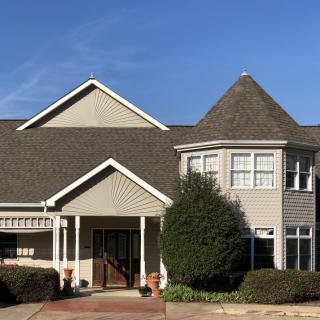
The Gardens
$1,950 to $2,265 / month15.0 miles away
Overall Review of Pinecrest Retirement Lodge
Pros
 The staff at Pinecrest Retirement Lodge have been wonderful.
- They are very professional and compassionate.
- The people here, including the staff, are like a family.
- Residents feel safe.
- The staff and residents are sweet, helpful, and wonderful.
- The activities director runs a great and busy program for residents.
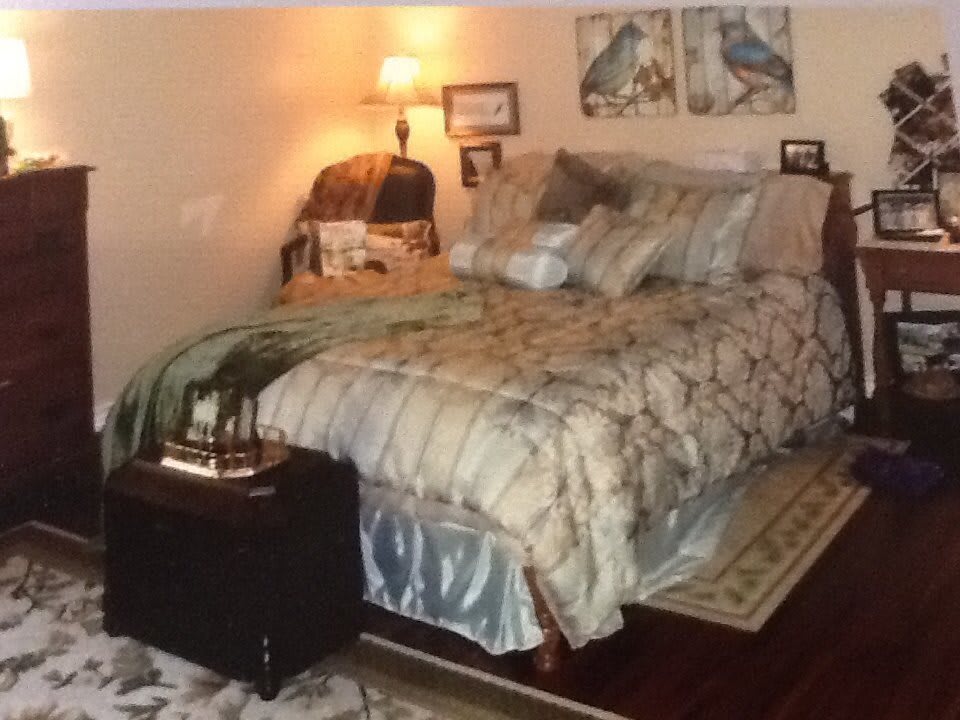
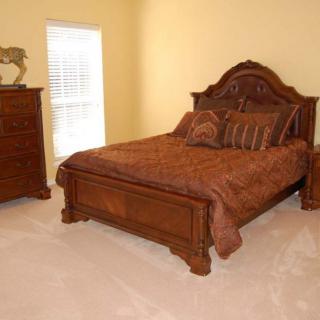
- The rooms are clean, nice, and a good size.
- Pinecrest stands out for being well-maintained with friendly and professional staff.
- The care residents receive is beyond exceptional.
- Pinecrest is the best thing to happen to families.
Cons
 The food isn’t always appealing to their parents.
- They didn’t like Pinecrest at all.
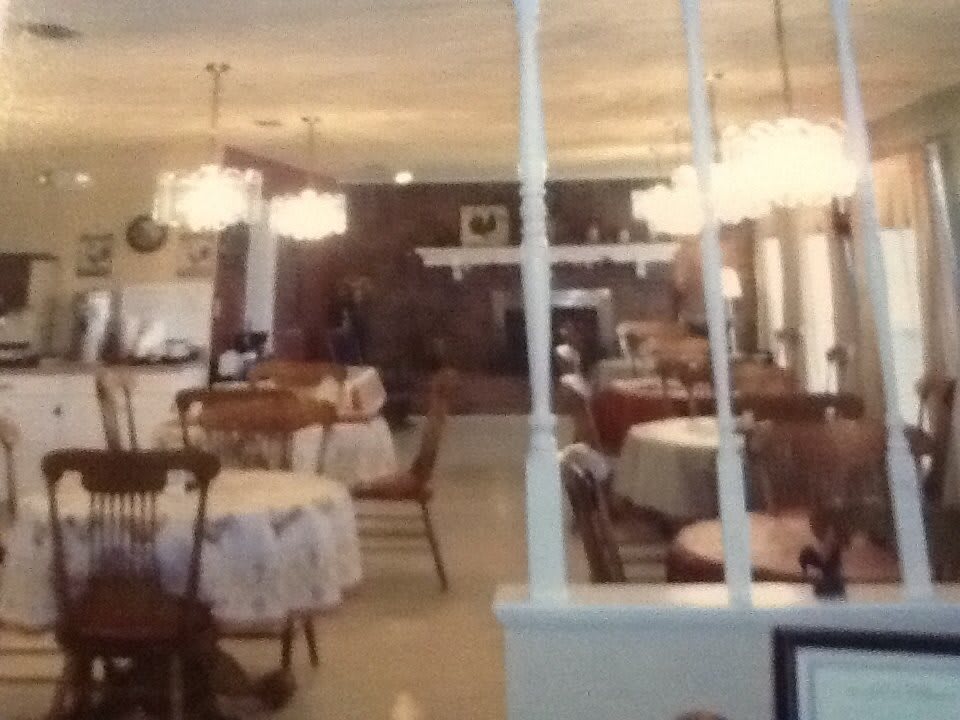
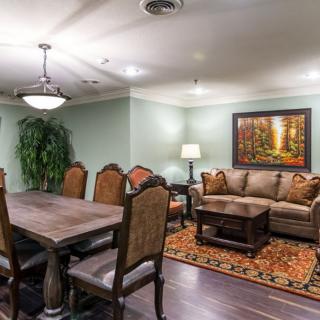
- The dining room was small and not very nice.
- The bathrooms are not big enough.
- There is no nurse on hand, and the staff are only adequate.
Review
Pinecrest Retirement Lodge is best suited for seniors who want a warm, small‑town atmosphere where staff treat residents like family, and where daily life is simplified by centralized access to care, housekeeping, and maintenance. The resident experience centers on relationships with a compassionate, professional team and a sense of safety that comes from being surrounded by people who know names, routines, and preferences. For families seeking a community with an active social calendar, well‑maintained surroundings, and predictable day‑to‑day rhythms, Pinecrest offers a practical, home‑like option that reduces the burden of home upkeep while preserving independence.
That clarity helps when considering alternatives. Families whose loved ones require frequent, on‑site nursing, more intensive medical oversight, or larger living spaces with expansive dining areas may find Pinecrest less aligned with those needs. A few reviews flag the absence of a dedicated on‑site nurse and point to smaller dining rooms or bathrooms, which can be a mismatch for residents who value high‑level clinical supervision or luxury‑style accommodations. If medical complexity, high‑cadence rehabilitation, or a preference for resort‑style amenities drive the search, more medicalized or upscale options in the region may be worth exploring.
On the upside, the core strengths of Pinecrest are striking and consistent. The staff come across as genuinely caring, professional, and dependable, with numerous reviewers highlighting a family‑like atmosphere that makes new residents feel welcome from day one. Residents describe feeling safe and well‑looked‑after, with relief from everyday burdens such as bill payment, yard work, and basic maintenance, which frees families to focus on connection rather than logistics. The leadership appears stable and effective, with praise for smooth governance and a well‑organized activities program that keeps residents engaged. Cleanliness and upkeep are routinely praised, reinforcing the sense of a well‑run home rather than a bare‑bones facility.
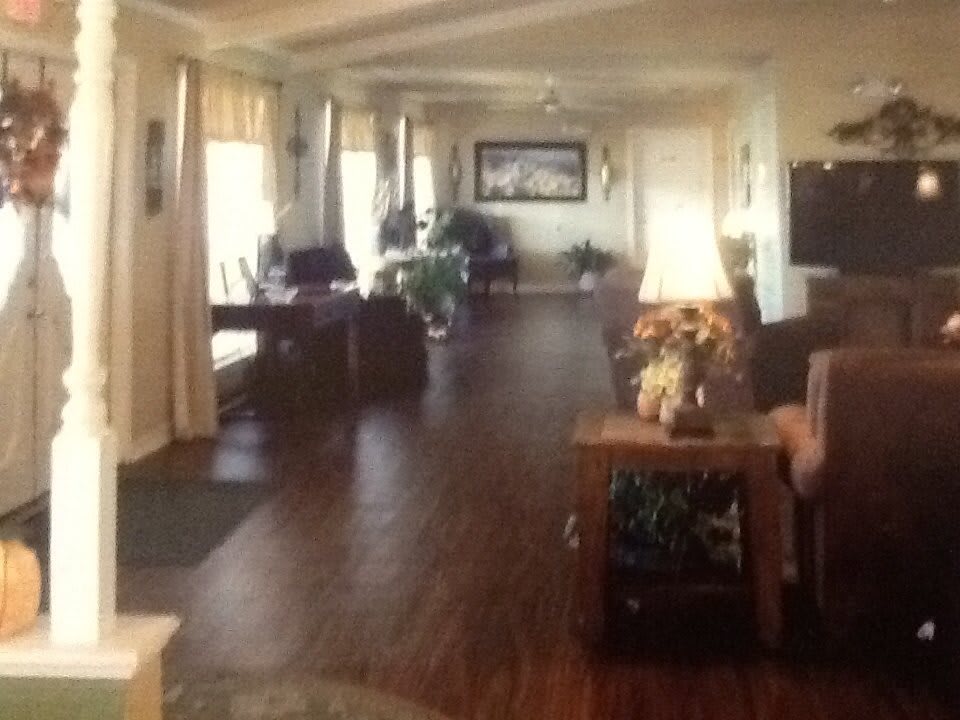
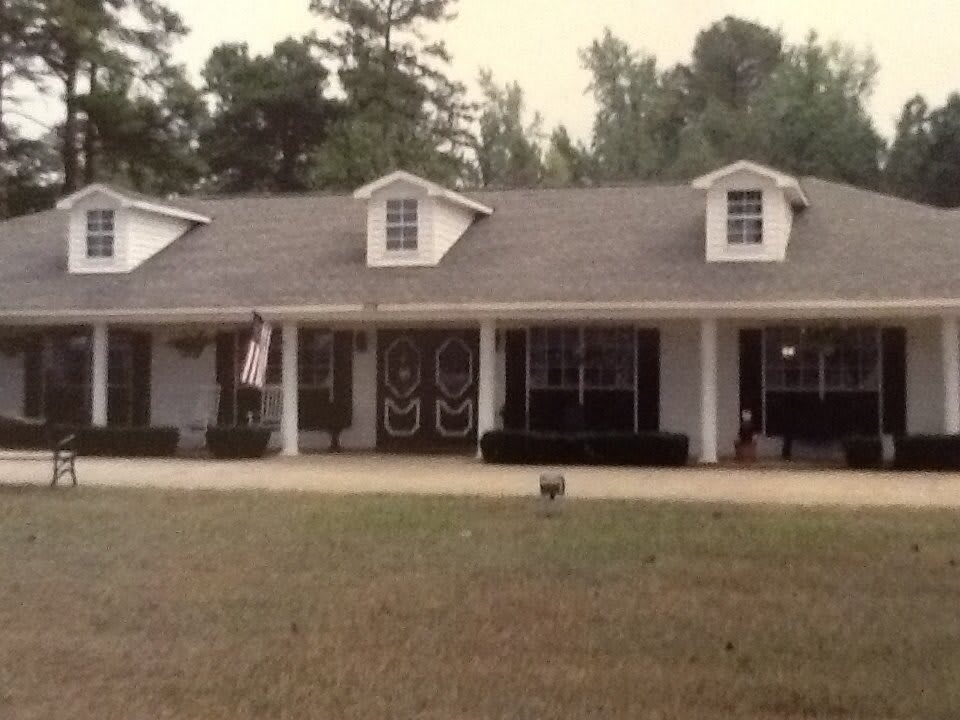
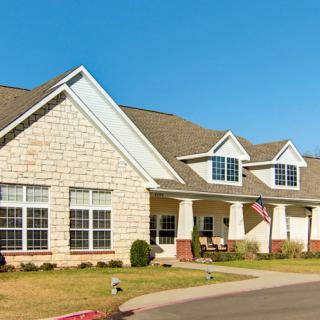
These strengths tie directly to the lived experience: the pros offset several notable cons. The warm, attentive staff and the community vibe mitigate concerns about dining quality or room size for many families, because day‑to‑day interactions, safety, and purposeful activity create enduring value that goes beyond a single meal or a compact bathroom. The setting, well‑maintained, with accessible common spaces like a large porch and a lively activity calendar, helps residents settle in quickly and stay socially connected, which in practice sustains quality of life even if some aspects of the physical plant could be improved. In short, the human element often makes the differences between acceptable and excellent fade into the background when the daily life feels predictable and supportive.
Still, the facility is not without friction points. A portion of the reviews note that the dining experience isn’t consistently appealing, and a few disturbingly practical issues surface, bathrooms that some find too small and, for prospective residents with greater medical needs, the lack of an on‑site nurse on duty. These factors matter in concrete decisions: if meals and bathroom accessibility are non‑negotiable, or if medical oversight is essential, Pinecrest may require careful scrutiny or a comparison with other communities that offer more robust dining options or richer clinical staffing. The occasional impression that Pinecrest resembles a nursing home rather than an assisted living environment is also a signal to verify alignment with expectations before committing.
For families weighing options in Ashdown, Pinecrest Retirement Lodge stands out as a practical, compassionate choice that delivers peace of mind through staff integrity and resident engagement. It is especially compelling for those who prioritize a sense of community, predictable routines, and relief from the burdens of home ownership, all within a well‑maintained setting. However, if a loved one’s needs lean toward intensive medical care, larger private suites, or high‑end dining experiences, exploring alternatives with stronger clinical staffing or more expansive amenities is prudent. The next best step is a firsthand visit coupled with targeted questions about nurse availability, meal planning and accommodations, bathroom accessibility, and real‑world examples of how daily life unfolds for current residents.
 13 resident community capacity
 Studio apartments
 Assisted Living
 Independent Living
 Cats allowed
 Dogs allowed
 Activities on-site
 Beautician on-site
 Cable or satellite TV
 Devotional services off-site
 Dining room
 Fully furnished
 Garden
 Housekeeping services
 Indoor common areas
 Move-in coordination
 Outdoor common areas
 Respite or short term stays offered
 Telephone
 Wheelchair accessible showers
 Wi-Fi/high-speed internet available
 Texarkana Regional-Webb (16 miles away)
 24-hour supervision
 Ambulatory care
 Assistance with bathing
 Assistance with dressing
 Assistance with transfers
 Diabetes diet
 Diabetic care
 Incontinence care
 Meal preparation and service
 Medication management
 Special dietary restrictions
 Transportation arrangement (medical)
 Transportation to doctors appointments





 When to Transition from Assisted Living to Memory Care: Key Indicators, Steps, and Finding the Right Community
 Assisted Living and Memory Care: Understanding Their Core Differences
 Beyond the Bingo Hall: 50+ Enriching Activities for Seniors in Assisted Living